Panama, 25 November 2025 (PAHO) — In the heart of the Ngäbe Buglé region, people often travel for hours on foot or by boat to receive medical care. This physical barrier can mean the difference between life and death. However, that reality is about to change.
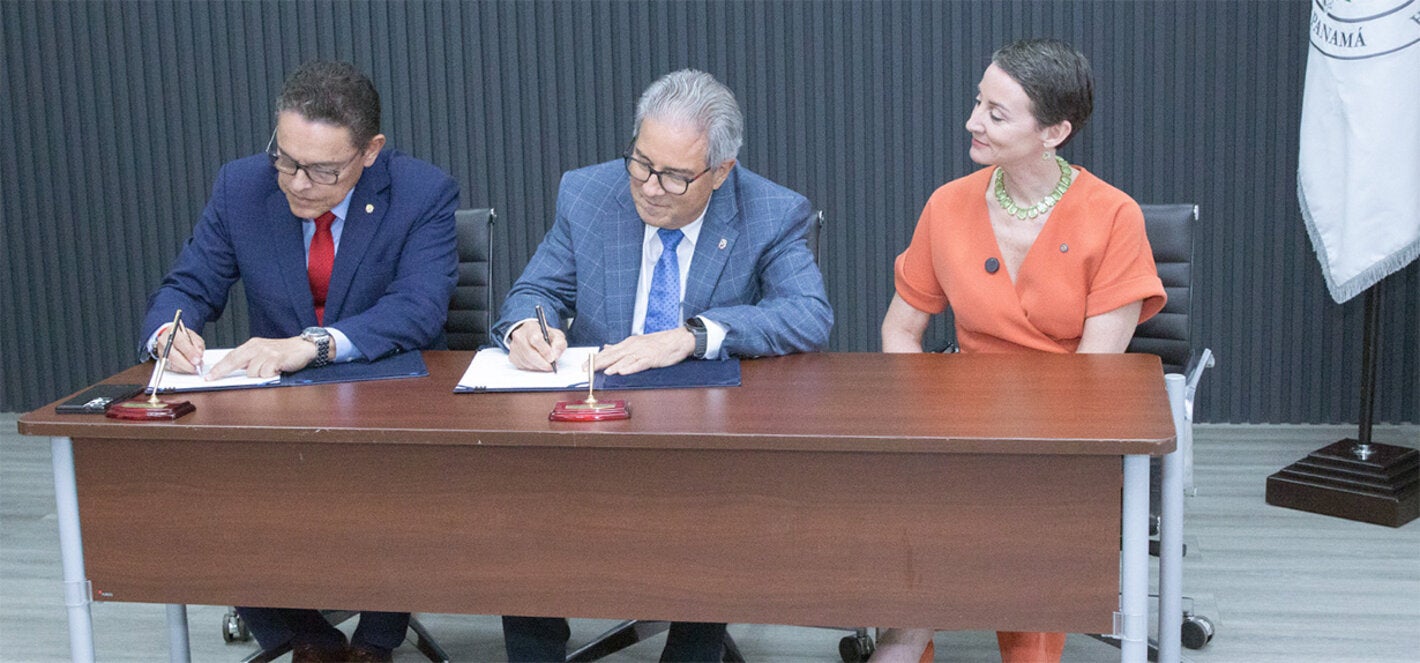
On 24 November, a formal ceremony in Panama City marked a milestone in the country’s digital transformation and health equity. The Ministry of Health (MINSA) and the Ministry of Public Security (MINSEG) signed an Interinstitutional Cooperation Agreement to use drones to transport medicines and health supplies. This Agreement, promoted by the Pan American Health Organization (PAHO), lays the legal and operational foundations for eliminating the geographical barriers preventing access to essential services.
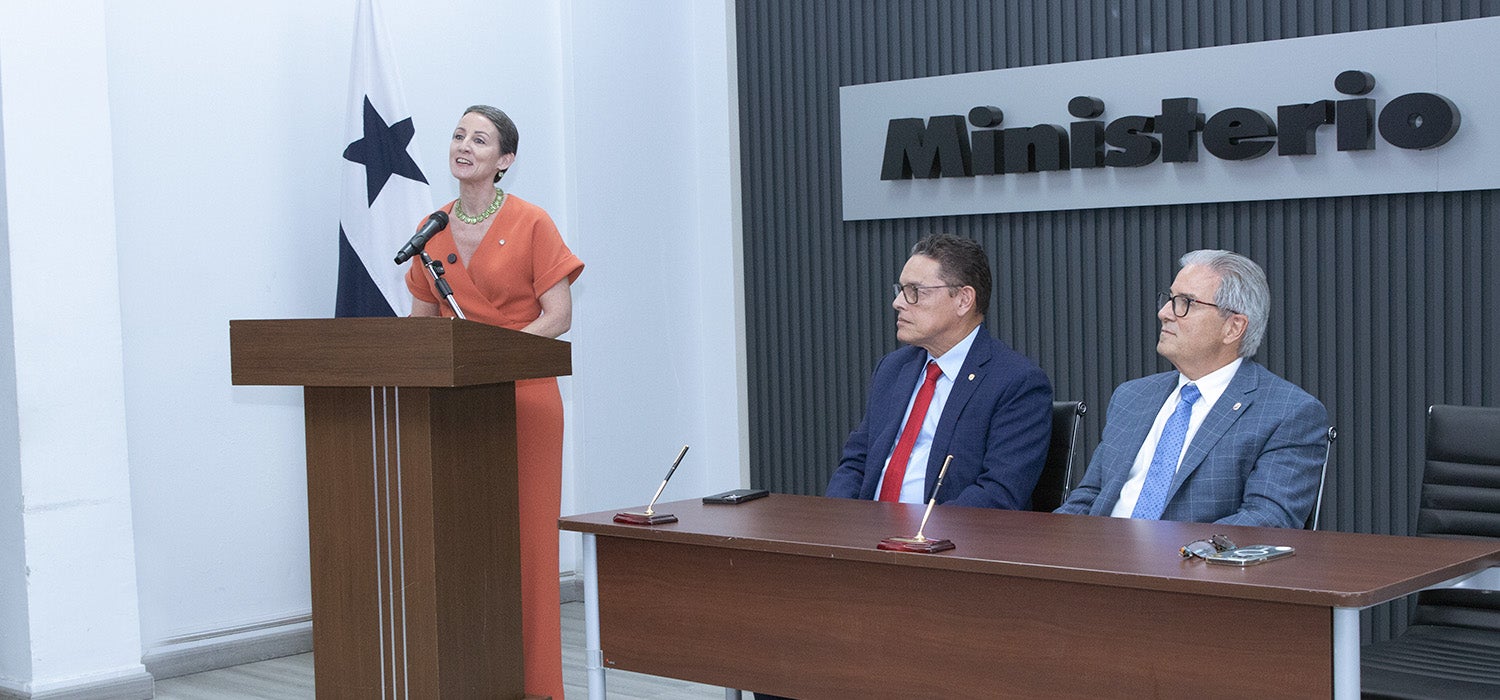
Dr. Ana Rivière Cinnamond, PAHO Representative to Panama, said: “The idea of using drones came about during a visit to the Ngäbe Buglé region, where I witnessed the arduous journey (car, boat, and on foot) hindering vaccination and regular medicine deliveries. I saw the logistical challenges preventing health workers from providing medicines, which led me to wonder how to make these vital supplies more accessible. During a meeting, we learned that another country was transporting breast milk using drones, and I proposed adapting this technology for the region.”
Dr Rivière added: “After months of legislative and operational work, I am extremely proud that this Agreement, which is essential to guaranteeing aviation, operational, and health safety, has been signed.”
The project “Improving lives in the Ngäbe Buglé region through the use of drones, technology, and community health” was born out of the need to expand access to health services, eliminate prevalent diseases, and improve the quality of life of the most vulnerable populations. During 2025, the project has progressed through various stages of development.
This initiative directly addresses the fight against key diseases such as malaria, HIV/AIDS, syphilis, and tuberculosis, whose diagnosis and timely medical response depend on efficient logistics. This innovation aligns with key state strategies such as the National Health Policy 2016-2025, the National Strategy for the Digital Transformation of the Health Sector, and Panama’s National Plan 2025-2032 for the elimination of multiple communicable diseases.
All these efforts are made possible thanks to the support of the BARÇA FOUNDATION, the social entity of FC Barcelona. The Foundation acts not only as a funder, but as a development partner with an intense focus on equity and inclusion. Its mission is to promote health and well-being in vulnerable communities. Like PAHO, it has a keen interest in strengthening health systems with technological innovations.
The country has already demonstrated its leadership by officially registering the drone with the Civil Aviation Authority (CAA) in August 2025, a process that legitimized the aircraft as a health resource. Air corridors through which the drone will transport medicines, tests, and health supplies have been identified and designed. Digital graphics of the air route have also been created to optimize CAA safety, feasibility, and approval analysis.
The medical drone is currently located in Rambála, Bocas del Toro, where essential flight tests are being carried out. Four pilots, two from the National Aeronaval Service (SENAN) and two civilians, are receiving specialized training to ensure aviation and operational safety.
The Agreement, signed in the Ministry of Health Auditorium, solidifies this intersectoral effort. Dr. Fernando Boyd-Galindo, Minister of Health, and Mr. Frank Ábrego, Minister of Security, sealed the partnership in a low-key but symbolic ceremony, in the presence of Dr. Ana Rivière Cinnamond, PAHO Representative to Panama.
Dr. Fernando Boyd Galindo, Minister of Health, said: “This step is very important for developing health care and providing it to our population, especially to people who have difficulty accessing our services.” Addressing the PAHO Representative to Panama, the Minister added: “Ana has introduced Panama to the use of drones for health care, and I think that’s fantastic.”
MINSEG, through the National Aeronaval Service (SENAN), will assume the crucial role of coordinating logistics and operations. Its task will be to guarantee the safety, privacy, and feasibility of using airspace for health purposes, leveraging its experience and deployment capabilities in remote areas.
For its part, MINSA will ensure that this initiative is coherently integrated into the national health system, and that health supplies logistical operations are seamlessly incorporated into national information systems.
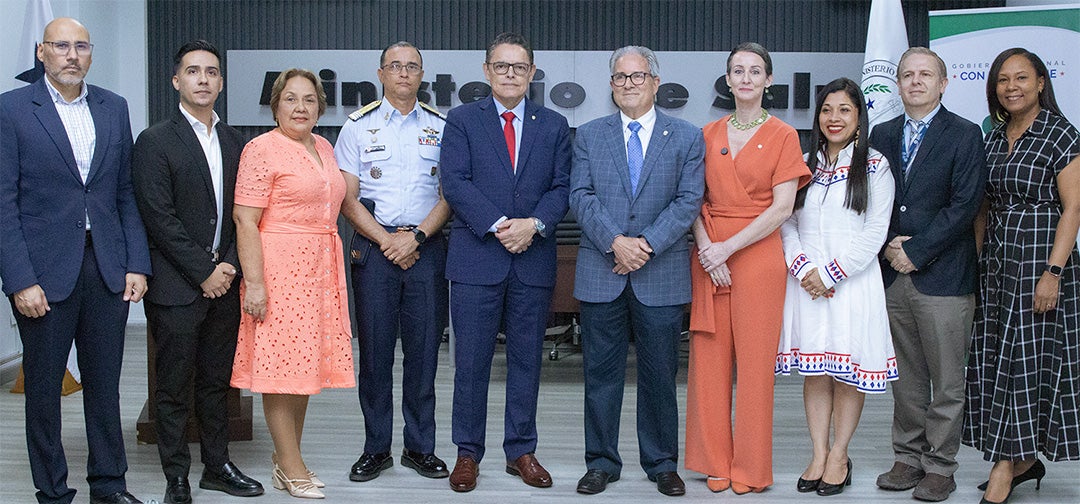
This collaborative framework is a clear example of how technological innovation can be used to reduce health inequities, one of PAHO’s fundamental principles. Panama is building a vital air bridge, by combining the operational capabilities of MINSEG and the technical leadership of MINSA.
By signing this Agreement, Panama has not only taken a major step on its path to digital transformation, but has also established a regional model for health logistics. The Interinstitutional Cooperation Agreement sets a precedent for how intersectoral action is essential to provide health care to every corner of the country, without exception.
PAHO will continue to provide technical cooperation to develop protocols and monitor this project. Success in the Ngäbe Buglé region will be the basis for expanding this innovative solution to other isolated communities, guaranteeing equity and improving the quality of life of thousands of Panamanians who depend on quick and safe access to medicines.