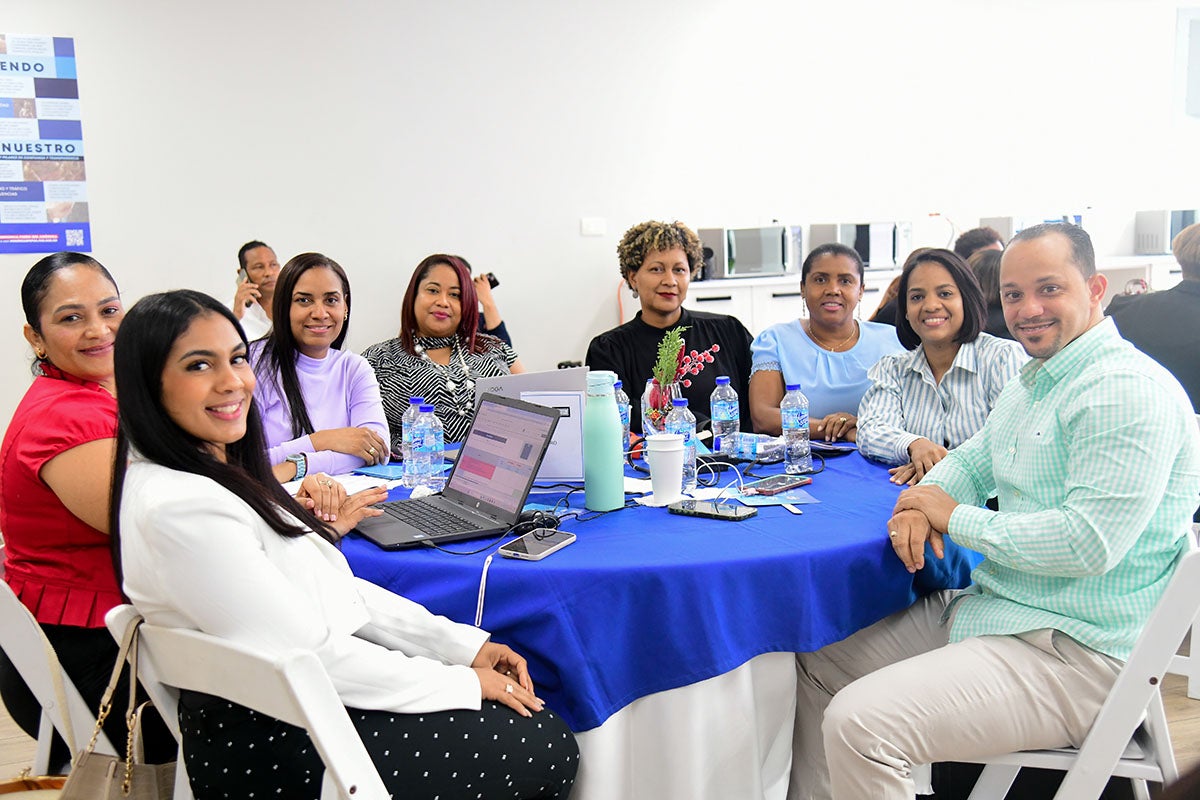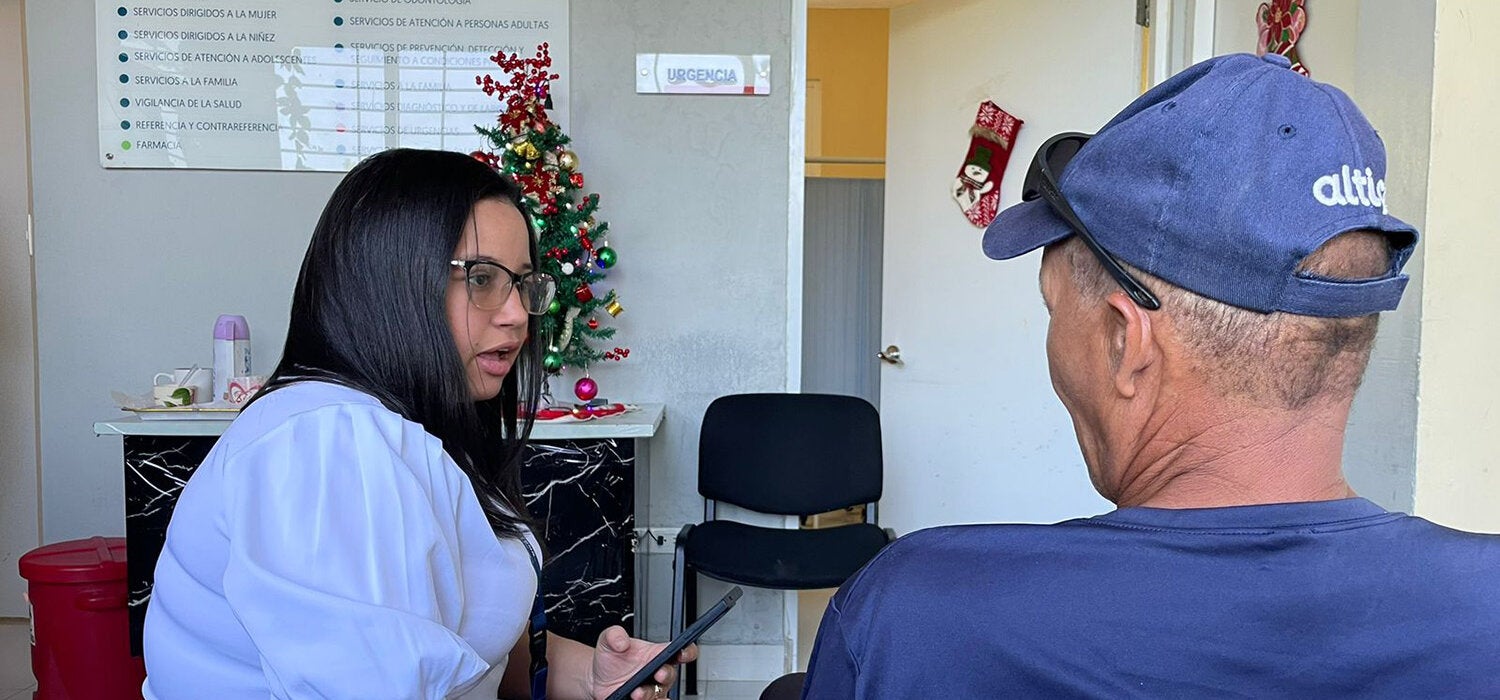
• consultation
    Ministerio de Salud Pública y Asistencia Social de República Dominicana
    Credit

Bringing health services together: Dominican Republic invests in a more integrated health system

When people seek medical care, they expect the health system to work as one. They expect their medical information to follow them, different providers to communicate with one another, and follow-up care to be available when they need it.

But that is not always the case.

— July 2026 —

Across much of Latin America and the Caribbean, patients often navigate fragmented systems. They repeat their medical histories, move between disconnected facilities, and can lose access to follow-up care along the way. The result is lower-quality care and less efficient use of limited health resources.

A common example highlights the challenge. A person living with hypertension arrives at a hospital emergency department during a health crisis, receives immediate treatment, and returns home. Yet the primary care clinic responsible for that person's long-term follow-up may never know the visit occurred. The services exist, but the system does not always connect them.

Addressing these gaps is one of the priorities behind ongoing health reforms in the Dominican Republic, where authorities are working to build a more integrated health system rooted in primary health care.

“The Dominican Republic's health system remains more hospital-centered than preventive,” said Ilka Adelina González, Director of Planning at the National Health Service. “One of our main challenges is a long-standing culture that tends to react to illness rather than prevent it. There are also limitations in communication between different levels of care, while many people continue to place greater trust in hospital services.”

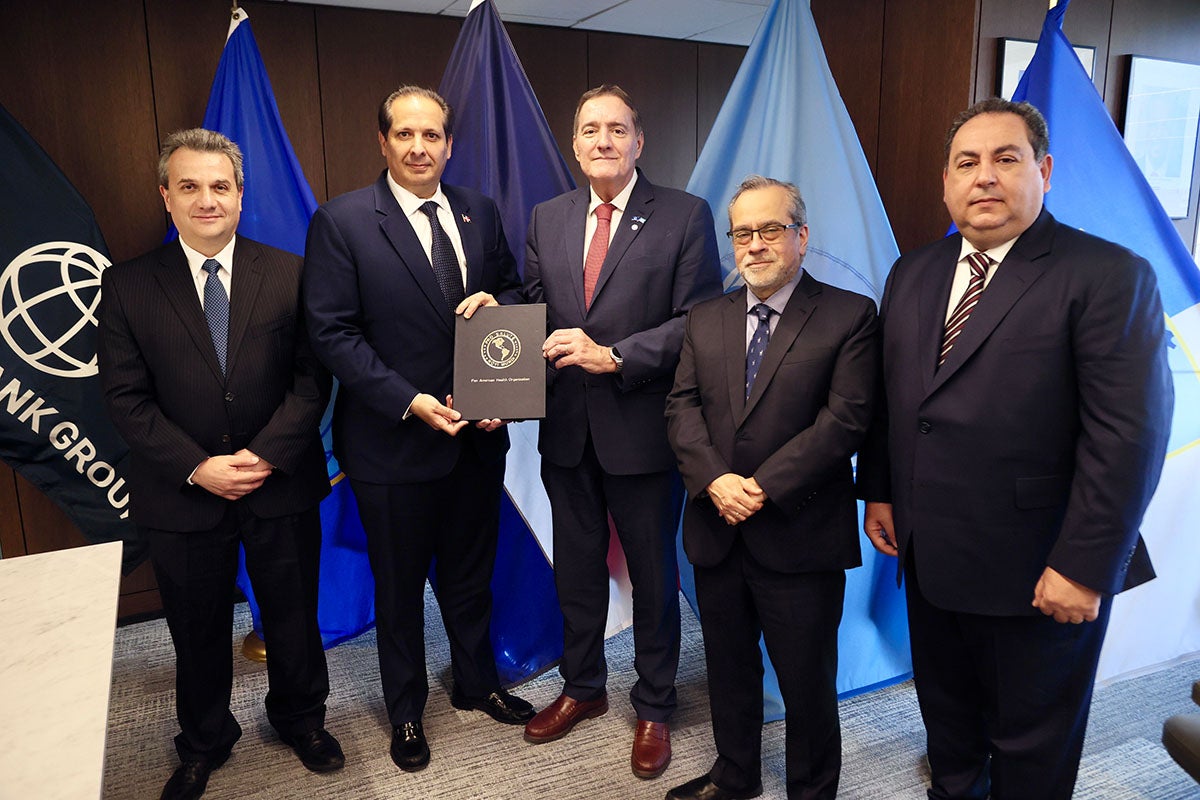
To help address these challenges, the Dominican Republic became one of the first countries to join the Alliance for Primary Health Care in the Americas, a regional initiative launched in December 2023 by the Pan American Health Organization (PAHO), the Inter-American Development Bank (IDB), and the World Bank.

The Alliance seeks to strengthen health systems across the region through investment, innovation, and technical cooperation. Its goal is to improve coordination across services so that people receive seamless care throughout their lives, with primary health care serving as the foundation of transformation.

Primary health care includes the clinics, health centers, and community health teams that often serve as people's first point of contact with the health system. According to PAHO and the World Health Organization (WHO), strong primary care networks can address most common health needs throughout a person's life, often more than 80 percent of them, while bringing services closer to communities, emphasizing prevention, and reducing reliance on hospitals.

In practical terms, this means families can receive timely care closer to home, with greater continuity and a more person-centered approach, rather than navigating a fragmented system.

To date, the Alliance has helped align investment plans among PAHO, the World Bank, and the IDB, mobilizing more than US$1 billion to strengthen primary health care across the region. Eleven countries are now actively participating.
alliance
From measurement to action

As part of its participation in the Alliance, the Dominican Republic established a consultative mechanism for PHC in 2024 that brings together government authorities and international partners to coordinate efforts, avoid duplication, and identify priorities.

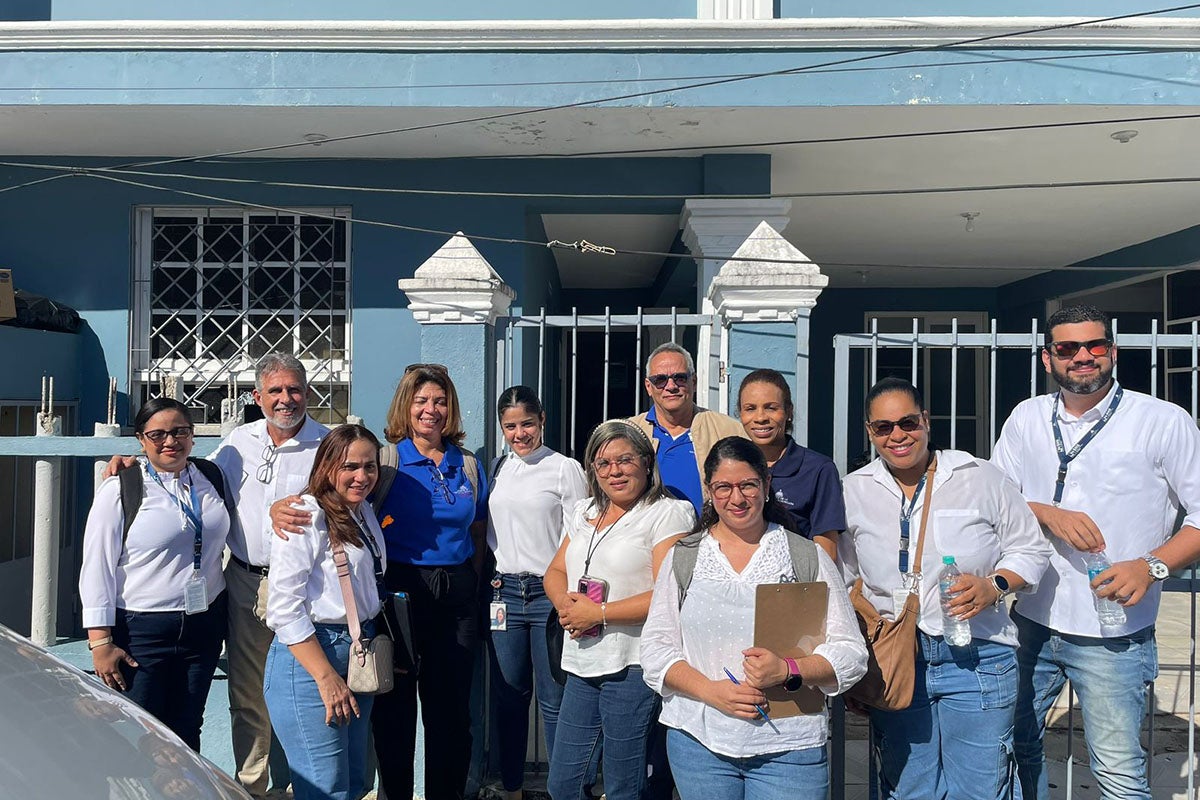
To understand where improvements were needed, the country began evaluating how different parts of the health system connect with one another, from primary care facilities to hospitals. So far, assessments have been completed in four of the country's ten health macro-regions, covering a wide range of settings, from densely populated urban areas to rural, coastal, and hard-to-reach communities.

The assessments found important strengths in planning and service organization. They also revealed persistent gaps in coordination between clinics and hospitals, information sharing, and patient follow-up.

These findings are already helping guide investment decisions for the coming years, with strengthening primary health care at the center of reform efforts.

“This process allows us to move from diagnosis to action,” said Luisa Yudelka Batista Reyes, Vice Minister for Strengthening and Development at the Ministry of Health. “It helps ensure that decisions and investments are directed where they are most needed so that health networks can function as integrated systems.”

Among the country's priorities are strengthening primary care services, improving referral and follow-up mechanisms between facilities, and accelerating digital transformation efforts. Hundreds of stakeholders, including health authorities, health workers, and community representatives, have been involved in the process.

participants
Credit: Ministerio de Salud Pública y Asistencia Social de República Dominicana
Early gains and a long-term vision

The Dominican Republic has already begun putting a more effective primary health care model into practice.

Efforts underway include forming multidisciplinary teams of doctors, nurses, and other health professionals; assigning individuals and families to specific health teams responsible for ongoing care; and increasing community participation in health planning and delivery.

Nationally, notable improvements are also being reported in services for pregnant women, newborns, and their families. These include rotating specialists into underserved areas, strengthening equipment and infrastructure, and expanding programs for the early detection of diseases. Together, these measures are helping shift the health system toward a more preventive approach.

“As a country, we are focused on strengthening every level of care, especially primary health care,” said Vice Minister Batista Reyes. “This includes developing the health workforce and advancing digital transformation through our National Digital Health Strategy.”

She remains optimistic about the future.

“We have made tremendous progress,” Batista Reyes said. “Within the next three years, we expect to have a stronger primary care system, better-connected health networks, and a system that works proactively rather than reactively.”

With technical and financial support from PAHO, the IDB, and the World Bank, the Dominican Republic now has more precise tools to identify where investments can have the greatest impact, and which interventions can benefit the largest number of people.

The challenge remains significant. Shifting from a hospital-centered model to one that is preventive, coordinated, and community-focused is not easy. Yet the country has already moved beyond identifying problems and begun implementing solutions.

Ultimately, the goal is simple: to ensure that people receive care that is closer to home, better coordinated, and continuous over time. A system in which health services work together, patients do not fall through the cracks, and care follows people throughout their lives.

That is the future the Dominican Republic is working to build.

participants
Credit: Ministerio de Salud Pública y Asistencia Social de República Dominicana