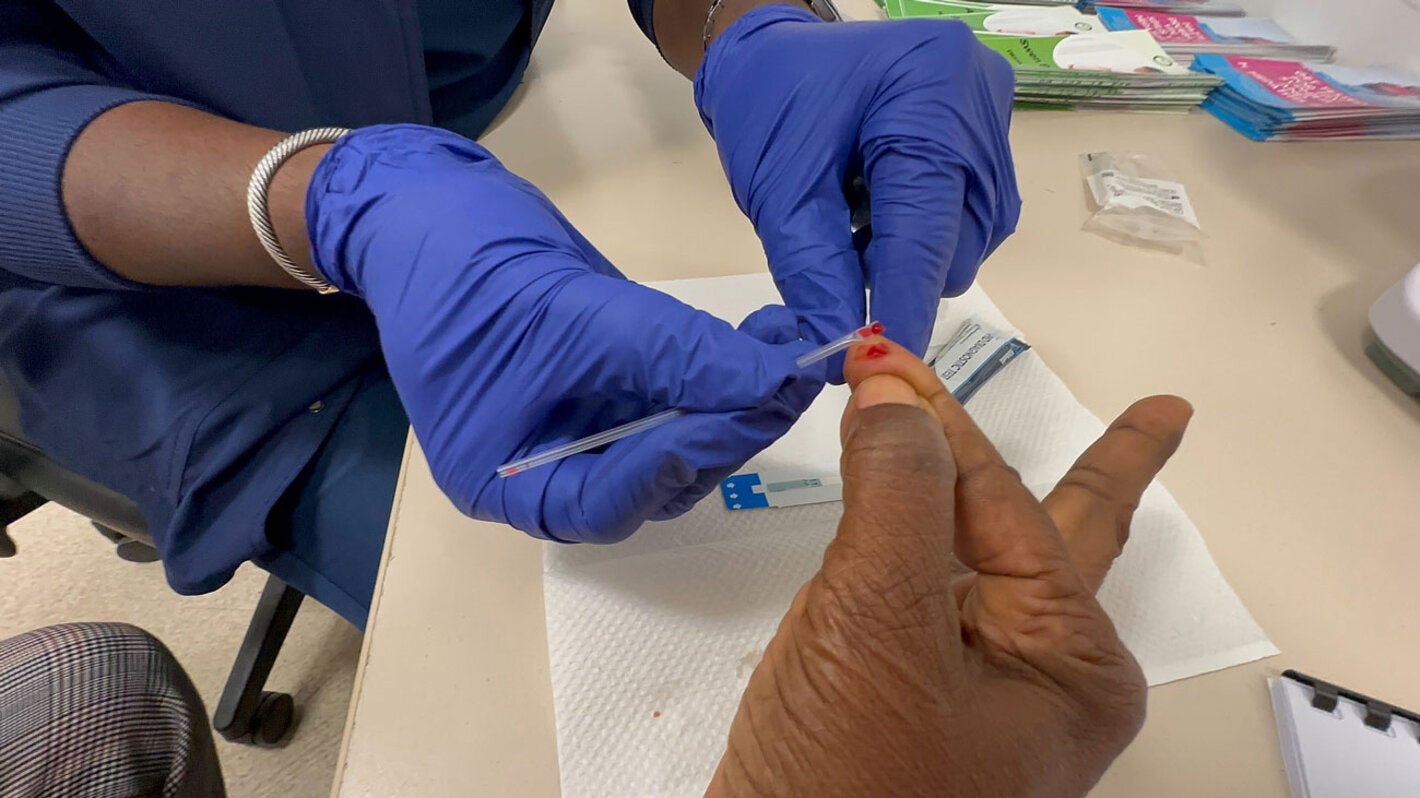
Through early detection, integrated care, and sustained outreach, the Turks and Caicos Islands has eliminated mother-to-child transmission of HIV and hepatitis B
— June 2026 —

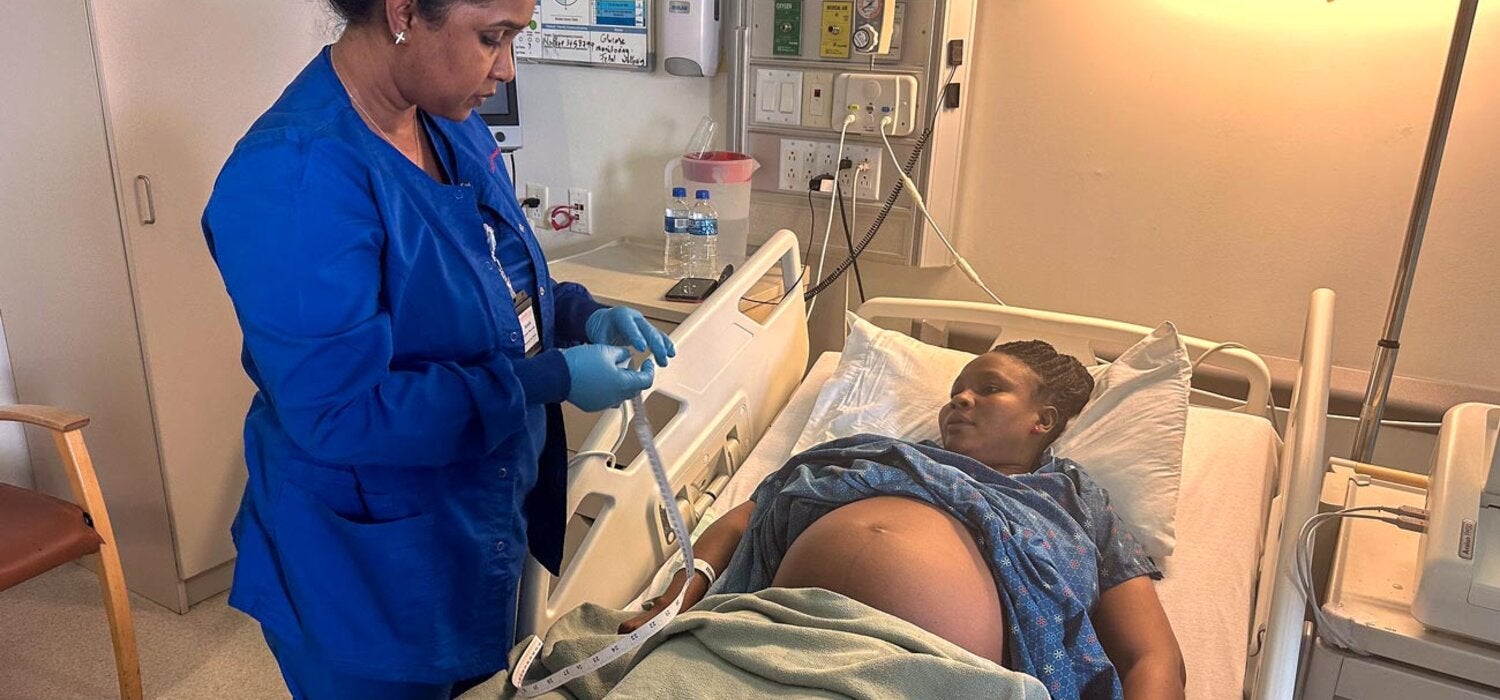
Dr. Camelia Clarke still remembers when a young mother came to the hospital just after missing her second period. Following a routine testing process, she tested positive for HIV.
“We were able to counsel her, let her know what was happening. We also invited her partner in to be tested as well, and he was further linked to care and treatment,” Dr. Clarke recalls.
What followed shows how early detection and immediate care can change the course of a newborn’s life, when a mother receives treatment and close monitoring throughout her pregnancy.
“We established her baseline viral load, and with treatment, it eventually became undetectable,” Dr. Clarke says.
By the time the mother gave birth with no complications, the team had dramatically reduced the risk of transmission. Right after delivery, the infant received prophylactic medication and, at 18 months, tested negative for HIV.
“Because of the strong integrated service, the early recognition, we were able to prevent vertical transmission and have a healthy outcome for mother and baby,” Dr. Clarke explains.
Today, Dr. Clarke is Director of the Health Promotion and Advocacy Unit and the focal point for the elimination of HIV mother-to-child transmission (EMTCT) within the Ministry of Health and Human Services in the Turks and Caicos Islands.
The Caribbean nation, with just over 45,000 people, has been working for the better part of the last decade to build a system that strives to test, treat and monitor every woman and pregnancy.
“Preventing mother-to-child transmission begins at the first antenatal visit,” says Nurse Savita Ramkellowan, Senior Public Health Nurse, attached to the Ministry of Health Primary Health Care. “The rapid tests have really transformed how we screen for HIV, syphilis, and hepatitis B in maternal health.”
Thanks to this sustained effort, the World Health Organization (WHO) recently validated Turks and Caicos Islands for the elimination of mother-to-child transmission of HIV and hepatitis B.
Backed by a strong primary health care system, integrated services ensure early detection, timely treatment, and continuous follow-up. By embedding screening into routine care, the country has reduced transmission rates below 2% and achieved over 95% coverage for prenatal care, HIV testing, and treatment for mothers and newborns.
The Turks and Caicos Islands is the first country in the region to be verified for the elimination of mother-to-child transmission of hepatitis B. Infants exposed to hepatitis B receive the first dose of the vaccine within hours of birth, followed by a full vaccination schedule and, when required, immunoglobulin to further reduce risk.
“Our interventions are grounded in global best practices and tailored to our local context. Our commitment is not just clinical, it is a promise to every child to start a life free of preventable infections,” explains Dr. Sani Amatti, Deputy Chief of Medical Services and the head of pediatrics at Cocos Island Hospital.
Elimination verification, which included data assessment and visits to health facilities across the country, was carried out by a regional committee of independent experts, supported by the Pan American Health Organization (PAHO) and UNICEF.
“All of our hard work has paid off. Not just the process of gaining validation but seeing how our health system is working and has improved, knowing we are providing the best outcomes for mothers and babies,” Dr. Clarke says.
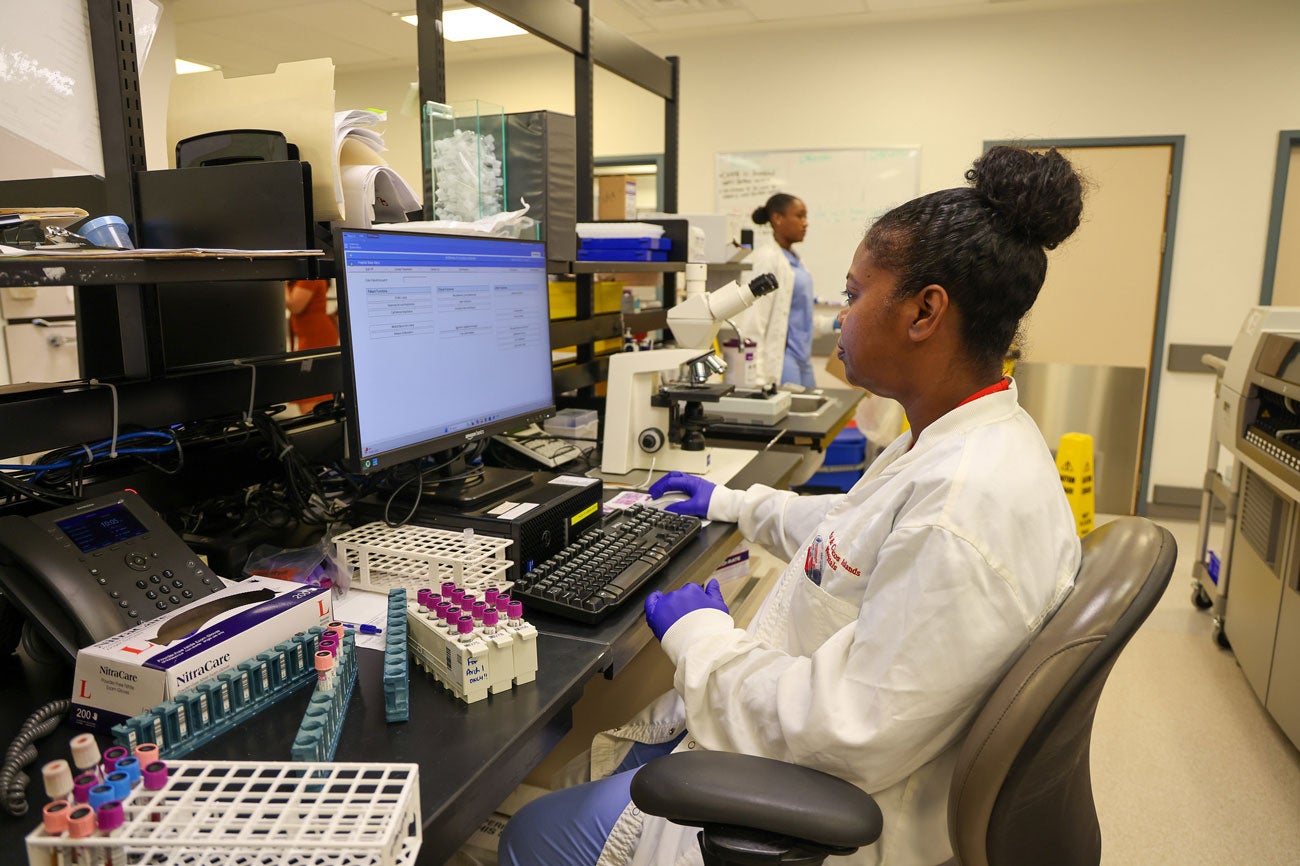
One of the key challenges in the Turks and Caicos Islands has been ensuring timely access to antenatal care, particularly among migrant populations. Reaching these communities early and keeping mothers consistently linked to care requires continuous outreach, trust-building, and strong coordination across clinics, hospitals, and community partners.
“This was definitely a team effort,” says Mr. Kyle Knowles, the Minister of Health and Human Services in the Turks and Caicos Islands. “Our health promotions department helped raise awareness. Social services supported families in need. Community groups helped to reach out to migrant mothers, and civic groups played a big role in engaging communities and reducing stigma.”
In the Americas, a total of 14 countries and territories have now been validated for the elimination of mother-to-child transmission of HIV. Among them, Brazil—validated in 2025—stands out as the largest country in the world to achieve this milestone.
PAHO works closely with national authorities to guide the validation process and strengthen key components of the response, supporting countries to review data, apply EMTCT criteria, and align national protocols with regional and global standards. PAHO also facilitates the exchange of knowledge across the Americas, helping countries like the Turks and Caicos Islands build on proven approaches while adapting them to their context.
To advance toward HIV elimination as a public health threat, PAHO and partners have established the Alliance for the Elimination of HIV in the Americas, a regional platform to strengthen coordination, scale up diagnosis and prevention—including PrEP (pre-exposure prophylaxis)—and optimize treatment, while addressing structural barriers such as stigma and discrimination, with the goal of eliminating HIV as a public health threat by 2030.