The story of Auris Vega, an epidemiologist who helped identify health risks that could become the next public health emergency.
— August 2026 —

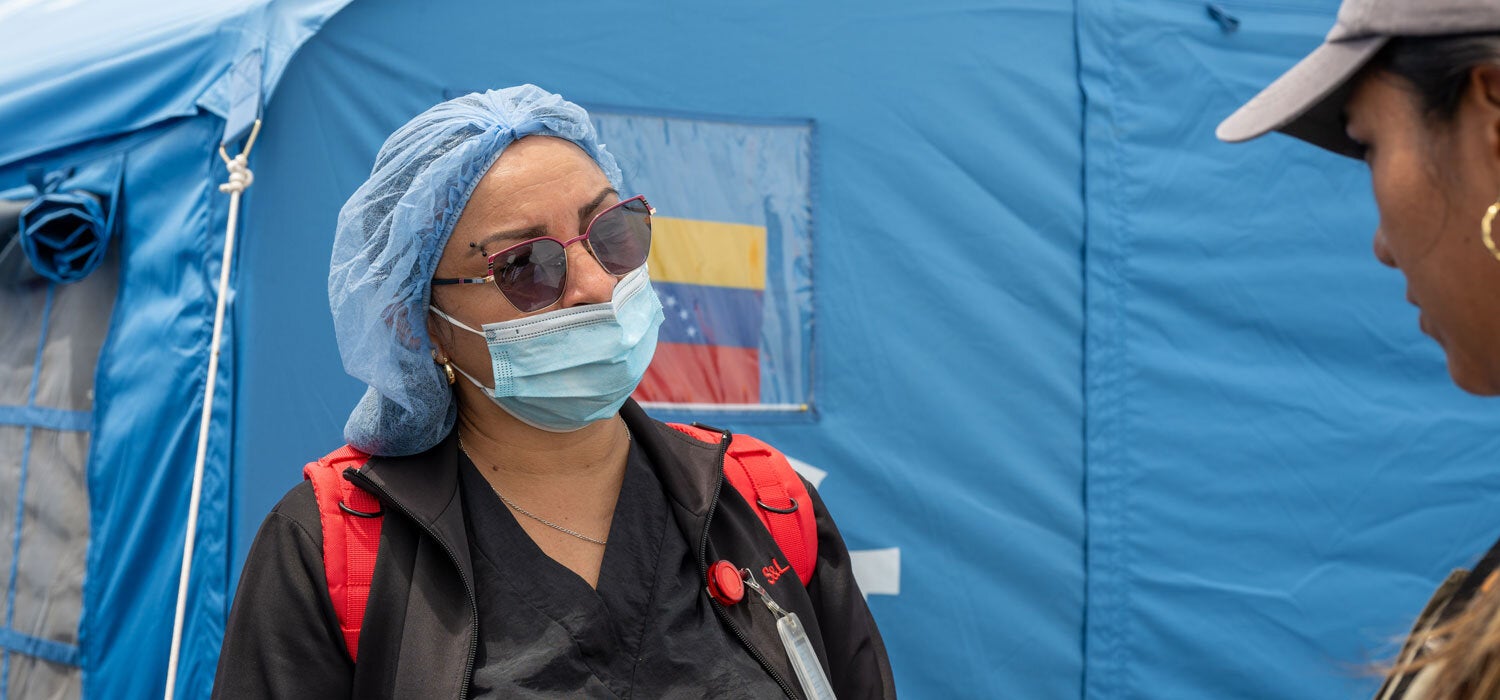
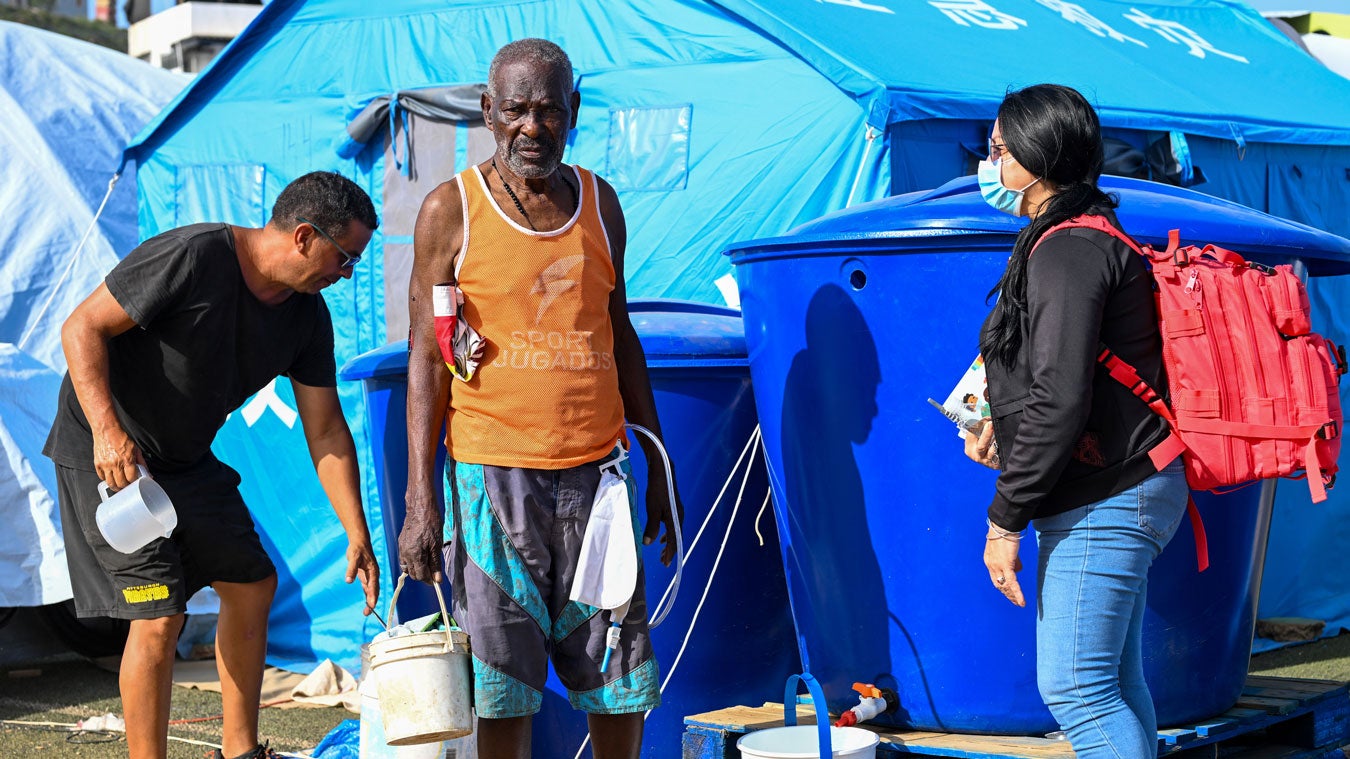
Auris Vega walks through the tents at César Nieves Stadium in the coastal city of La Guaira, now serving as a temporary shelter for families displaced by the earthquakes that struck Venezuela on June 24, 2026. She is meeting with victims to ask whether they have fever, diarrhea, or skin rashes. She is looking for people who need follow-up services for chronic diseases and checking the conditions of water and sanitation.
Her work is the backbone of epidemiological surveillance—a key public health function that enables the early detection of health threats and guides prevention and control measures after an emergency. When she identifies a situation that requires further investigation, she collects samples and coordinates processing and follow-up with local health teams.
After an earthquake, health risks do not end when the ground stops shaking. Disruptions to safe water supplies, the displacement of families, and reduced access to health services can increase the risk of disease outbreaks and other health problems. Epidemiological surveillance makes it possible to identify these threats early and respond before they escalate into larger public health emergencies.
To support epidemiological surveillance after the earthquakes, the Pan American Health Organization (PAHO/WHO), together with Venezuela’s Ministry of Popular Power for Health (MPPS), worked to strengthen the capacity of local health teams to detect, investigate, and respond to public health threats in affected communities.
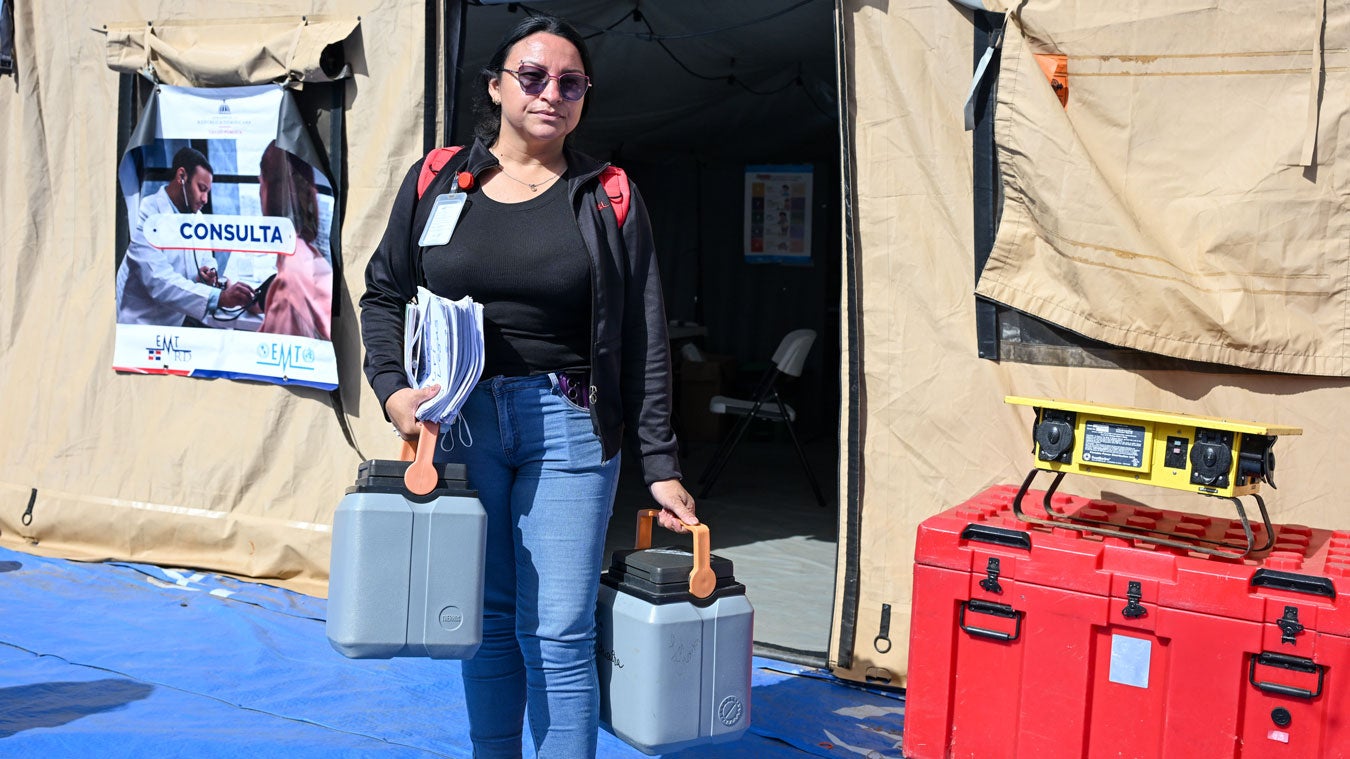
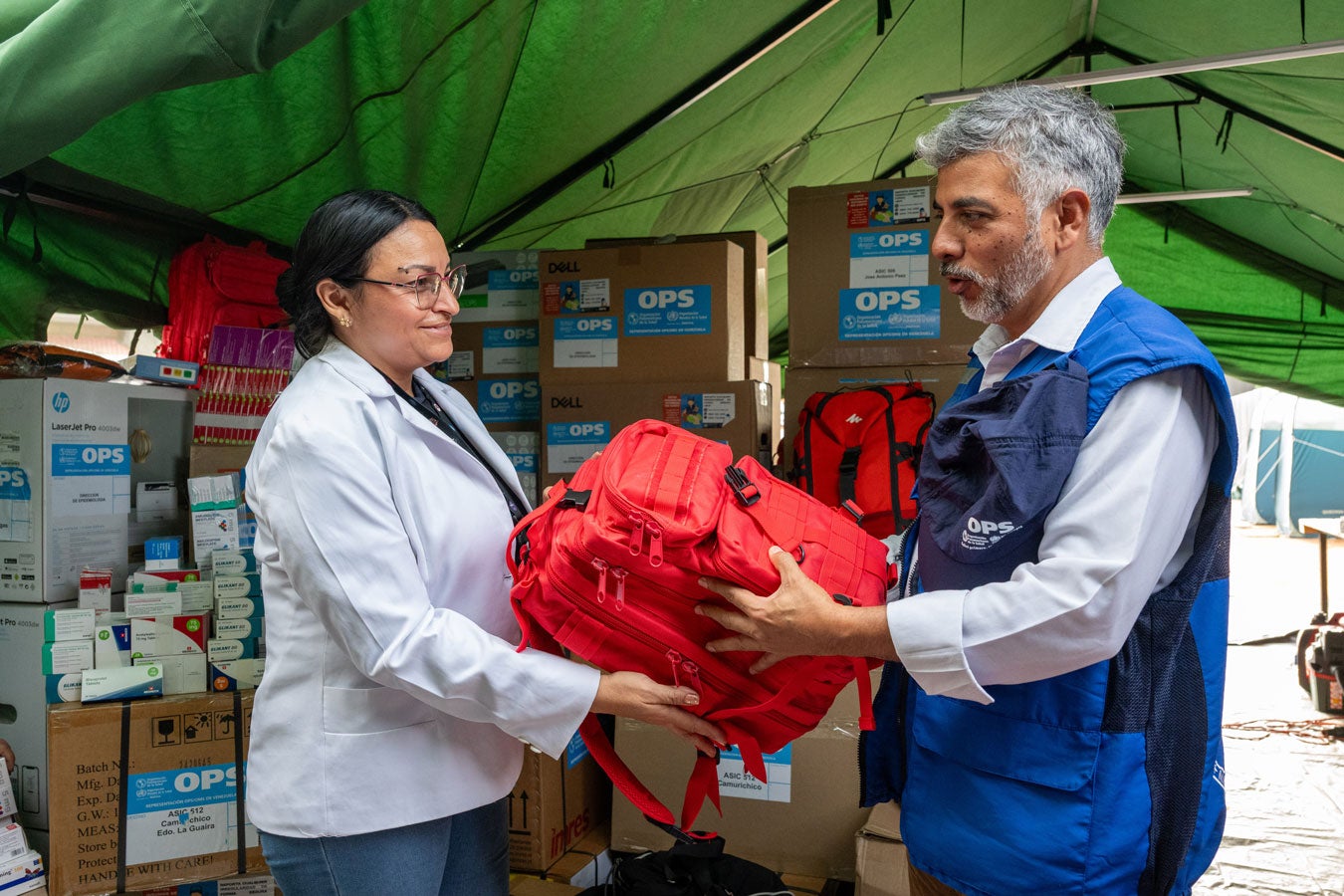
As part of this effort, PAHO/WHO delivered 30 medical and survival backpacks for epidemiologists like Auris, as well as 14 computers for epidemiology teams and the nine Comprehensive Community Health Areas (ASICs) in La Guaira. The Organization also supported the establishment of an epidemiological surveillance command center to strengthen health information analysis and monitoring.
The backpacks allow surveillance teams to conduct investigations and collect samples directly in affected communities, while the computer equipment accelerates data consolidation and analysis, supporting faster, evidence-based decision-making.
Today, Auris wears a medical backpack on every visit. Inside are essential medical supplies and the tools she uses to investigate health events and collect samples in affected communities.
Auris is a nurse by training and has devoted much of her life to public health. She worked for years in a variety of clinical settings—from primary health care and emergency services to surgical care—before joining the epidemiological surveillance program. That was when she discovered a different way of caring for people: by getting to know communities and gaining a better understanding of the conditions in which they live.
“It was love at first sight. I realized that epidemiology helped me understand how people live and why diseases affect communities in different ways,” she recalls.
Today, she coordinates epidemiological surveillance for Comprehensive Community Health Area (ASIC) 508 in the parish of Urimare. Her many years of experience were put to the test when the earthquakes struck Venezuela.
Auris was home alone when the earthquake hit. Within minutes, she lost communication with her family, her house was damaged, and she had no idea whether her only daughter—a physician working at a rural health clinic in the mountains of La Guaira—was still alive.
“It was terrible. The power went out, everything was completely disconnected, and no one knew where anyone was. All I wanted was to find my daughter,” she recalls.
With the help of a young man who took her on a motorcycle, she traveled through communities. Along the way, Auris saw damaged buildings, piles of rubble, and communities struggling with the aftermath of the earthquake. When she reached her daughter’s clinic, she was not there. Her daughter was already responding and caring for families affected by collapsed homes.
Before she was able to reunite with her daughter, Auris too joined the emergency response. As communications were gradually restored, she contacted the state epidemiology coordination team and began conducting field assessments to identify damage and health risks in the affected areas.
Two days after the earthquake, she finally found her daughter.
“We both burst into tears. We had each been helping other people without knowing whether the other was safe,” she remembers.
The emergency also took a heavy toll on her team. Several staff members lost their homes, and of the nine professionals under her supervision, only two were able to continue working immediately.
“I was left practically without a team. Many had lost everything, and the fear was so overwhelming that they decided not to return.”
With severely reduced operational capacity during the first week, Auris was responsible for epidemiological surveillance across several parishes. She traveled through communities and temporary shelters, investigated health events, and gathered information to guide the response.
Her work helped identify needs in affected communities and generated critical information to guide public health actions during the first weeks of the emergency.
“I knew exactly what my job was. I knew what information needed to be collected, and I couldn't wait.”
The emergency also transformed the lives of those responding to it. While helping families who had lost their homes, Auris and her team were also dealing with their own losses.
“You never stop being a nurse. If someone needs a wound treated, emotional support, or simply someone to listen, we do that too.”
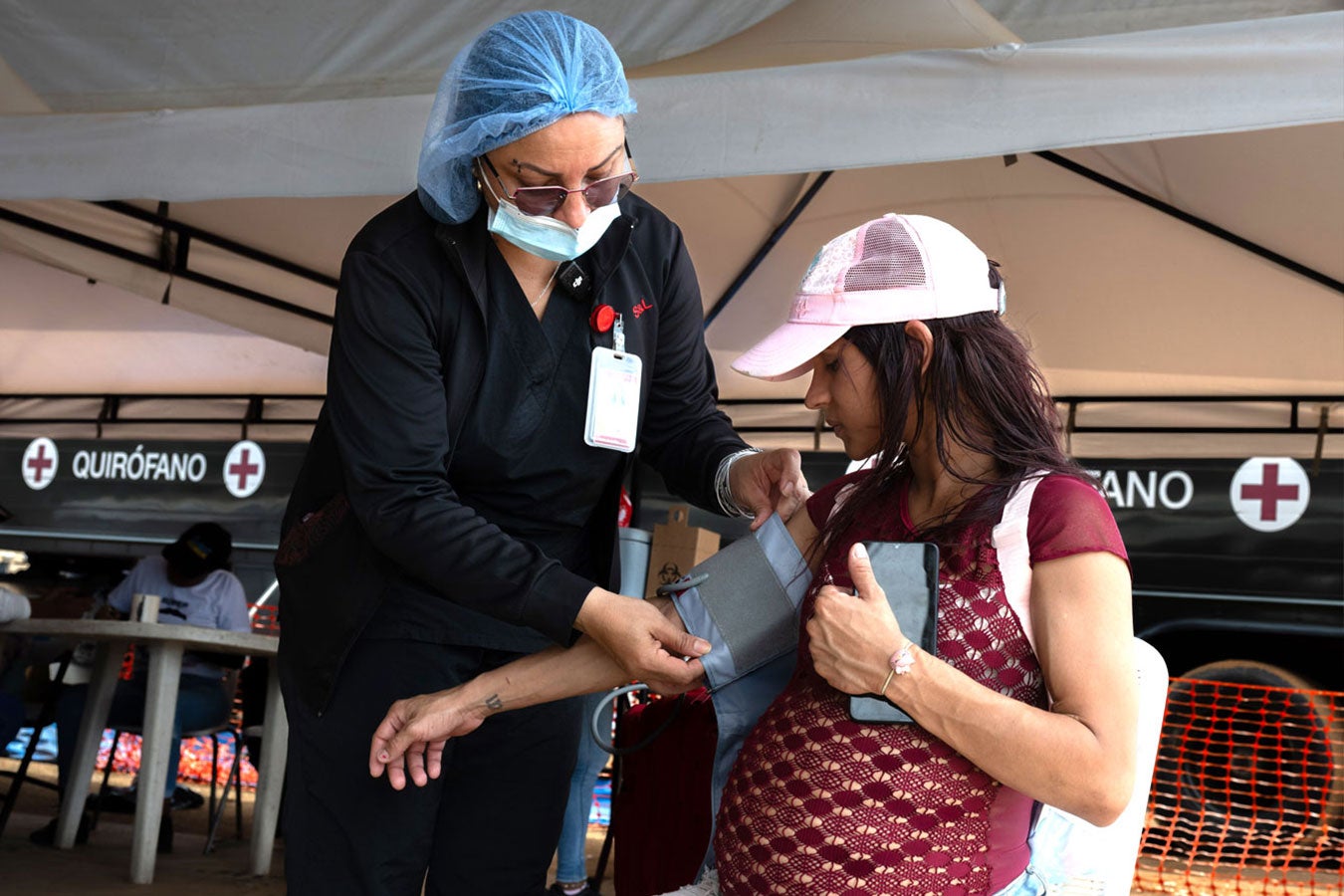
As the weeks passed, the response shifted from addressing the immediate emergency to maintaining continuous surveillance of public health risks. During this phase, technical assistance from PAHO/WHO and the Ministry of Health focused on strengthening capacity so that health teams could continue surveillance of health risks.
Although much of its work takes place far from hospitals, epidemiological surveillance is one of the first lines of defense for protecting public health after an emergency.
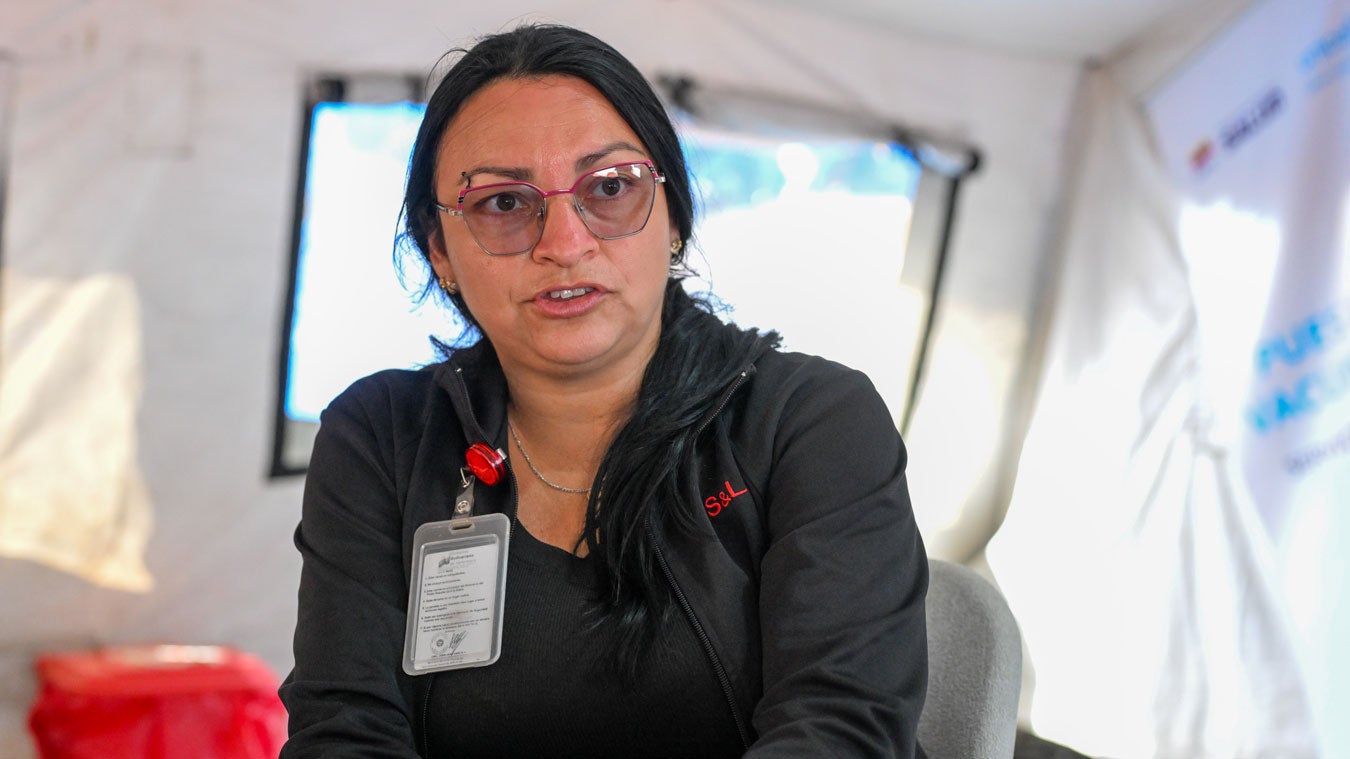
“Epidemiology is about observing everything—how people live, what they eat, who they live with. You have to look at everything. You have to monitor everything,” Auris explains.
PAHO/WHO, together with the Ministry of Health, also supported the delivery of medicines to the ASICs and a state health center to ensure continuity of care for people living with chronic diseases, as well as supplies to strengthen mental health services.
“In an emergency, strengthening the capacity of teams working in the field is essential. These deployment kits, technological tools, and medicines enable the ASICs to continue identifying needs, strengthening surveillance, and supporting affected communities,” explained Liz Parra, advisor with the PAHO/WHO Health Emergencies Program and coordinator of the emergency response in Venezuela.
These actions are strengthening the country's public health surveillance system and future capacity to respond in an emergency.
As La Guaira continues to recover, Auris walks through the temporary shelters carrying the same backpack she received at the start of the response. She observes, listens, collects samples, and records the information.
“You have to look at everything,” she says. For Auris, epidemiological surveillance is not just counting cases, it is about avoiding the next public health emergency.