—May 2026 —
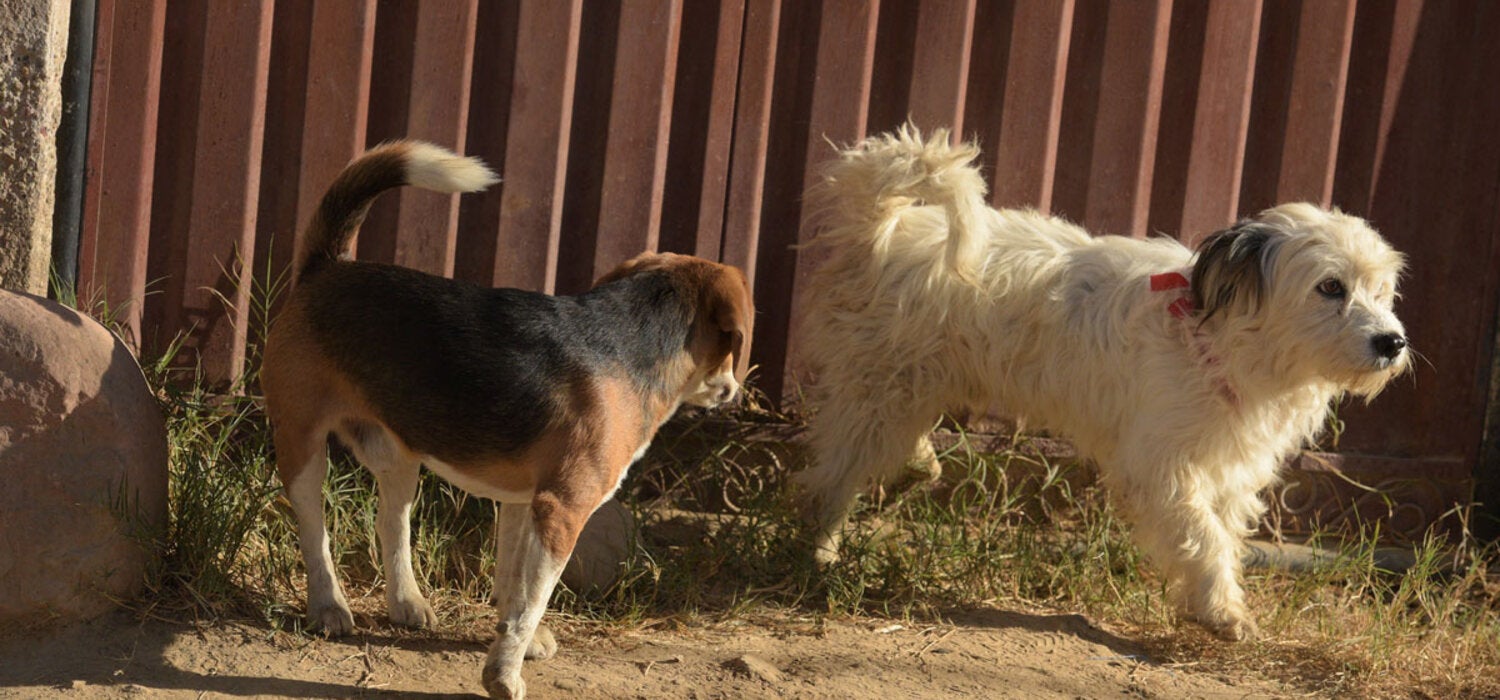
In Sucre, Bolivia, dogs are part of everyday life. They wander through markets and neighborhoods, following familiar routes from one block to the next. Many are not truly stray, they return home at night, where someone feeds them, and neighbors often watch over them.
Unlike feral dogs, which are typically avoided, these “community dogs”—common across many cities and villages in Latin America—are sometimes even clothed in sweaters during the winter months. Yet they belong to no one in particular.
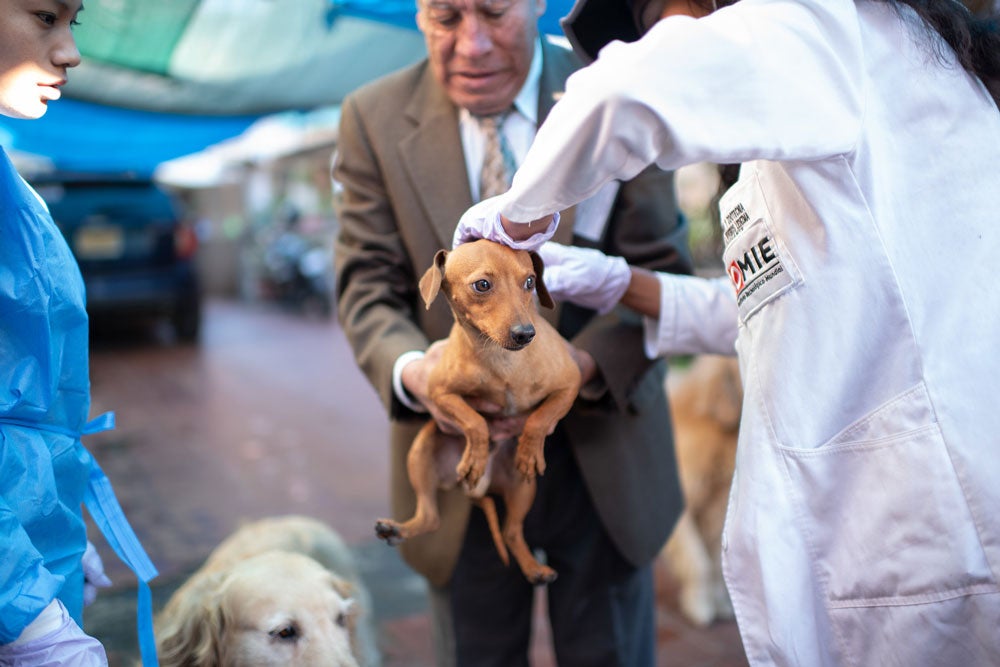
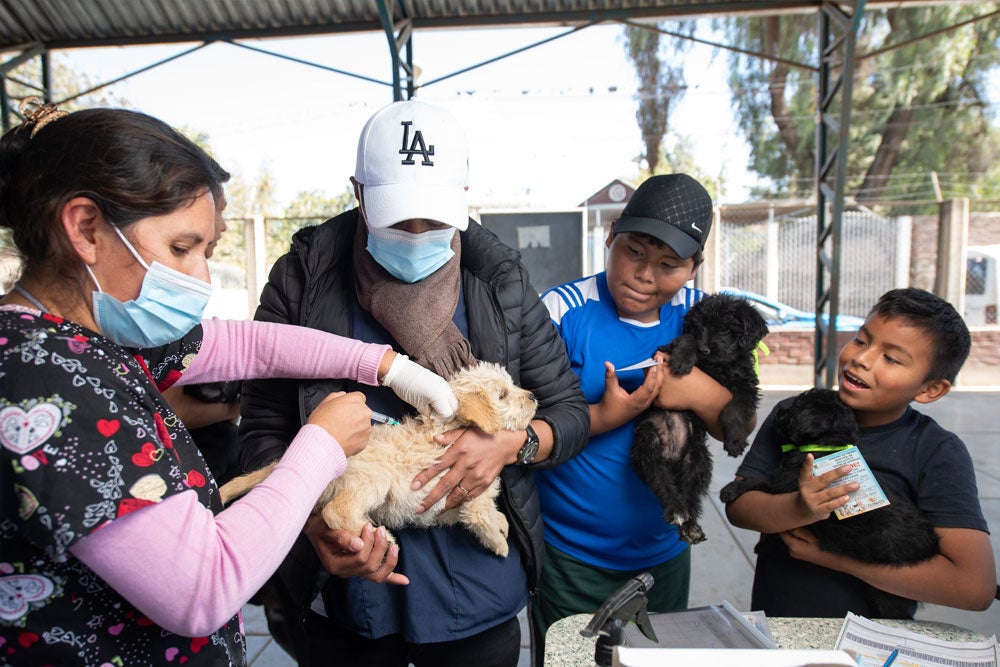
This way of living alongside dogs is shaped by habit and culture, but it creates a challenge. Without a single owner responsible for each animal, rabies vaccination becomes uneven and difficult to track. In areas where this mortal disease persists, even a small number of unvaccinated dogs can allow the virus to continue circulating.
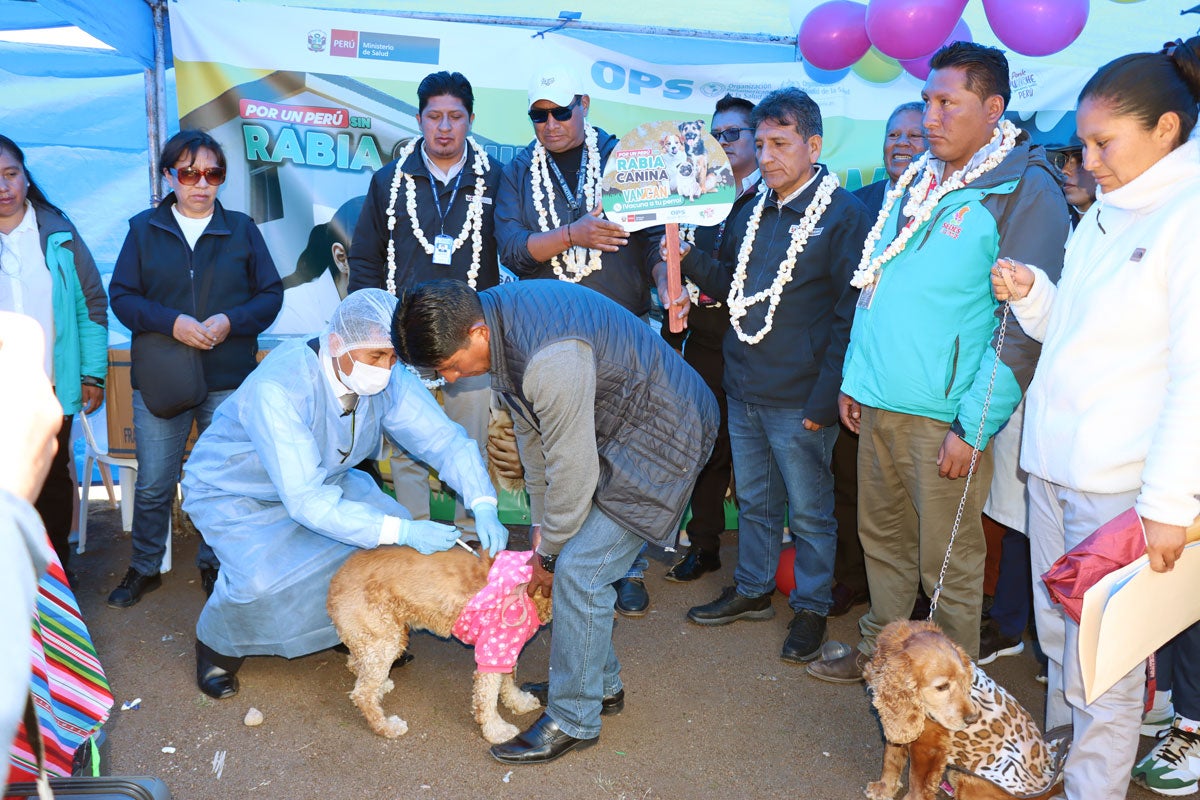
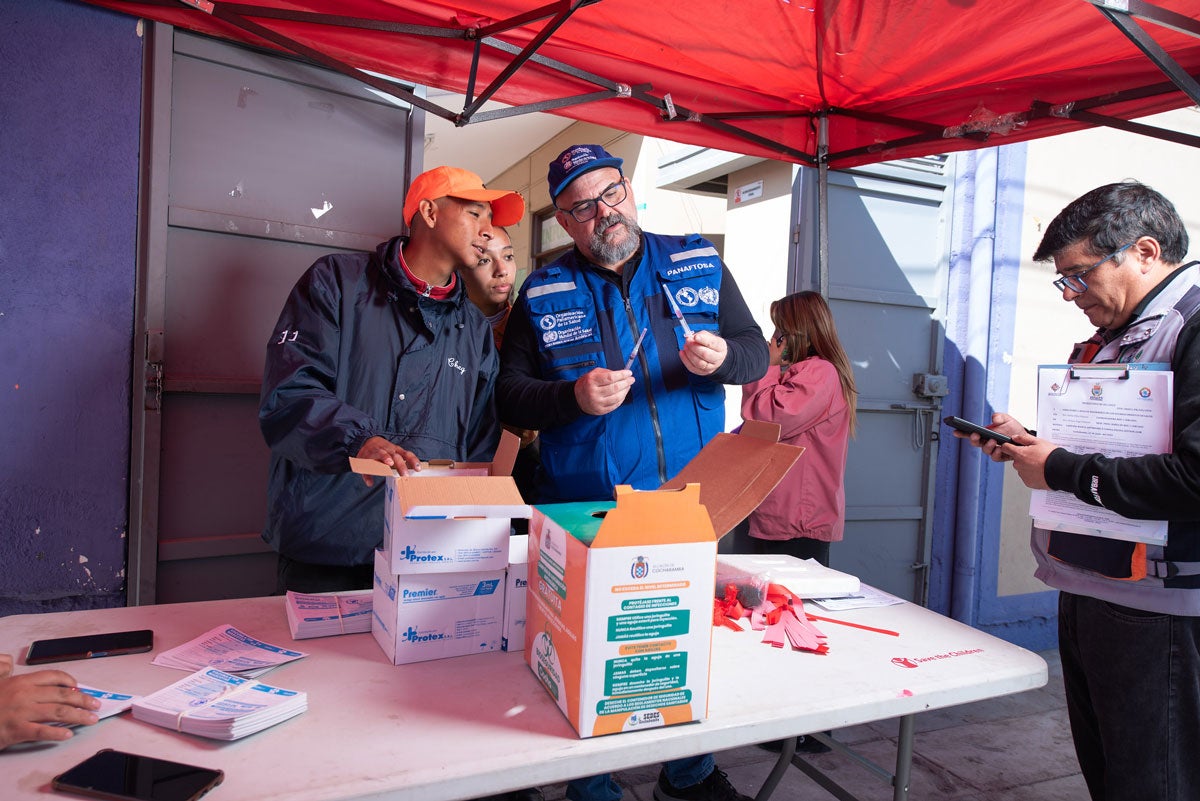
Rabies remains endemic in Bolivia and southern Peru. Over the past five years, both countries have reported more than 180 cases of canine rabies. Through the Cooperation Among Countries for Health Development (CCHD)—a project supported by the Pan American Health Organization (PAHO) and its specialized center, PANAFTOSA—the two countries are working together to strengthen detection, surveillance, prevention, and control.
Rabies is a zoonotic disease with a fatality rate of nearly 100%. It is estimated to cause around 59,000 deaths globally each year, about 40% of them in children under the age of 15. Between 2013 and 2022, 31 human deaths were reported in Bolivia, and over the past three years, only four cases have been notified.
“The dog that transmits rabies is the one that has contact with people—the one that comes and goes, in the streets with no formal owner,” explains Marco Vigilato, Advisor for Zoonotic Diseases and Veterinary Public Health at PAHO. “Risk perception is one of the biggest challenges. If people do not perceive the risk, they will not support vaccination services or report the death of a dog.”