Roots of Resilience: Caribbean Youth Lead the Climate-Health Movement
Roots of Resilience: Caribbean Youth Lead the Climate-Health Movement
Put simply, Caribbean youth are stepping up! Not just as future leaders, but as present-day agents of change in the face of rising seas, sweltering temperatures, and intensifying storms. Youth Ambassadors in Antigua and Barbuda and Barbados are advancing innovative youth-led solutions that tackle one of the region’s most urgent challenges, climate change and health.
— September 2025 —
Restoring Nature, Rebuilding Knowledge in Antigua and Barbuda
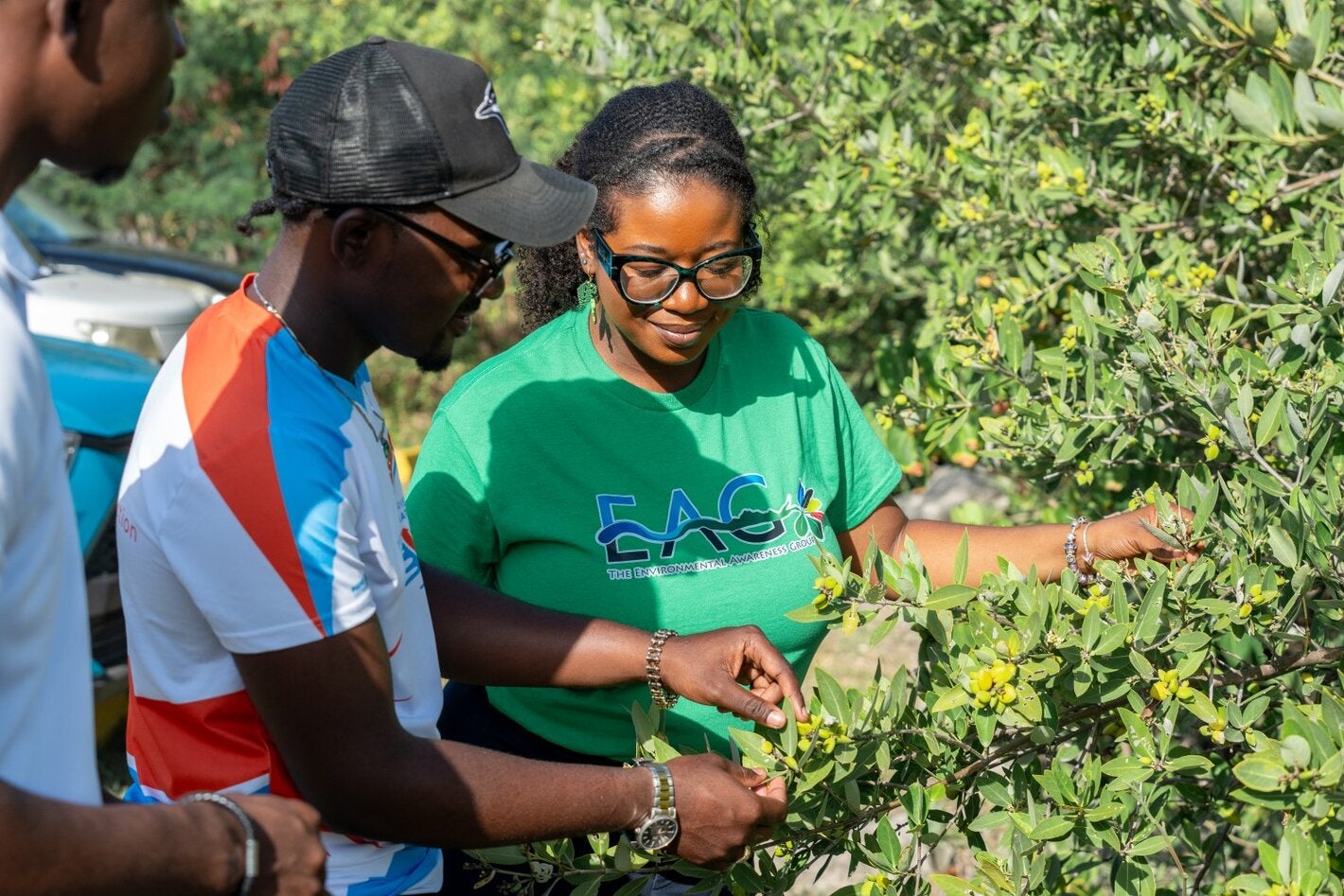
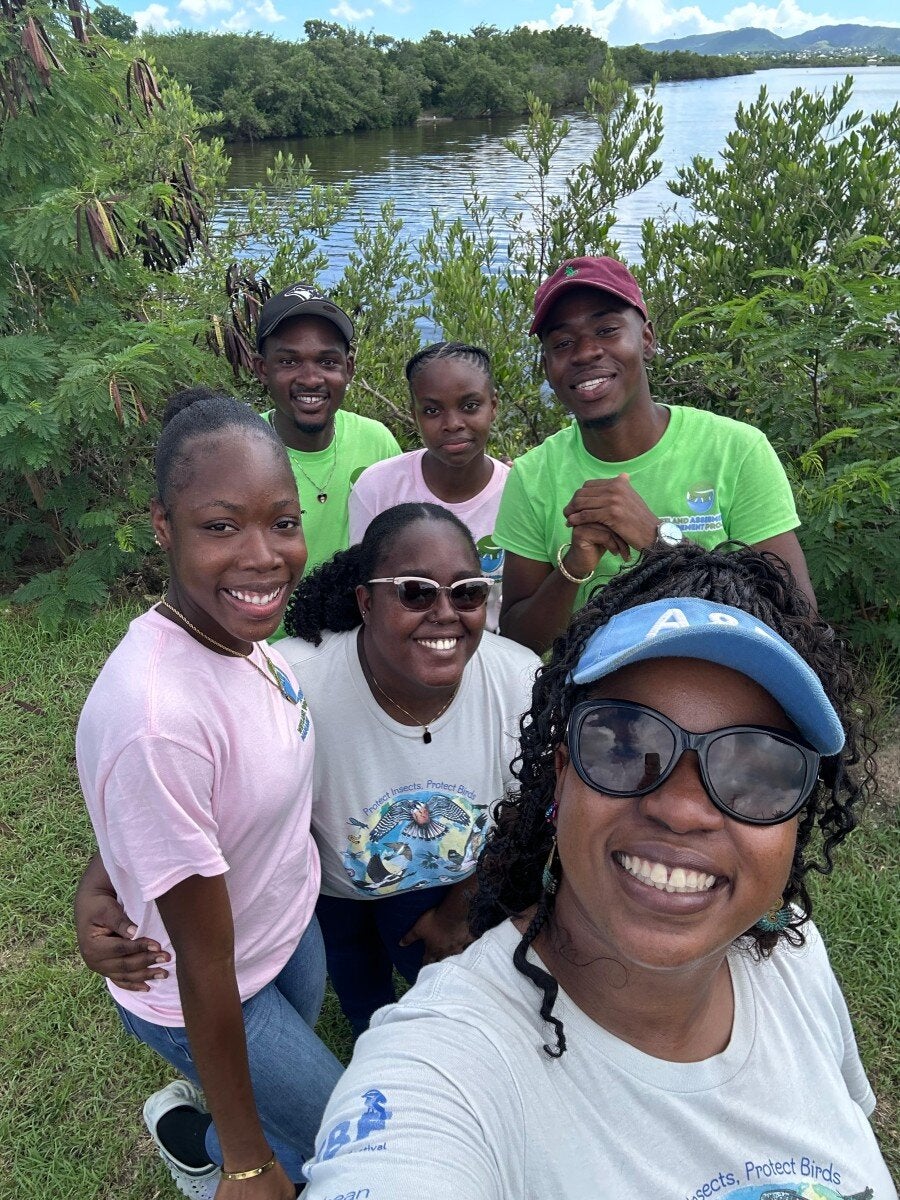
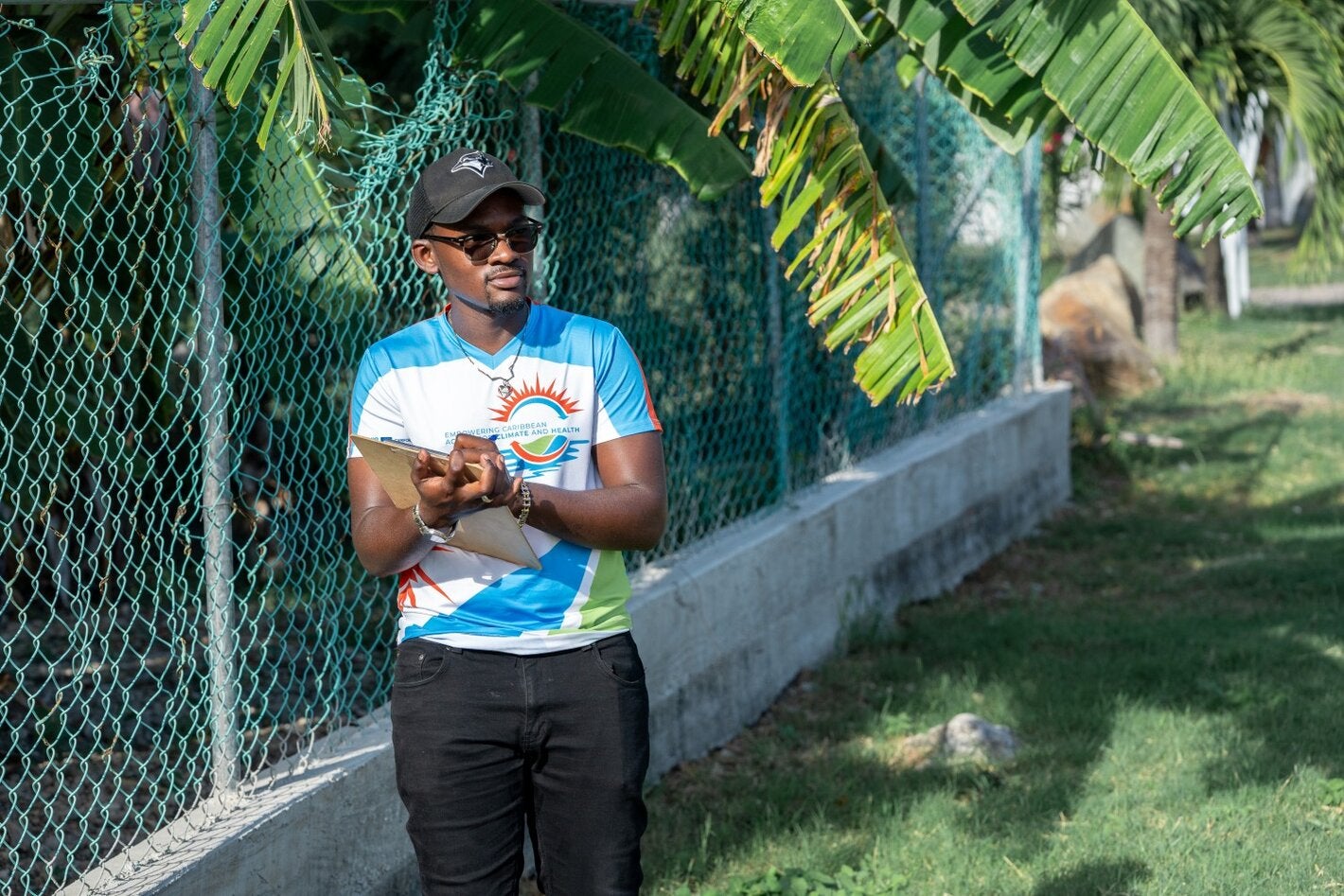
In Antigua and Barbuda, CARICOM Youth Ambassador Esquire Henry is spearheading a grassroots project with far-reaching impact called the Wetland and Coastline Assessment and Management Project (WAMP). It is an initiative centred on mangrove restoration and youth education to ensure that younger generations in Antigua understand the importance of safeguarding mangroves. “Mangroves are one of the most important ecosystems that we often overlook… they protect our coastlines from hurricanes, disrupt heavy waves, provide food, and serve as habitats for species.”
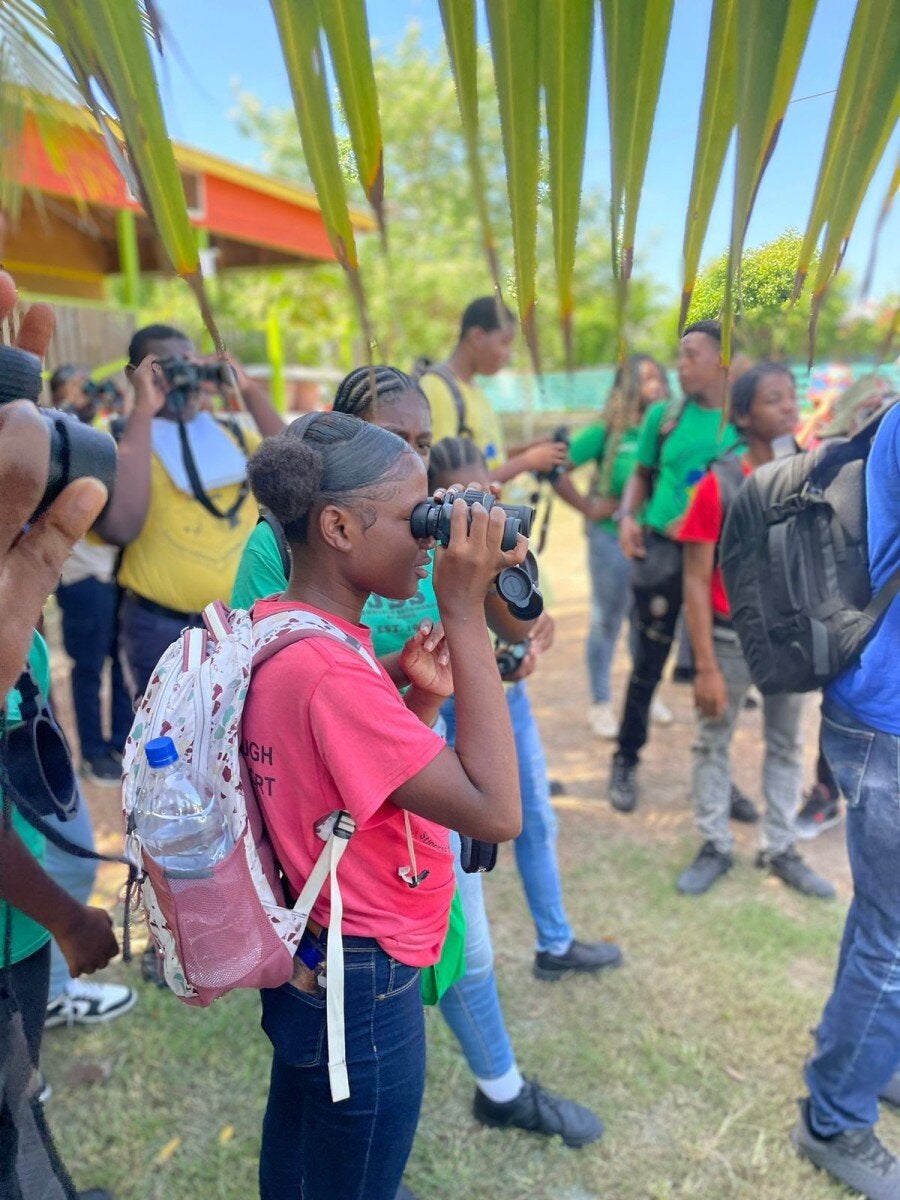
With WAMP supporting student-led conservation projects and bringing young people directly into these coastal ecosystems, Youth Ambassador Chrysean Jarvis who works with Henry on the project noted that “it started off in a realistic, real-life experience inside the mangrove, and then we took [the students] into the classroom to learn more”. To this point, they have engaged students in hands-on field visits from seven schools; six in Antigua and one in Barbuda.
The transformative experience for the students was not lost on Shanna Challenger, the Coordinator of the Offshore Islands Conservation Programme who worked on the WAMP project as well. She recalls the wide-eyed wonder of students for the first time spotting the Magnificent Frigatebird, which is the country’s national bird and is also known as the Man o’ War. She affirmed that WAMP is more than just wonder, it sets out to foster climate action amongst the youth. “We’re able to increase their appreciation for these species… seeing the threats, illegal dumping, enforcement gaps… and getting them to really see what’s happening in their own backyards and feel empowered to take action to preserve it.”
Growing Resilience, One Garden at a Time in Barbados
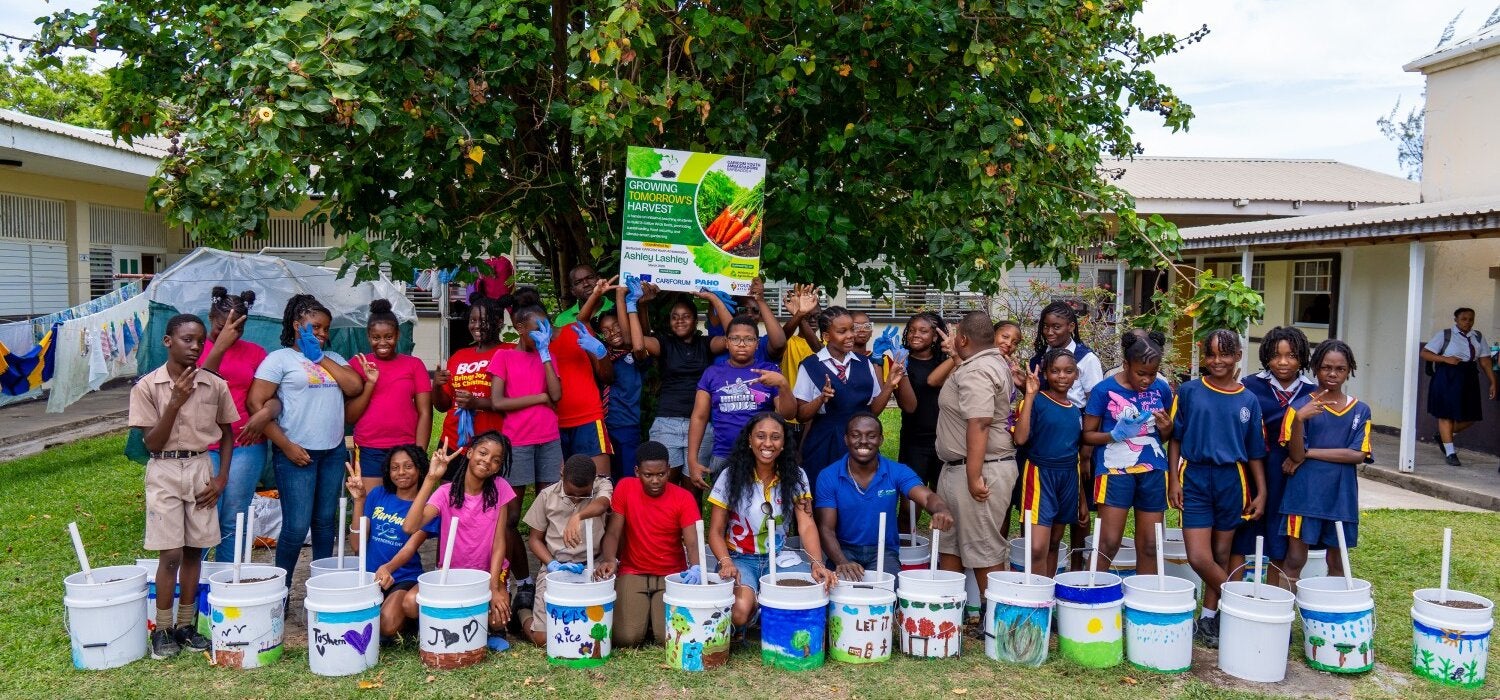
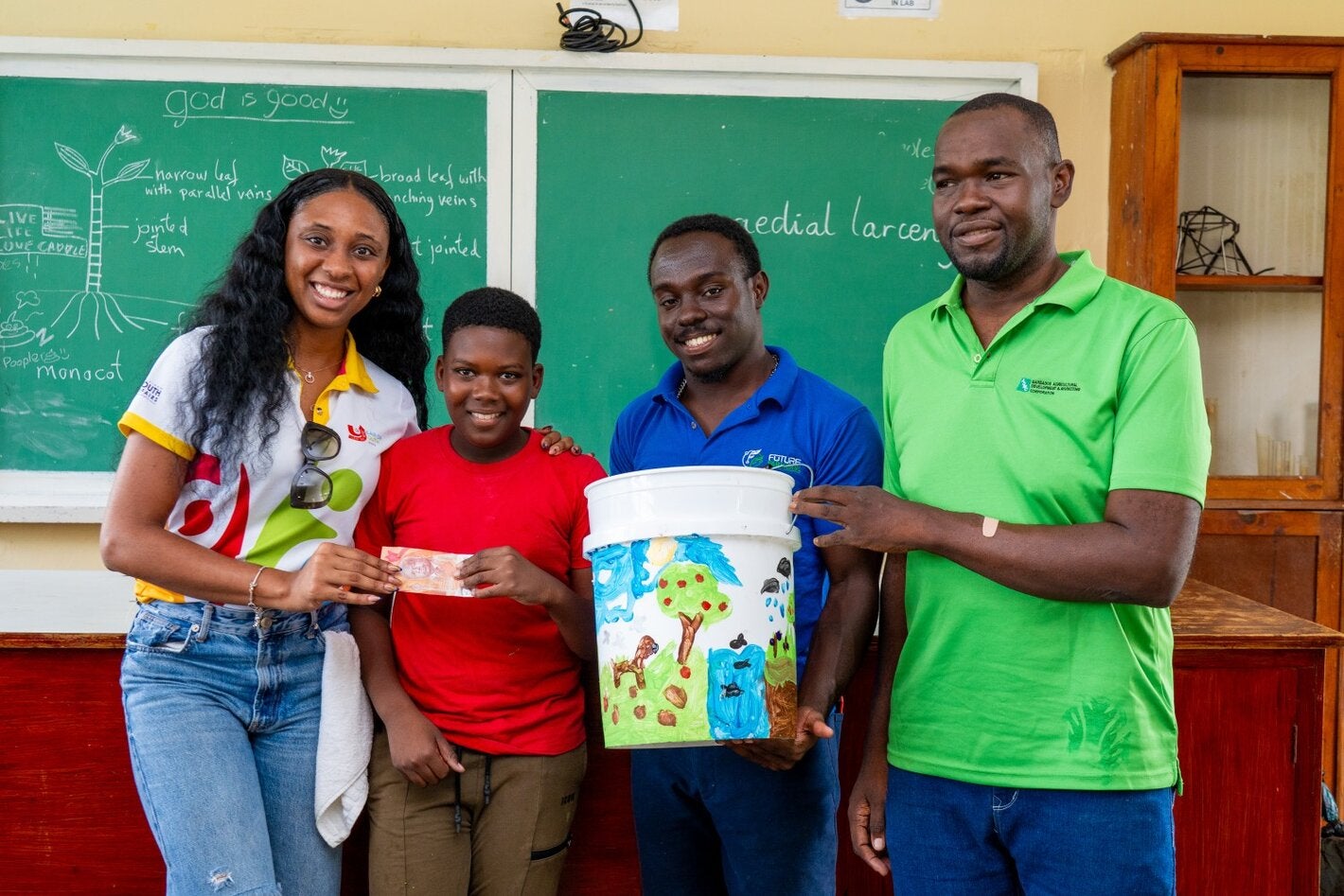
On the island of Barbados, a different seed is being sown; one that links agriculture, food security, and healthy living. The “Growing Tomorrow’s Harvest” project, led by UNICEF Youth Advocate and CARICOM Youth Ambassador Ashley Lashley, introduces students aged 11 to 15 to sustainable gardening practices.
“Many schools in Barbados are not practising agriculture,” Lashley explains. “So we introduced students to how to maintain gardens, start agriculture clubs in schools, and understand that growing your own food contributes to healthy eating practises and healthy choices” Going beyond just nutrition, the project encourages young people to see agriculture as a viable career path and a tool for resilience in the face of climate-induced food insecurity. “The first thing kids asked us is, ‘Can we make money in agriculture?’ And we told them, yes, but more importantly, it’s also about your health and sustainability”
The programme is underpinned by strong institutional support. “The project could not have been a success without the support of the Pan American Health Organisation and other partners,” Lashley acknowledges Their involvement signals a growing recognition that food systems and health systems must adapt together if the region is to weather climate change.
Bridging Gaps in Awareness
By experiencing climate impacts firsthand; whether through mangrove decay or food system challenges; youth are beginning to draw the linkages for themselves.
As the Caribbean Action Plan on Health and Climate Change nears its renewal, the voices of young ambassadors like Lashley and Henry are shaping a new narrative; one where youth are not merely beneficiaries of climate-health interventions but designers and drivers of them.
Their work echoes the GCF Caribbean Readiness project’s emphasis on local, youth-driven, community-centred responses. By anchoring global health goals in everyday school gardens and coastal cleanups, these young leaders are ensuring that the Caribbean’s fight for climate resilience begins not in ministries or boardrooms; but in the hands of its next generation.