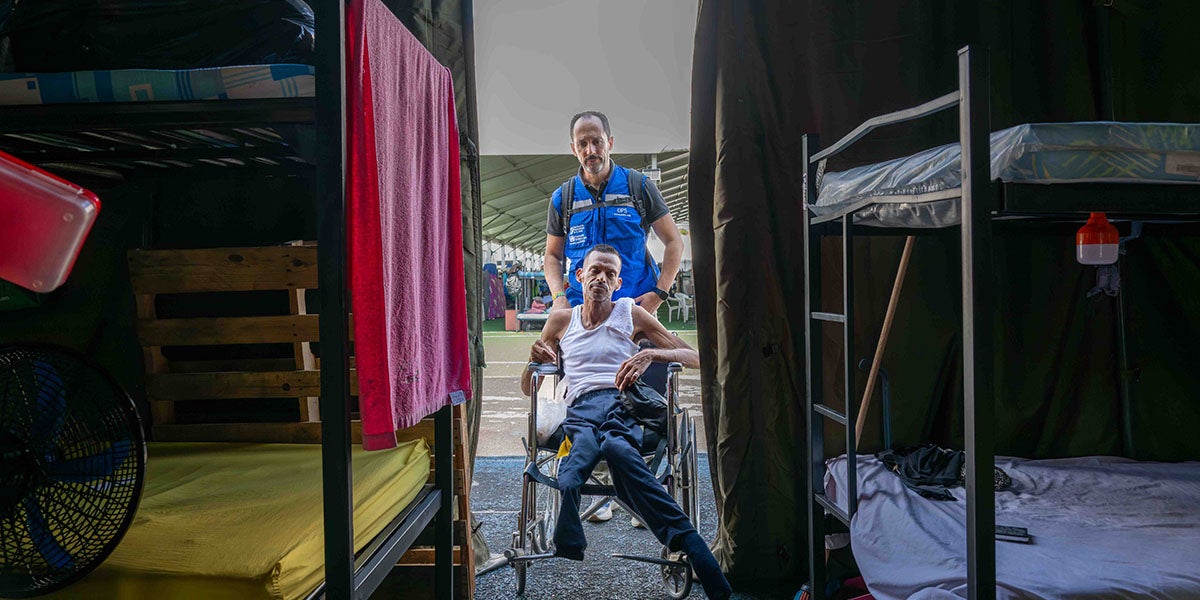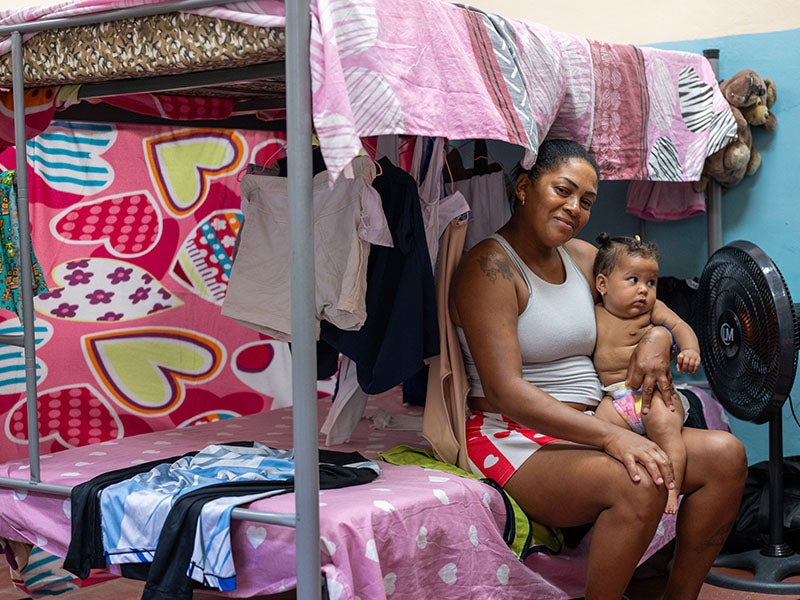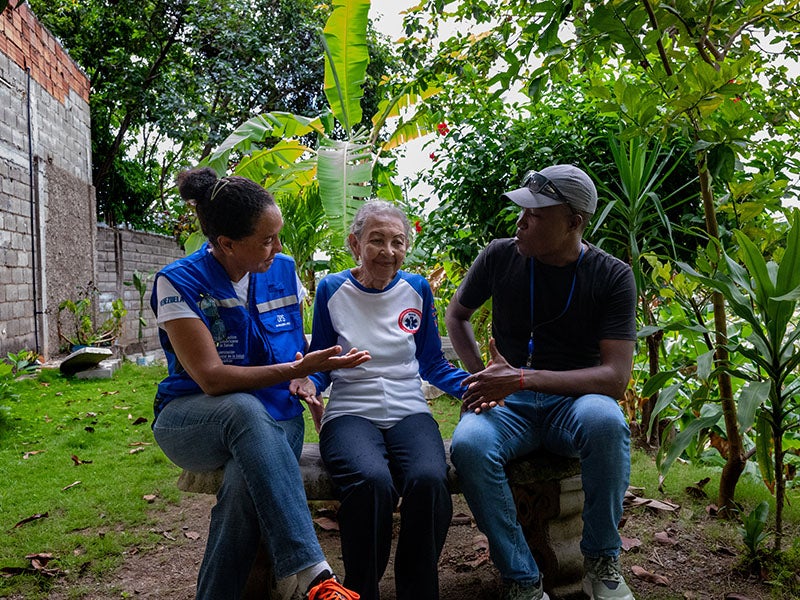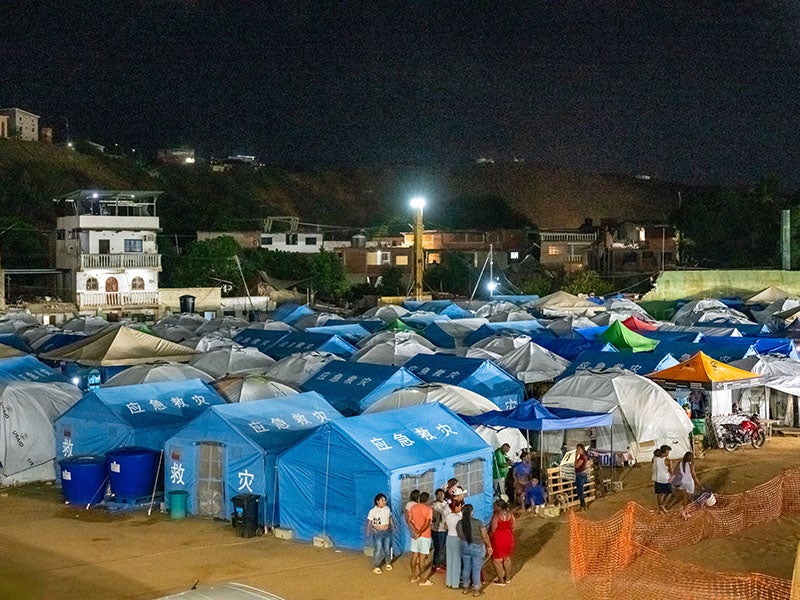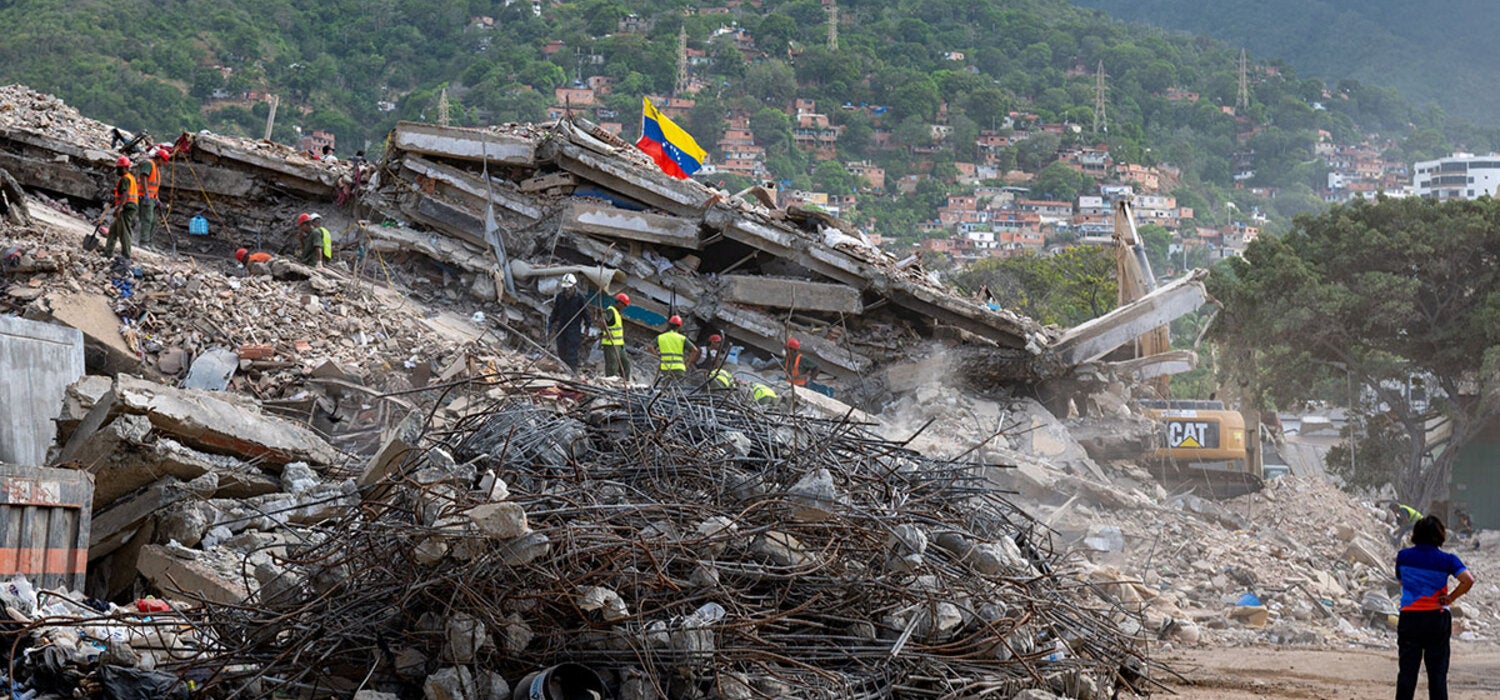
Two months after the earthquakes that struck north-central Venezuela on June 24, thousands of people continue to face emergency conditions. These images show how, under the leadership of national authorities and with support from the Pan American Health Organization/World Health Organization (PAHO/WHO) and other partners, the health response has evolved from immediate emergency care toward restoring health services and supporting communities as they work to rebuild their lives..
— Caracas, Venezuela, August 26, 2026 —
The day the earth changed everything
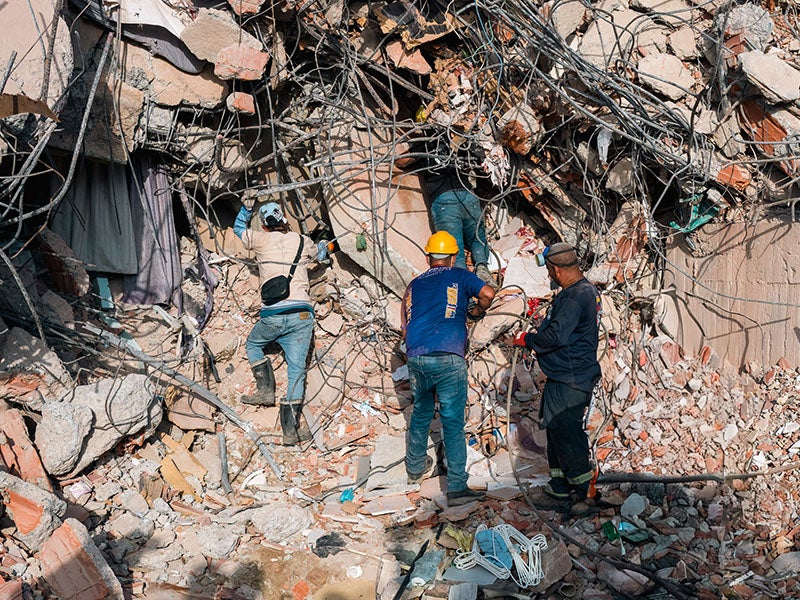
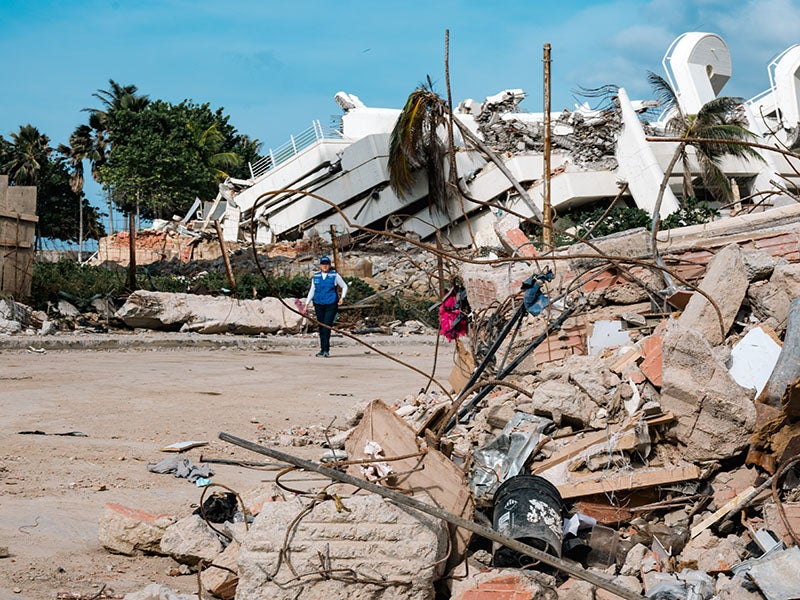
More than 712,000 people were living in municipalities that experienced the strongest shaking, where according to Venezuelan authorities, 190 buildings collapsed and nearly 10,700 homes were classified as high risk, leaving thousands of families without a home.
La Guaira was the hardest-hit area and was declared a disaster zone, with severe damage in communities such as Catia La Mar and Caraballeda. The areas around the capital and the states of Miranda, Carabobo, Yaracuy, and Aragua were also affected.
Two months later, the rubble no longer tells the whole story. The emergency continues for displaced families, health services that need to recover, and people still face the physical and emotional consequences of the disaster. At the same time, health workers, who were themselves affected, continue providing care and supporting the recovery of their communities.
Identifying those who lost their lives
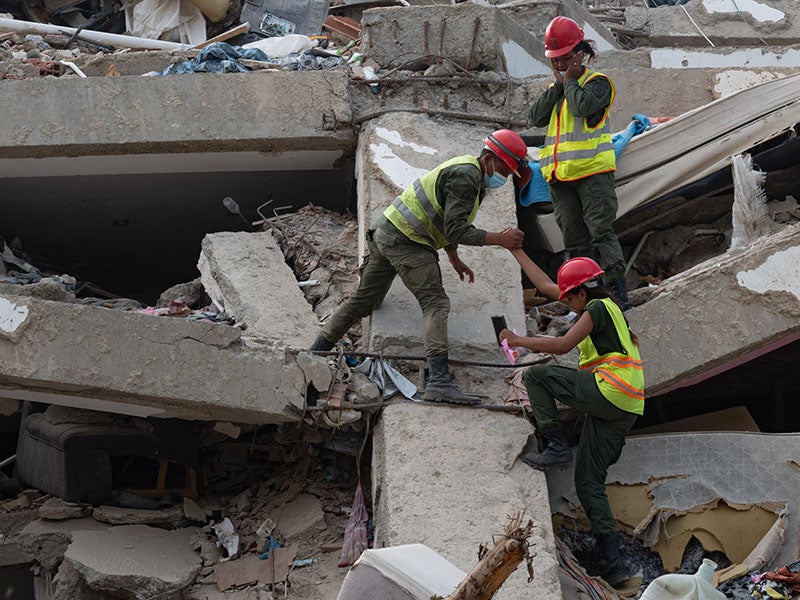
By late August 2026, Venezuelan authorities had reported more than 6,400 deaths as a result of the earthquakes.
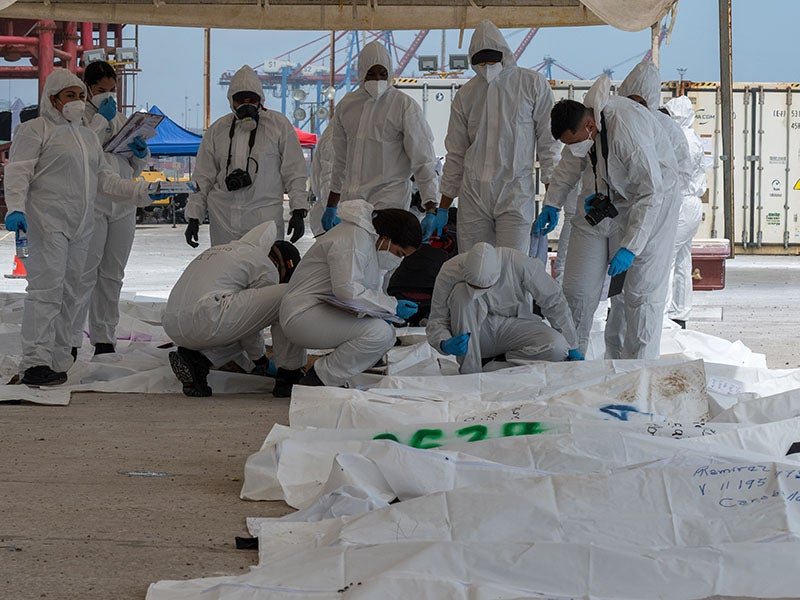
At the port of La Guaira, the Los Silos complex was converted into a temporary morgue, where forensic teams received bodies recovered from collapsed buildings and worked to identify and register them as families came looking for their loved ones.
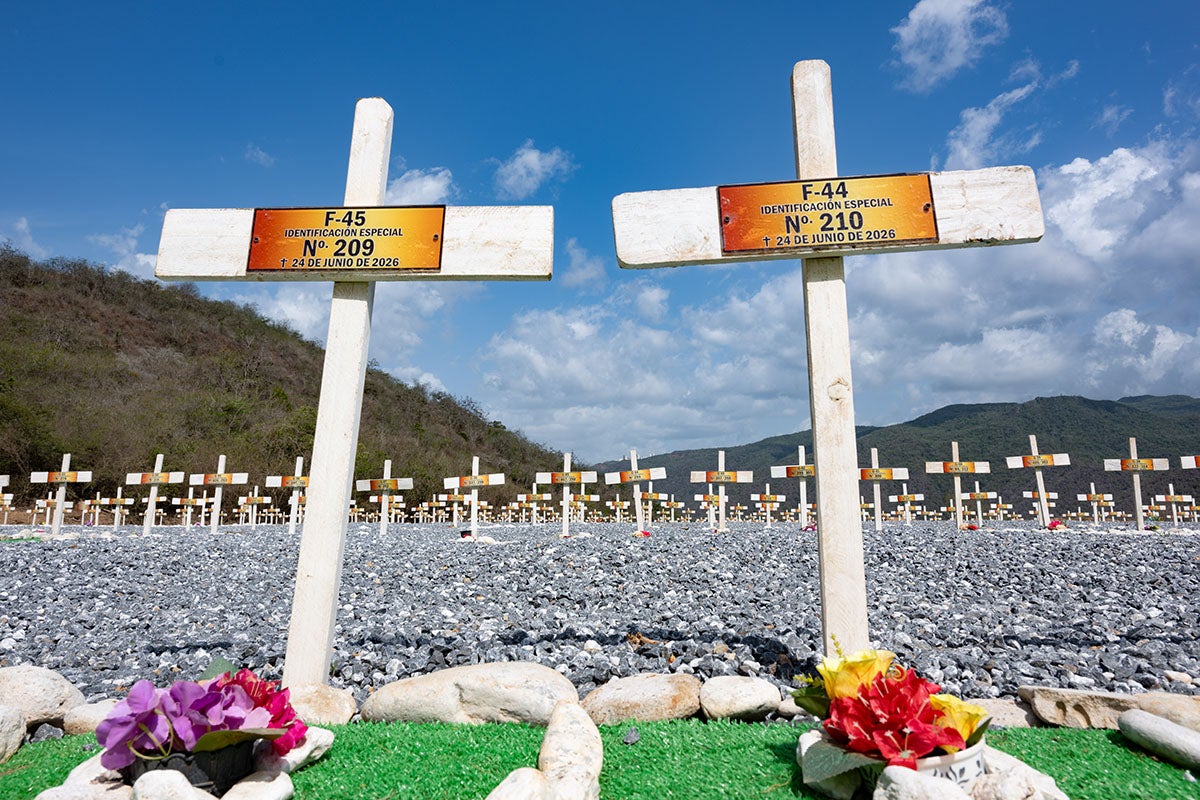
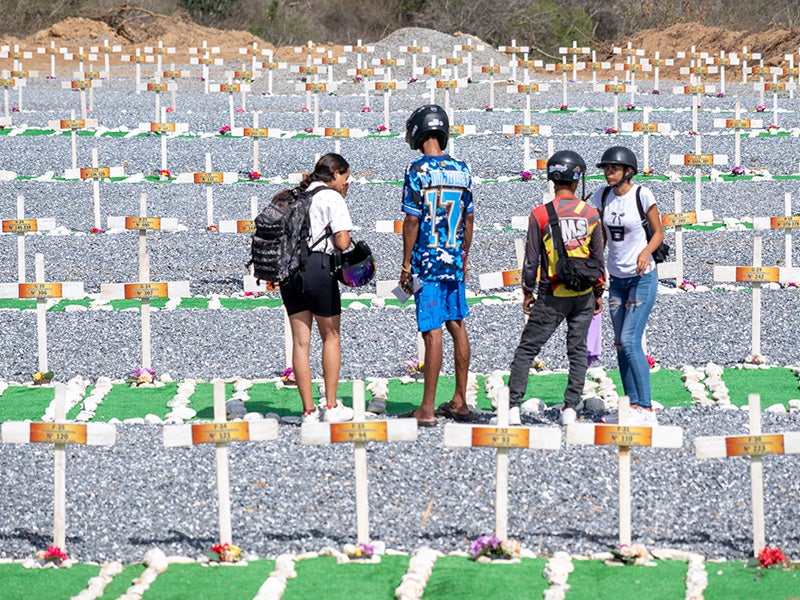
At La Esperanza Municipal Cemetery, which was expanded in response to the emergency, each body was buried under a registration system designed to allow for its subsequent location and identification.
Beyond the numbers, the emergency has left a profound mark on communities that continue to grieve while trying to rebuild their families, homes, and daily lives. The identification and dignified management of the dead, together with support for their families, are also part of the health response and are essential to supporting the grieving process and the recovery of affected communities.
Coordinating the response
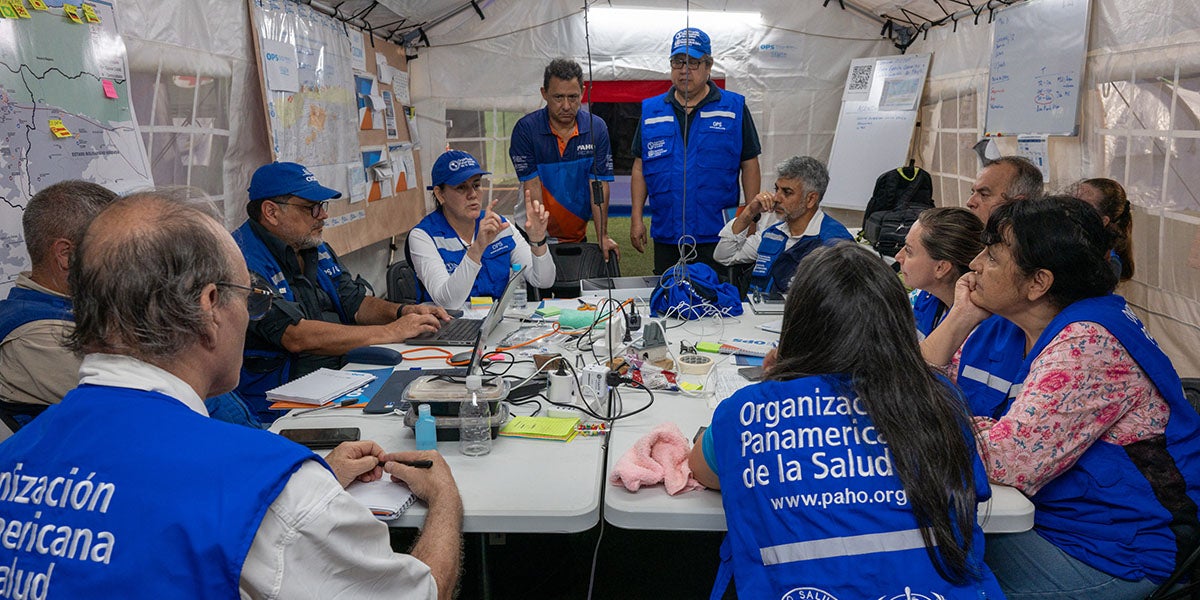
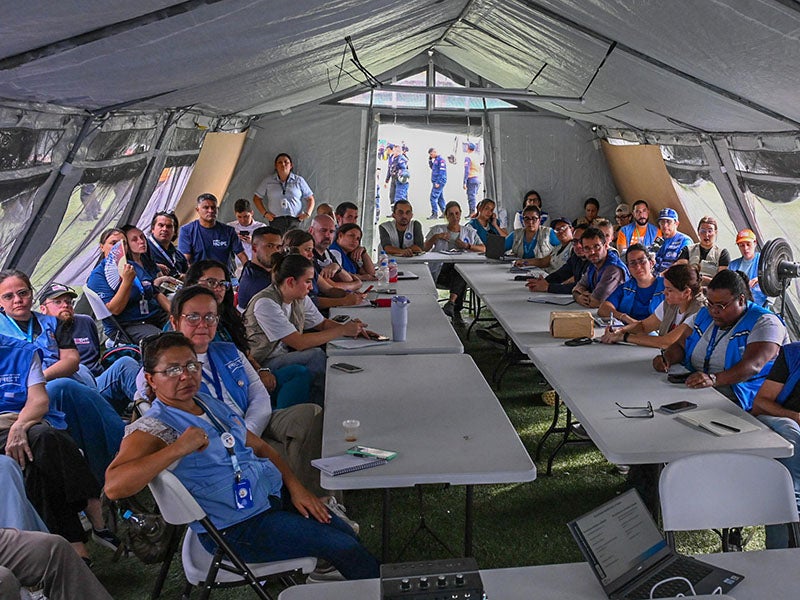
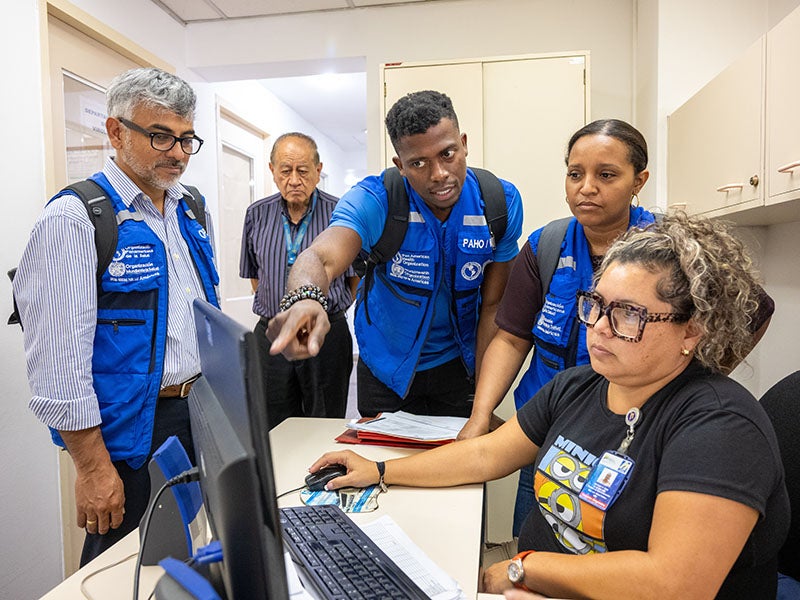
From the first days of the emergency, PAHO/WHO has worked alongside Venezuelan health authorities to coordinate the response and bring together the work of national and international medical teams, epidemiological surveillance, and the prevention and control of public health risks.
Through the Health Cluster and other coordination mechanisms with the Ministry of Popular Power for Health, this work has helped identify needs, share information, and guide how health-sector organizations and partners respond at a time when hospitals and health centers had to meet new needs while continuing to address existing ones.
Coordination also means knowing where support is needed, which services can remain operational, and where additional capacity is required. In this context, coordination has been key to maintaining continuity of health services even as the health system has come under immense pressure.
Supplies where they are needed most
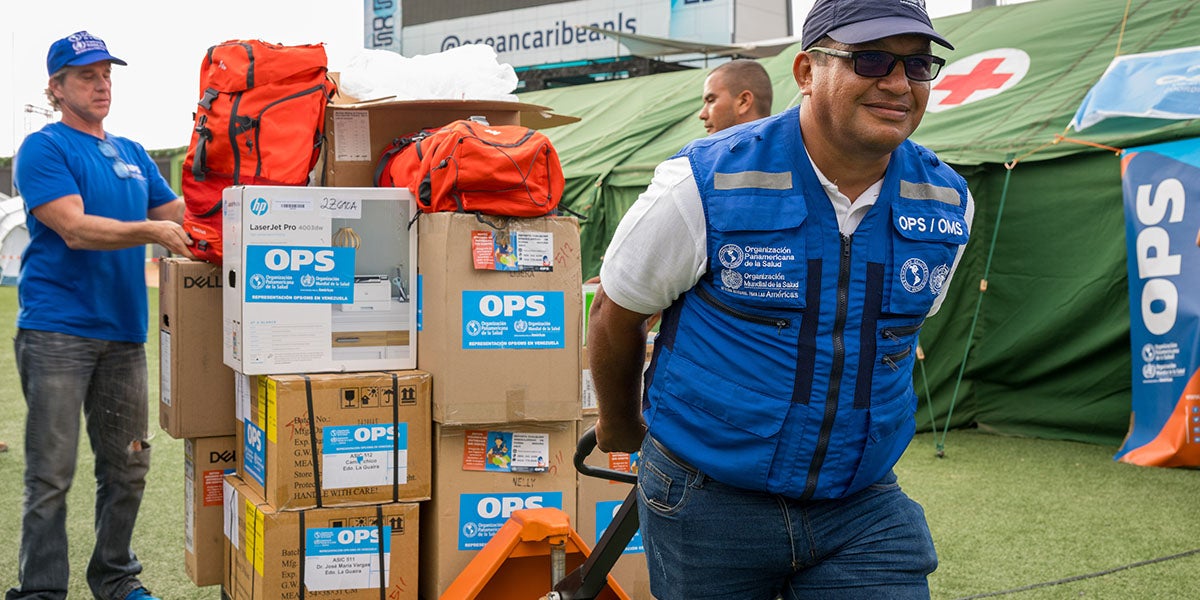
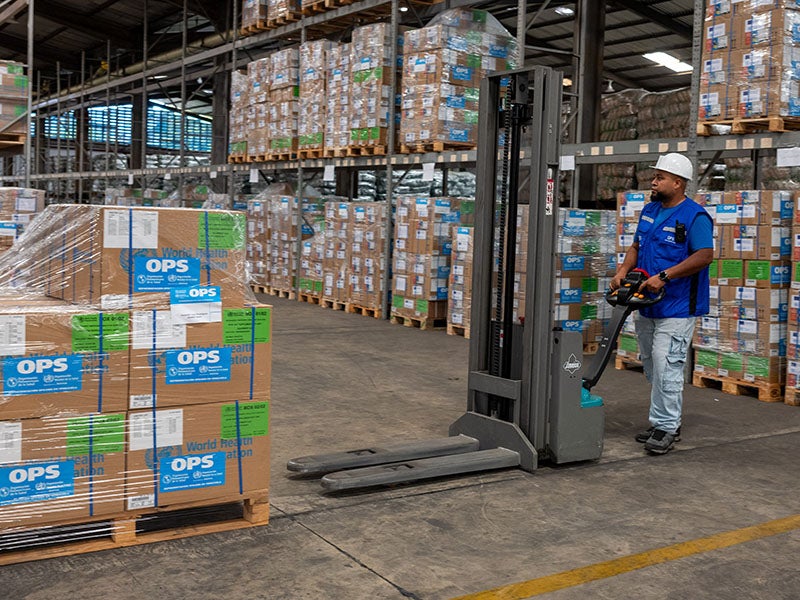
By mid-August 2026, PAHO/WHO had mobilized 40 tons of medicines, medical supplies, and essential equipment to Venezuela to help maintain continuity of health care.
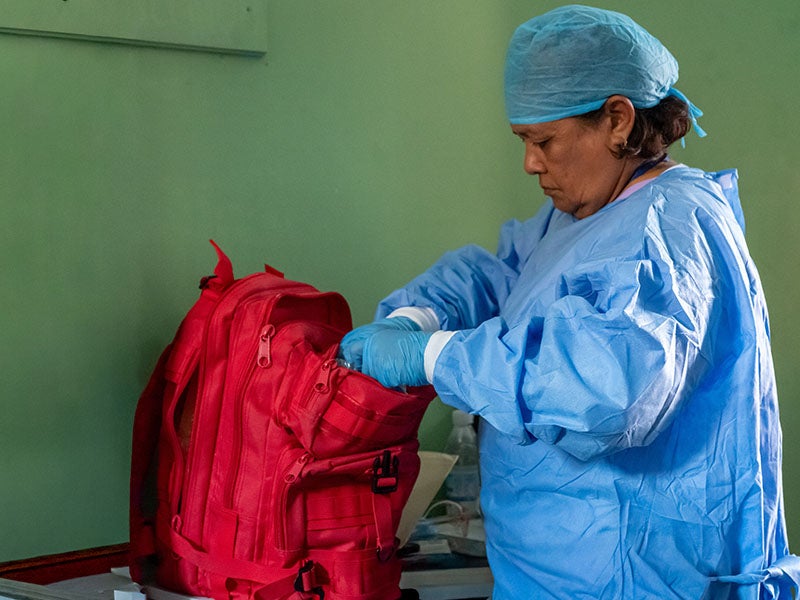
The supplies included emergency medicines, surgical supplies, personal protective equipment, and trauma kits.
In La Guaira, supplies delivered to the nine Comprehensive Community Health Areas (ASICs) helped strengthen primary health care and epidemiological surveillance in the most affected communities.
Each shipment responds to a specific need: keeping a service running, treating someone who has been injured, protecting a health worker, or preventing a disruption in care from becoming a new health risk.
Maintaining care during the emergency
As the first weeks passed, health needs began to extend far beyond injuries caused by the earthquakes.
A total of 38 health facilities were damaged in the three most affected states, reducing the health system’s capacity to maintain essential services.
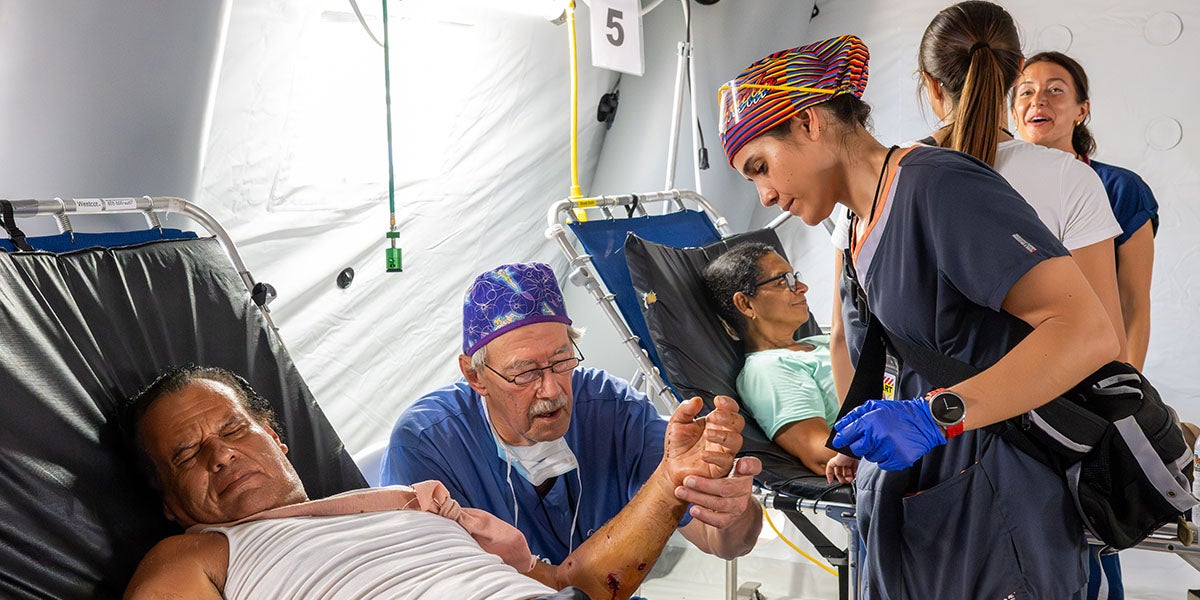
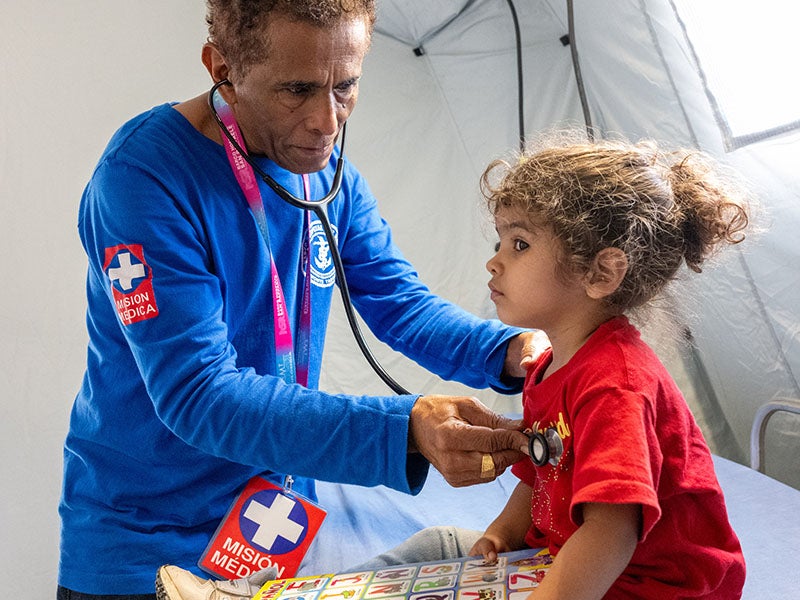
International Emergency Medical Teams (EMTs), coordinated by PAHO/WHO, arrived in the country to expand that capacity and support care for people with chronic diseases, respiratory infections, maternal and mental health needs, among other conditions.
By mid-August, 22 EMTs had provided more than 42,300 consultations and reported more than 1,500 hospital admissions and hundreds of surgical procedures.
Preventing new health risks
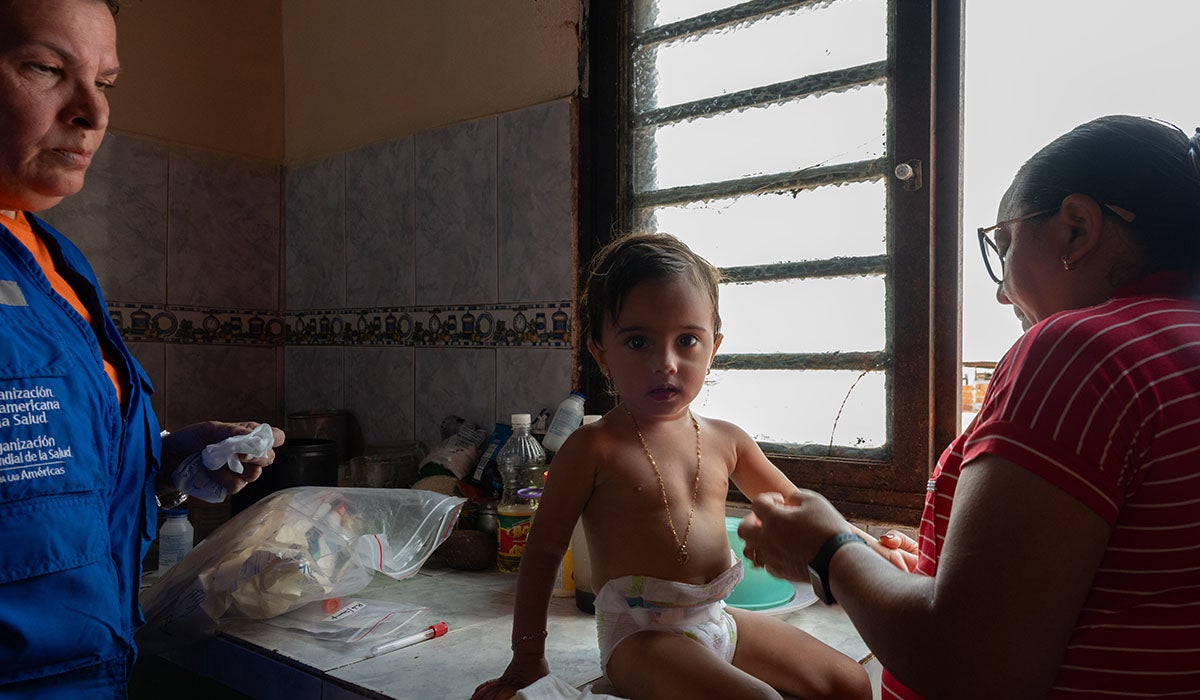
As the response progressed, protecting health also meant preventing new risks associated with displacement, disruptions to basic services, and living conditions in temporary shelters.
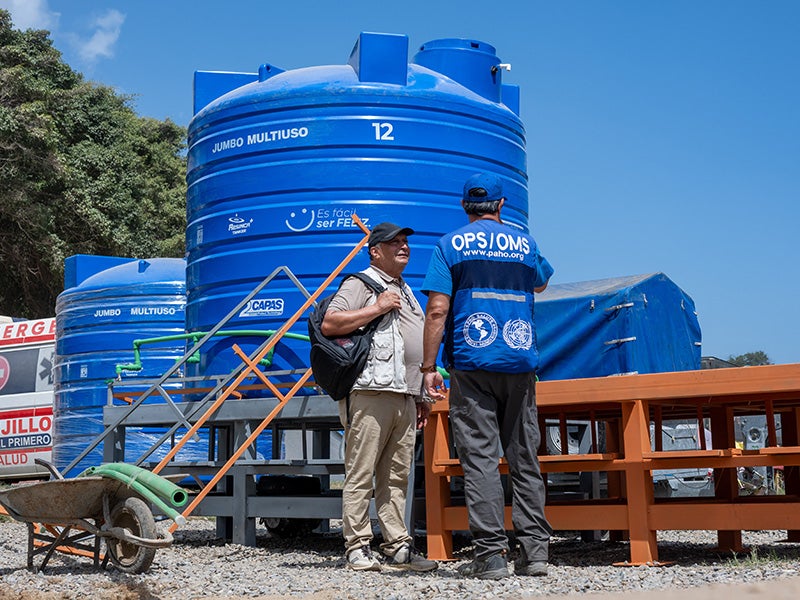
With PAHO/WHO support, authorities strengthened epidemiological surveillance and the early detection of potential outbreaks, maintained vaccination services, and reinforced water, sanitation, and hygiene measures. By mid-August, more than 31,000 vaccine doses had been administered, while new water treatment supplies had the capacity to provide safe drinking water for approximately 18,000 people for three months.
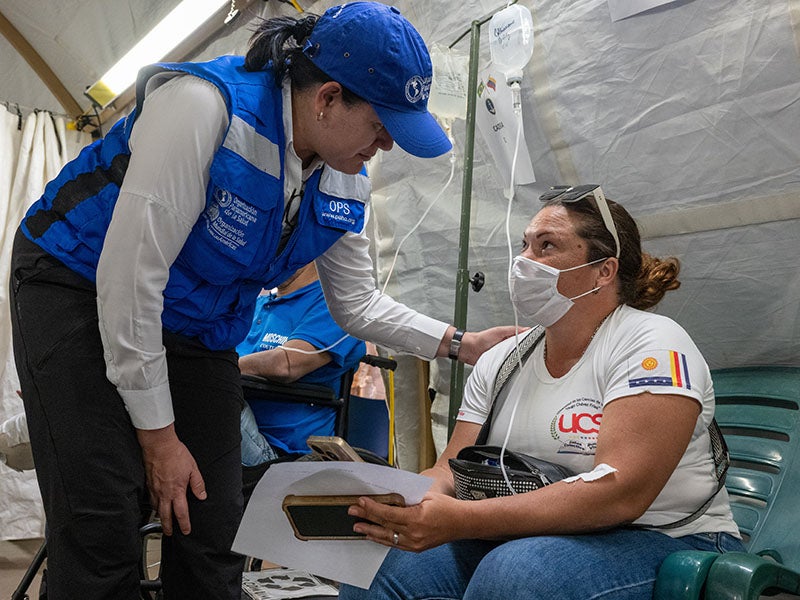
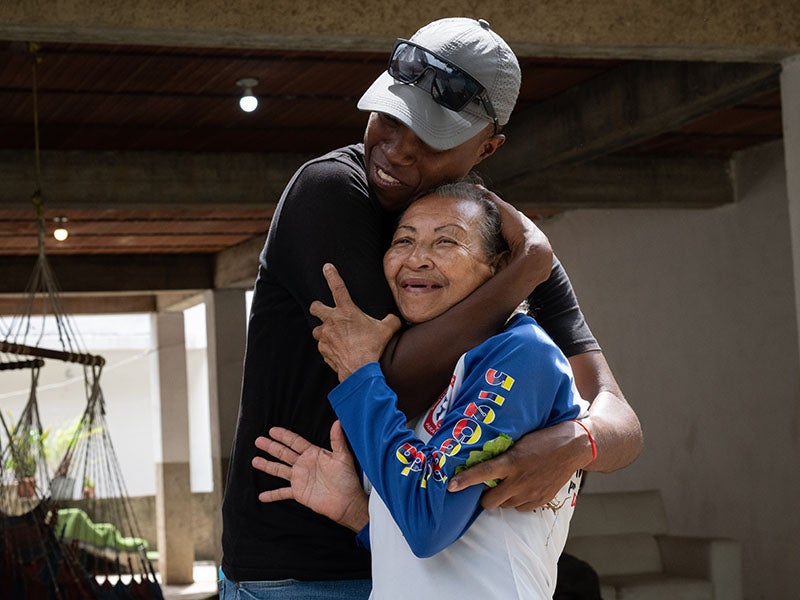
The response also incorporated mental health and psychosocial support, including training for health and community workers to assist people affected by stress, grief, and uncertainty. Two months after the earthquakes, these actions remain essential to preventing the emergency from generating new health risks.
Strengthening the capacity for recovery
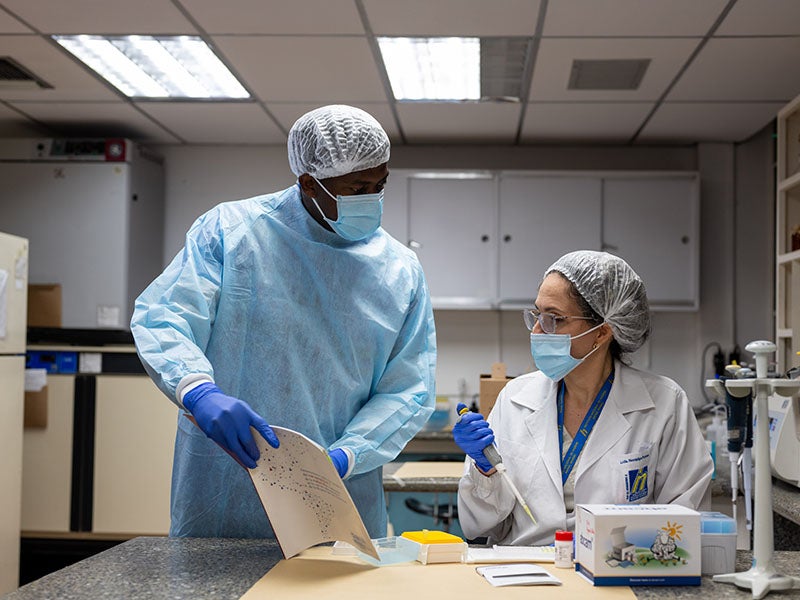
Responding to the emergency also meant preparing health teams for the challenges that emerged after the initial phase. With PAHO/WHO support, capacity was strengthened in areas including epidemiological surveillance, immunization, mental health, rehabilitation, and water, sanitation, and hygiene.
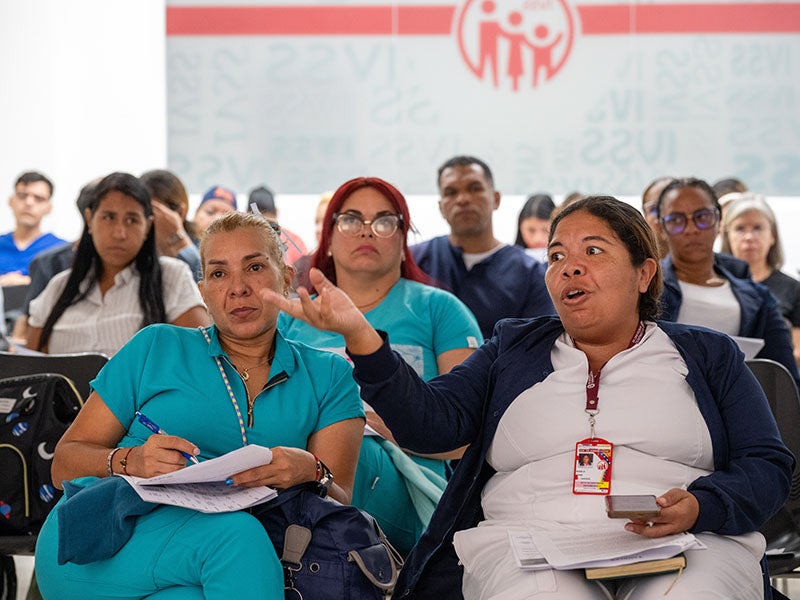
Among the actions carried out, 502 immunization workers were trained in La Guaira, the Capital District, and Miranda; 119 people received training in epidemiological surveillance; and staff at 115 mental health service points across 90 Comprehensive Community Health Areas were trained to identify warning signs and provide early support.
These actions address immediate needs and aim to build lasting capacity among national and local teams to maintain care, detect emerging risks, and support communities throughout the recovery process.
Restoring health, rebuilding lives
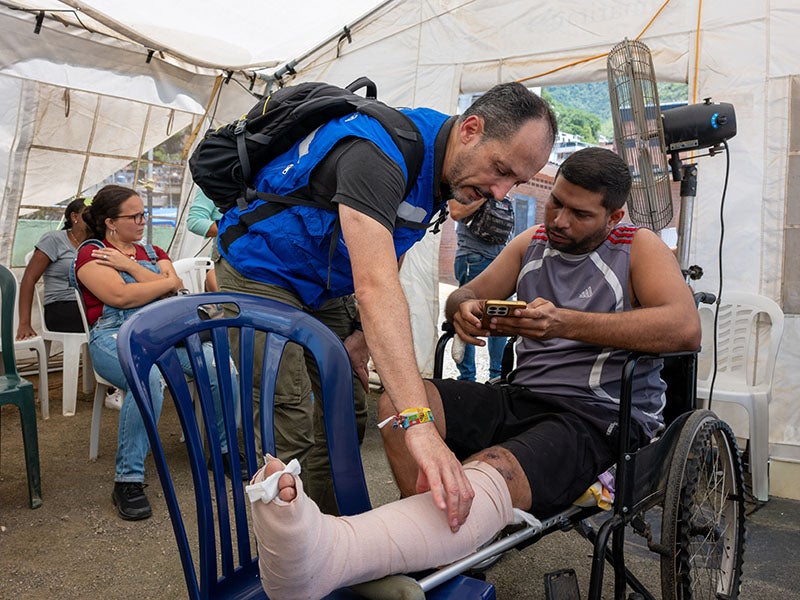
For many people, the emergency did not end when they were discharged from medical care. Rehabilitation has been part of the response from its earliest stages, helping people with traumatic injuries and fractures regain mobility and independence, prevent disabilities, and return to their daily activities.
At the same time, more than 24,400 people continue to live in temporary shelters, where needs persist for medical care, mental health and psychosocial support, rehabilitation, disease surveillance, and health promotion.
PAHO/WHO is working alongside national authorities and specialized organizations to strengthen rehabilitation services and monitor risks.
Two months after the earthquakes, restoring health is also part of rebuilding lives.