Food environments in and around schools are influencing children’s diets and long-term health across Jamaica and the wider Caribbean, prompting PAHO/WHO to call for stronger school food policies.
— April 2026 —


When the lunch bell rings, Kayli and her schoolmates make their way to the tuck shop. Within minutes, long lines form - a routine that shapes what, and how, children eat.
Like many of her friends, fourteen-year-old Kayli does not usually bring lunch. She enjoys choosing from the food and beverages available at the school canteen and from vendors outside the school walls.
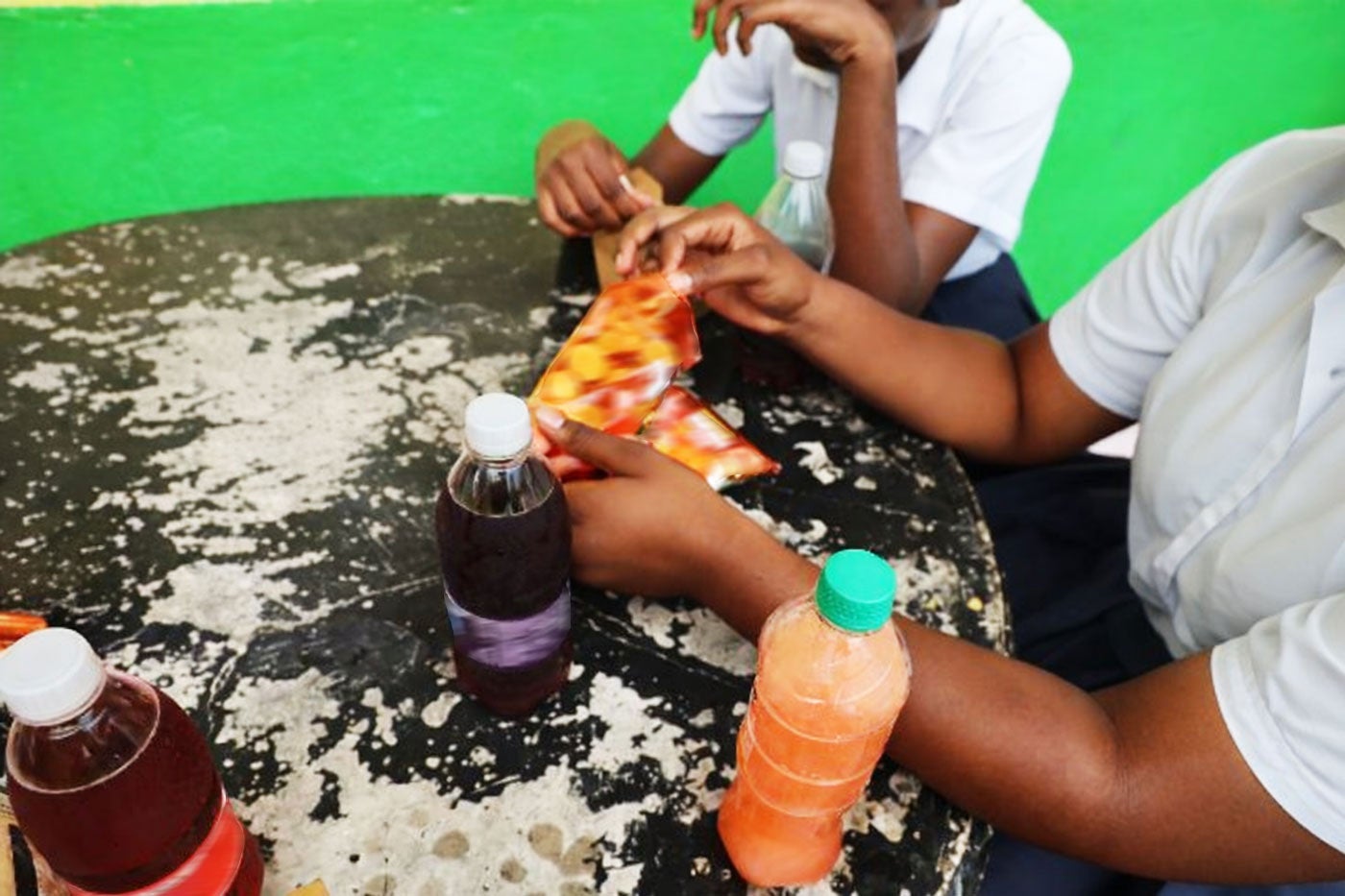
After fifteen minutes in line, Kayli emerges with a cinnamon bun with cheese, a bag of spicy tortilla chips, and a bottle of fruit-flavored soda. What seems like a typical lunch reflects a broader nutritional challenge.
These snacks are high in sugar, salt, and unhealthy fats, while lacking essential nutrients from fruits, vegetables, legumes, and whole grains that are needed for healthy growth. Because they are filling, they also crowd out more nutritious foods and reduce the likelihood of a balanced meal.
Ultra-processed snacks like these can contribute to unhealthy eating patterns and increase the risk of obesity and non-communicable diseases (NCDs).
Like many, Kayli pays little attention to nutrition labels. She rarely reads them and does not fully understand when she does. Her choices are not unique – similar patterns are repeated daily across the country, shaping lifelong habits.
At home, things are different. Her mother, Joanna, prioritizes nutritious, home-cooked meals over fast food, adding little sugar, salt and saturated fats, if needed at all.
But healthier habits at home often clash with environments where children can easily access cheap, heavily advertised ultra-processed food products like packaged snacks, sugary drinks, and refined baked goods. While Joanna would prefer Kayli to bring home-cooked meals to school, it is not always practical.
“The thing is, her school does not provide facilities where students can heat their food, so it doesn’t make much sense for her to bring cooked food from home,” she explained. “It’s not safe either if she’s unable to store it at the right temperature.”
In many schools, structural limitations — combined with the widespread availability of unhealthy options — make healthier choices more difficult. Constant exposure to these foods – reinforced by messaging that presents them as normal and convenient – makes it harder to establish healthy habits. Over time, this repeated exposure conditions taste preferences, appetite, and even brain responses to favor levels of sugar, salt, and fat that are far higher than those found in unprocessed or minimally processed foods and traditional culinary preparations.
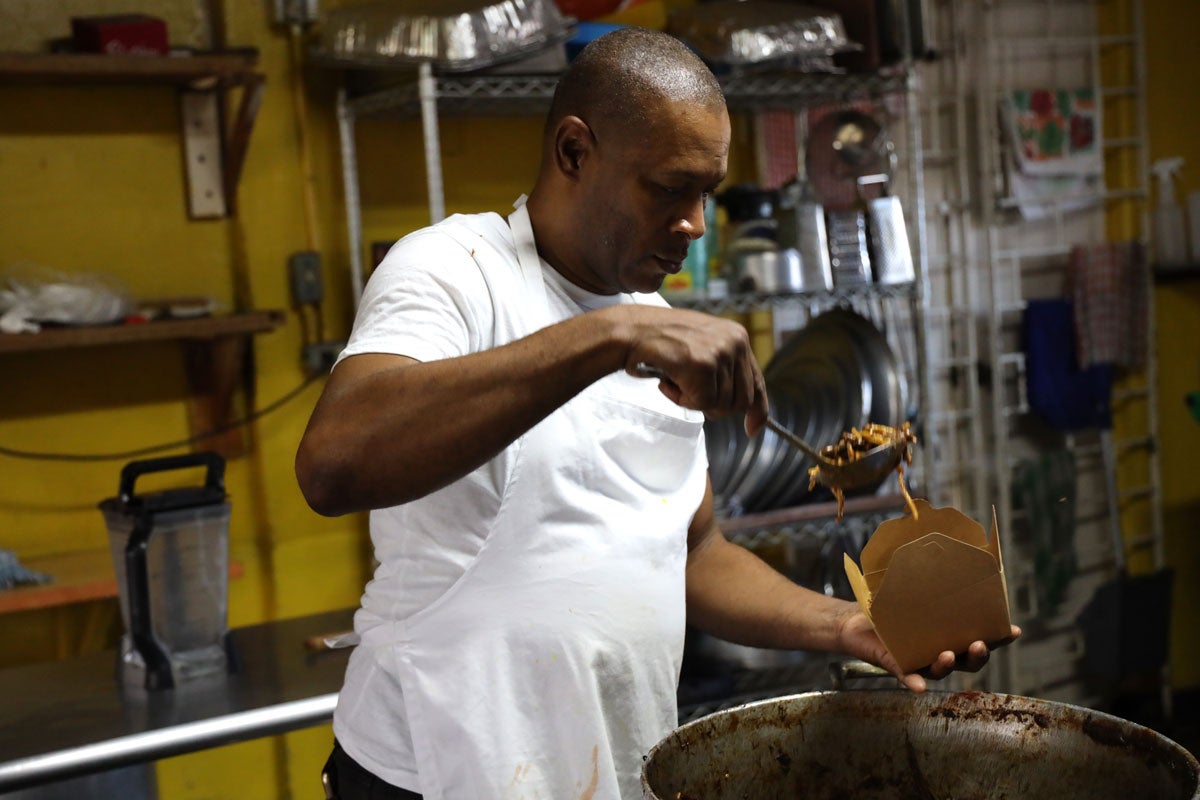

The consequences of unhealthy diets are seen worldwide. Noncommunicable diseases account for 74 percent of global deaths, with more than 10 million deaths each year linked to unbalanced diets and high consumption of ultra-processed products.
Closer to home, diet-related NCDs are the leading cause of death in Jamaica.
Childhood obesity is one of the most significant public health challenges today, with long-term implications on well-being, health systems, economic productivity, and national development.
Improving access to appealing, nutritious foods and meals in schools is critical to reversing these trends. When schools support healthier environments, they make it easier for children, families, and staff to make better choices.
This is why school nutrition policies, backed by evidence and multi-sector support, are a priority for the Pan American Health Organization/World Health Organization (PAHO/WHO).
Recently, the Government of Jamaica introduced fiscal measures to reduce preventable NCDs that are burdening the national health system. This special consumption tax (SCT) targets sugar-sweetened beverages, based on their sugar content. The Government will continue to monitor the impact of this tax on a number of factors, including consumption patterns and public health outcomes. This effort is welcomed by PAHO/WHO.
Global evidence shows that taxing sugar-sweetened beverages is one of the most cost-effective ways to reduce their consumption and lower diet-related disease risk.
PAHO and WHO also recommend improving school food environments by setting clear nutrition standards, ensuring healthy options, restricting the marketing of unhealthy products to children, and using pricing strategies to make nutritious foods more affordable.
These actions are particularly important given pervasive advertising that normalizes unhealthy eating and targets children with products designed to maximize profits, even as preventable illnesses such as obesity and diabetes rise.

Front-of-package warning labels (FOPWL) are another essential policy to curb the unhealthy eating epidemic - a simple, effective tool to help consumers quickly identify products high in sugar, salt, and other harmful ingredients, which is classified by WHO as a “best buy” due to its high impact and cost-effectiveness for countries at all income levels. FOPWL can serve as an “umbrella” policy—helping align and reinforce other food policies (like marketing restrictions, school nutrition standards, and public procurement) around a clear definition of unhealthy products.
For parents like Joanna, clearer food labelling could make a difference.
“I try to read the labels, but the print is so fine you can barely make it out. And even when you do, much of it doesn’t make sense,” she says. “If it is hard for me, imagine how much harder it is for Kayli.”
The Pan American Health Organization continues to advocate for clear, simple front-of-package warning labels, along with strong policies that restrict the marketing of unhealthy foods and beverages.
Kayli’s choices, what tastes good to her and what she can afford, are shaped and constrained by the tuck shop’s offerings, by marketing and ultra-processed food products that influence her preferences, and by the replacement of real foods with cheap, harmful ingredients designed to mimic them. Without support from governments, schools and policies that make healthy options easy, accessible, and affordable, her ability to make nutritious choices remains limited.
Links
— New PAHO report highlights progress in front-of-package food labeling in the Americas
Contact
Thelca White | Tel. 876 532 8495 | whitethe@paho.org |