Declines in physical and mental capacities can limit people’s ability to care for themselves and to participate fully in society.
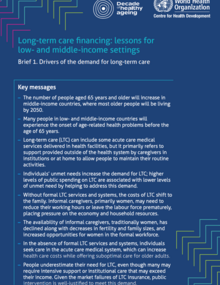
Long-term care encompasses a broad range of personal, social, and health services and support aimed at ensuring that people with, or at risk of, a significant loss of intrinsic capacity—due to physical or mental illness or disability—can maintain a level of functional ability.
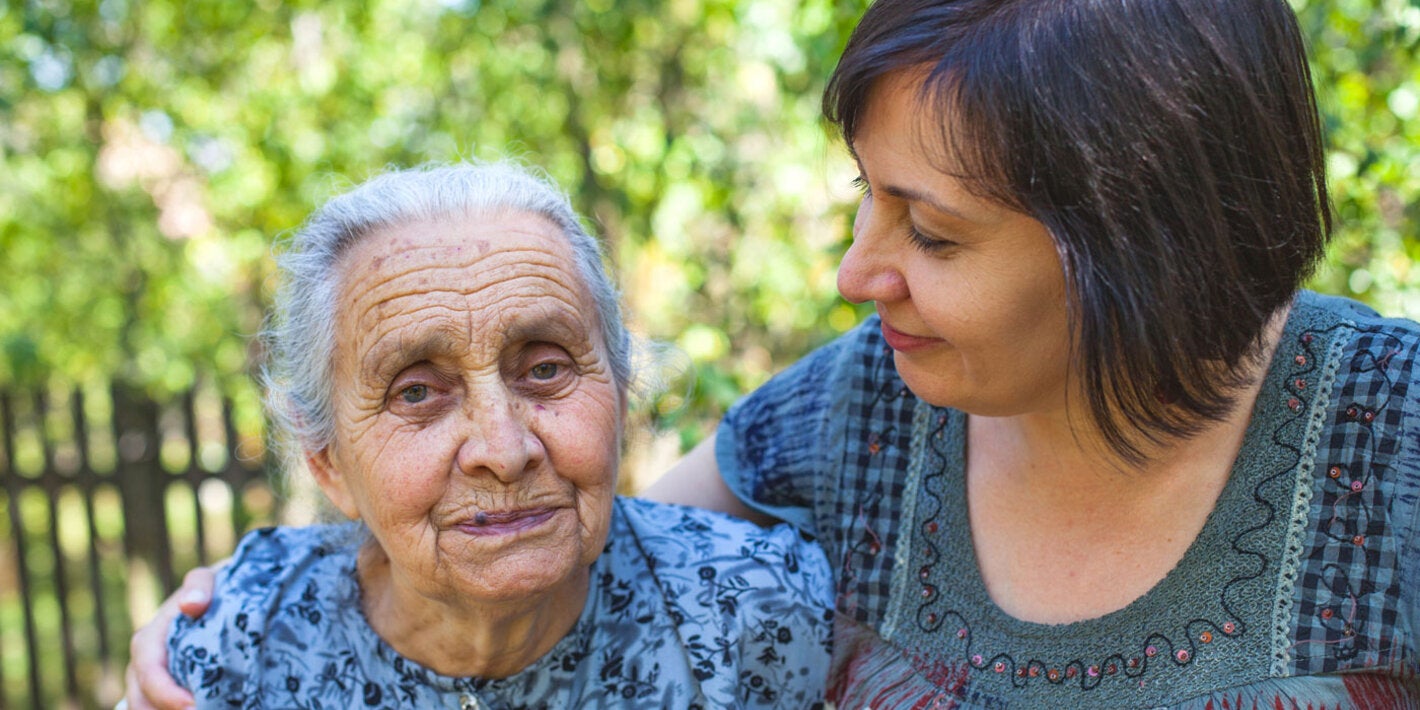
Although the majority of people in need of such care is older adults, long-term care needs can arise at any stage of the life course. Most individuals receiving care live in the community and receive care from informal caregivers like family members and friends.
Access to good-quality long-term care is essential to maintain functional ability, enjoy basic human rights and live with dignity. In addition, it is essential to support caregivers, so they can deliver proper care and also take care of their own health.
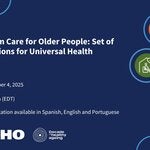
The Policy on Long-term Care, covering the period 2025–2034, provides the Member States of the Pan American Health Organization (PAHO) with strategic and technical guidance for the development, strengthening, and expansion of LTC capacities in the Region was adopted by the 61st Directing Council.