• Medicamentos
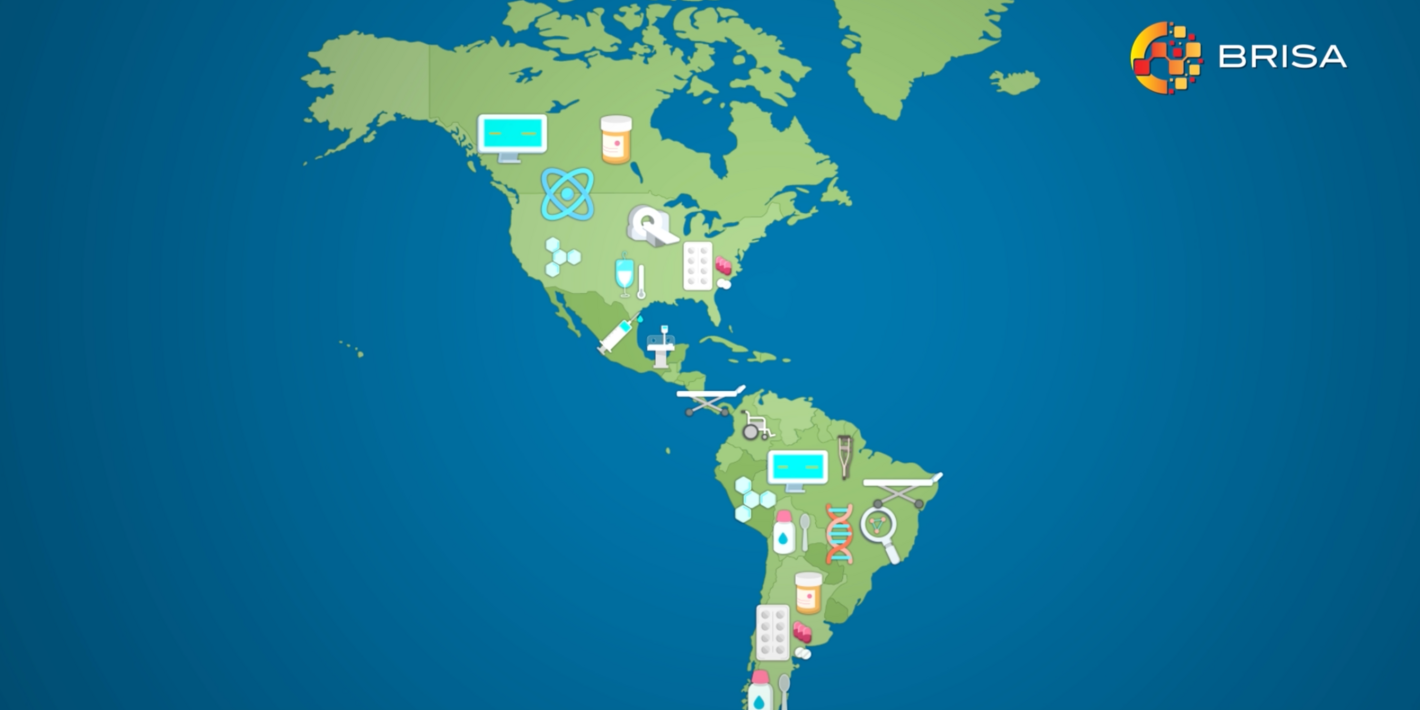
    Medicamentos contra el paludismo. Foto: OPS/OMS

Quality Assurance of Health Technologies

Regional Revolving Funds (RRFs) of the Pan American Health Organization (PAHO) are collaborative mechanisms that help countries and territories in the Americas secure quality vaccines, essential medicines, and public health supplies at affordable prices. By pooling demand and leveraging economies of scale, the funds enable Member States to obtain better purchasing conditions in a timely and transparent manner.

The Department of Innovation, Access to Medicines, and Health Technologies (IMT) works with RRF to ensure that all products meet internationally recognized standards of quality, safety, and efficacy through quality assurance approach. This involves rigorous technical reviews of product dossiers, verification of regulatory status, and adherence to WHO and UN-recommended frameworks such as the Model Quality Assurance System for Procurement Agencies (MQAS).

Only products authorized by WHO Prequalification, stringent regulatory authorities, or recognized national authorities of regional of reference (NRAr) are eligible for acquisition. IMT also monitors supplier performance, manages product-related claims, and coordinates corrective actions when needed—strengthening accountability and reliability across the supply chain.

This cooperative approach ensures compliance with national and international regulations, promotes transparency, and safeguards public health. By working together, PAHO and its Member States advance equitable access to safe and effective health technologies throughout the Region.

Failure to establish a robust quality assurance system exposes organizations to significant risks, including the procurement of substandard, falsified, or contaminated pharmaceutical products. These deficiencies can lead to product complaints, recalls, financial losses, and severe health hazards for patients. Such outcomes undermine the credibility of procurement agencies, compromise patient safety, and erode trust among stakeholders. (For more information, visit: MQAS)  


Quality assurance in health technologies plays a critical role in protecting public health and ensuring that populations have access to effective, safe, and high-quality products. Within this framework, PAHO —together with the IMT and through the RRFs— facilitates the establishment of comprehensive systems to support the selection, acquisition, and utilization of health technologies. By implementing coordinated strategies and fostering collaboration, member states are able to collectively oversee and improve the quality and reliability of health products available to their citizens. 

PAHO partners with various organizations to help Member States access vital health technologies. The Revolving Funds, Procurement Unit, and Department of Innovation, Access to Medicines and Health Technologies manage demand, procurement, financing, and quality assurance. When necessary, they also work with the WHO Prequalification Team and NRAr.

For more information, visit the links below:

PAHO Strategic Fund - PAHO/WHO | Pan American Health Organization

PAHO Revolving Fund - PAHO/WHO | Pan American Health Organization

Doing Business with PAHO - PAHO/WHO | Pan American Health Organization

External links:

Global Benchmarking Tools

Quality assurance, norms and standards

WHO Prequalification

Expert Committee on Specifications for Pharmaceutical Preparations (ECSPP)
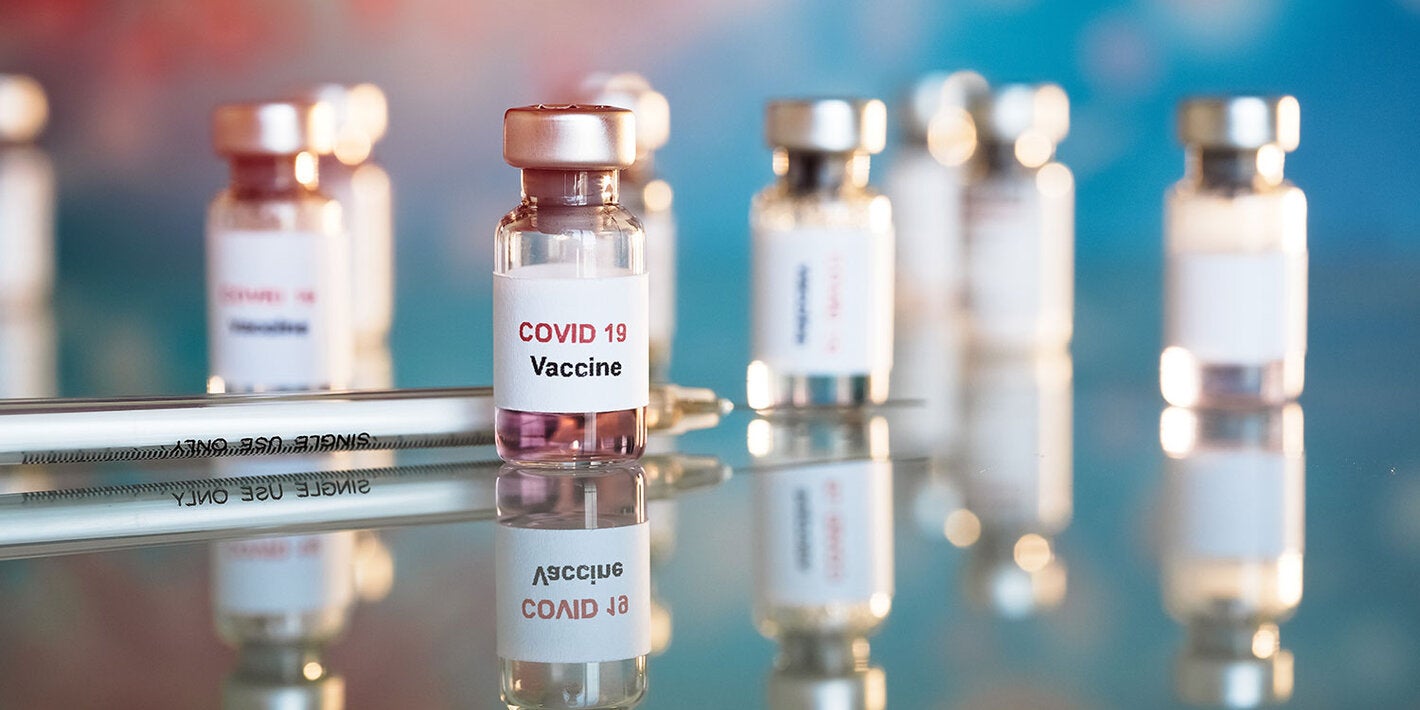
Pharmaceuticals must meet internationally recognized regulatory and quality standards to be eligible for procurement. The eligibility criteria include:

  • WHO Prequalification: Products must be listed as prequalified at the time of tender opening.
  • Authorization by NRAs of Regional Reference (NRAr): These include authorities such as ANMAT (Argentina), ANVISA (Brazil), CECMED (Cuba), COFEPRIS (Mexico), INVIMA (Colombia), ISP (Chile), FDA (USA), and Health Canada.
  • Approval by Stringent Regulatory Authorities (SRAs)*: Recognized by WHO as part of its prequalification framework.
  • WHO Emergency Use Assessment and Listing (EUAL): For products needed during public health emergencies.
  • MEURI Protocol: For investigational products used under monitored emergency use when no proven treatment exists.

Note: * Stringent regulatory authorities (SRA) recognized by WHO as part of prequalification of finished pharmaceutical products as described in the WHO Technical Report Series, No. 1003, 2017 

Note: For antiretroviral medicines, products may also be eligible if they have received approval or tentative approval from the U.S. FDA under the PEPFAR program.

QA Requirements overview: Products must comply with Good Manufacturing Practices (GMP), demonstrate therapeutic equivalence, and provide complete technical dossiers including stability data, batch formula, and safety documentation. PAHO may also require post-marketing surveillance data and quality control testing. 

Due to their biological complexity, biotherapeutics and biosimilars are subject to specific eligibility and QA requirements, where designated NRA must regulate the product according to WHO and ICH biosimilar guidelines and oversee national production.   The eligibility criteria include: 

  1. Biotherapeutic product Prequalified by WHO
  2. Registered and marketed in a country with:
  3. b.1 National Regulatory Authorities of Regional Reference (NRAr)

b.2 Stringent regulatory authorities (SRA)** recognized by WHO

b.3 WHO Listed Authorities (WLA):

  • Canada
  • Japan
  • Republic of Korea
  • Singapore
  • Switzerland
  • United Kingdom of Great Britain and Northern Ireland
  • United States of America
  • The European Medicines Regulatory Network is composed of the European Commission, the European Medicines Agency and the regulatory authorities of the following EU/EEA-EFTA countries: Austria, Belgium, Bulgaria, Croatia, Cyprus, Czechia, Denmark, Estonia, Finland, France, Germany, Greece, Hungary, Iceland, Ireland, Italy, Latvia, Liechtenstein, Lithuania, Luxembourg, Malta, the Netherlands, Norway, Poland, Portugal, Romania, Slovakia, Slovenia, Spain, Sweden. In addition, the European Directorate for the Quality of Medicines & HealthCare (EDQM) coordinates laboratory testing and lot release related activities for the EMRN. 

Note: Biosimilar regulation according to WHO and/or ICH recommended standards for the offered product category 

Note: Stringent regulatory authorities (SRA) recognized by WHO as part of prequalification of finished pharmaceutical products as described in the WHO Technical Report Series, No. 1003, 2017  


These biologicals are critical for public health and require robust regulatory oversight:

  • WHO Prequalification: Products must be listed as prequalified at the time of tender opening.
  • Functional NRAs for Vaccines: Includes ANVISA, ANMAT, CECMED, COFEPRIS, EMA, FDA, HC (Canada), MFDS (Korea), and TGA (Australia).
  • WHO EUAL: For emergency use during outbreaks or pandemics.
  • MEURI Protocol: For investigational use in high-mortality scenarios.

QA Requirements: Products must meet WHO standards for production, cold chain integrity, and post-marketing surveillance. 

Antivenoms are essential biological products used to treat envenomation caused by snake bites, scorpions, and other venomous animals. Given their complexity and life-saving importance, PAHO applies a specialized prequalification process to determine their eligibility for procurement through the Regional Revolving Funds—particularly from official production laboratories within the Region of the Americas. However, considering availability and regional needs, private producers may also be considered valid sources of antivenoms under appropriate regulatory and quality conditions.

  • Authorization by designated NRAs of Regional Reference (NRAr)2: These include authorities such as ANMAT (Argentina), ANVISA (Brazil), COFEPRIS (Mexico), INVIMA (Colombia).

Note: To be eligible, antivenoms must be produced under the oversight of a selected National Regulatory Authority of Regional Reference (NRAr). This oversight may include registration based on regional harmonization regulations. Alternatively, the product must be registered by another NRA in the Americas.

QA Requirements: Antivenoms must meet specific technical and quality criteria, including: Pharmacovigilance Systems: All candidates must monitor adverse and provide Periodic Safety Update Reports (PSURs); In Situ Quality Control Infrastructure: Proof of the On-site facilities for quality control testingPreclinical Data: Proof of the Toxicological data (e.g., LD50, ED50) to demonstrate efficacy and safety.; Human Studies: Clinical or observational studies are strongly encouraged.; Production Protocols: Detailed documentation of production and analytical methods is required; Taxonomic Documentation: Venom source must be clearly identified (genus and species); Veterinary certification of animal health.  

Medical devices are evaluated based on their risk classification and regulatory status:

  • Market Authorization: Must be granted by at least one recognized NRA, such as ANVISA, FDA, EMA, Health Canada, HSA, or TGAncludes ANVISA (Brazil), FDA (USA), Health Canada (Canada), HSA (Singapore), PMDA (Japan), and TGA (Australia), or any National Regulatory Authority of the European Union..
  • Emergency Use Authorization (EUA): Accepted for devices needed during public health emergencies.

QA Requirements: Devices must comply with ISO standards, demonstrate safety and efficacy, and include documentation on product specifications, manufacturing site requirements, and sterility testing. For complex or high-cost technologies, PAHO may recommend a viability or pre-investment study through its technical cooperation mechanisms. 

IVDs must demonstrate regulatory approval and quality control capacity:

  • WHO Prequalification: Inclusion in the WHO list of prequalified IVDs.
  • Authorization by SRAs or IMDRF Members: Includes ANVISA (Brazil), FDA (USA), Health Canada (Canada), EMA, HSA (Singapore), PMDA (Japan), and TGA (Australia), or any National Regulatory Authority of the European Union.
  • WHO EUAL: For diagnostics used during emergencies.

QA Requirements: IVDs must meet analytical performance standards, including sensitivity, specificity, and reproducibility. Manufacturers must provide documentation on risk management, quality management systems (QMS), and clinical performance studies. 

Latest news

Documents

Communication Materials

All

Mandates and Strategies