May 5, 2026
Hand Hygiene: one action that saves lives
Every day, in all healthcare settings, even during public health emergencies, healthcare-associated infections (HAIs) remain a threat. HAIs contribute to the burden of antimicrobial resistance (AMR), caause suffering for patients, their families, and healthcare workers, can lead to premature death and disability, increase healthcare costs, and hinder efforts to achieve high-quality care for all.
A substantial proportion of preventable healthcare-associated infections could be prevented if hand hygiene and other infection prevention and control (IPC) measures were implemented at the appropriate time.
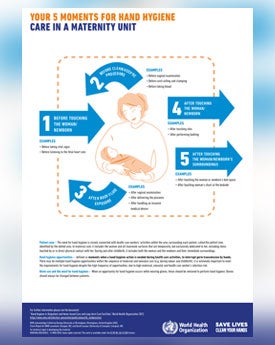
Every pregnant woman, every postpartum woman, and every newborn is susceptible to infection, which could lead to sepsis.
Improving and prioritizing hand hygiene in maternal health services is a feasible and equitable intervention that contributes to reducing the burden of sepsis.
When integrated into quality‑of‑care improvement programs and supported by institutional leadership, continuous training of health‑care workers, and sustainable access to essential supplies, hand hygiene can significantly reduce maternal infections and sepsis. Timely and appropriately performed hand hygiene prevents infections, strengthens health‑system performance, improves patient safety, and saves lives.
Dr Jarbas Barbosa - Hand hygiene: action saves lives. World Hand Hygiene Day 2026
Webinar
Hand Hygiene: one action that saves lives
Date: May 05, 2026
Time: 9:30 a.m. (EST Time)
Every day, in all health care facilities, health care–associated infections (HAIs) continue to pose a significant threat. These infections contribute to the burden of antimicrobial resistance (AMR), cause suffering...
Communication Materials