World Mental Health Day, observed every year on October 10th, is a global opportunity to raise awareness, improve understanding, and encourage action on mental health issues around the world. This day seeks to raise awareness about mental health issues, reduce stigma, and mobilize global efforts to improve access to mental health services.
You are invited to attend our virtual event

New virtual course

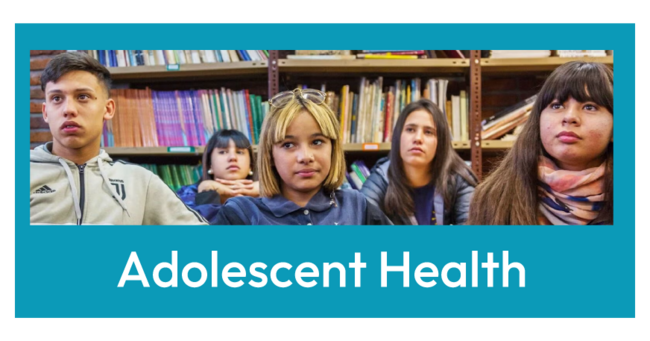
Childhood and adolescence are critical stages for mental health
Childhood and adolescence are critical periods for brain development and mental health (PAHO, 2023). During these stages, young people’s well-being and development are highly sensitive to environmental influences (Potter et al., 2017). A life-course approach to mental health emphasizes that experiences in early life not only shape mental health during childhood and adolescence, but also have lasting effects into adulthood, potentially altering an individual’s life trajectory (UNICEF & WHO, 2024).
The quality of the environment in which children and adolescents grow up plays a key role in shaping their mental health and overall development. Exposure to factors such as violence, bullying, discrimination, conflict, and poverty (UNICEF, 2024) significantly increases the risk of developing mental health conditions. Moreover, the greater the number of risk factors adolescents face, the more profound the potential impact on their mental health (WHO, 2025).

Half of all mental illnesses begin by the age of 14
Children and adolescents are often viewed as a generally “healthy” segment of the population, which can lead to their mental health needs being overlooked. Globally, one in seven young people aged 10 to 19 experiences a mental health condition (Vos et al., 2020). In the Region, depression and anxiety rank among the top five causes of years lived with disability in this age group, while suicide is the third leading cause of death among those aged 15 to 29 (PAHO: ENLACE, 2021). Failing to address mental health and psychosocial development during childhood and adolescence can have long-term consequences that extend into adulthood, limiting opportunities for individuals to reach their full potential (WHO, 2025).
Significant gaps in care
Despite the demonstrated high burden of mental health conditions and suicide in the Region, only a small fraction of people with mental health conditions receive the care they need. This treatment gap is even more pronounced among children and adolescents, who often face additional barriers to accessing mental health services. The 2024 Mental Health Atlas highlights a critical shortage of specialized child and adolescent mental health professionals in low- and middle-income countries, underscoring a substantial unmet need for dedicated care and support. In the Region of the Americas, estimates suggest that the treatment gap for severe mental health disorders in children and adolescents exceeds 50% (Kohn et al., 2018).
Every young person has a right to mental health care within their community
Governments should develop and implement rights-based policies that strengthen and expand community-based mental health services. These services, provided outside of psychiatric hospitals, are more accessible than institutional care and have been shown to deliver better outcomes (WHO, 2022). Community-based mental health services include those integrated into general health care, such as primary care and general hospitals, as well as specialized community mental health centers, community teams, and peer support services. They also extend beyond the health sector to reach children and young people in the environments where they spend their time, including schools and other youth centers and organizations.
Strengthening community based mental health services for children and adolescents requires deepening investment in human and financial resources.

Mental health promotion and prevention must be prioritized in the early stages of life
Mental health promotion and prevention interventions aim to strengthen an individual's ability to regulate emotions, reduce risk-taking behaviors, and build resilience to manage adversity. Supportive social environments and networks are key to promoting and protecting children and adolescents’ mental health. Parents and teachers play a key role in helping children and adolescents develop life skills that support their ability to cope with everyday challenges at home and at school. Psychosocial support can also be provided in schools and other community settings to reinforce these efforts.
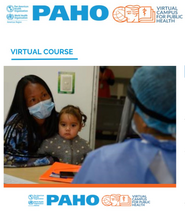
Training health workers is essential to enable early detection and effective management of mental health disorders. To support the capacity of health services to respond to the needs of children and adolescents, PAHO developed a virtual course titled Improving the Mental Health of Children and Adolescents in Primary Care. This course offers evidence-based tools to identify the most prevalent mental health disorders among children and adolescents in the Region of the Americas and to establish timely and appropriate intervention plans within primary health care settings.
Message by Dr. Jarbas Barbosa, Director of PAHO
The 2025 World Mental Health Day global theme focuses on Mental Health and Psychosocial Support in Emergency Response. While PAHO fully supports this global priority, PAHO will use this year’s World Mental Health Day to highlight an urgent issue specific to the Americas Region: the mental health of children and adolescents. This focus responds to growing concerns and unmet needs in this population. You can access Mental Health and Psychosocial Support in Emergency Response technical guidance and tools in this page.
Resources


More information