
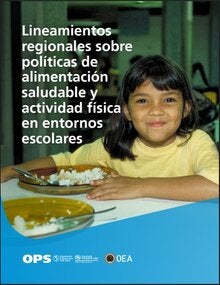
Regional guidelines on healthy eating and physical activity policies in school settings
|
OverviewThe global rise in overweight and obesity, particularly in the Region of the Americas, leads to physical and psychological consequences that affect health throughout childhood, adolescence, and adulthood. Childhood obesity can lead to behavioral and emotional difficulties, contribute to stigma and poor socialization, and limit the educational achievement of children. Schools offer a strategic opportunity to advance sustainable development, address all forms of malnutrition, and promote comprehensive health both at the school and community levels, while ensuring the effective realization of students’ fundamental rights. These regional guidelines on healthy eating and physical activity policies in school settings were developed within the framework of the Hemispheric Program on Healthy Eating and Physical Activity Policies in School Settings, an initiative launched in 2022 by the Organization of American States (OAS) and the Pan American Health Organization (PAHO). The program aims to strengthen national capacities and systematize country experiences in order to support governments across the Region. This publication provides technical and operational guidance for countries in the Americas to design, implement, monitor, and evaluate intersectoral policies and programs that promote healthy school environments, with a focus on healthy eating, physical activity, and the prevention of all forms of malnutrition. It is aimed to decision-makers, technical staff, and support personnel in the education and health sectors at both national and subnational levels, as well as other strategic stakeholders involved in school feeding, physical education, family farming, infrastructure, and social protection. It is also directed to the education community, training institutions, academia, civil society organizations, and international technical cooperation agencies. Related linksVideo: OAS and PAHO Hemispheric Program to Reduce Non-Communicable Diseases |