
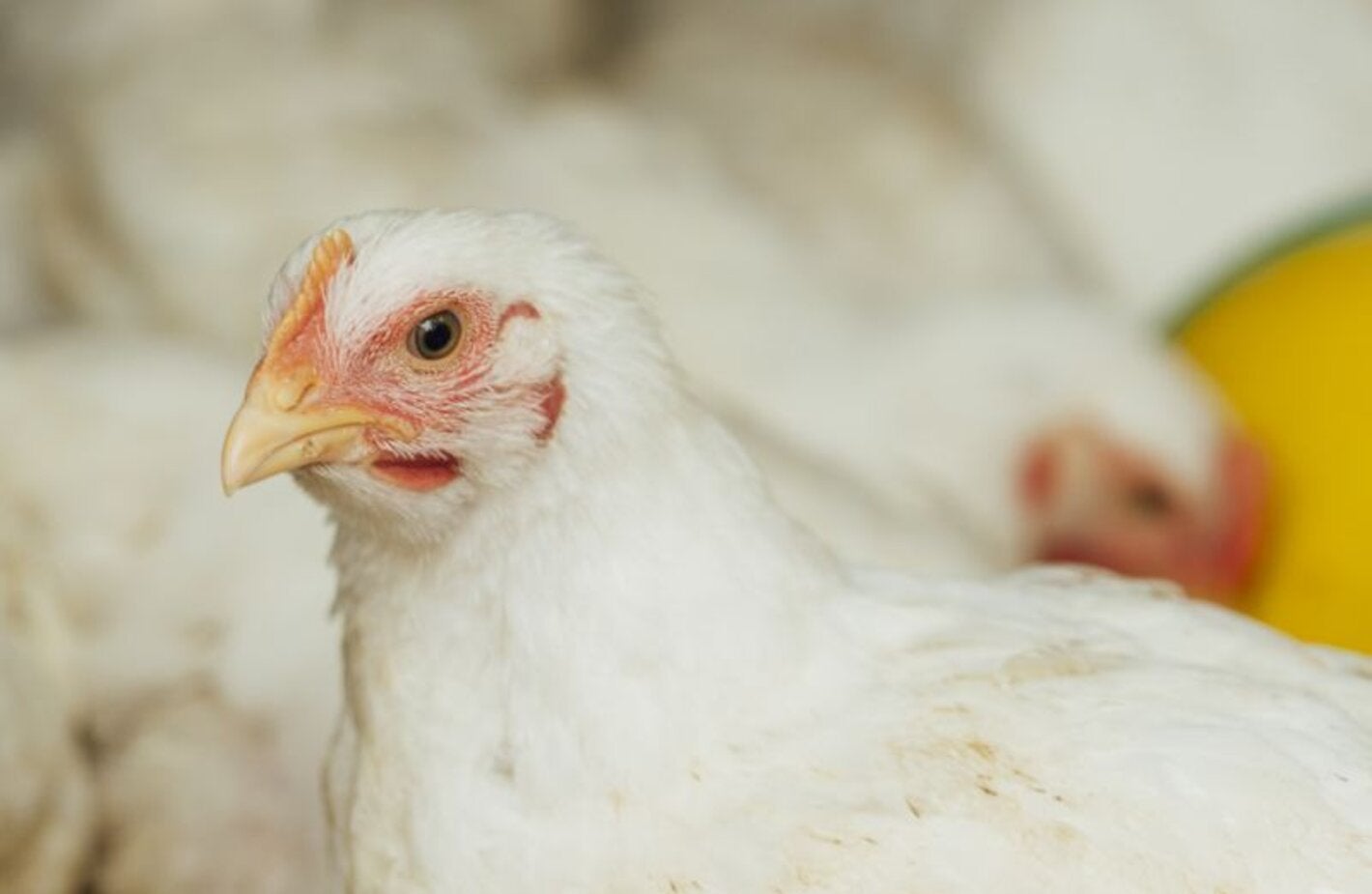
With the objective of strengthening preparedness and response to outbreaks of avian influenza A (H5N1) in the Region of the Americas, the Pan American Health Organization (PAHO) held the webinar "Update on prevention and control measures at the intersectoral level against Avian Influenza A(H5N1)", as part of the series of seminars on human-animal interface.
The session, moderated by Dr. Angel Rodriguez, PAHO advisor on clinical management of infectious hazards, brought together specialists in public health, animal health and infection prevention to share recent experiences and updated recommendations.
A constant threat that requires intersectoral articulation
During the opening remarks, Dr. Andrea Vicari, head of PAHO's Infectious Hazards Management Unit, highlighted that influenza, both seasonal and potentially pandemic, remains a global concern. She stressed the importance of addressing the risk from a One Health approach, integrating human health, animal health and environmental sectors for early detection, rapid containment and protection of frontline workers.
Infection prevention and control in healthcare facilities
Dr. Roxana Trejo, representing the Latin American Society for Infection Prevention and Control (ASLACI), presented the main measures for the safe care of patients exposed or suspected of having avian influenza. He stressed the importance of each institution having a local preparedness and response plan that includes clear protocols for triage and early detection in emergency rooms, the proper use of personal protective equipment (PPE) according to the type of exposure, whether by contact, droplets or aerosols, and the continuous training of personnel through periodic drills. In addition, he stressed the need to establish standardized procedures for taking and sending samples, cleaning surfaces and controlling patient flows.
Surveillance and response in the animal component
From PANAFTOSA, Dr. Gabriel Torres and Dr. Manuel Sánchez discussed the veterinary strategies to contain the disease, which include the preparation and implementation of contingency plans, the definition of emergency and containment zones with differentiated actions according to the level of risk, the application of biosecurity measures, movement control, sanitary slaughter and, in some cases, emergency vaccination, as well as the importance of compensating producers to encourage early notification. They also explained how the veterinary sector works in coordination with public health, sharing key information for intersectoral surveillance.
The meeting ended with an interactive discussion in which participants raised questions about the implementation of these measures in their countries and how to articulate the different sectors to strengthen surveillance and response.
PAHO reaffirms its commitment to support the countries of the region in the implementation of comprehensive intersectoral strategies for the prevention, early detection and control of avian influenza, under the One Health approach.