Venezuela
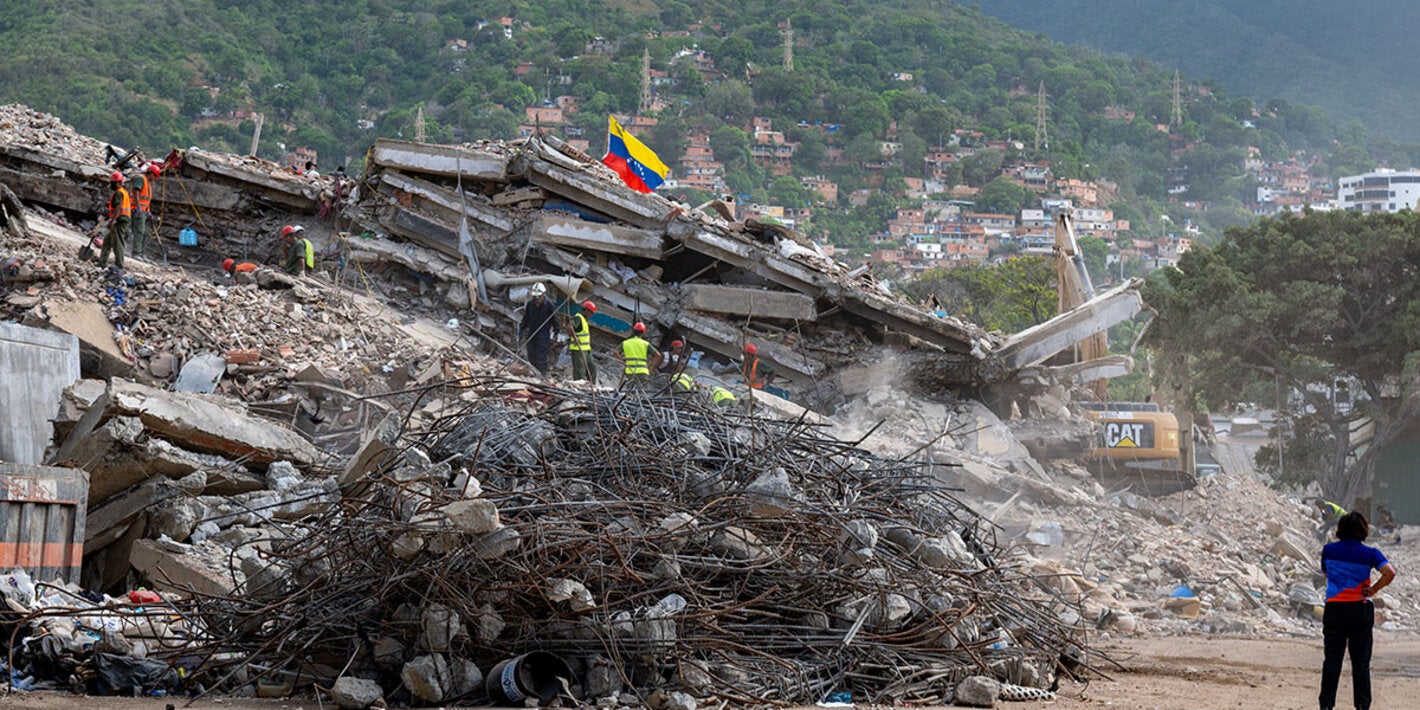
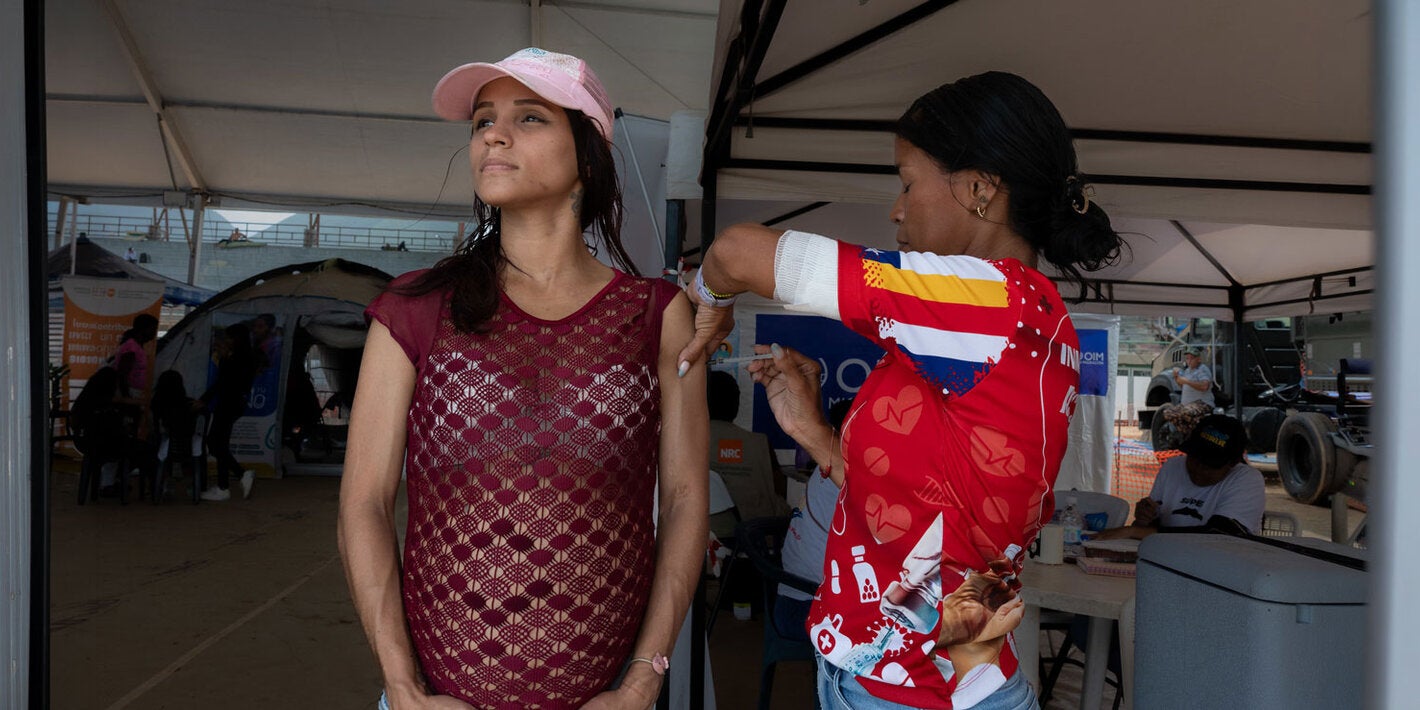
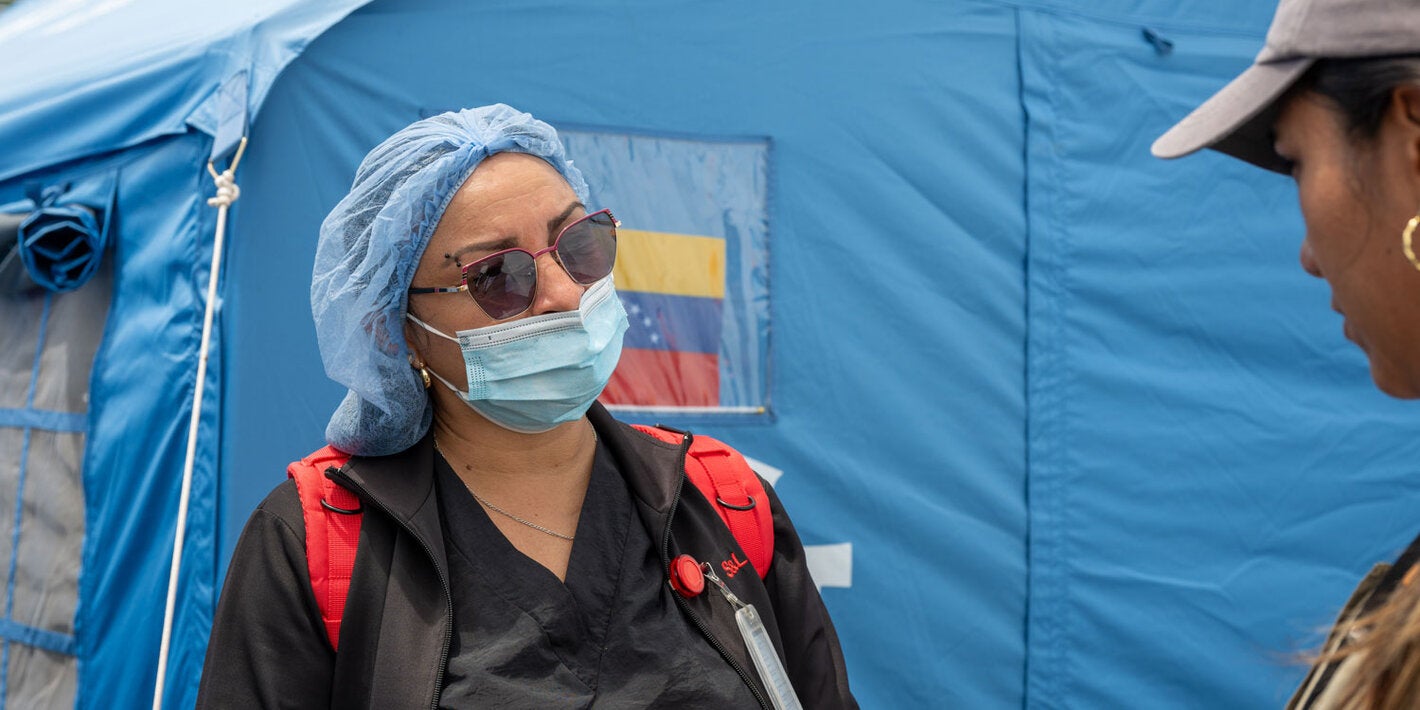
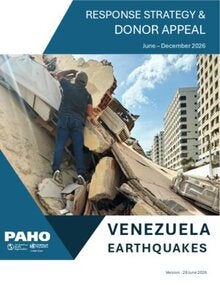
A powerful seismic sequence struck north-central Venezuela on 24 June 2026, triggering a humanitarian emergency with significant health needs. An estimated 712,223 people lived in municipalities exposed to the highest levels of intensity. The Pan American Health Organization (PAHO) is supporting the health response alongside national authorities and partners through response coordination, deployment of specialized teams, assessment of health facilities, support for the continuity of health services, and the provision of essential medicines and supplies.
Colombia
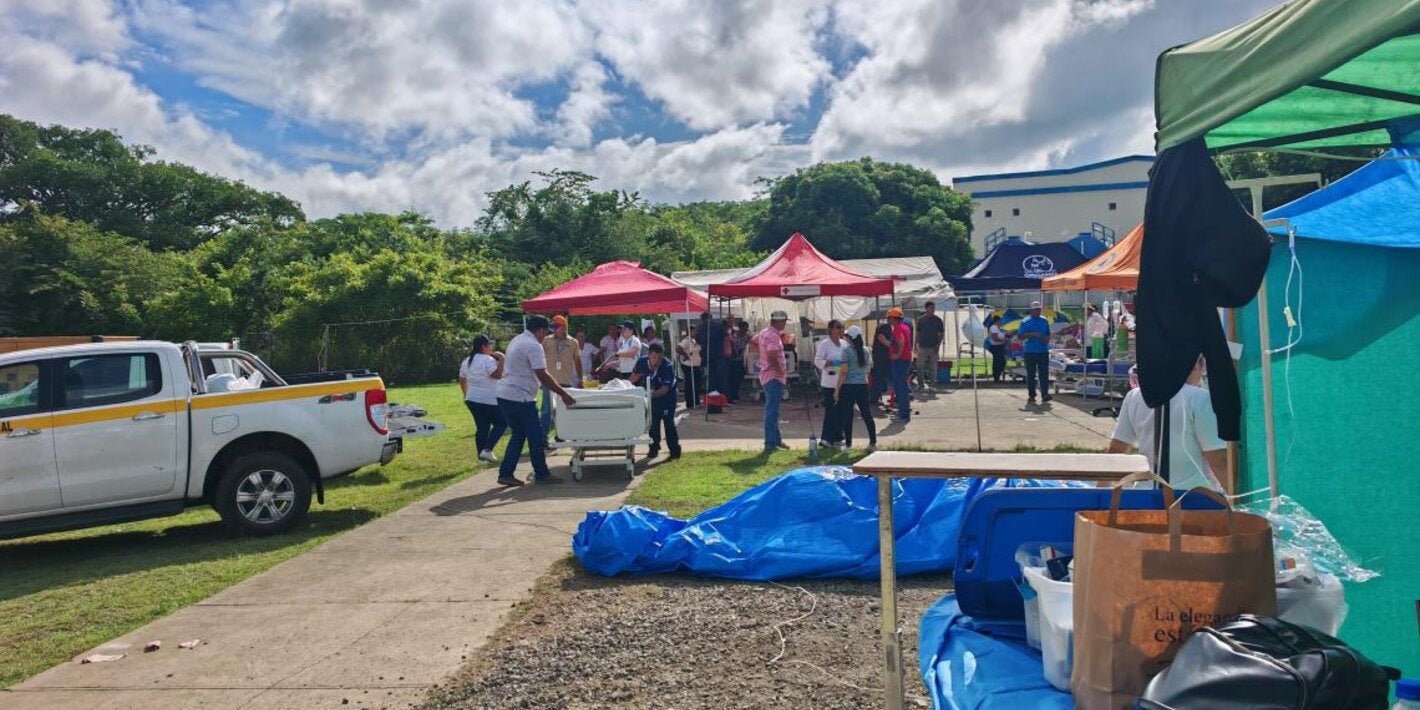
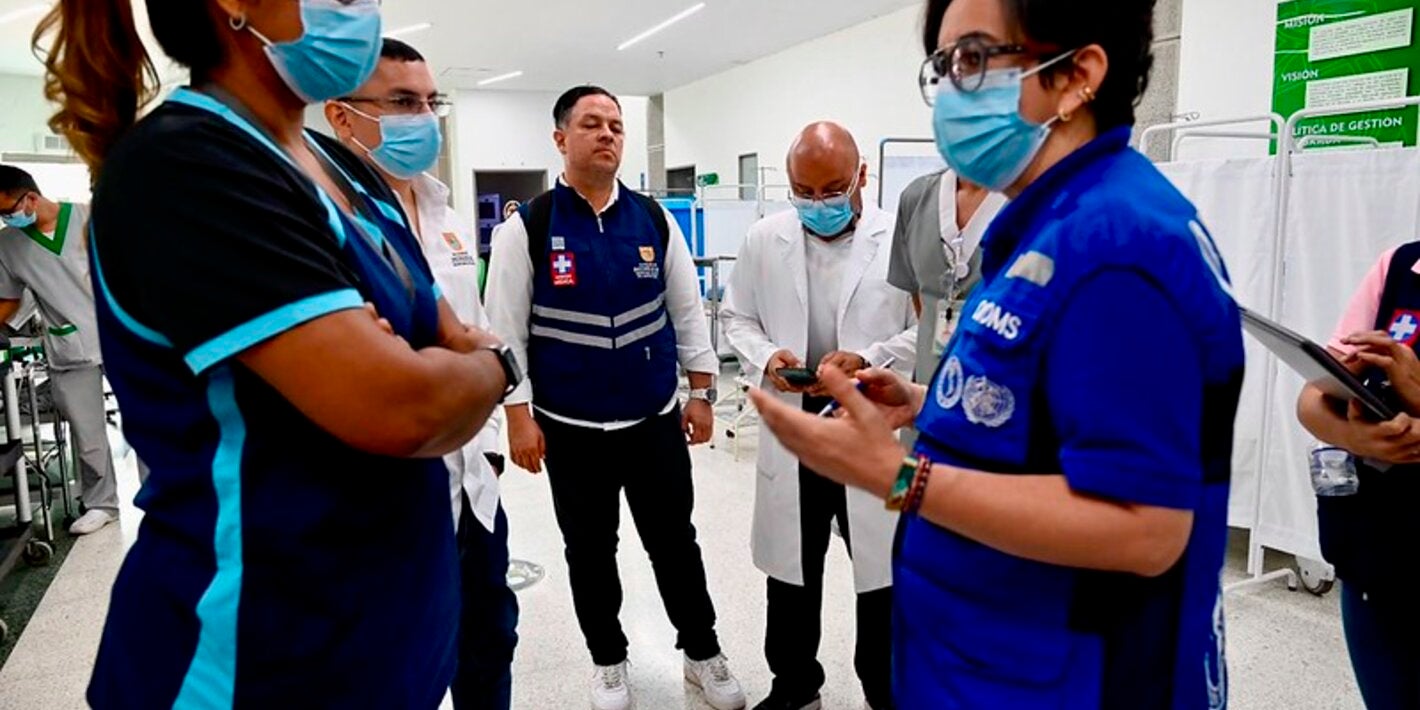
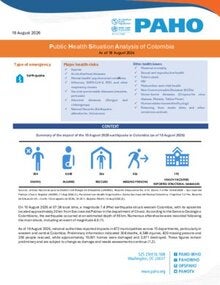
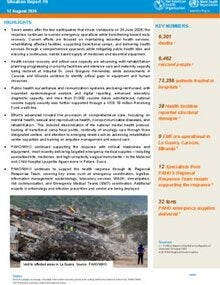
On 10 August 2026 at 7:34 a.m. local time, a magnitude 7.4 (Mw) earthquake struck western Colombia, with an epicenter located approximately 20 km from San José del Palmar, in the department of Chocó. According to the Colombian Geological Service, the earthquake occurred at an estimated depth of 96 km. Numerous aftershocks followed the main event, including one measuring magnitude 4.8. PAHO is supporting the Ministry of Health and Social Protection (MSPS), the National Institute of Health (INS), and local health authorities in response efforts, including assessments of affected health facilities, monitoring health risks in temporary emergency shelters, coordination of Emergency Medical Teams (EMTs), and actions related to water, sanitation, hygiene, and mental health.
Panama
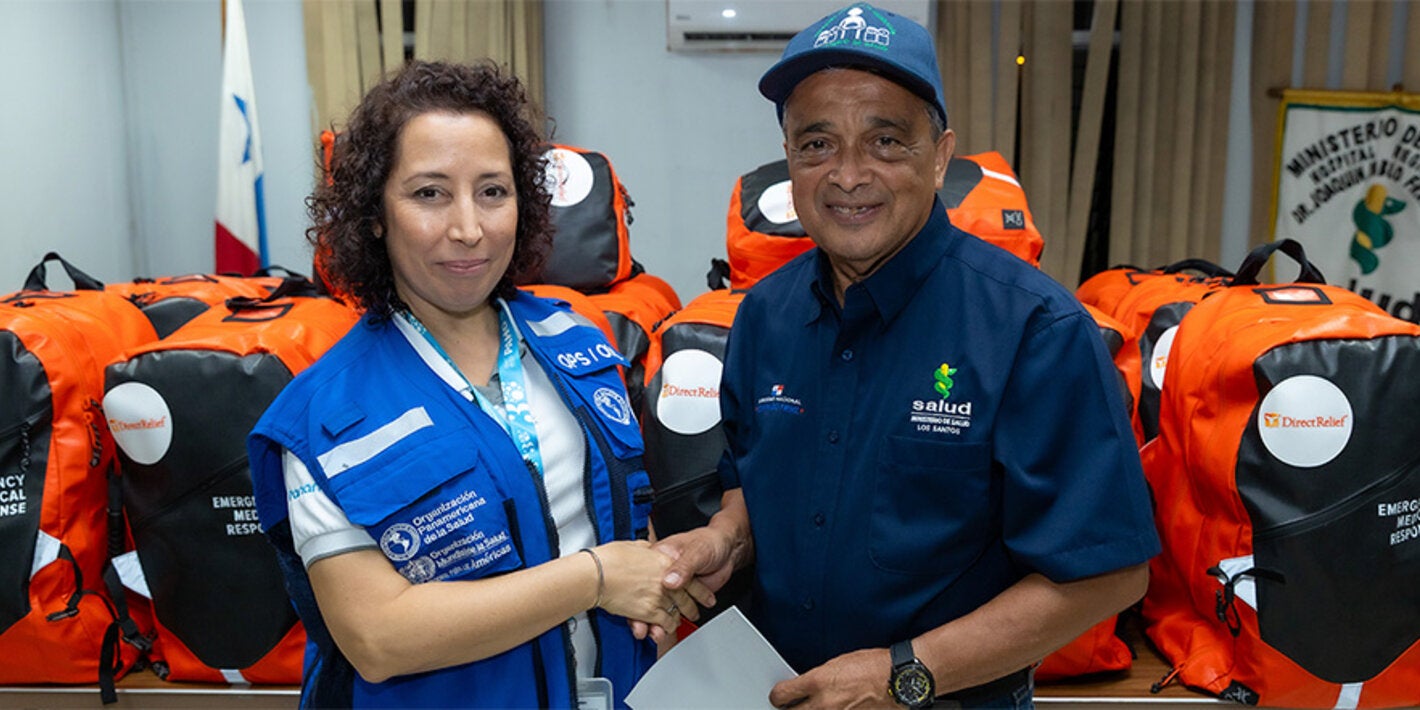
On 9 October 2026, at 12:56 p.m., a magnitude 7.5 earthquake occurred at a depth of 4 km, with its epicenter located 39 km northwest of Tonosí, in the province of Los Santos, according to the Institute of Geosciences of the University of Panama (IGC-UP). The epicenter's coordinates place it in Veraguas Province, near the border with Los Santos. PAHO/WHO is maintaining direct technical and operational cooperation with the Ministry of Health, mobilizing national and international capacities to support the earthquake response in the affected areas.
An earthquake is a term used to describe both a sudden slip on a fault and the resulting ground shaking and radiated seismic energy caused by the slip, or by volcanic or magmatic activity, or other sudden stress changes in the earth. (U.S. Geological Survey)
Worldwide, more than one million earthquakes occur each year, or an average of two a minute. A major earthquake in an urban area is one of the worst natural disasters that can occur. During the last four decades (1970-2017), earthquakes have been responsible for over a million deaths around the world in Armenia, China, Ecuador, Guatemala, Haiti, Iran, India, Indonesia, Japan, Mexico, Pakistan, Peru, and Turkey.
Excessive urbanization in various seismically active parts of the world has led to megacities with population densities of 20,000 to 60,000 inhabitants per square kilometer. Such cities are highly vulnerable to earthquake hazards, which include high case fatality rates for trauma, asphyxiation, hypothermia, and acute respiratory insufficiency, in addition to fractures and other injuries caused by the destruction of infrastructure.
Prepare for a probable earthquake by creating a family plan that includes how to contact each other and where to meet.
Learn how to act in the case of an earthquake by participating in simulations in your community/workplace/school.
Talk to your children about what to do if there is an earthquake, and especially, what to do if they are alone when one occurs.
Locate the safest places in your home/workplace/school to take shelter in an earthquake, and identify evacuation routes.
Keep emergency telephone numbers close at hand (civil defense, ambulance, hospitals, fire department, police, etc.).
Make sure you have sufficient emergency supplies, including clean water, non-perishable foods, prescription drugs, first aid kit, batteries, radio, and food for pets. Keep important documents such as passports or identity documents with you.
Prepare an emergency backpack/kit in case you have to evacuate the area.
If there is a pregnant woman in the family, prepare a pregnancy kit with medical documents, medicines, and other things that might be necessary if she is hospitalized for delivery or any complication.
Stay calm and, if necessary, help calm the people who are with you.
Stay away from windows and from objects that could fall, such as loose electrical wires.
Go to a safe place and take a protective position next to a wall or solid piece of furniture.
If you need to evacuate, use stairs, not elevators. Go to a safe area.
Follow the instructions of civil defense officials and other authorities.
If you are trapped, try to strike a metal object to make noise.
If you are on a public street or road, move away from utility poles, cables, and high buildings.
Check the condition of your dwelling. If you consider it unsafe, notify the authorities and go to a temporary shelter, or stay with acquaintances or family members.
Consult official sources to get the most up-to-date information.
Be careful with electrical currents, propane/natural gas lines, and sources of chemical hazards.
Help your family members and community by offering messages of support and encouragement.
Prevent an accident
Inspect your house during the day and notify civil defense authorities if you find structural damage.
During rubble-clearing work, use a respirator or mask, closed boots or shoes, a helmet, and if possible, safety glasses to prevent accidents.
Check the electrical equipment and propane/natural gas lines to detect any problems.
Keep children and pets outside the home until you have finished cleaning it and have inspected your building's structure.
If you find dead animals, notify health authorities or, if possible, cover the animals with lime.
Access to health services
After an earthquake, make sure that all injuries are thoroughly evaluated by health workers.
Health services may also have suffered structural damage and are not always able see patients. It is important to find out what health centers and hospitals are functioning.
Temporary health care services will be organized by health authorities. Go to one of these for any minor injury or to get emergency psychological care.
Safe drinking water and food
After an earthquake there is very likely to be a shortage of drinking water. Basic personal hygiene and handwashing are essential to prevent disease from spreading. These are especially important in an emergency.
For drinking, use water that is bottled, boiled, or disinfected with chlorine. Cook your food and wash your hands thoroughly before cooking.
Make sure that the bottled water you drink is properly sealed before you use it. Do not drink from the bottle if the seal is broken or twisted.
Boiling is the way to kill disease-causing viruses, parasites, and bacteria that may be in water.
If you cannot boil water, you can disinfect it using bleach (chlorine). Fruits and vegetables can be disinfected with a solution of water and household bleach. The amount of chlorine that should put in water will depend on the concentration of chlorine in the product you are using.
Read the label to determine the percentage of chlorine. Most household bleaches have around 4% chlorine. At this concentration, add 1 teaspoon of bleach for each liter of water.
Wash your hands with soap and clean water, or clean them frequently with an alcohol-based gel (hand sanitizer).
Try to stay well hydrated at all times and eat three meals a day.
Recall the 5 keys to safe food: Wash your hands; Make sure that cooking surfaces and equipment are well disinfected; Separate raw food from cooked food; Cook foods thoroughly and keep them at safe temperatures; Use treated water and select food that is in good condition.
To maintain public hygiene, it is necessary to ensure proper sanitation, waste disposal, food hygiene, and measures to prevent mosquito breeding.
Organize with your community to ensure that, together, you can maintain hygiene in your streets and neighborhoods.
Pregnant and breastfeeding women
Notify the nearest health care providers if you are pregnant, to ensure access to early care. It is important to tell them if you are taking a prescription drug during pregnancy.
Try to be with someone-a family or community member-at all times. This will help you handle stress and anxiety.
Try to drink enough clean water, have a place to rest, and eat safe foods.
Women who are breastfeeding should continue to do so, since breast milk is the safest food for babies. Even in stressful situations, it is important to encourage mothers to breastfeed their children.
People with noncommunicable chronic diseases
Make sure you always have your medicines in an emergency pack.
Notify health authorities of your disease and the treatment you are following, so that you can continue treatment in an emergency situation.
If you have a noncommunicable disease with acute complications (e.g. diabetes, hypertension, or a condition requiring dialysis) and cannot get access to your usual medicines, try to get to a health care facility as soon as possible.
Inspeccione su casa durante el día y notifique a las autoridades de defensa civil si detecta daños estructurales.
Durante las tareas de limpieza de escombros use un respirador o mascarilla, botas o zapatos cerrados, casco y, si es posible, gafas protectoras, para evitar accidentes.
Revise los equipos eléctricos y las tuberías de gas natural o propano para detectar cualquier problema.
Mantenga a los niños y los animales domésticos fuera del hogar hasta que haya terminado de limpiarlo y haya inspeccionado la estructura de la edificación.
Si encuentra animales muertos, notifique a las autoridades de salud o, si fuera posible, cúbralos con cal.
Después de un terremoto, asegúrese de que todos los traumatismos sean evaluados a fondo por el personal de salud.
Los servicios de salud también pueden haber sufrido daños estructurales y no siempre están en condiciones de atender pacientes. Es importante determinar qué centros de salud y hospitales están funcionando.
Las autoridades de salud organizarán servicios de atención provisionales. Diríjase a alguno de ellos por cualquier herida menor o para solicitar atención psicológica de urgencia.
Después de un terremoto, es muy probable que el agua potable se escasa.
La higiene personal y el lavado de manos son esenciales para prevenir la diseminación de enfermedades. Esto es especialmente importante en una situación de emergencia.
Beba agua embotellada, hervida o desinfectada con cloro. Cocine sus alimentos y lávese las manos muy bien antes de cocinar.
Asegúrese de que el agua embotellada que beba esté cerrada herméticamente antes de usarla. No beba de la botella si el sello está roto o torcido.
Hervir el agua es una manera de matar virus, parásitos y bacterias que causan enfermedades y pueden estar presentes en el agua.
Si no le es posible hervir el agua, puede desinfectarla con lejía o blanqueador (cloro). Las frutas y verduras se pueden desinfectar con una solución de agua y cloro de uso doméstico. La cantidad de cloro que se debe agregar al agua depende de la concentración que tenga en el producto que está utilizando. Lea la etiqueta para determinar el porcentaje de cloro. La mayoría de los productos domésticos tienen alrededor de un 4% de cloro. Con esa concentración, agregue una cucharadita por cada litro de agua.
Lávese las manos con jabón y agua limpia, o límpiese con frecuencia con un gel a base de alcohol (desinfectante de manos).
Trate de mantenerse bien hidratado y de comer tres veces al día.
Recuerde los cinco puntos clave para la inocuidad de los alimentos: lávese las manos; asegúrese de que las superficies y los utensilios que utilice en la preparación de alimentos estén apropiadamente desinfectados; separe los alimentos crudos de los cocidos; cocine completamente los alimentos y manténgalos a temperaturas seguras; use agua tratada y alimentos que estén en buenas condiciones.
Para mantener la higiene pública es necesario garantizar adecuadamente el saneamiento, la eliminación de residuos y la higiene de los alimentos, y tomar medidas para prevenir la proliferación de mosquitos. Organícese con su comunidad para mantener, juntos, la higiene en las calles y el vecindario.
Notifique a los prestadores de atención de salud más cercanos que está embarazada, para garantizar el acceso a la atención temprana. Es importante informar si está tomando un medicamento de venta con receta durante el embarazo.
Trate de estar acompañada en todo momento por un familiar o miembro de la comunidad. Esto le ayudará a manejar el estrés y la ansiedad.
Trate de beber suficiente agua limpia, tener un lugar para descansar e ingerir alimentos aptos para el consumo.
Las mujeres que están amamantando deben seguir haciéndolo, ya que la leche materna es el alimento más seguro para los bebés. Incluso en situaciones difíciles es importante alentar a las madres a que amamanten a sus hijos.
Asegúrese de tener siempre sus medicamentos en un estuche de emergencia.
Informe a las autoridades de salud sobre su enfermedad y el tratamiento que está siguiendo, de manera de poder continuarlo en una situación de emergencia.