Asunción, 31 August 2026 (PAHO/WHO) - The Pan American Health Organization/World Health Organization (PAHO/WHO), together with the Ministry of Public Health and Social Welfare (MSPBS), concluded a Technical Mission held from 24-27 August to define the next steps in the process toward validation of the elimination of trachoma as a public health problem in Paraguay. Trachoma is the world’s leading infectious cause of blindness.
Paraguay began generating evidence on the trachoma situation following recommendations from the Fourth Regional Meeting of National Trachoma Program Managers, held in 2016, which called on the country to conduct Trachoma Rapid Assessments in areas with populations in situations of vulnerability.
In 2018, the MSPBS National Eye Health Program conducted assessments in Indigenous communities and peri-urban settlements in the country’s Eastern and Western regions, including the Chaco. The epidemiological and community evidence gathered through these processes helped consolidate the national elimination dossier.
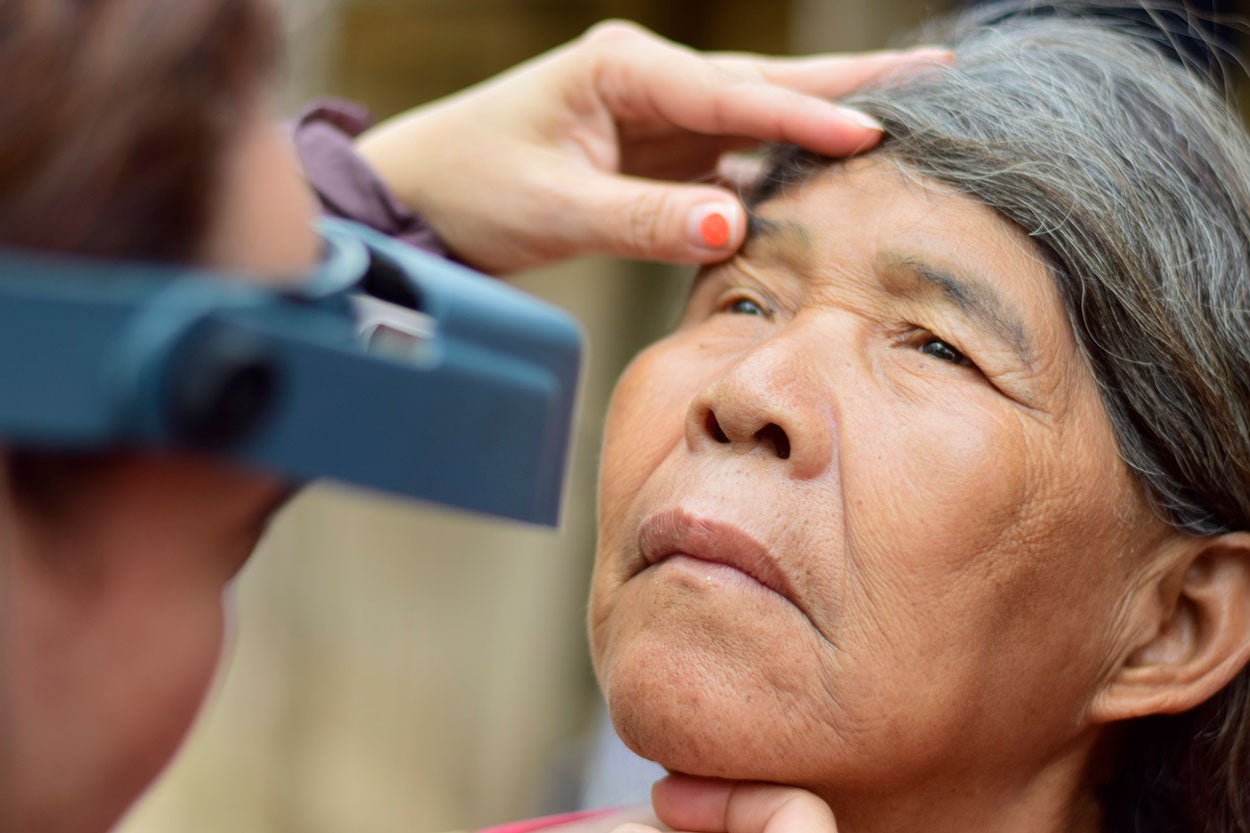
In 2025, Paraguay joined the Initiative for the Elimination of Trachoma as a Public Health Problem, a partnership between PAHO and the Government of Canada that strengthened technical cooperation and support for the country’s progress toward validation of elimination.
Sustained efforts by the Ministry of Health and national teams
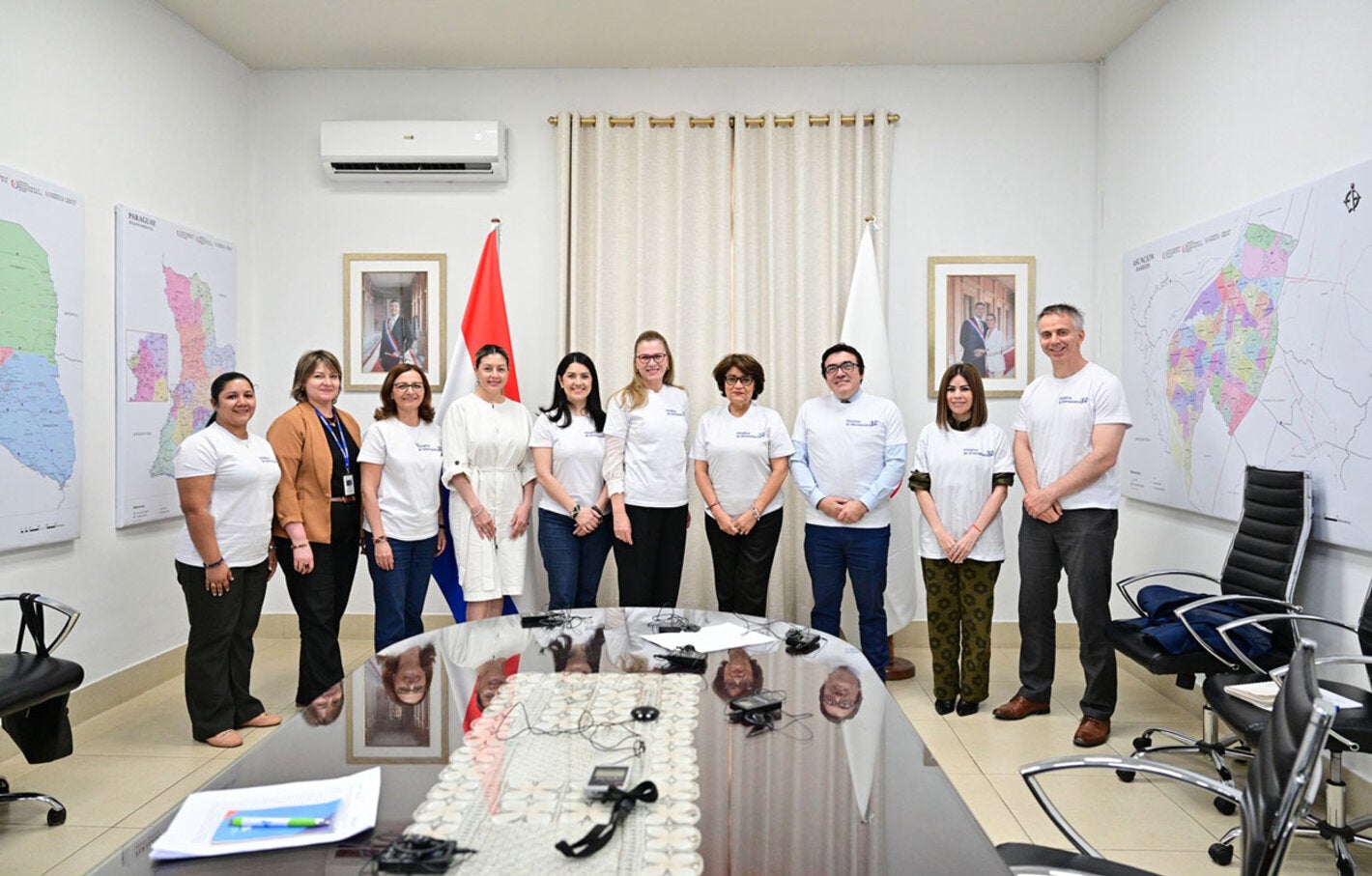
Dr. Haydee Padilla, PAHO/WHO Representative a.i. in Paraguay, together with the Technical Mission team, comprising Dr. Martha Saboyá, Senior Advisor for PAHO’s Disease Elimination Initiative, and Dr. Anthony Solomon, WHO Medical Officer responsible for trachoma, dracunculiasis and yaws control, elimination and eradication, presented the mission’s preliminary findings to Minister of Health Dr. María Teresa Barán and her technical team.
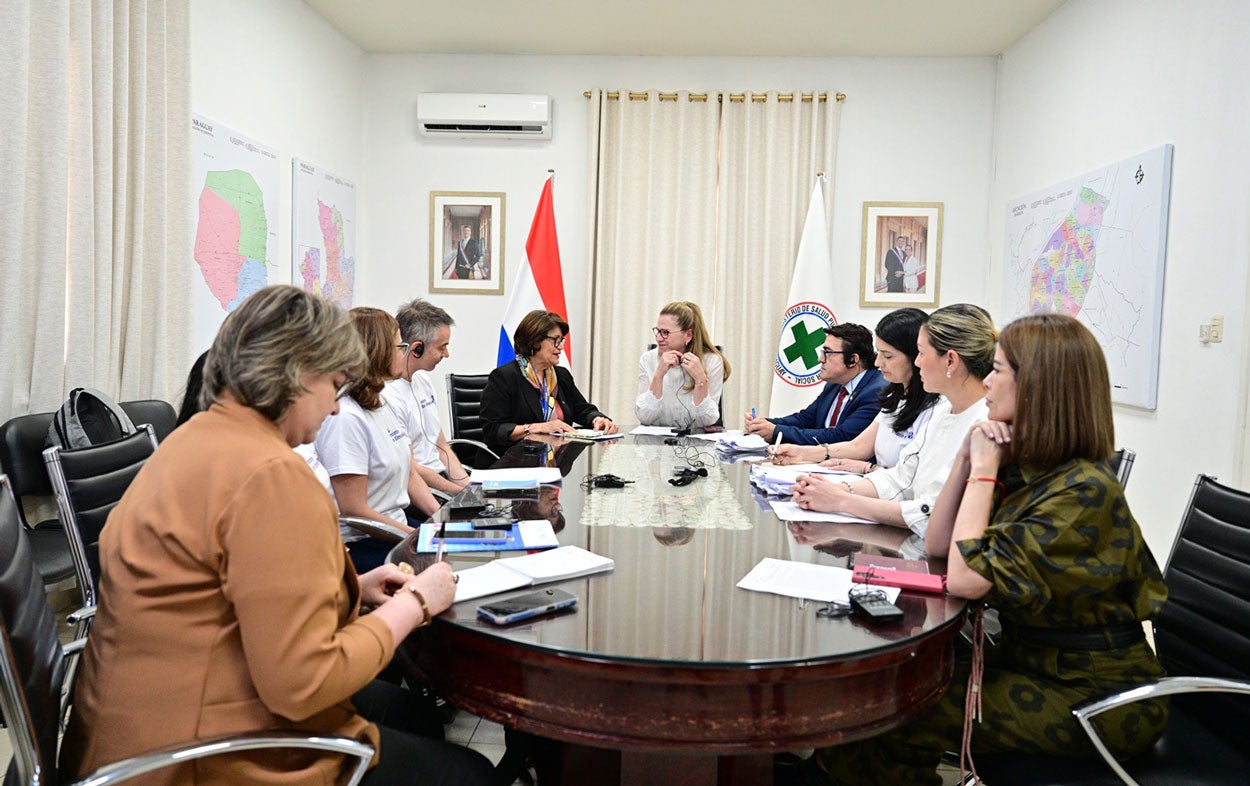
“In the field, we were able to see firsthand the extensive work that Paraguay has carried out and the evidence the country has been gathering, which has brought us to this stage in the process toward validation of trachoma elimination,” said Dr. Saboyá.
Dr. Padilla particularly highlighted coordination efforts to advance the health of Indigenous Peoples. The experts also recognized the interprogrammatic coordination within Paraguay’s health system, the active participation of communities and local health services, including health promoters and health personnel from the Nivaclé and Ayoreo Peoples, and the involvement of the National Directorate for the Health of Indigenous Peoples (DINASAPI), reflecting respect for the cultural diversity of Indigenous Peoples.
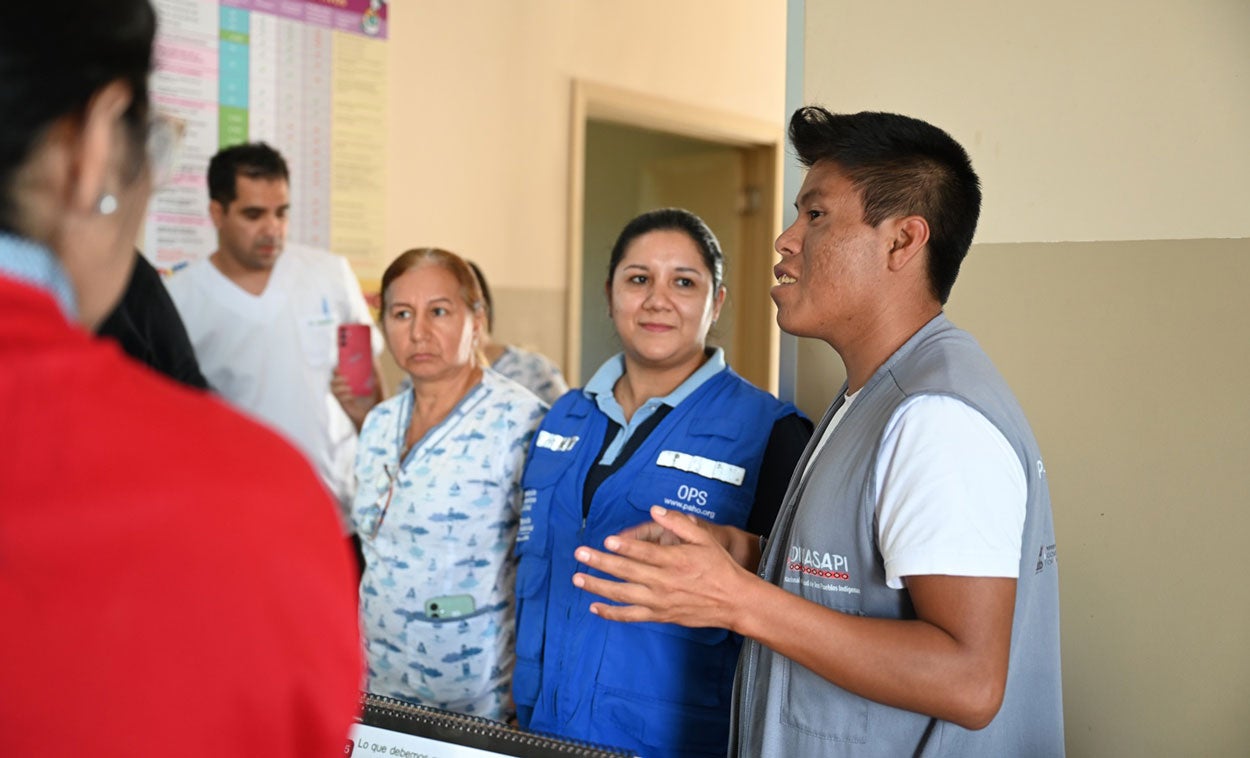
Dr. María Teresa Barán emphasized that eye health is a public health priority and that the progress achieved is the result of commitment and teamwork, not only within the Ministry, but also through PAHO/WHO technical cooperation and the support of key partners such as the National Vision Committee and Fundación Visión.
Paraguay’s progress toward trachoma elimination is grounded in an interprogrammatic approach led by the Ministry of Health that brings together, among others, the National Eye Health Program, the National Directorate for the Health of Indigenous Peoples (DINASAPI), the XVI Health Region of Boquerón, the Directorate General of Health Surveillance, and the Directorate General for Health Services and Networks Development.
Technical coordination and community participation
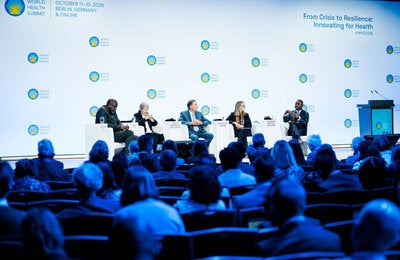
The mission began on 24 August in Asunción with a technical workshop on strategic coordination involving MSPBS authorities, national and international PAHO/WHO experts, and representatives of Paraguayan scientific societies. The official opening included Dr. Haydee Padilla, Dr. Martha Saboyá, Dr. Anthony Solomon, and Dr. Andrea Ojeda, Director General of Health Surveillance at MSPBS.
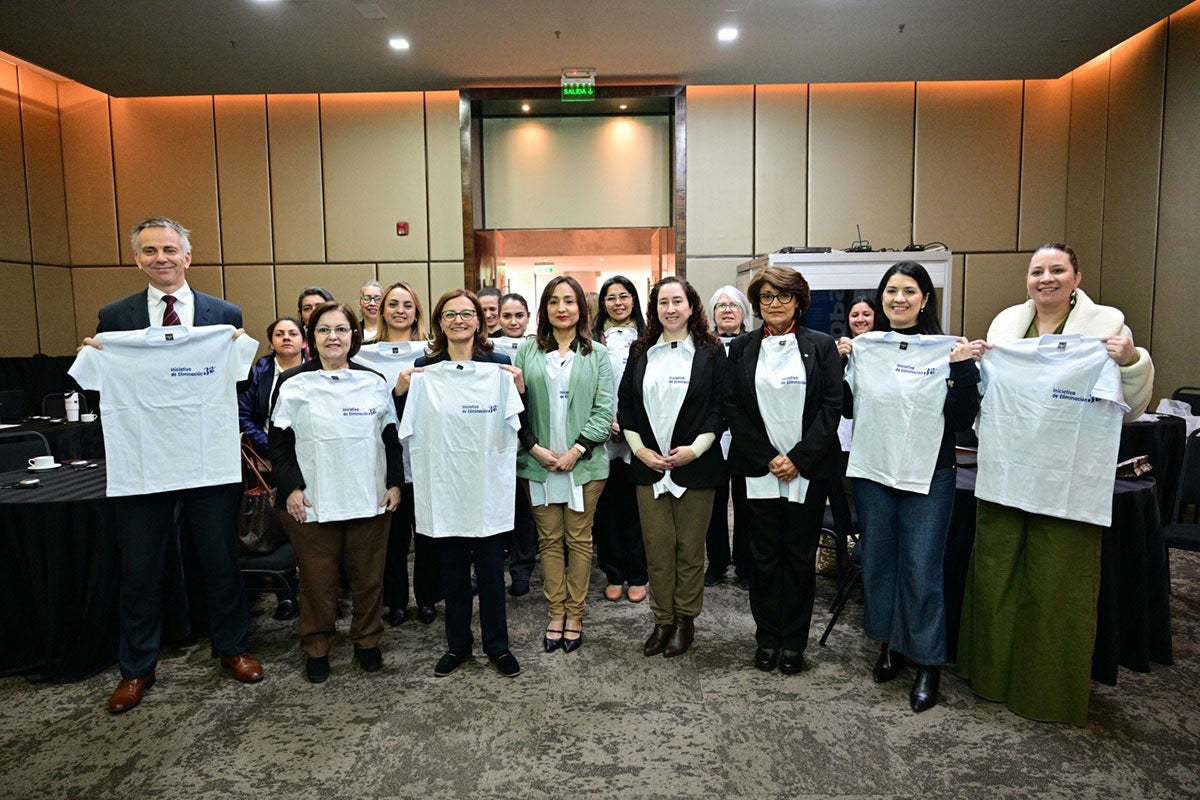
Participants also included Dr. Sofía Maldonado, Director of the National Eye Health Program, and Dr. Dalila Oviedo, Director of the National Directorate for the Health of Indigenous Peoples (DINASAPI).
The workshop included technical discussions on the global and regional trachoma situation, national epidemiological evidence from Trachoma Rapid Assessments conducted between 2018 and 2019, intercultural approaches with Indigenous communities, and a review of the national dossier, which brings together the documentation and evidence supporting the elimination of trachoma as a public health problem.
Fieldwork in the Chaco
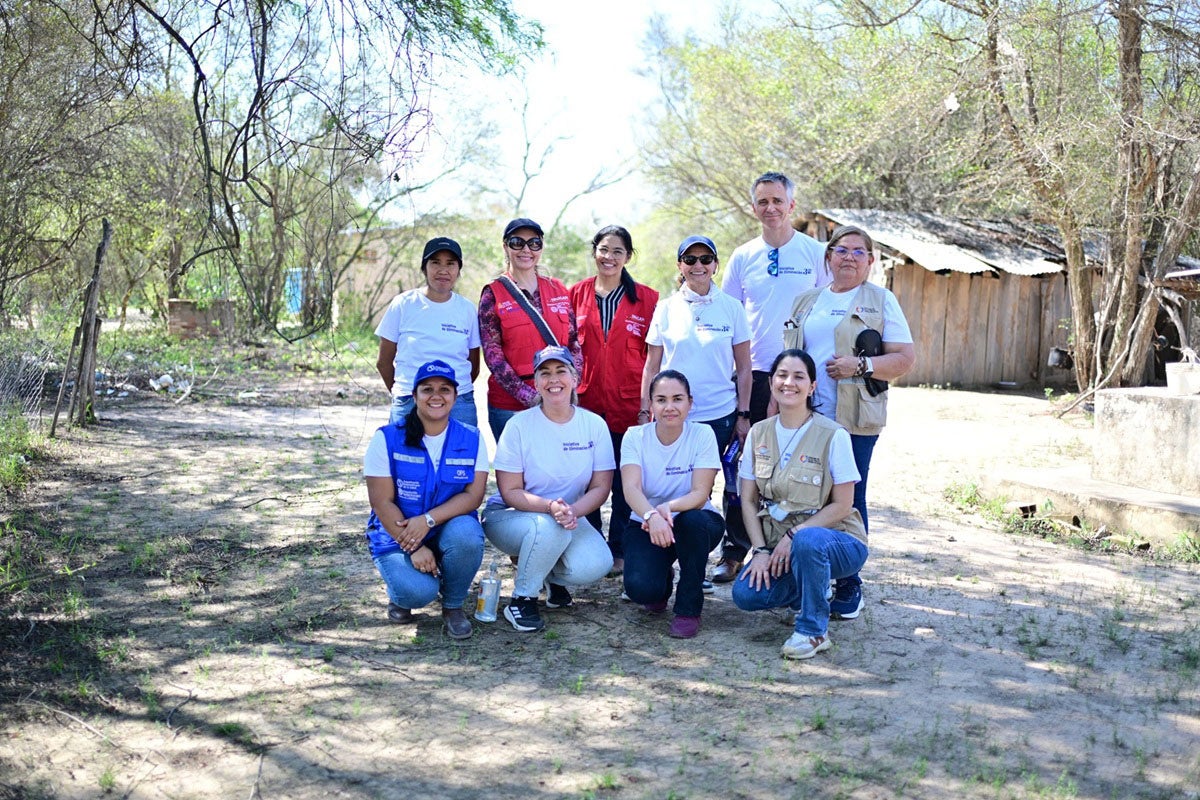
To assess the situation on the ground, identify strengths and gaps, and define the final roadmap toward validation, the Technical Mission traveled to the Paraguayan Chaco on 25 and 26 August.
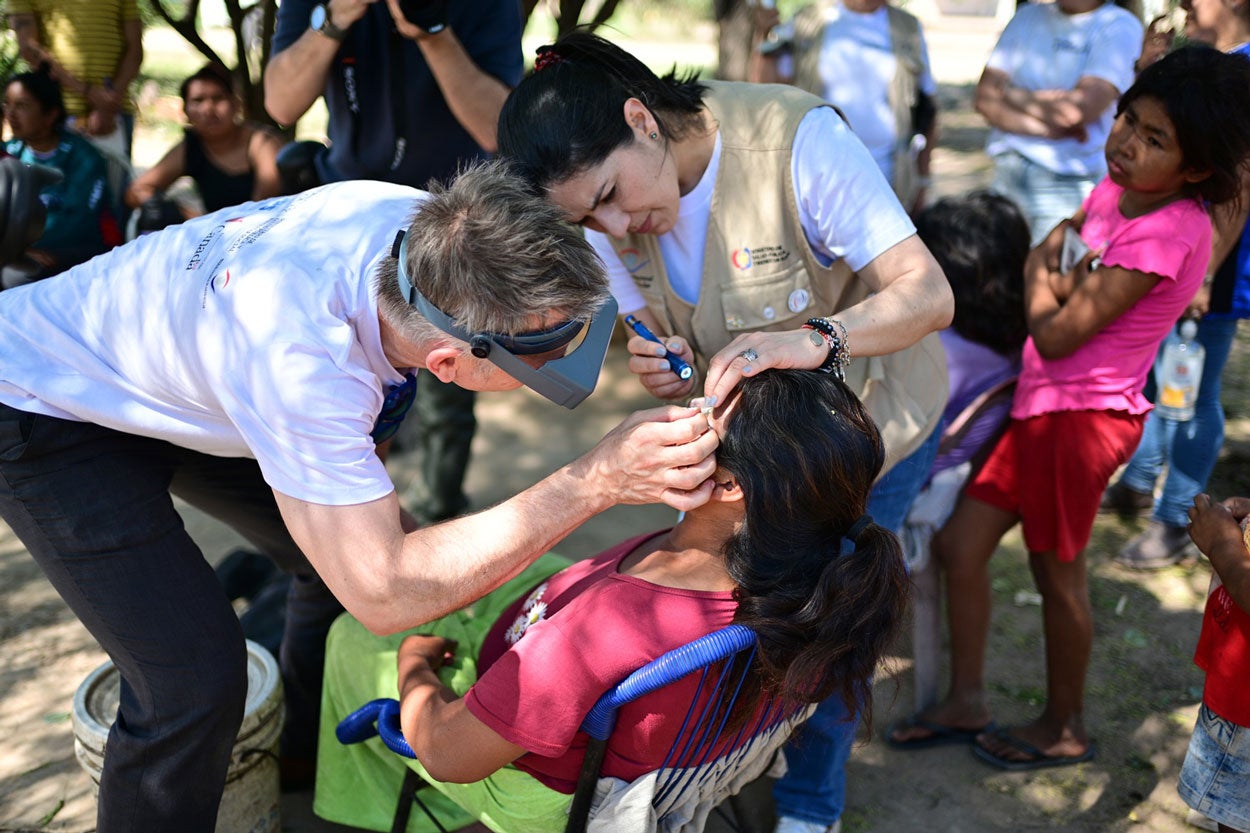
Interdisciplinary teams visited Indigenous communities of the Nivaclé (Campo Loa-Jotoicha) and Ayoreo (Campo Loro and Ebetogué) Peoples, where epidemiological assessments had previously been conducted. The field visits provided an opportunity to observe primary health care services firsthand, engage with community leaders, and assess the sustainability and reach of preventive measures implemented in the area. The process also created opportunities to coordinate integrated health services for the communities included in the assessments.
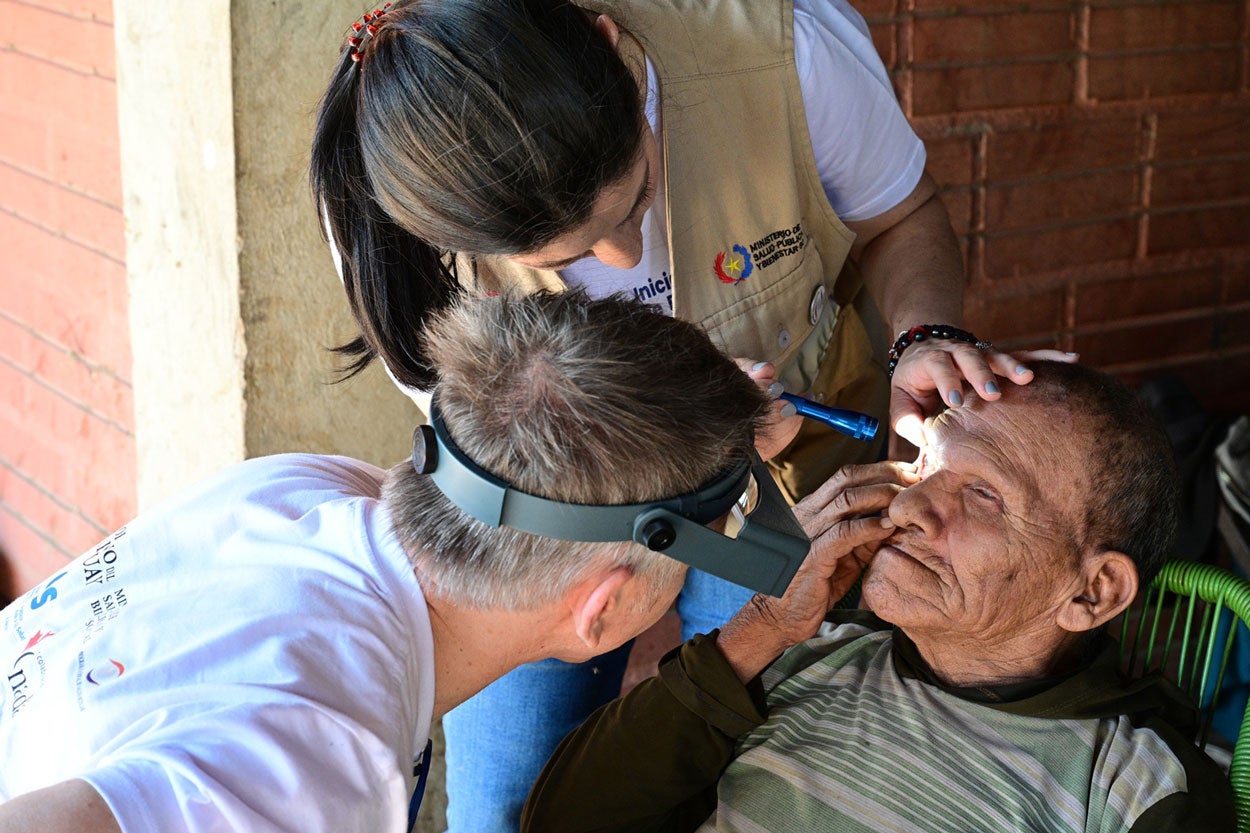
The visit to the Chaco demonstrated that eliminating neglected tropical diseases requires technical and scientific rigor, as well as sustained human, territorial and multicultural commitment to ensure the health and well-being of communities.
Within the framework of the Disease Elimination Initiative
These national and international efforts are part of PAHO’s Disease Elimination Initiative, which seeks to accelerate the elimination of more than 30 communicable diseases and related conditions in the Americas by 2030, as well as the Initiative for the Elimination of Trachoma as a Public Health Problem, supported by the Government of Canada.
Paraguay thus joins other countries in the Region that are advancing toward the elimination of neglected tropical diseases through a process that combines scientific evidence, stronger health systems, and commitment to communities in situations of vulnerability.
As a next step, Paraguay will compile the evidence gathered into a dossier to be submitted to PAHO and WHO to continue the process toward validation of the elimination of trachoma as a public health problem. The dossier will bring together the results of epidemiological assessments, surveillance processes, eye health services, and intercultural dialogues conducted with communities, and will provide the documentary basis for technical review by the international organizations.