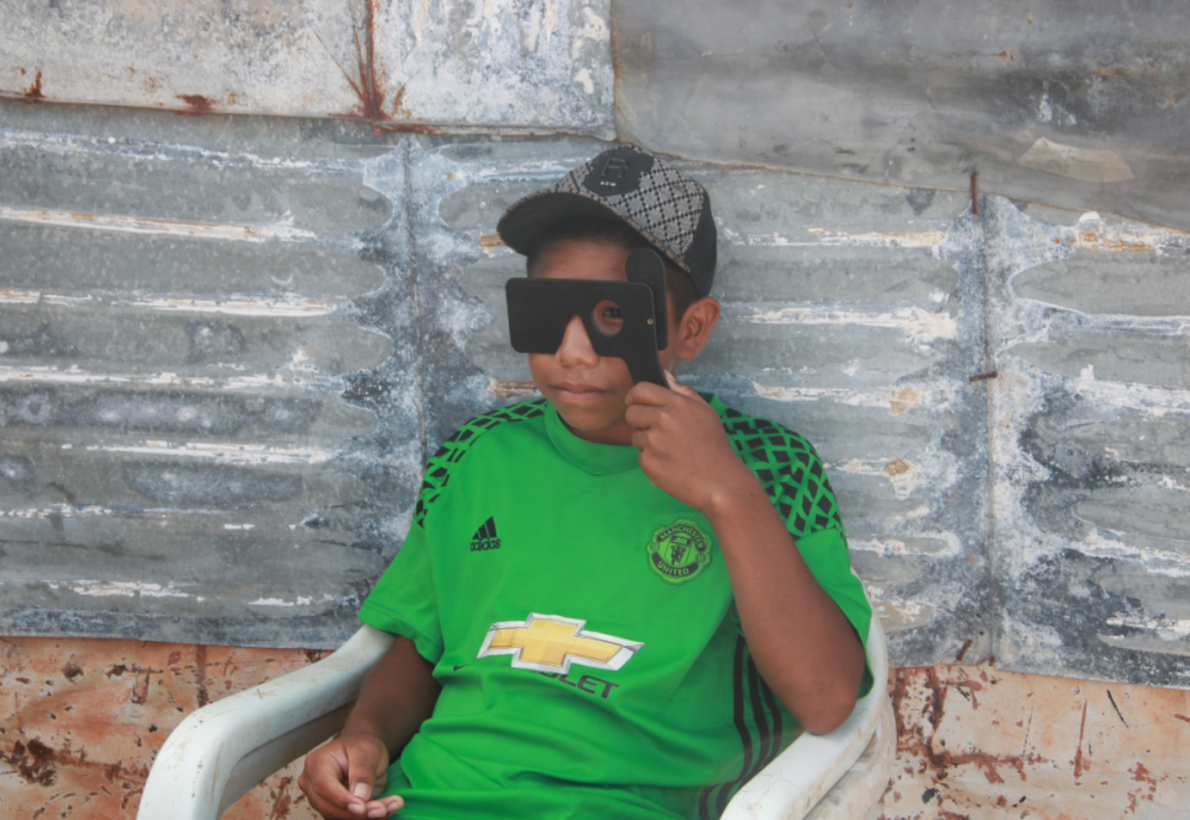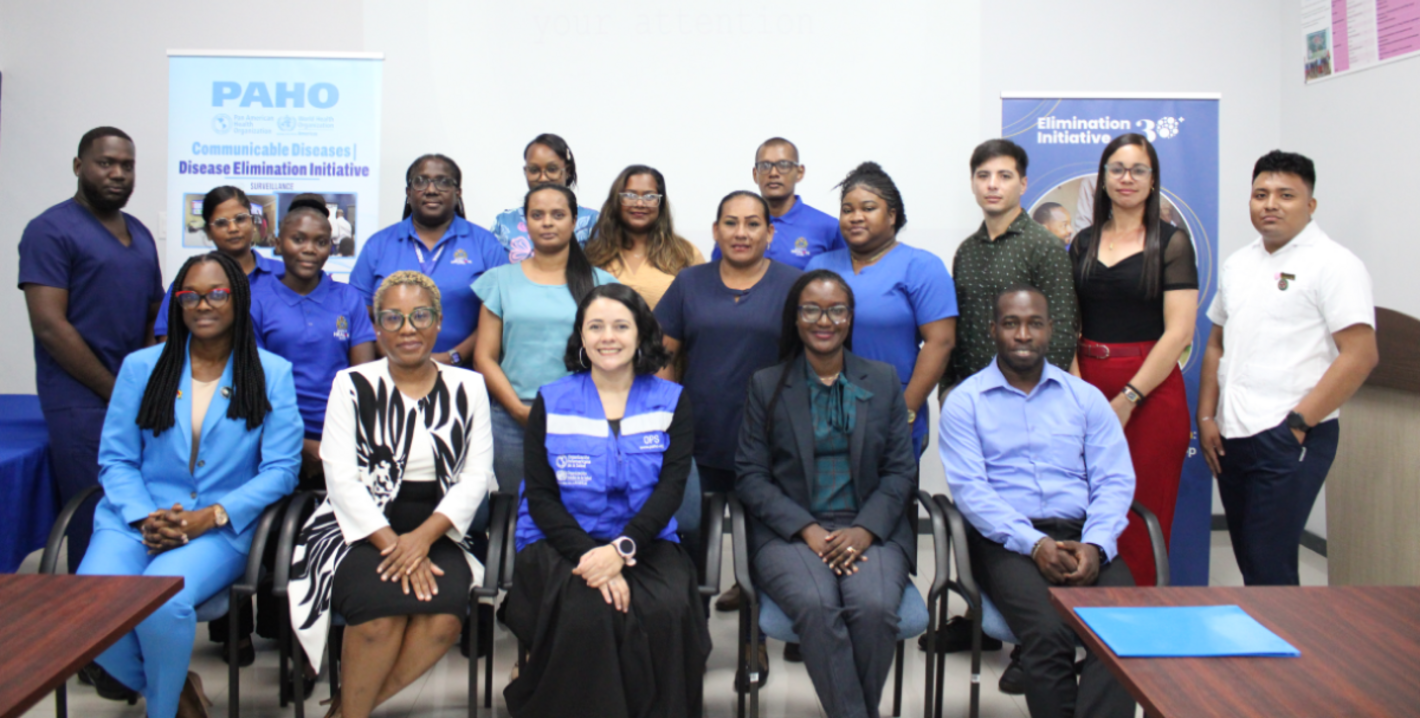
Georgetown, Guyana, 22 September 2026 - Pan American Health Organization/World Health Organization (PAHO/WHO), in collaboration with the Ministry of Health Guyana and the Government of Canada, has commenced a series of training workshops focusing on trachoma, health service outreach, and molecular laboratory techniques aimed at strengthening Guyana’s capacity to detect, manage, and eliminate neglected tropical diseases (NTDs) and other priority public health conditions.
In her opening remarks at the workshop, Dr. Reza Niles-Robin, representing the Ministry of Health, underscored the importance of the training as part of Guyana’s broader disease elimination agenda. She noted that the skills and competencies participants acquire during the workshop will be directly applied during the upcoming integrated trachoma survey, a key initiative designed to support the identification, treatment, and elimination of neglected tropical diseases in communities across the country.
“The work we begin here over the next few days is about more than training. It is about ensuring that our healthcare workers are equipped with the knowledge and practical skills needed to identify diseases early, connect people to care, and support Guyana’s goal of eliminating neglected tropical diseases. Every lesson learned here will have a direct impact on the health and well-being of our communities,” said Dr. Niles-Robin.
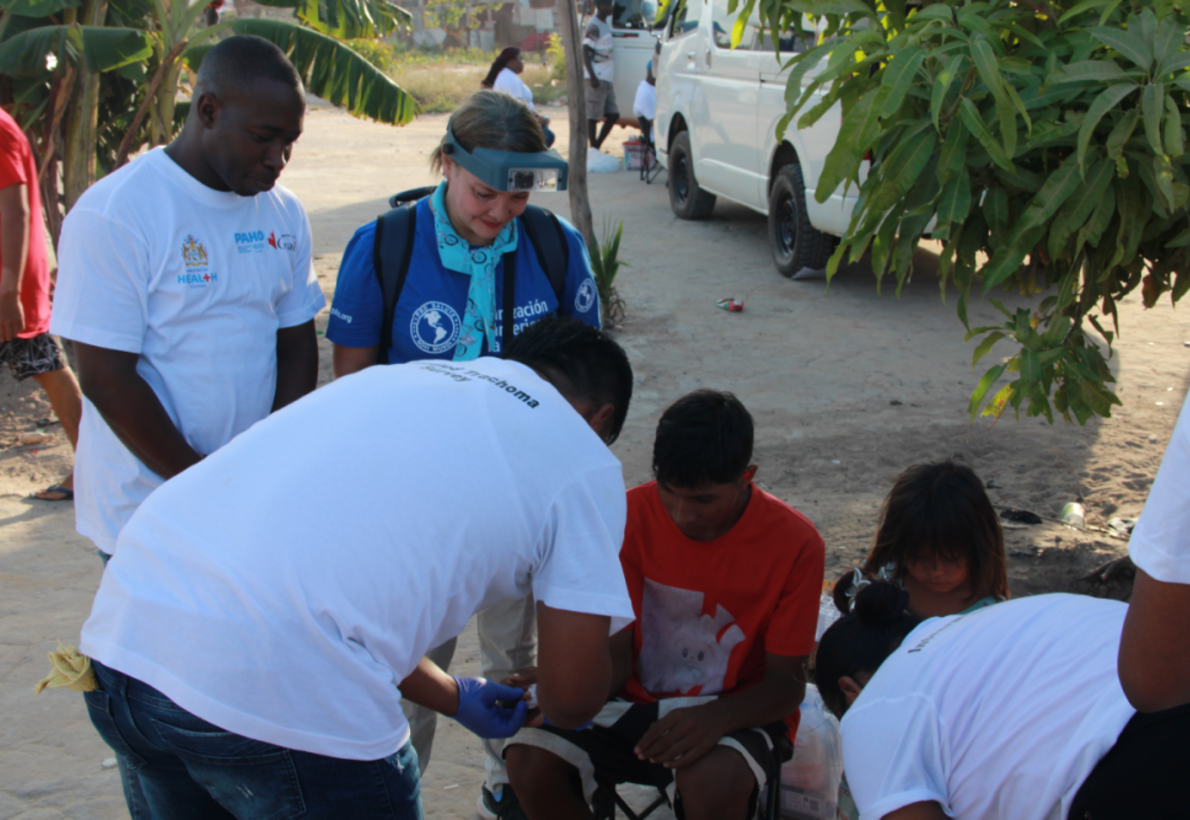
Dr. Niles-Robin explained that the training programme includes sessions on the differential diagnosis of skin diseases, case management and treatment, as well as practical field exercises. She encouraged participants to actively engage throughout the workshop by asking questions, sharing experiences, and applying the knowledge gained during field activities.
Representing PAHO/WHO, Dr. Rainier Escalada highlighted that the training extends beyond individual patient care and plays an important role in advancing Guyana’s national disease elimination programme. He explained that the upcoming integrated survey is not simply a data collection exercise, but also an opportunity to identify individuals in need of care, particularly among vulnerable and hard-to-reach populations.
“This survey is not only about gathering information; it is about finding people who may have been missed, ensuring they receive appropriate care, and bringing services closer to those who need them most. By combining training, surveillance, and outreach, Guyana is demonstrating a strong commitment to leaving no one behind in its disease elimination efforts,” Dr. Escalada stated.
Dr. Escalada also commended Guyana’s continued commitment to eliminating multiple diseases and strengthening public health interventions nationwide.
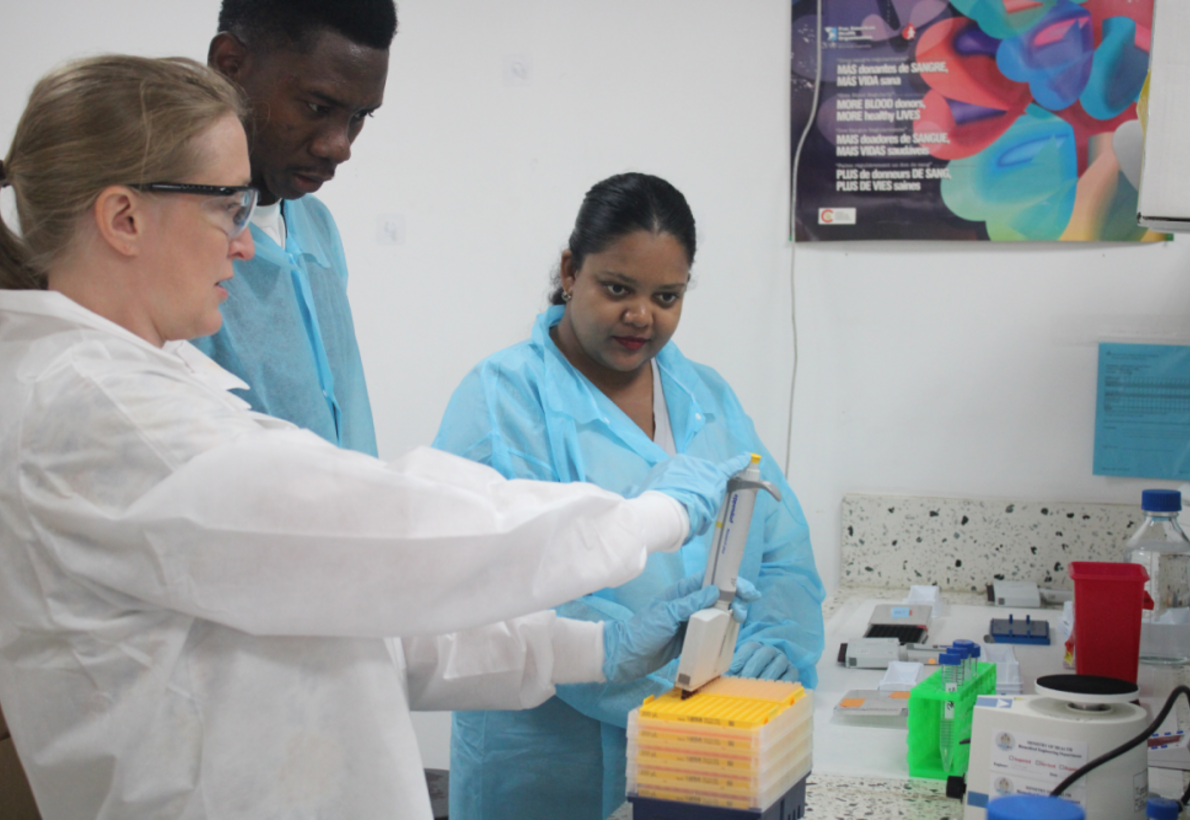
Minister of Health Dr. Frank Anthony, in a previous disease elimination workshop, emphasized the country’s significant progress in disease elimination and reiterated the importance of strengthening health systems, building local capacity, and equipping healthcare workers with the knowledge and tools needed to detect and respond to diseases early.
The workshop represents a critical step in preparing healthcare workers, field personnel, and public health practitioners to support the integrated trachoma survey, strengthen disease surveillance systems, and contribute to Guyana’s ongoing efforts to eliminate preventable diseases.
PAHO is playing a significant role in strengthening integrated disease surveillance across the Americas through its Trachoma Plus Training initiative. By equipping health professionals with the skills to conduct expanded trachoma surveys that include additional health indicators and disease testing, PAHO is helping countries such as Guyana improve public health decision-making, optimize resources, and reach vulnerable populations in remote communities.
Guyana is among the countries implementing the Trachoma Plus approach. In remote Amazonian regions, trachoma surveys are being used to collect serum samples for Chagas disease testing, enabling the country to obtain valuable epidemiological information while optimizing limited resources
By enhancing technical expertise and expanding field readiness, the training reinforces the Ministry of Health’s vision of advancing disease elimination and improving health outcomes for all Guyanese, particularly those living in underserved communities.