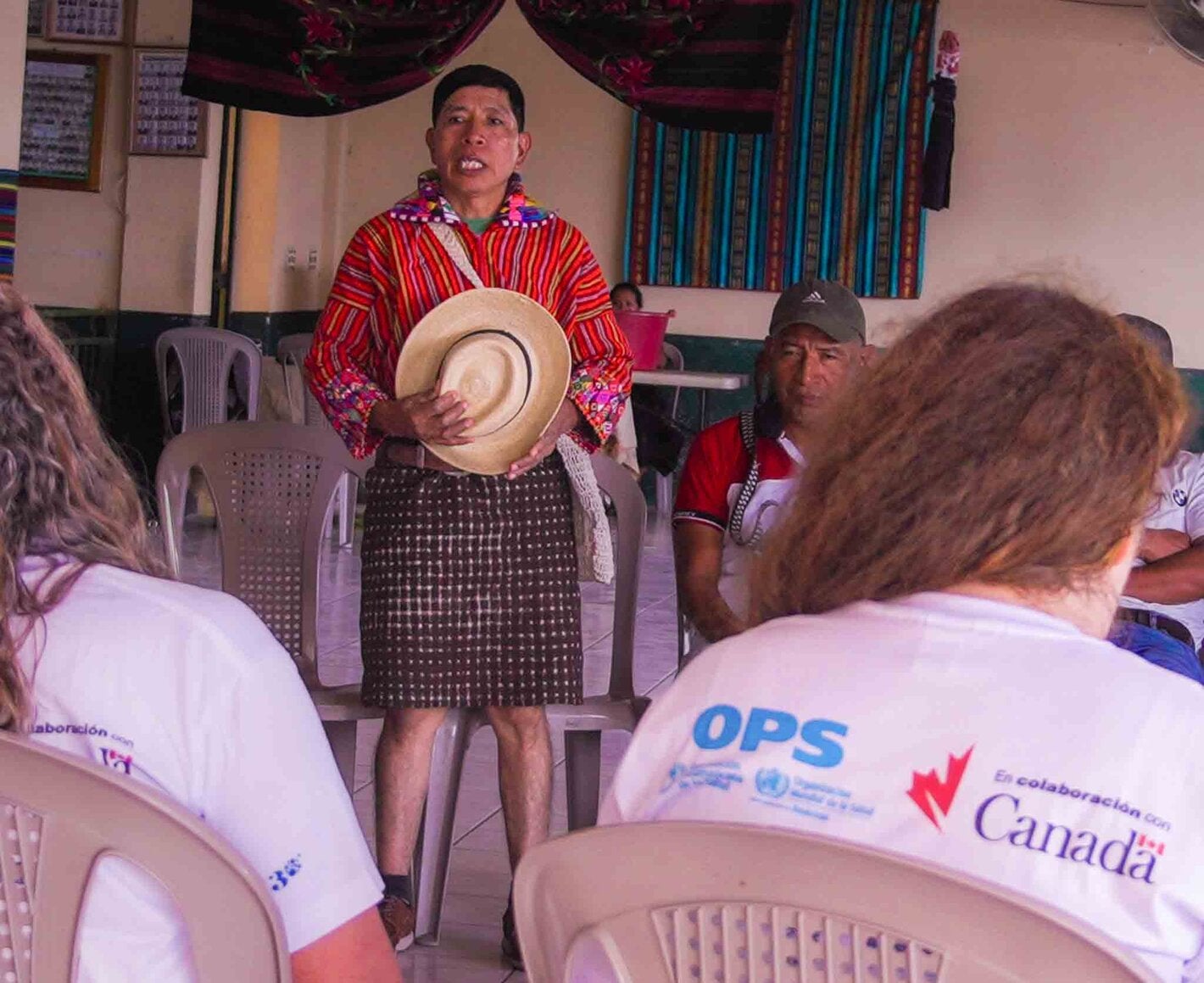
Guatemala, November 2025. – A recent experience in Xejuyup, a K’iche’ Mayan community in Sololá, demonstrated that health cannot be imposed: it is built through dialogue, respect, and involvement of the entire community. Xejuyup hosted the Knowledge Dialogues for trachoma prevention, a forum in which health authorities and community leaders conversed on an equal footing, sharing knowledge, concerns, and solutions.
The Knowledge Dialogues are a Pan American Health Organization (PAHO)-recommended methodology promoting equality, namely that: no one is above anyone else; every contribution counts; and every community experience is valuable. Although intercultural encounters are generations-old, this approach establishes a protocol that allows for nonhierarchical conversations and consensus agreements within a defined time frame.
Dina Choc, a psychologist from the Xejuyup health district in Nahualá, and one of the facilitators, emphasized that this methodology has made it possible to reach diverse population groups. On this occasion, 17 and 18 November, the Ministry of Health, with PAHO’s support, instigated two intercultural dialogues to drive forward the Initiative for the Elimination of Trachoma in the Americas.
Ms. Choc said: “We have an intercultural dialogue guide, prepared by the Ministry of Health with PAHO’s technical support, which has been a useful tool for our communities. We practice Knowledge Dialogues in forums with women, community leaders, Mayan healers, midwives, and in youth-friendly spaces.”
These forums act as a bridge between scientific medicine and traditional medicine. There, communities express doubts, fears, and knowledge, while professionals listen, respond, and clarify concerns in an environment of trust.
Trachoma as a starting point
Trachoma has been a central theme in the Knowledge Dialogues held in Sololá since 2024. The disease remains endemic in communities such as Xejuyup and Guineales, located in the Boca Costa region, an area of high humidity, high temperatures, persistent poverty, and limited access to safe drinking water and basic sanitation.
Community leaders, community development council (COCODE) representatives, local healers, midwives, Ministry of Health and PAHO staff discussed trachoma, its symptoms, how to identify it, antibiotic treatment, and the importance of safe water. This last point led to a major concern: hand and face washing is essential to reduce transmission, but the community has no access to safe drinking water.
Participants at the gender-segregated sessions asked simple but thought-provoking questions:
If my eyes are red, is it trachoma? Why should I always wash my face and hands? How can we get safe water in our homes? Is piped water as safe as drinking water?
The talks led to community agreements, including: installing chlorinators in water tanks to ensure safe drinking water; accepting medical treatment alongside traditional medicine; organizing information campaigns; and continuing dialogues with Mayan healers —around 80 in a population of 3,500— to expand local reach.
Daniel Vargas, PAHO/WHO Guatemala Advisor in Communicable Diseases, explained that the initial dialogues focused on raising awareness about the importance of having eye surgery when needed.
He said: “As they are older adults, they often ask their children or partners for permission. Since they thought the surgery could harm them, they didn’t agree to it. That’s where the methodology has been key; it has given the population confidence to agree to the surgery and improve their quality of life.”
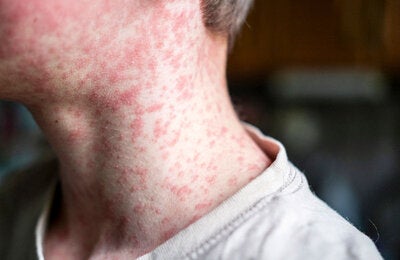
Trachoma is the leading infectious cause of blindness worldwide. It is transmitted through direct contact with infected eye or nasal secretions. It particularly affects women and children. Although preventable, without timely care it can cause blindness in its advanced stage. Regular face washing is key to stopping the disease from spreading.
Antonio Tziquín, community leader of the Pacanal 1 village, said that he was glad to participate. He highlighted the importance of discussing access to safe water, which is essential for drinking, facial hygiene, and to stop trachoma transmission.
Goal: eliminating trachoma as a public health problem
Since 2023, the Government of Canada and PAHO have been working together on the Initiative for the Elimination of Trachoma in the Americas. The aim is to improve community health, especially in women and children. Of the ten countries implementing the initiative, Guatemala is one of the closest to eliminating trachoma. It is second only to Mexico, which has already eliminated the disease.
To reach this goal, Guatemala is implementing the World Health Organization (WHO)-recommended SAFE strategy, which includes:
- S – Surgery to correct trichiasis.
- A – Antibiotics to treat infection.
- F – Facial hygiene to reduce transmission.
- E – Environmental improvements, by improving access to water and basic sanitation.
The Knowledge Dialogues have been essential to implementing each component of the SAFE strategy. They have also created opportunities to address other community health issues, strengthen social participation, and promote co-responsibility.
Eva Cristina López, Xejuyup community leader, said: “These dialogues seemed quite educational for us as women, since we have often been left behind by machismo. Every conversation helps us learn, and we can take the information back to our homes and the community.”
The events in Xejuyup showed that health is built in the community, through the power of dialogue and the conviction that every agreement is a step toward dignity and well-being.