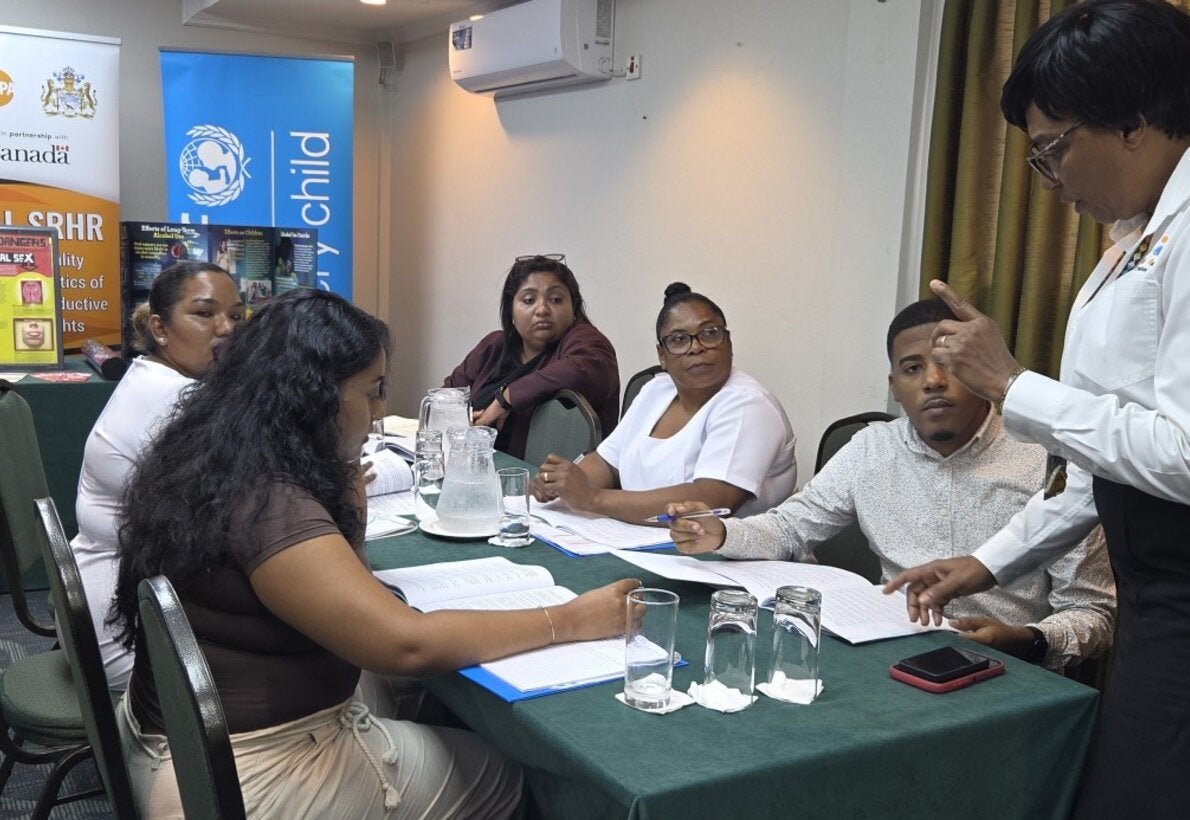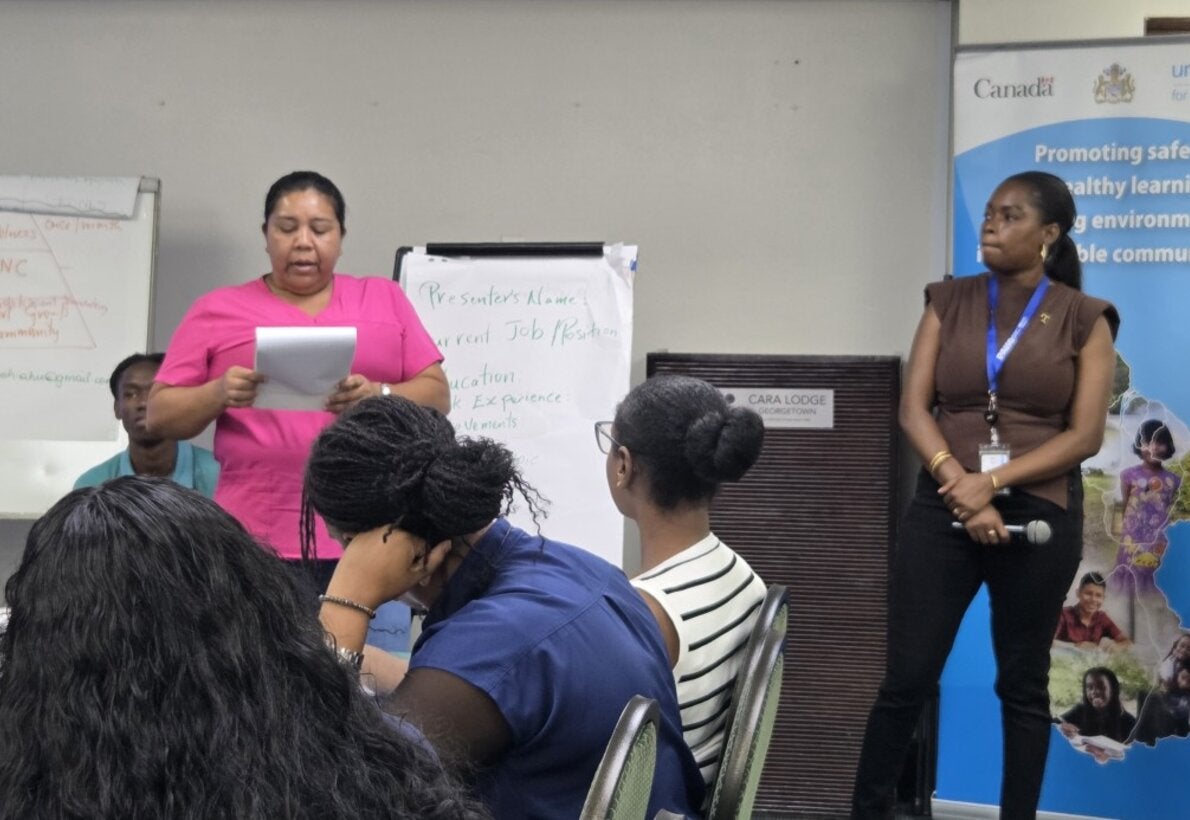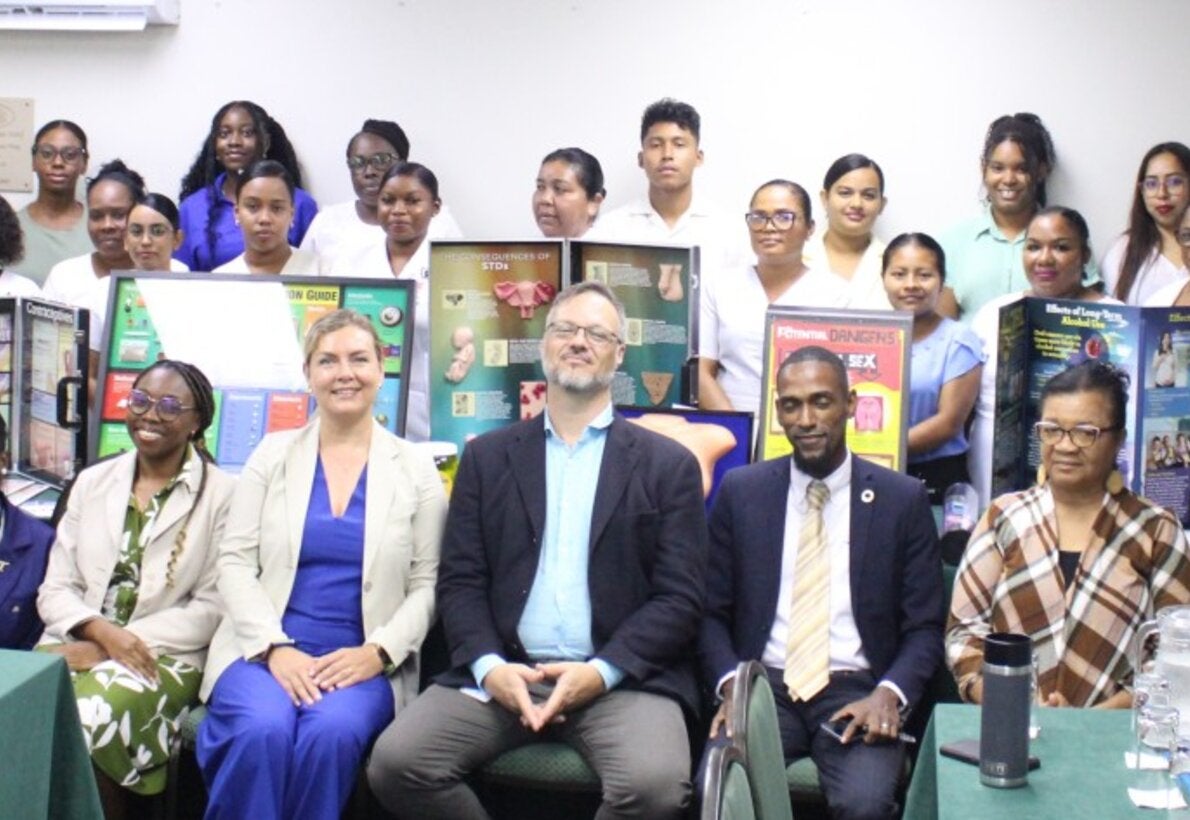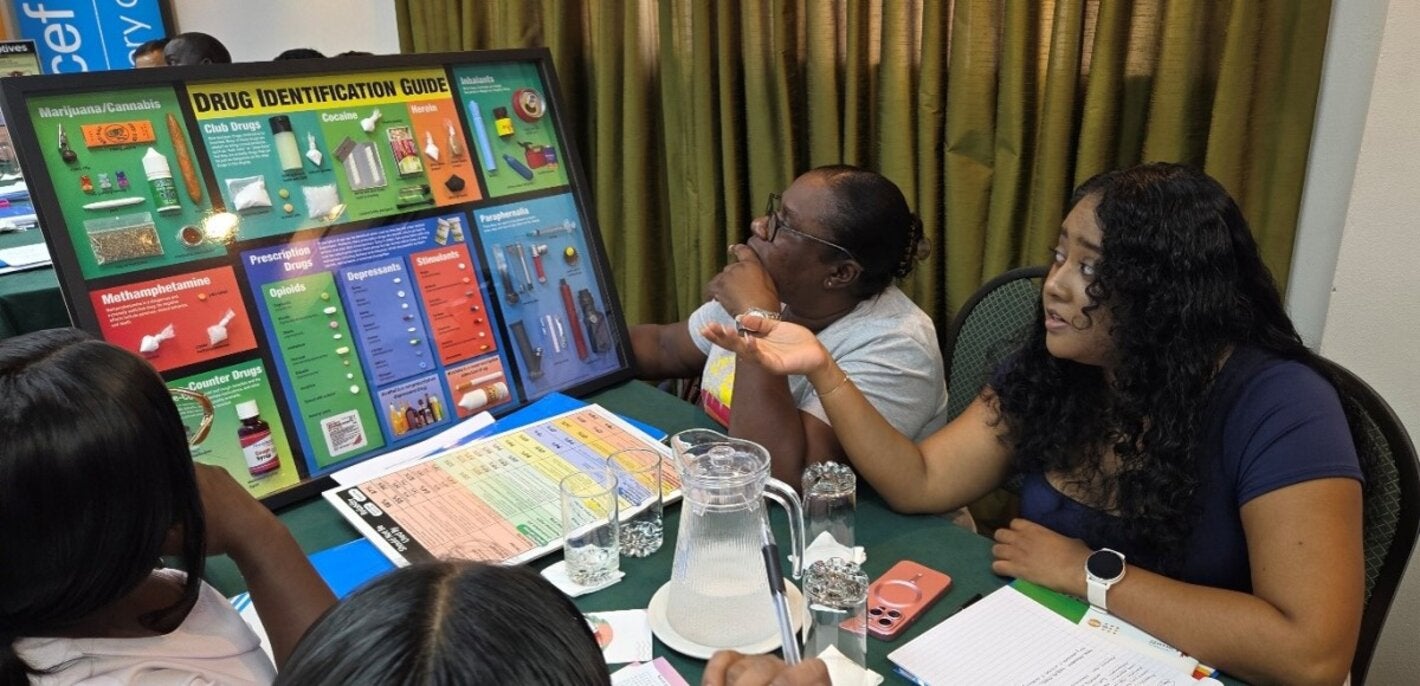
Georgetown, Guyana, 10 July 2026 – PAHO/WHO, in collaboration with the Ministry of Health, UNFPA, and UNICEF, with support from the Closing the Gaps in Sexual and Reproductive Health and Rights for Women and Adolescent Girls (C-Gaps) Canadian project, conducted a four-day workshop aimed at strengthening adolescent health services at the community level. Bringing together healthcare professionals, community health workers, and key stakeholders, the workshop reinforced Guyana’s commitment to improving the health, well-being, and prospects of its young people.
With adolescents and youth aged 10–24 comprising nearly one-third of the population, investing in adolescent health remains a national priority. While Guyana has achieved notable progress in maternal and child health, challenges such as adolescent pregnancy continue to affect rural and hinterland communities disproportionately. Factors including poverty, limited access to comprehensive sexuality education, school dropout, and restricted economic opportunities have contributed to persistent health inequities among adolescents.
To address these challenges, the Ministry of Health has expanded adolescent and youth-responsive services through initiatives such as Adolescent Health and Wellness Clinics, Adolescent Antenatal Clinics, and Community Parenting and Support Groups. Complementing these efforts, PAHO/WHO Guyana, UNICEF, and UNFPA supported the training of healthcare workers and equipped health facilities in Regions 2, 3, 4, 6, 7, and 10 with educational models and learning aids to enhance adolescent health education and service delivery.
These investments are creating new opportunities for adolescents to access accurate health information, supportive services, and safe spaces where they can learn and thrive. Through interactive learning tools, strengthened healthcare capacity, and sustained partnerships, Guyana is fostering hope for a healthier generation—one empowered to make informed decisions, pursue their goals, and contribute to the nation’s continued development.
PAHO/WHO remains committed to providing educational support to improve adolescent health through the empowerment of adolescent support groups. By strengthening their capacity to address challenges and make informed decisions, these initiatives will contribute to better health outcomes and support the achievement of the Sustainable Development Goals (SDGs) by 2030.