Mexico, 30 July 2026 (PAHO) - The FIFA World Cup 2026 brought millions of fans to Mexico City and required an unprecedented effort to strengthen public health surveillance. With the tournament now over, one of its lasting legacies is a stronger epidemic intelligence system, strengthened with technical support from the Pan American Health Organization (PAHO), that will help the city detect and respond to future health threats faster.
The influx of international visitors increased the risk of infectious disease transmission. According to FIFA, nearly 7 million spectators attended the tournament, with an average of more than 65,000 fans per match. To support surveillance during the event, Mexico City deployed SIAT-CDMX (Early Warning Information System), an enhanced platform designed to detect public health threats in near real time. At the heart of this effort was the WHO/PAHO Early Warning, Alert and Response System (EWARS).
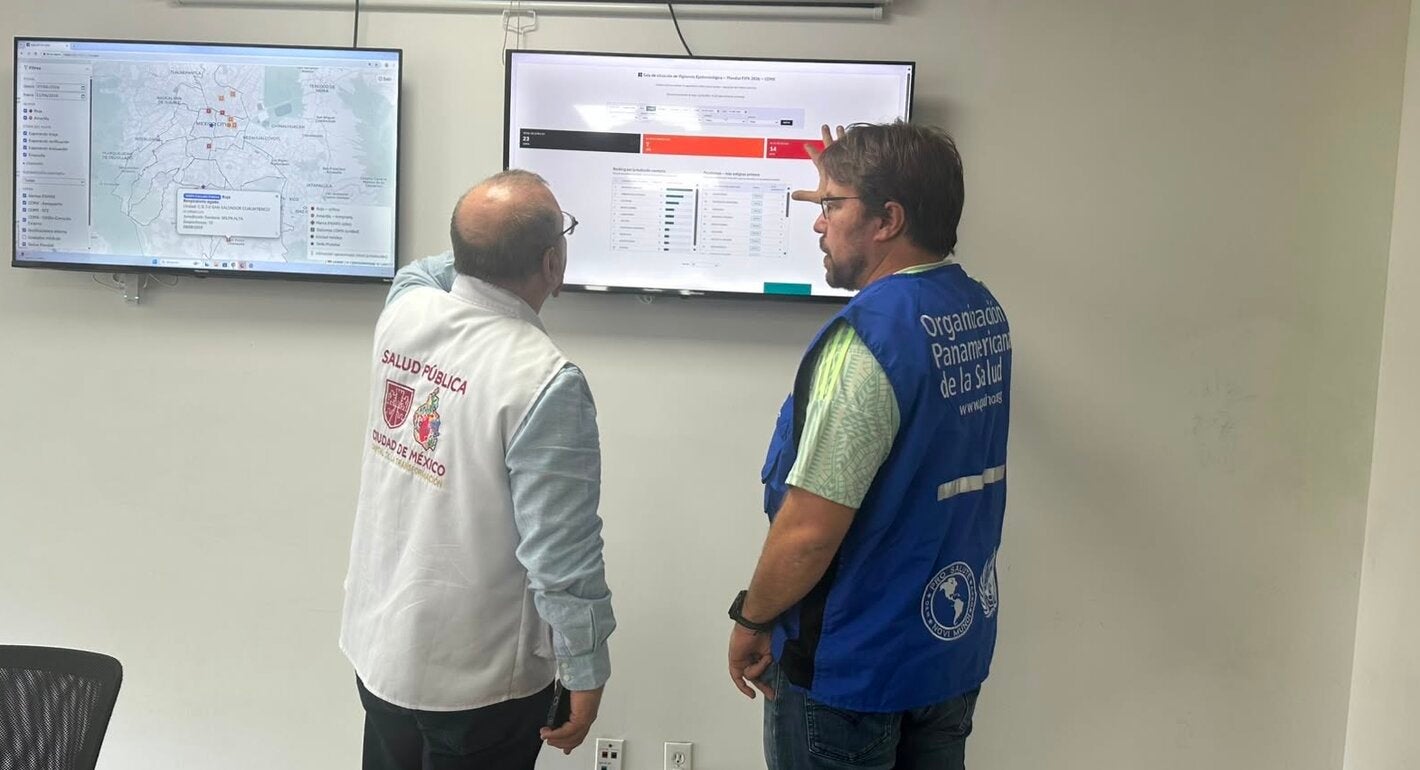
During the tournament, EWARS complemented Mexico City's existing public health surveillance system without replacing or duplicating it. By enabling near real-time data management, the system helped shorten the time needed to detect and respond to potential health threats. It combined information from Mexico's official disease surveillance systems, including SINAVE and SISVER, with alerts reported directly from stadium medical posts and FIFA Fan Festivals. This broader view allowed health teams to identify unusual health events and potential outbreaks earlier, helping authorities respond before they appeared in the routine national surveillance system.
The platform strengthened public health surveillance in three key ways: it accelerated the detection of potential threats, helped authorities prioritize risks, and ensured continuous monitoring even in challenging conditions. Using PAHO's epidemic intelligence methodology, priority alerts could be verified and assessed within two hours, allowing health teams to respond quickly to suspected diseases such as measles. The integration of WHO's Quick and Immediate Risk Assessment (QIRA) algorithm also provided a standardized way to assess risk, automatically ranking each alert according to its severity and potential for spread. This helped authorities direct resources where they were needed most. In addition, EWARS-in-a-Box allowed surveillance to continue in crowded areas or places with limited connectivity, enabling medical teams to record alerts offline and automatically synchronize the information once internet access was restored.
The system's impact was reflected in its results. By the end of June 2026, it had processed 382 public health alerts and successfully resolved 311 of them, demonstrating its ability to manage a high volume of alerts during one of the world's largest mass gatherings.
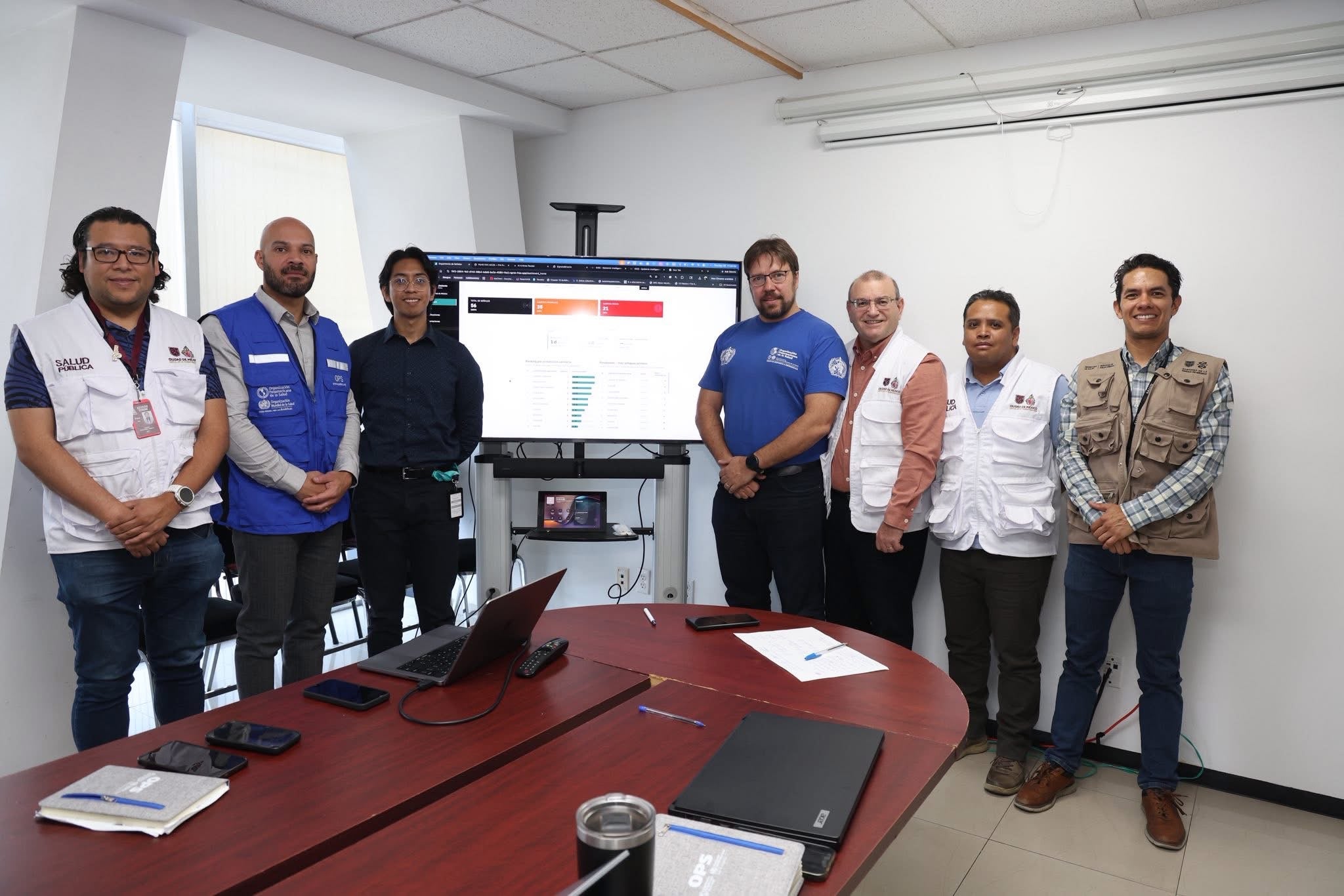
PAHO's contribution extended far beyond the technology itself. Throughout the planning and implementation of the World Cup, the Organization worked alongside local health authorities by providing technical guidance, operational support, and training. As a result, Mexico City now has stronger epidemic intelligence capacity that will continue to improve the detection, assessment, and response to future outbreaks and other public health emergencies long after the tournament has ended.