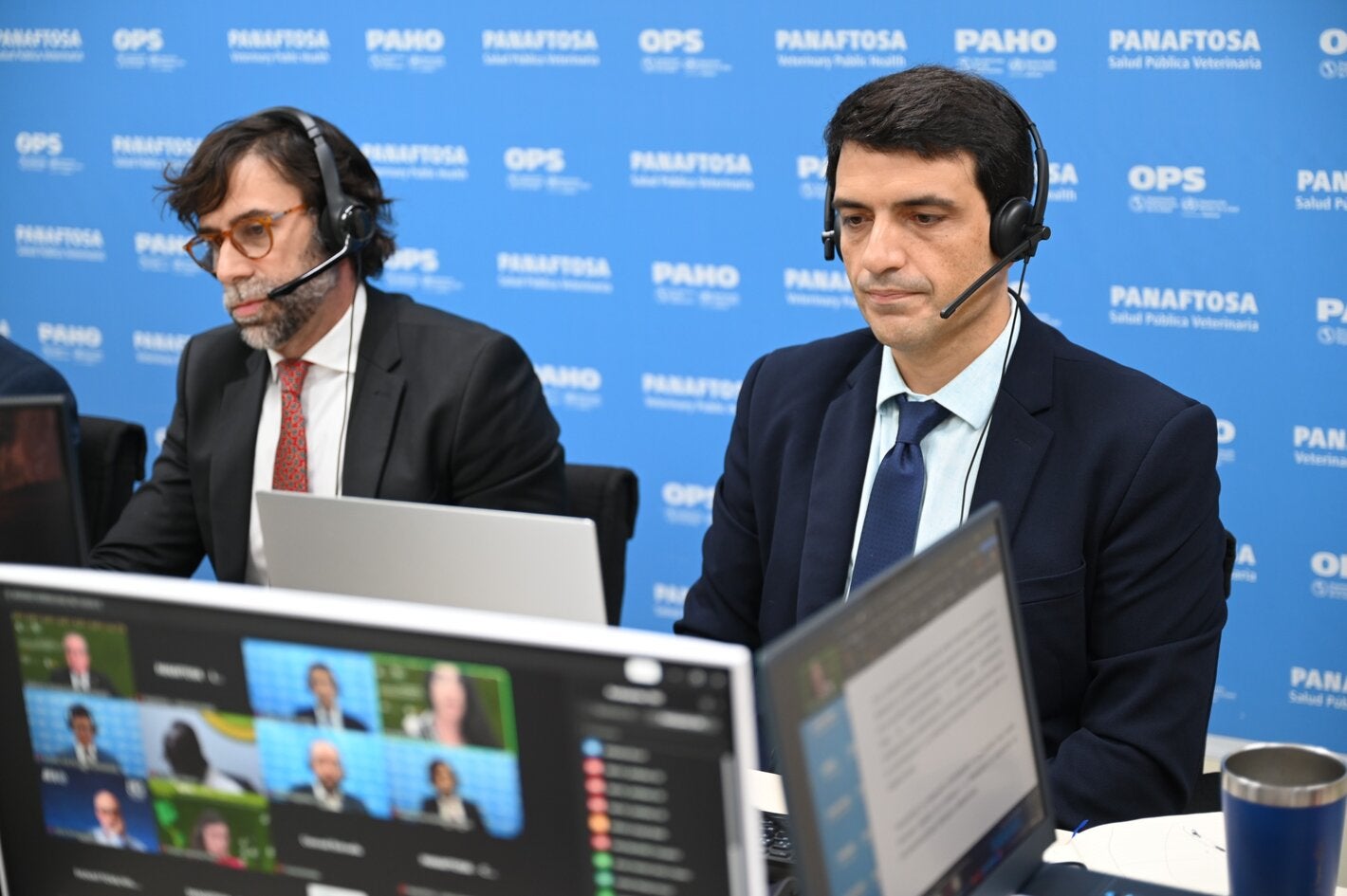
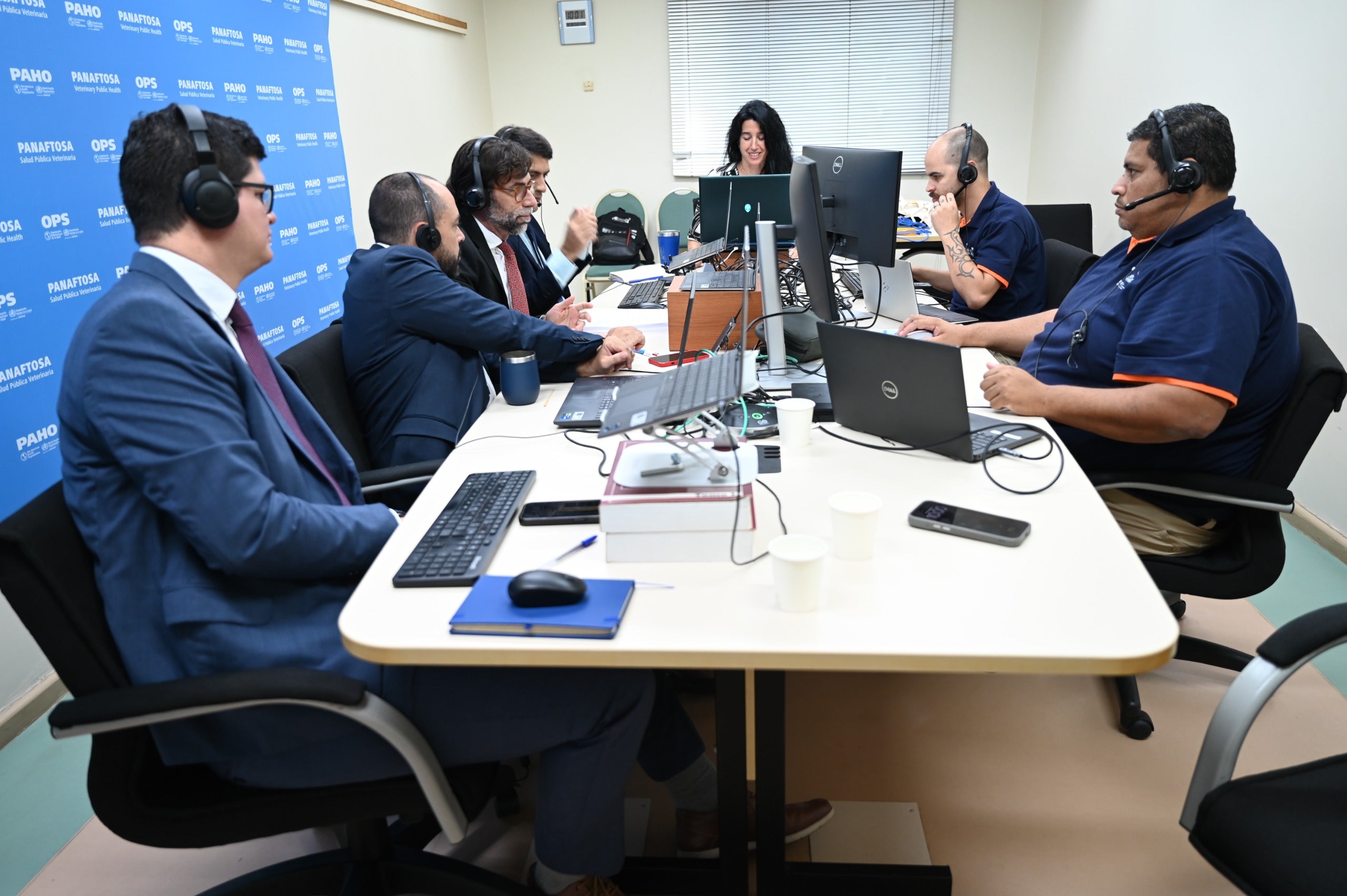
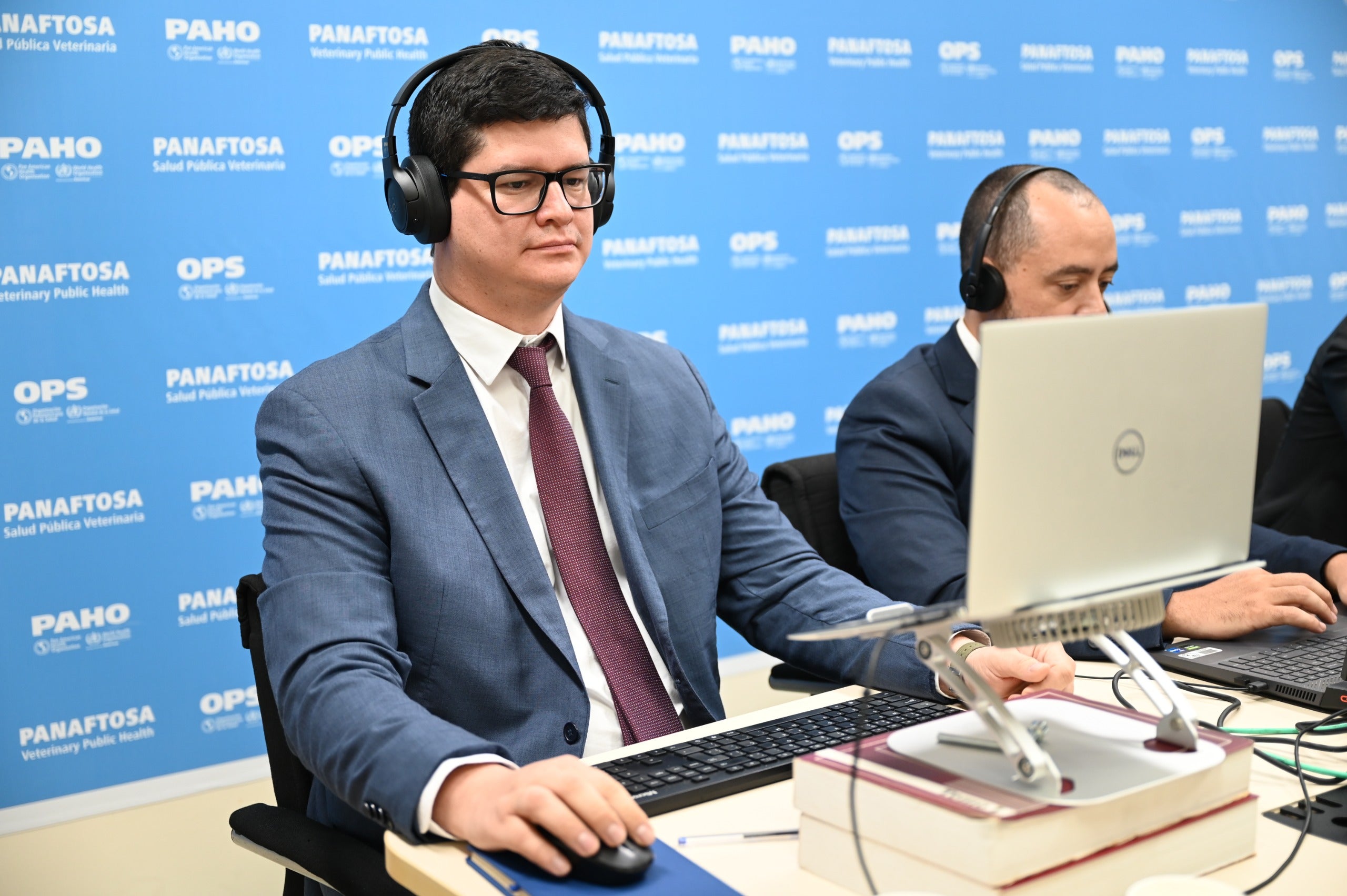
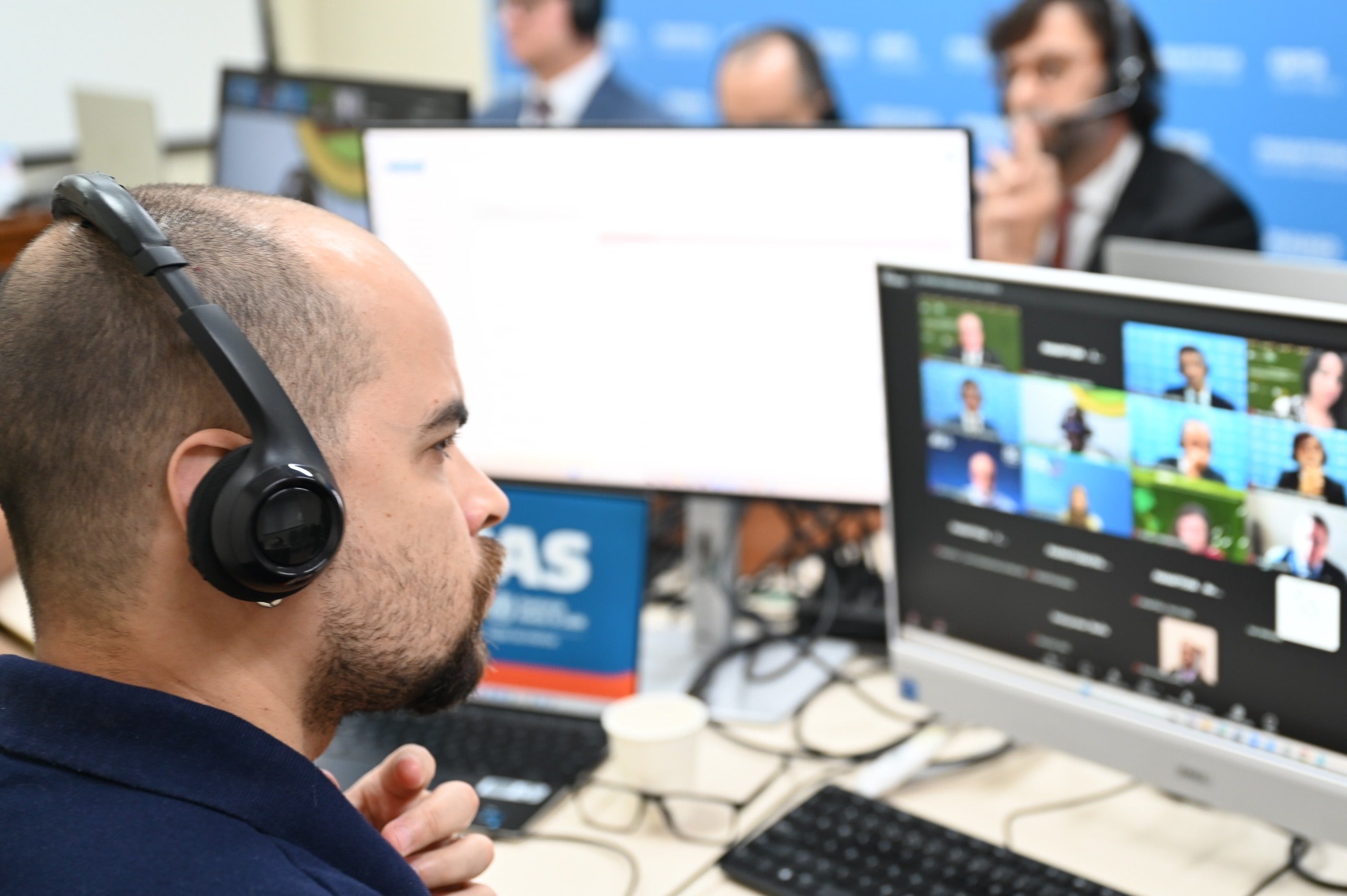
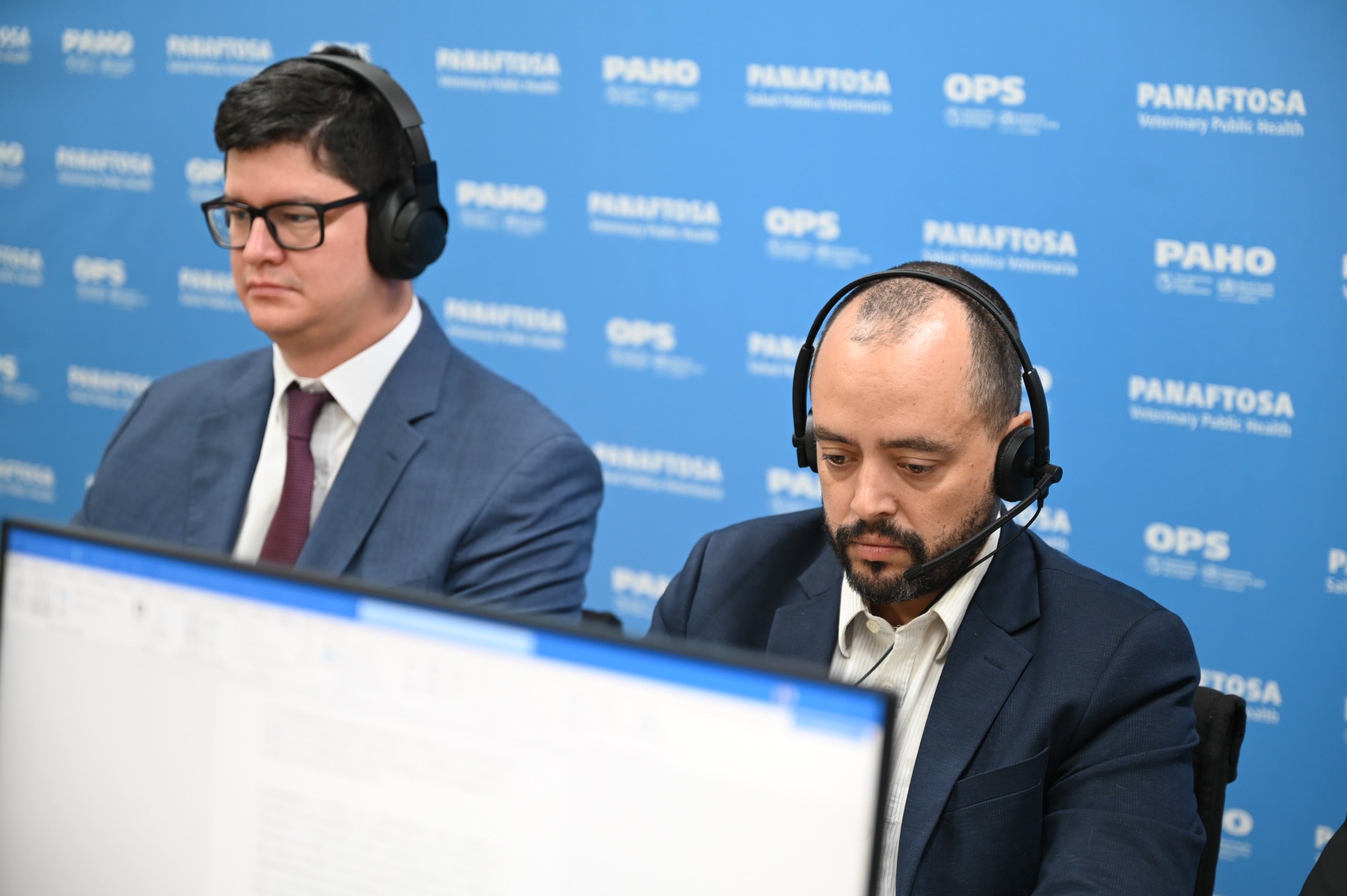
Rio de Janeiro, April 14, 2026 (PANAFTOSA/SPV-PAHO/WHO) – As part of the preparations for the 52nd Regular Meeting of the South American Commission for the Control of Foot-and-Mouth Disease (COSALFA), the Pan American Foot-and-Mouth Disease Center and Veterinary Public Health (PANAFTOSA/SP) of the Pan American Health Organization (PAHO/WHO) held the Pre-COSALFA 52 International Seminar under the theme: “Emergency Vaccination against Foot-and-Mouth Disease: Recommendations, Gaps, and Challenges for Regional Preparedness.”
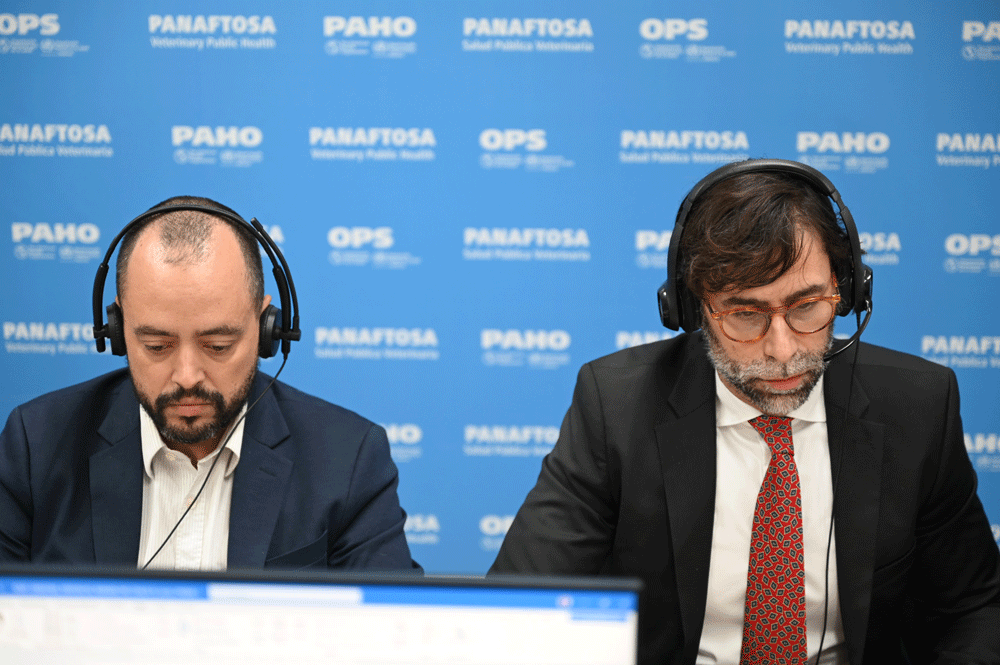
The event, held virtually on April 14, 2026, brought together health authorities, international experts, representatives of official veterinary services from the Region, and international organizations, with the aim of presenting and discussing the main conclusions of the Regional Workshop on Emergency Vaccination held in March in Rio de Janeiro.
The seminar provided an opportunity to extend a high-level technical exchange to a broader audience, focusing on emergency vaccination as a strategic tool for response and regional preparedness in the event of potential foot-and-mouth disease outbreaks. Presentations addressed the progress of the Regional Antigen Bank for Foot-and-Mouth Disease (BANVACO), as well as the operational, scientific, and regulatory challenges associated with its effective implementation in countries.
During the opening session, the Director of PANAFTOSA/SPV, Manuel Sánchez, highlighted “the importance of the seminar in strengthening regional preparedness against a possible reintroduction of the foot-and-mouth disease virus, addressing vaccine evaluation, risk analysis, and the operational response in the use of emergency vaccination.”
For his part, the Executive Director of the Guyana Livestock Development Authority (GLDA), Ministry of Agriculture of the Cooperative Republic of Guyana, Dwight Walrond, stated that BANVACO, under the coordination of PANAFTOSA, “is an important tool that can be adopted and used by all countries of the continent.”
During the seminar, PANAFTOSA specialists presented key areas of work related to laboratory activities, epidemiological modeling, and field implementation, identifying critical gaps in response capacity, interinstitutional coordination, and decision-making in emergency scenarios. The importance of strengthening regional coordination to ensure a rapid, coordinated, and evidence-based response was also emphasized.
| 
| 
|
| 
| 
|
The open discussion with participants allowed for the collection of valuable input on regional priorities in preparedness and response capacity for potential health emergencies. In this context, the need to strengthen national contingency plans was underscored, with clear mechanisms for activating emergency vaccination and timely access to regional tools such as BANVACO.
The seminar helped reinforce a shared vision of a more prepared Region of the Americas in the face of potential foot-and-mouth disease outbreaks, promoting coordination, harmonization of technical and operational criteria, regional response, and the strengthening of institutional capacities.
The conclusions and recommendations generated will be incorporated as strategic input for discussion by delegates during the 52nd Regular Meeting of COSALFA, which will take place on April 22–23 in Georgetown, Guyana. The 52nd COSALFA meeting is organized by PANAFTOSA/SPV with the support of the Cooperative Republic of Guyana, through the GLDA, a semi-autonomous agency under the country’s Ministry of Agriculture.