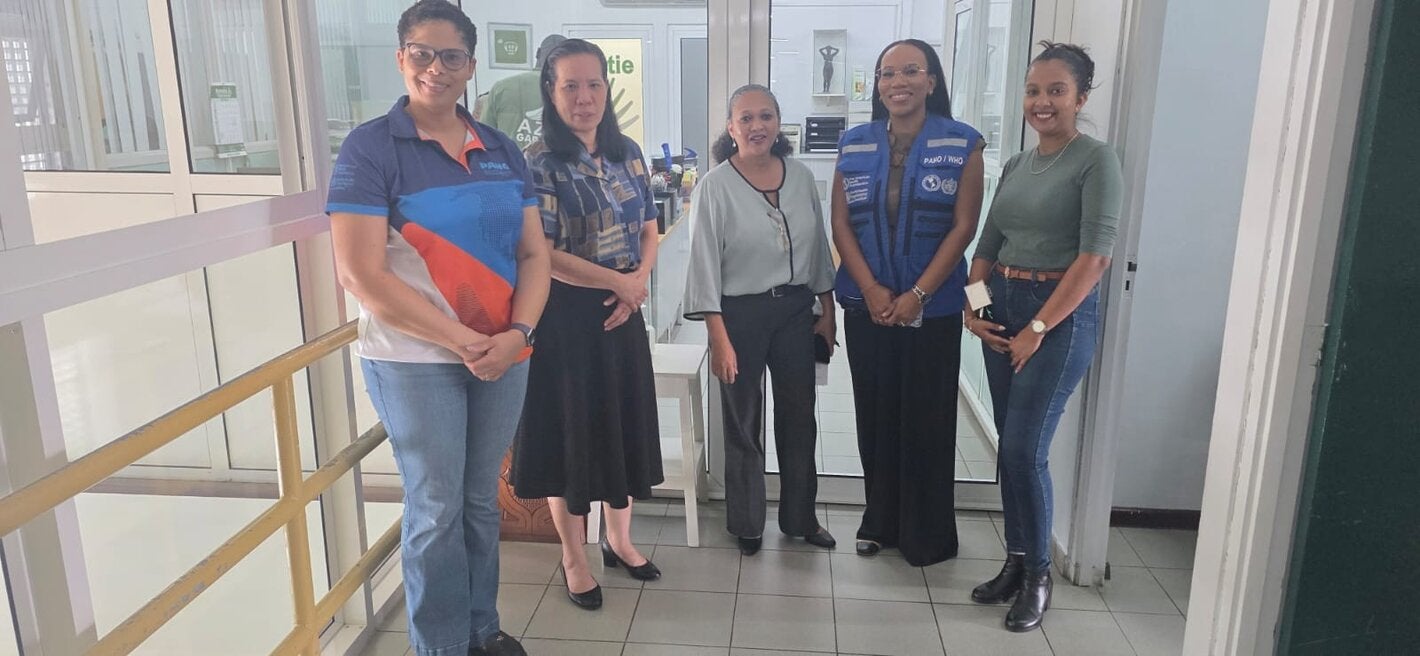
Paramaribo, 15 May 2026 (PAHO) – The Pan American Health Organization (PAHO) completed a five-day integrated mission in Suriname to assess the operational performance of the country's respiratory virus sentinel surveillance network and identify targeted strategies to improve surveillance capacities at the national and facility levels.
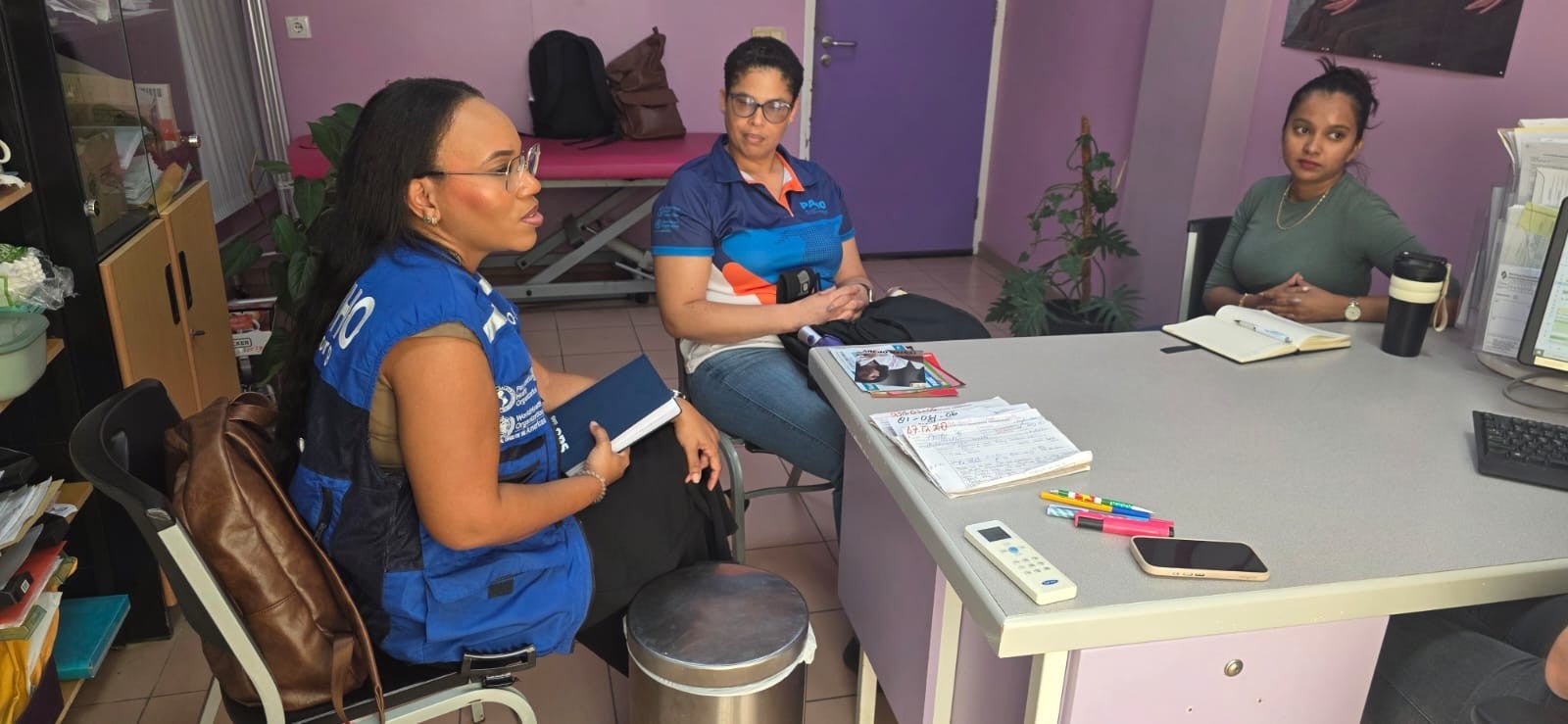
The mission, conducted from 11 to 15 May 2026, brought together a multidisciplinary PAHO team that visited sentinel sites across Suriname, including facilities in Paramaribo, Nickerie, Albina, and Moengo, in close coordination with the Bureau of Public Health and the Ministry of Health, Welfare and Labor (HWL).
A distinctive feature of the mission was its combined methodology, pairing a standardized Sentinel Site Assessment Tool with the Prosci ADKAR change management framework. This approach allowed the team to evaluate not only the technical performance of each site, including Severe Acute Respiratory Infection (SARI) inpatient surveillance, Influenza-Like Illness (ILI) outpatient surveillance, laboratory linkage, and specimen transport, but also the human-side factors influencing surveillance performance, such as staff awareness, motivation, knowledge, ability, and reinforcement mechanisms. Structured focus group discussions were conducted at each sentinel site, generating qualitative evidence that complemented the quantitative assessment findings.
Site assessments and opportunities for improvement
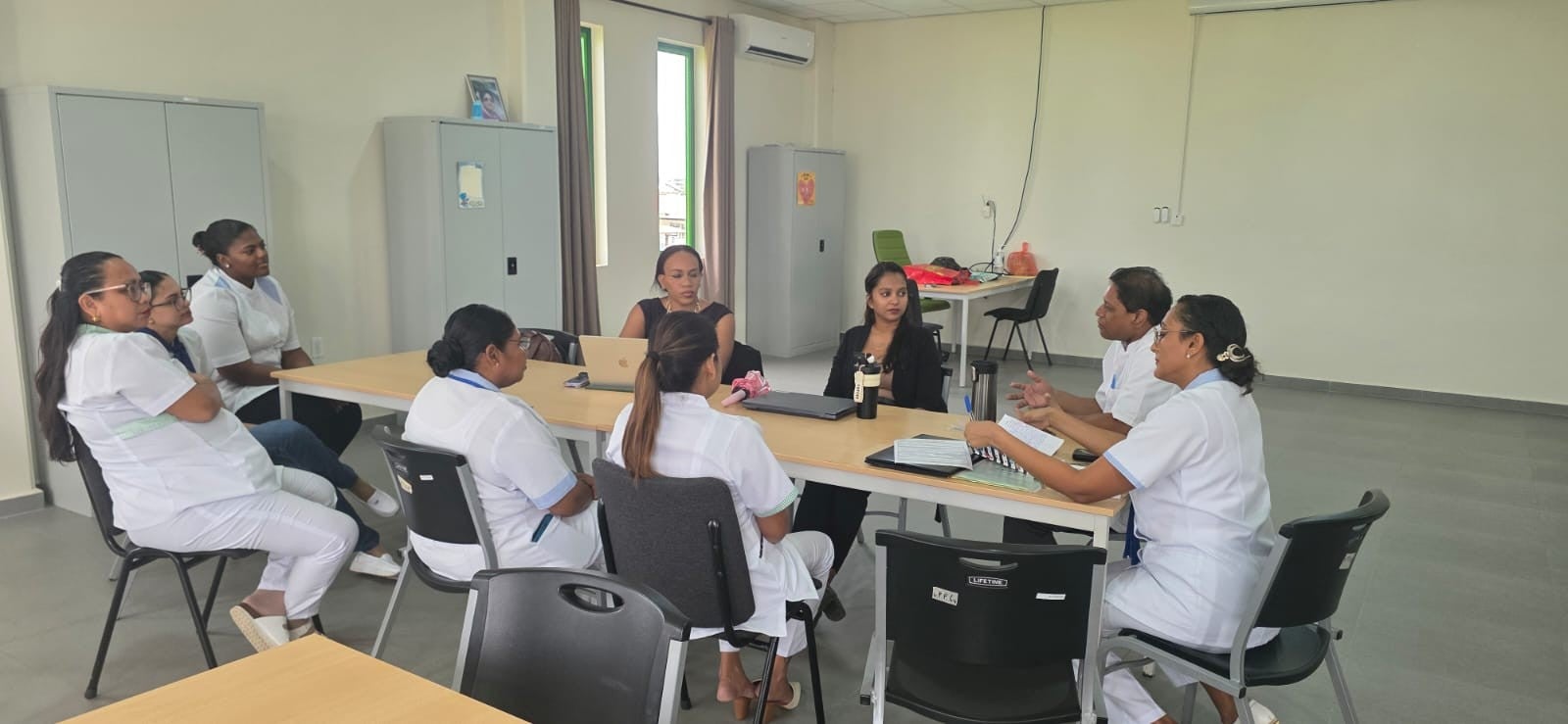
Assessments were conducted at six operational sentinel sites: 's Lands Hospital and the Academic Hospital Paramaribo (AZP) in the capital; Nickerie District Hospital (Medisch Centrum Nickerie, MMC) and the Nickerie RGD Primary Health Care Clinic; and the Marowijne District facility in Albina, near the border with French Guiana. The Moengo RGD Clinic was visited as a prospective new sentinel site.
Across the network, a primary opportunity for improvement was the formal communication of updated case definitions for SARI, RSV, and SARS-CoV-2 to facility staff, an area that the mission team, the Bureau of Public Health, and the Ministry of HWL identified as an immediate priority. Sites in more remote districts, including Albina and Nickerie, also presented opportunities to improve specimen transport logistics and reinforce year-round surveillance engagement.
To support immediate action, the PAHO team distributed laminated SARI case definition job aids for display at all sites visited during the mission.
The mission concluded with a national debriefing at the Bureau of Public Health headquarters on 15 May, attended by the Director of Health from the Ministry of HWL, the Director of the Bureau of Public Health, epidemiology and laboratory leads, the national surveillance focal point, and sentinel site staff participating virtually. Integrated findings were presented across all sites and discussed with national authorities. Among the actions discussed, authorities agreed to issue a formal communication to all sentinel sites confirming updated surveillance case definitions, to establish a regular Surveillance Performance Bulletin to provide data feedback across the network, and to confirm site champions at key facilities. The mission also identified opportunities to expand the sentinel network to additional facilities in Paramaribo and other districts, subject to readiness assessment.
The mission reflects PAHO's ongoing commitment to supporting Suriname in advancing its public health surveillance infrastructure as part of broader regional efforts to improve preparedness, early detection, and response to respiratory virus threats in the Americas.