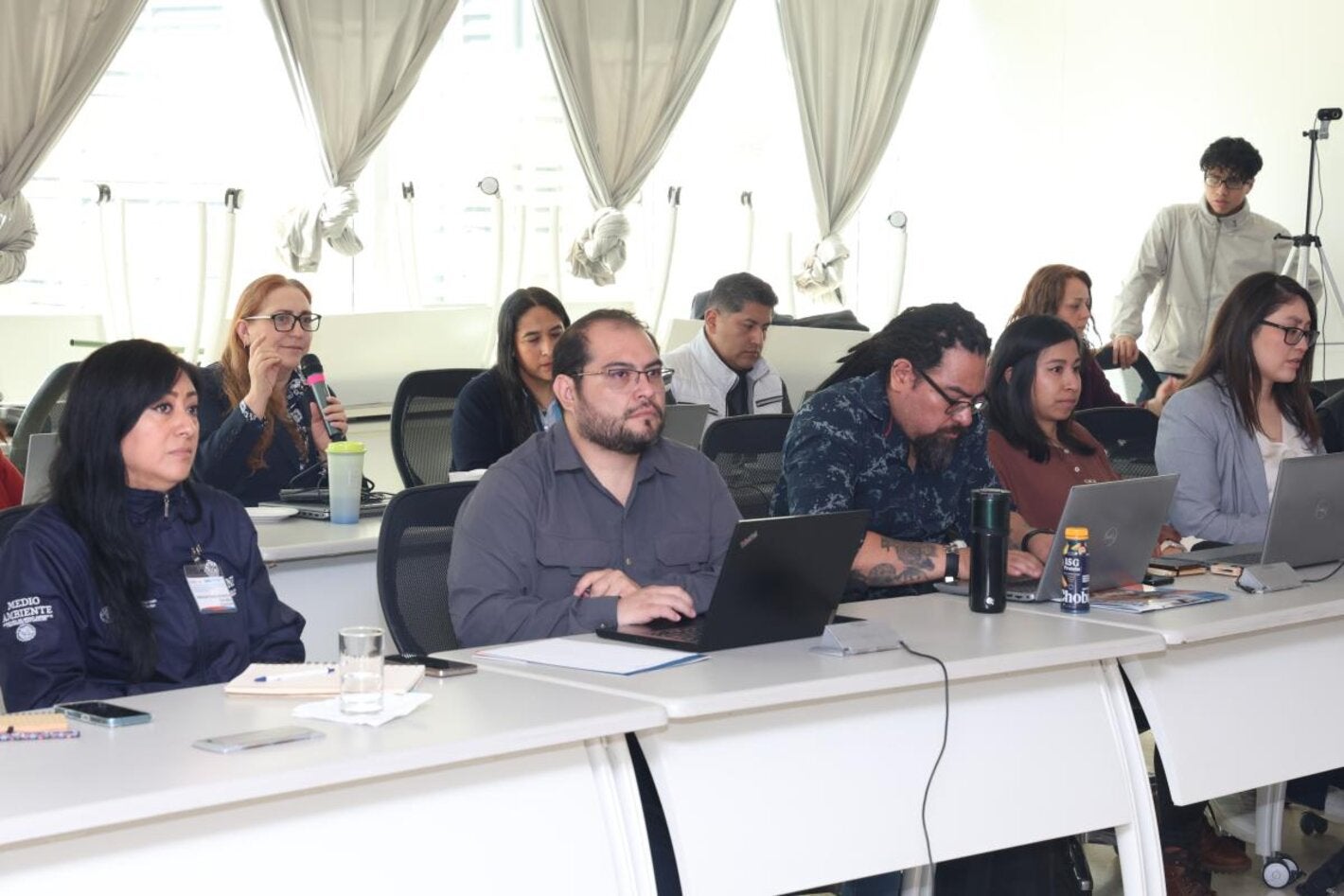
Mexico City, February 16, 2026—The Ministry of Health, in coordination with the Pan American Health Organization/World Health Organization (PAHO/WHO), held a national meeting titled “National Program for the Prevention and Control of Diseases Caused by Respiratory Viruses with Epidemic and Pandemic Potential,” with the aim of strengthening the country’s and the region’s capacities for preparedness and response to diseases caused by respiratory viruses with epidemic and pandemic potential.
Over the course of three days, participants gathered in plenary sessions guided by PAHO’s “Framework for a National Program for the Prevention and Control of Diseases Caused by Respiratory Viruses with Epidemic and Pandemic Potential.” The document served as a reference to guide discussions and ensure a technical approach aligned with international best practices.
One of the main objectives of the meeting was to develop a shared understanding of the need for an integrated national approach to preparedness and response to events caused by influenza and other respiratory viruses (ORVs) with epidemic and pandemic potential. This consensus will help align efforts and support a coordinated and effective response.
The meeting also aimed to generate and optimize bidirectional lines of technical cooperation in response to situations arising from influenza and ORV. This work was based on established national strategies and under an intersectoral and multisectoral approach that recognizes the importance of collaboration among different stakeholders.
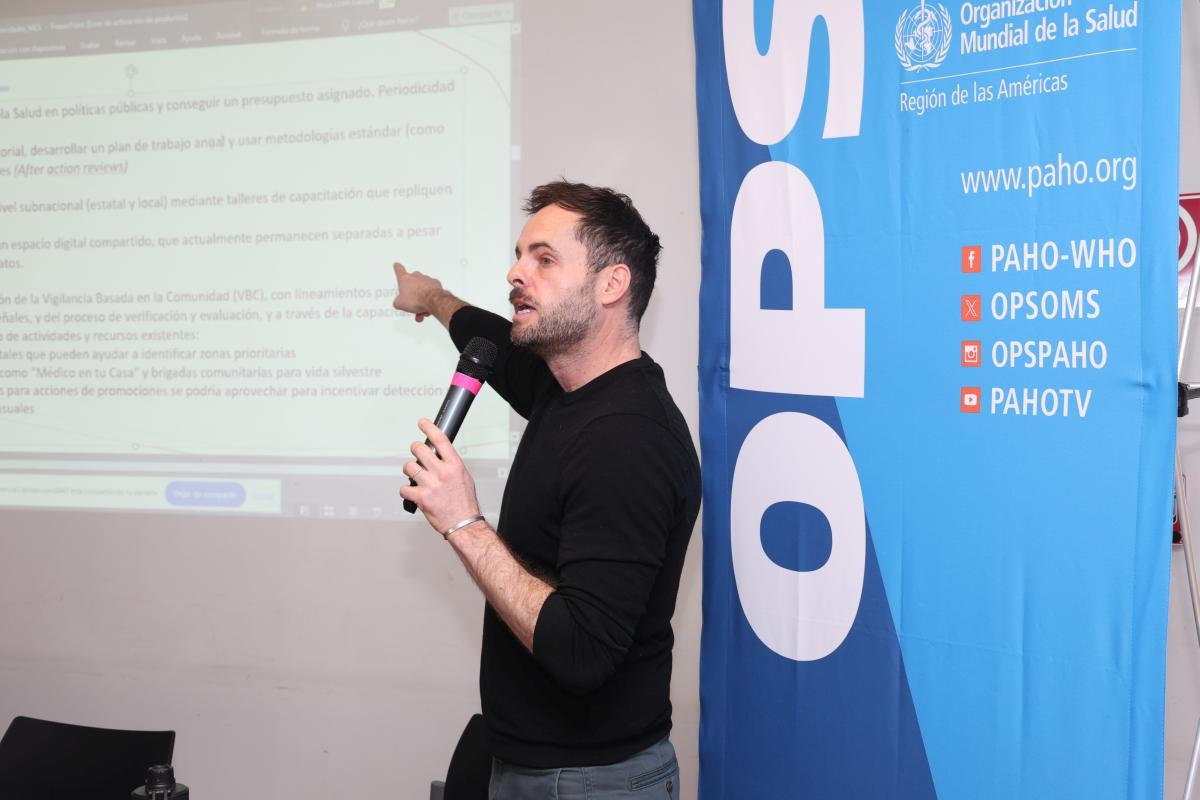
Another key objective was to identify opportunities and mechanisms to strengthen existing preparedness and response capacities. In particular, the importance of intersectoral collaboration at the national level, strategic partnerships, and the timely exchange of information on respiratory viruses was highlighted.
The topics addressed included: surveillance for early detection and alert (including intersectoral coordination under a One Health approach, human-animal interface surveillance, and event detection and assessment); epidemiological and virological monitoring (including influenza and ORV surveillance, monitoring of virological and epidemiological characteristics, influenza and ORV laboratories, integration and management of electronic data, reporting and analysis of respiratory virus surveillance data, and publication and dissemination of information).
The agenda also included: operational research (epidemiological studies on respiratory virus circulation and disease burden, vaccine effectiveness and impact of vaccination, communication and dissemination of operational research results); immunizations and public health measures
(vaccination against seasonal influenza, COVID-19, RSV, and public health measures).
Additionally, pandemic preparedness and response was addressed (including the pandemic preparedness plan, the national plan for the deployment of vaccines against pandemic influenza and other respiratory viruses, and rapid response teams). Each of these components was analyzed collectively with the participation of technical experts.
The meeting included representatives from key institutions such as the General Directorate of Epidemiology (DGE), the Directorate of Communicable Disease Surveillance (DVEET), the Institute of Epidemiological Diagnosis and Reference (InDRE), the General Directorate of Public Health Policies (DGPSP), the National Service for Agrifood Health, Safety, and Quality (SENASICA), the Ministry of the Environment and Natural Resources (SEMARNAT), the National Commission for Protected Natural Areas (CONANP), and the National Center for Child and Adolescent Health (CeNSIA).
The participation of these personnel enriched the analysis and ensured that the proposed actions address the country’s real needs. This comprehensive approach is essential for addressing epidemic and pandemic threats.
PAHO/WHO reiterated its commitment to providing technical support to the Ministry of Health and national institutions in implementing strategies that strengthen preparedness and response to respiratory viruses.