The Organization will participate in a series of events to share the experience and priorities of the Americas region.
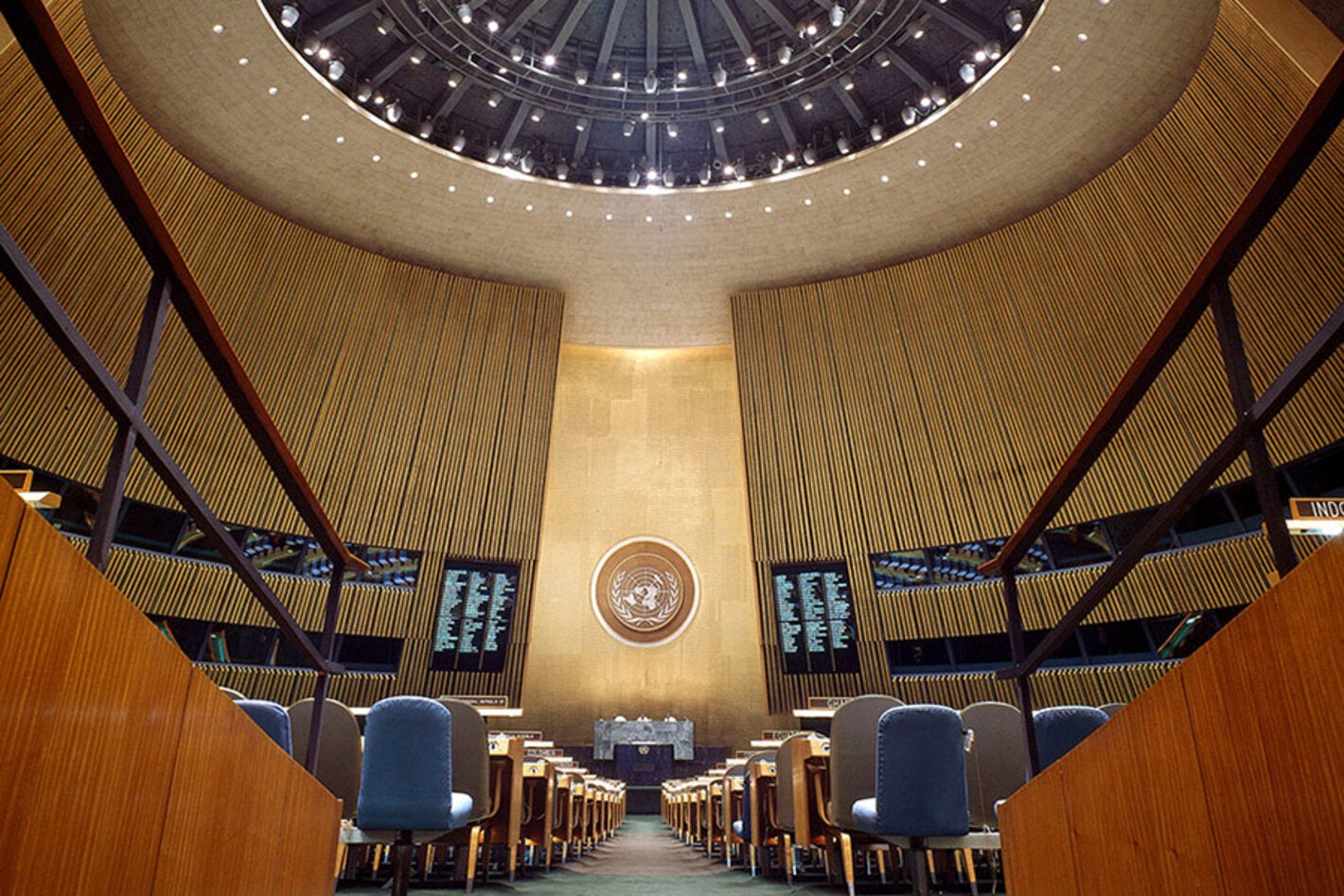
Washington, D.C., September 16, 2026 (PAHO) – The Pan American Health Organization (PAHO) will join global efforts to advance pandemic prevention, preparedness and response (PPPR) during the 81st session of the United Nations General Assembly (UNGA), as countries and partners prepare for the Second High-Level Meeting on PPPR on September 25.
For the Americas, strengthening pandemic preparedness remains critical as countries continue to face emerging and re-emerging health threats, while working to build more resilient health systems and strengthen health security.
The General Assembly comes at a pivotal moment for global health, as countries continue to navigate ongoing health emergencies, economic pressures, climate-related threats and declining development assistance while working to strengthen health systems and protect populations from future risks.
Against this backdrop, the High-Level Meeting on PPPR will focus on how countries can sustain and strengthen preparedness efforts in an increasingly constrained global financing environment.
PAHO Director Dr. Jarbas Barbosa will participate in a series of high-level events throughout UNGA week, highlighting the experience and priorities of the Americas and the importance of sustained investment, strong health systems and regional and international cooperation to strengthen pandemic preparedness and global health security.
The second UN High-Level Meeting on Pandemic Prevention, Preparedness and Response will provide an opportunity to review progress since the first meeting in 2023 and renew political commitment to prevent future pandemics through international cooperation. The discussions will take place as countries advance implementation of the WHO Pandemic Agreement, strengthen the International Health Regulations, and pursue other global commitments aimed at improving pandemic prevention, preparedness and response.
In the Americas, many of the capacities needed to prepare for future pandemics are the same ones countries rely on every day to protect health, including disease surveillance, laboratory networks, primary health care, infection prevention and control, and resilient health systems.
“Pandemic prevention and preparedness cannot be built only when an emergency occurs. It requires sustained investment in the health systems, laboratories, surveillance and public health capacities that countries need every day,” said Dr. Barbosa. “The Americas has important experience to share, including the value of regional cooperation and the importance of strengthening national capacities as part of global health security.”
Strengthening pandemic preparedness in the Americas
Pandemics can have profound and far-reaching consequences, disrupting health systems, economies and societies and reversing progress towards the Sustainable Development Goals. COVID-19 underscored the need for sustained investment in preparedness, international cooperation and equitable access to the tools and capacities needed to protect populations.
Five years after COVID-19, the world has stronger tools and frameworks for preventing and responding to health emergencies, but significant challenges remain. Sustained political commitment, investment in resilient health systems, trust in science and effective international cooperation remain essential to global health security.
The Americas has made important progress in strengthening its capacity to detect and respond to health threats. In 2025, PAHO’s regional surveillance system analyzed more than 2.1 million signals and detected 157 public health events, helping countries identify and respond to emerging threats. The Region has also expanded genomic and laboratory surveillance and strengthened mechanisms for coordinated emergency response.
PAHO is also working with countries to reduce vulnerabilities in the supply of vaccines, medicines and other health technologies. In 2025, the Organization’s Revolving Funds delivered 234 million vaccine doses and 13 million diagnostic tests, reaching an estimated 85 million people. At the same time, regional production is expanding, with locally produced vaccines accounting for around 26% of procurement volume through the Revolving Funds in 2025, compared with just 1.5% in 2020.
Dr. Barbosa’s UNGA agenda
During the week, Dr. Barbosa will participate in key side events:
September 21
- Crisis in Preparedness: Laboratories and Frontline Readiness in the Time of Ebola – panel discussion on strengthening laboratory capabilities for routine health needs and pandemic preparedness, co-hosted by the Mérieux Foundation USA, Weill Cornell Medicine, GHESKIO, the Association for Public Health Laboratories and PAHO.
September 22
- Two Regions, One Future: Financing Pandemic Prevention, Preparedness and Response to Build Global Health Security – regional keynote at an event organized by PAHO, Africa CDC, Guyana and Burundi, with support from the UN Foundation.
- Global Brain Economy Initiative Summit – keynote on the burden of neurological disorders in the Americas and why brain health must be a public priority. – keynote on the burden of neurological disorders in the Americas and why brain health must be a public priority.
- Devex Impact House and Lilly – fireside chat on accelerating progress in global cardiometabolic health. – fireside chat on accelerating progress in global cardiometabolic health.
- The Health System Stress Test: Integrated NCD Care for UHC – panel discussion organized by the International Society of Nephrology and Devex.
- United to Beat Malaria – panel discussion on malaria elimination in Latin America and the Caribbean, organized by the UN Foundation and the United to Beat Malaria partnership.
September 23
- Foreign Policy Health Forum – session on NCDs and health security.
- OneSCD: A Global Partnership to Advance Equity and Transform Sickle Cell Care– panel discussion organized by Nigeria, UNICEF, WHO, Africa CDC, and St. Jude Children’s Research Hospital. – panel discussion organized by Nigeria, UNICEF, WHO, Africa CDC, St. Jude Children’s Research Hospital and Jamaica.
September 24
- Bringing Innovation into Healthcare Systems – session organized by the International Alliance for Personalised Medicine.
September 25
- UN High-Level Meeting on Pandemic Prevention, Preparedness and Response – global discussions on strengthening pandemic preparedness and advancing international cooperation and action.
Media interested in arranging interviews during UNGA week may contact PAHO’s Media Team (mediateam@paho.org).
PAHO will continue working with countries across the Americas and with partners around the world to strengthen the capacities needed to prevent, detect and respond to health emergencies, while helping ensure that lessons from recent crises translate into stronger preparedness, more resilient health systems, and greater health security for all.