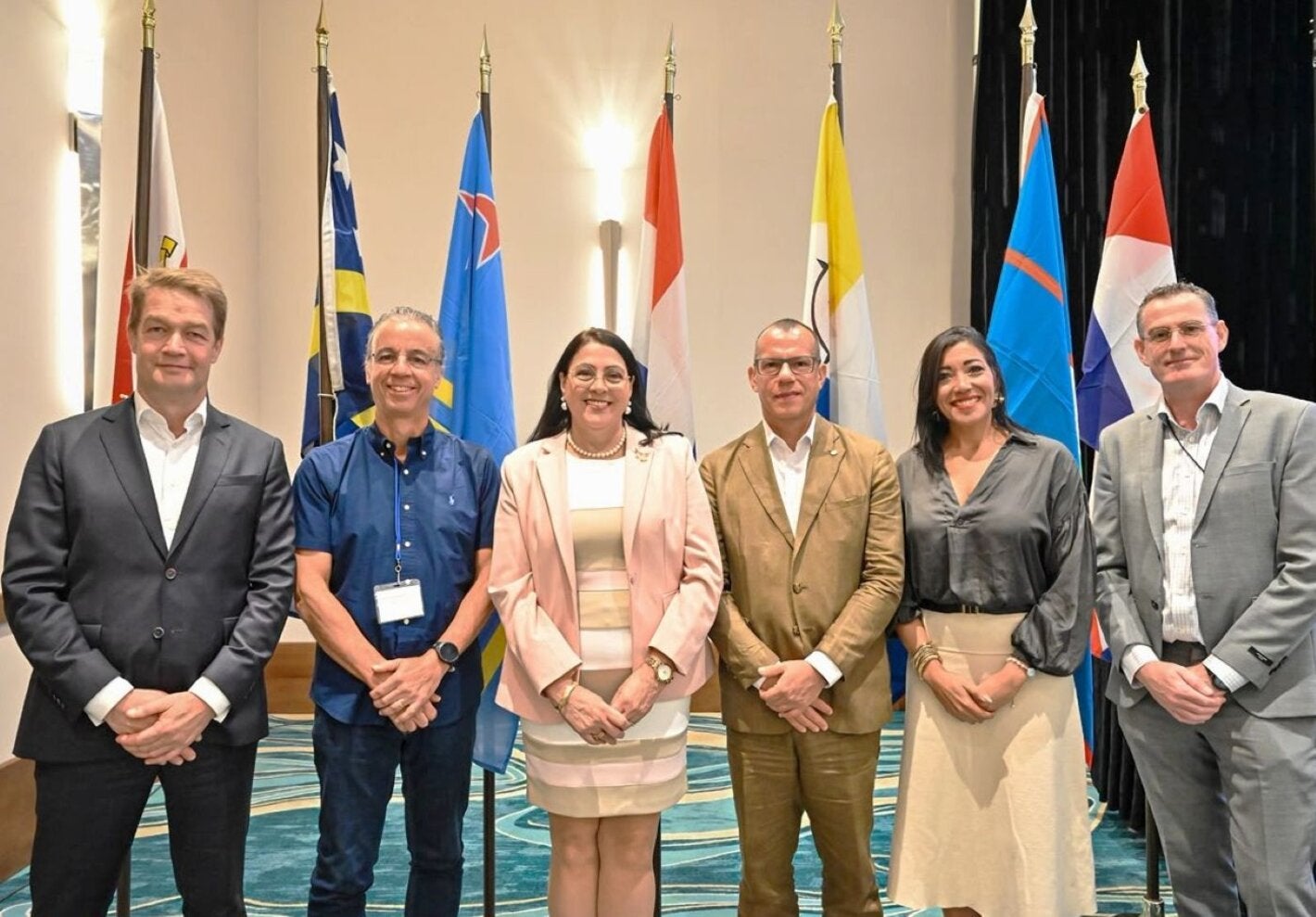
Oranjestad, Aruba, 17 June 2026 (PAHO) - What does stronger public health collaboration look like across small island states? For countries and territories of the Dutch Caribbean, it means coming together to share good practices, align strategies, build partnerships and tackle common challenges, from emerging health threats to the growing burden of noncommunicable diseases.
These themes were at the forefront of the 2026 Dutch Caribbean Public Health Expertise Network (DuCaPHEN) Conference, held in Aruba in early June 2026. The annual meeting, a collaboration between the six Dutch Caribbean Islands and the National Institute for Public Health and the Environment in the Netherlands (RIVM), brings together a wide cross-section of public health leaders, technical experts, and partner institutions from all of the Dutch Caribbean islands and territories. It serves as a key platform for collaboration, knowledge exchange, and coordinated action.
For the PAHO/WHO Country Office for Trinidad and Tobago and the Dutch Caribbean, the conference provided a timely opportunity to deepen engagement and contribute to ongoing efforts in the Dutch Caribbean.
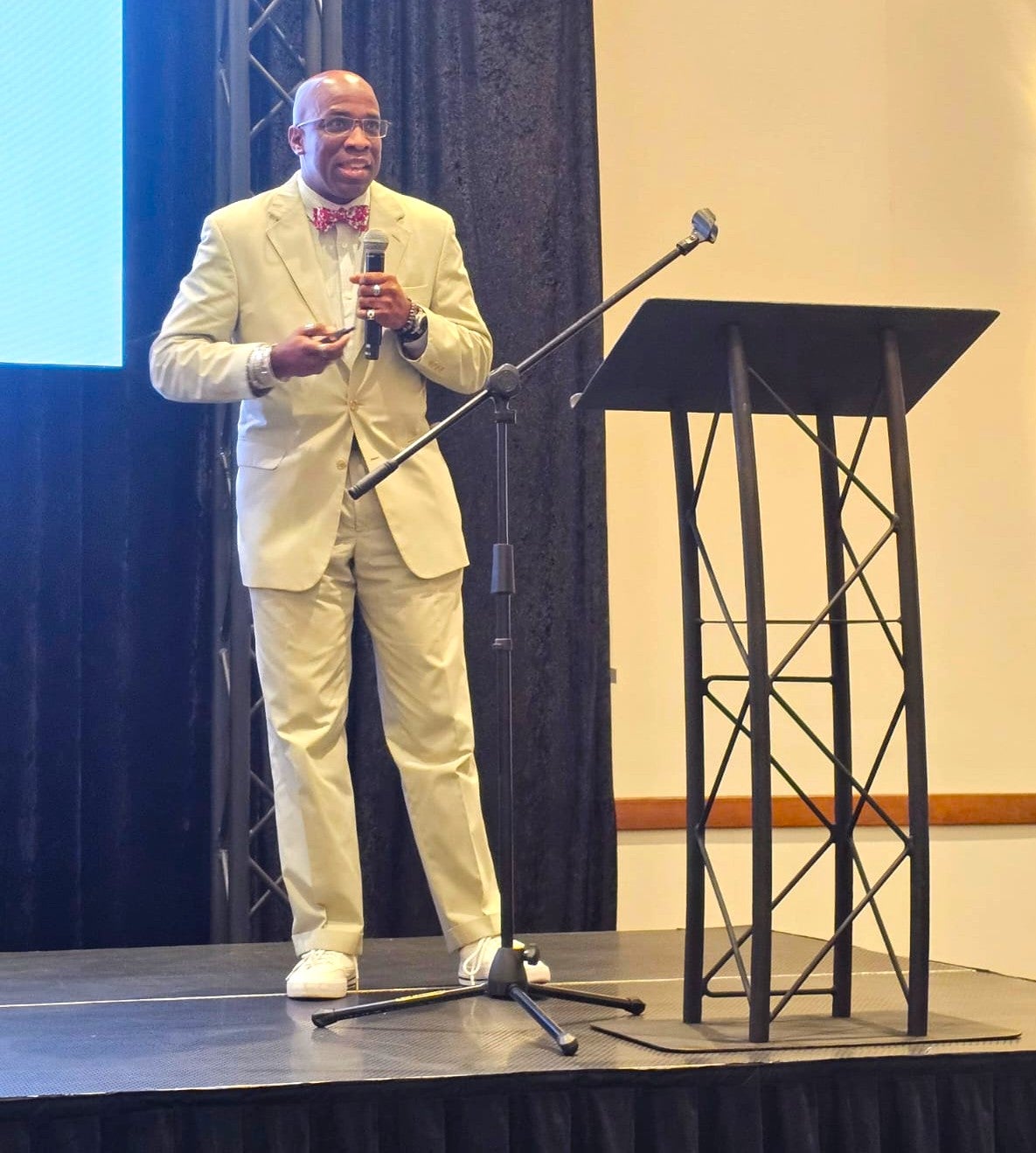
PAHO/WHO Representative for Trinidad and Tobago, Aruba, Curacao, Sint Maarten, Bonaire, St Eustatius and Saba, Dr. Gabriel Vivas Francesconi, delivered a comprehensive presentation highlighting PAHO’s work in promoting evidence-informed policies across the Caribbean while drawing on practical experiences from the Dutch Caribbean islands.
His presentation also introduced the new PAHO Strategic Plan 2026–2031, outlining both opportunities and challenges facing the subregion. Among the key priorities discussed were Data and Research, Capacity building and Policy Action.
Complementing this, Dr. Stephen Nurse-Findlay, PAHO/WHO Communicable Disease Advisor, provided an update on the implementation of the International Health Regulations (IHR). His presentation reviewed the obligations of States Parties, particularly regarding Points of Entry, and addressed current global considerations such as WHO’s temporary recommendations on travel related to Ebola disease.
Beyond the conference sessions, the PAHO/WHO delegation engaged in a series of high-level discussions aimed at strengthening partnerships and advancing ongoing technical cooperation.
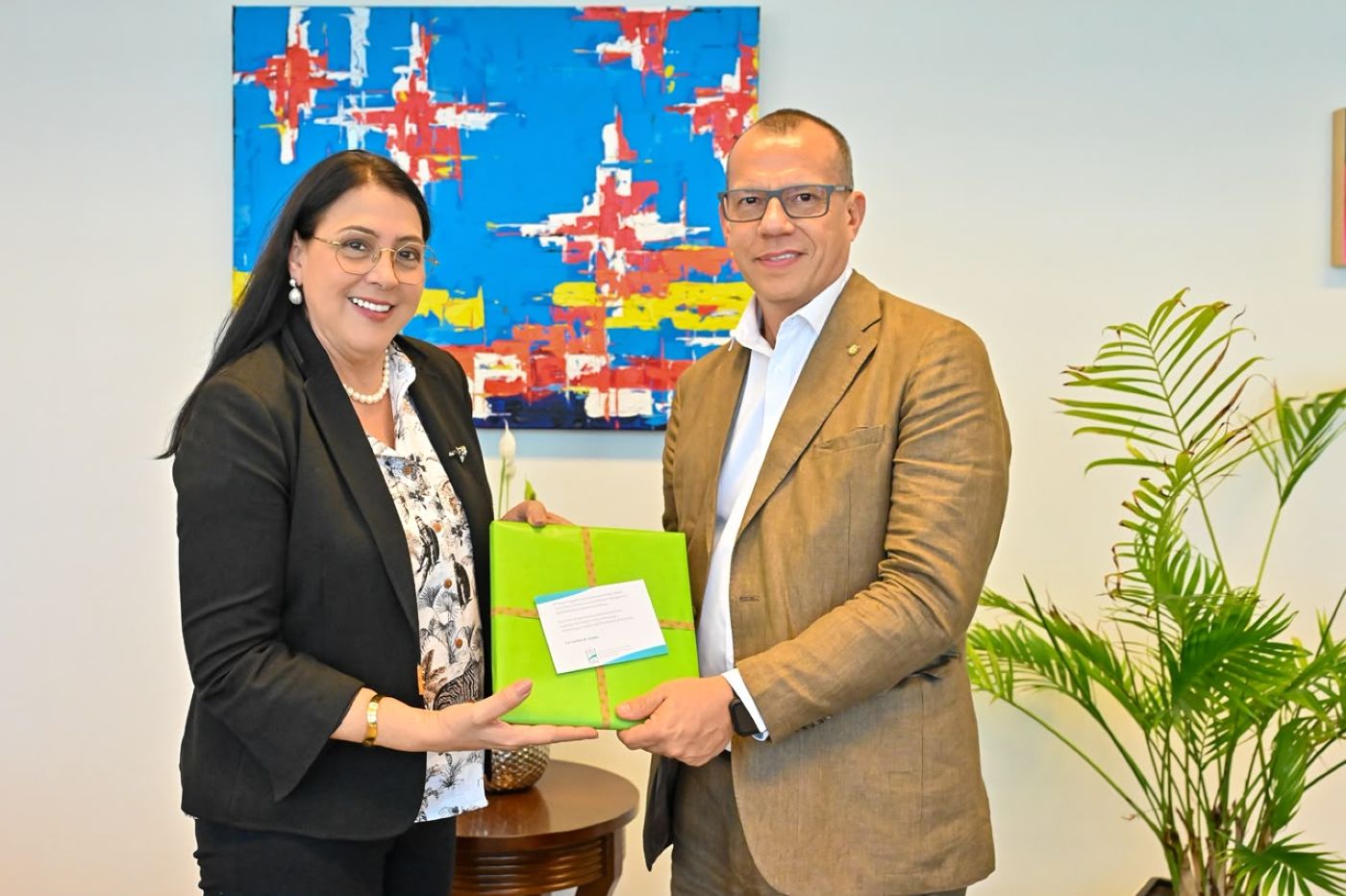
A courtesy visit with Aruba’s Minister of Public Health, Social Affairs, Elderly Care and Addiction Care, Drs. Mervin Wyatt-Ras, provided an opportunity to review collaboration efforts and align on shared priorities. Discussions focused on advancing a Health in All Policies approach, strengthening rehabilitation services, and addressing the growing burden of noncommunicable diseases (NCDs).
Engagements with representatives from RIVM and the Ministry of Health of the Netherlands further reinforced a shared commitment to collaboration. The meetings concluded with agreements to enhance communication and to convene future sessions to formally present and align work plans across the Dutch Caribbean.
Additional consultations were held with focal points from the BES islands, Bonaire, St. Eustatius, and Saba, where progress and next steps were reviewed for several activities in the areas of NCD prevention, mental health, immunization, and climate change, reflecting the broad and interconnected nature of health priorities in the subregion.
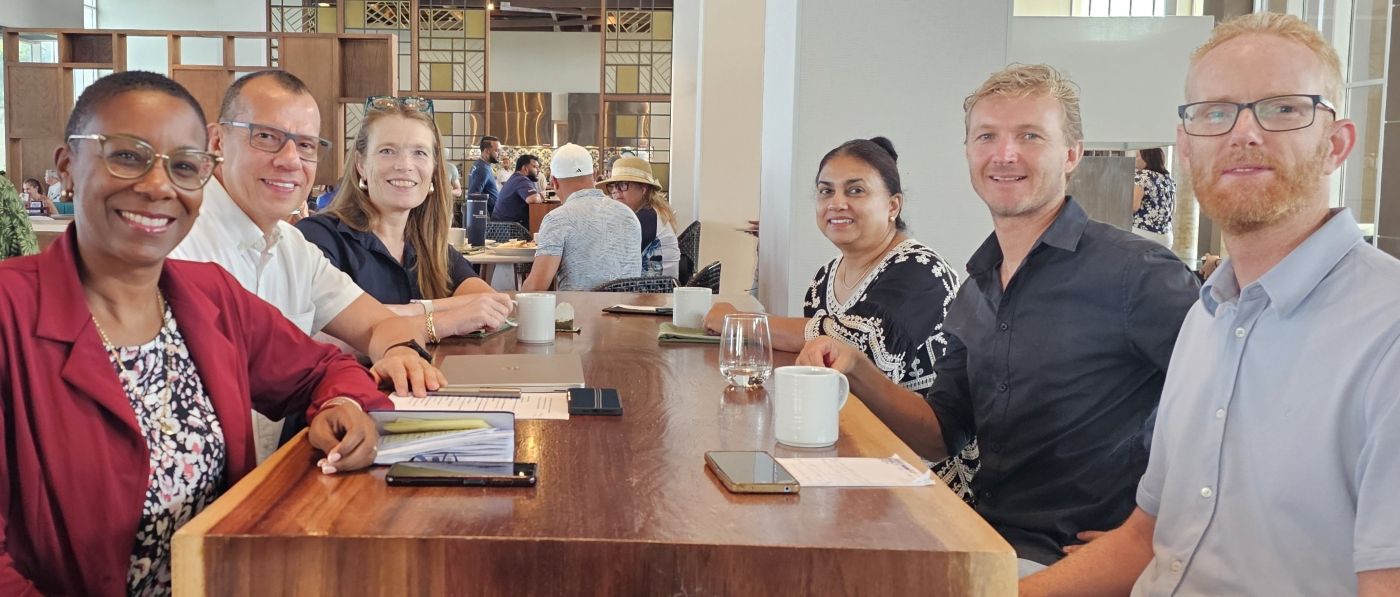
The 2026 DuCaPHEN Conference underscored the value of collaboration in addressing complex public health challenges. For PAHO/WHO, participation in this forum represents a step forward in strengthening its engagement with the Dutch Caribbean, fostering closer alignment with partners, and supporting countries in building stronger, more responsive health systems.