Bogotá, July 2026. In Puerto Rondón, in Colombia’s Arauca department, climate-related emergencies, disease outbreaks, and armed conflict can leave emotional scars that are not immediately visible but have a lasting impact on people’s well-being. To help address these challenges, the Pan American Health Organization (PAHO) is supporting the establishment of a Mental Health First Responders Network as a key component of the Life-Saving Health Response to Emerging and Re-emerging Disease Outbreaks, Violence and Weather-related Emergencies in Colombia project.
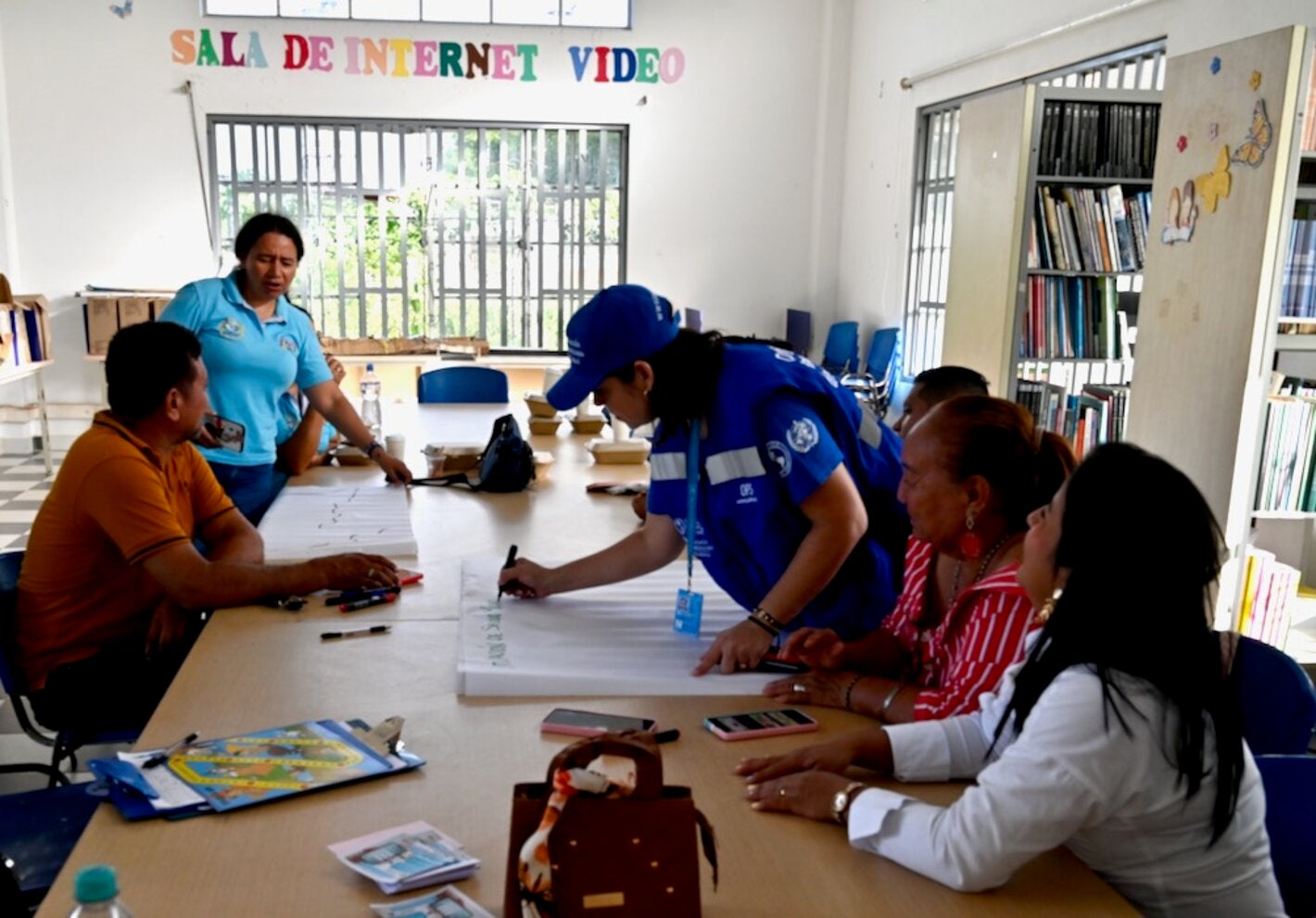
To establish the network, community leaders, teachers, health professionals, and other local stakeholders in Puerto Rondón participated in training sessions focused on recognizing signs of emotional distress, providing immediate support, practicing active listening, and identifying referral pathways for specialized mental health care when needed.
Yan Carlos Pelosa Garrido, a young member of the Mental Health First Responders Network, shared that he had personally experienced situations that affected his emotional well-being. He reflected that, had he received this training earlier, he might have been better equipped to respond. “What matters is that I now know how to help others respond appropriately to stressful situations,” he said.
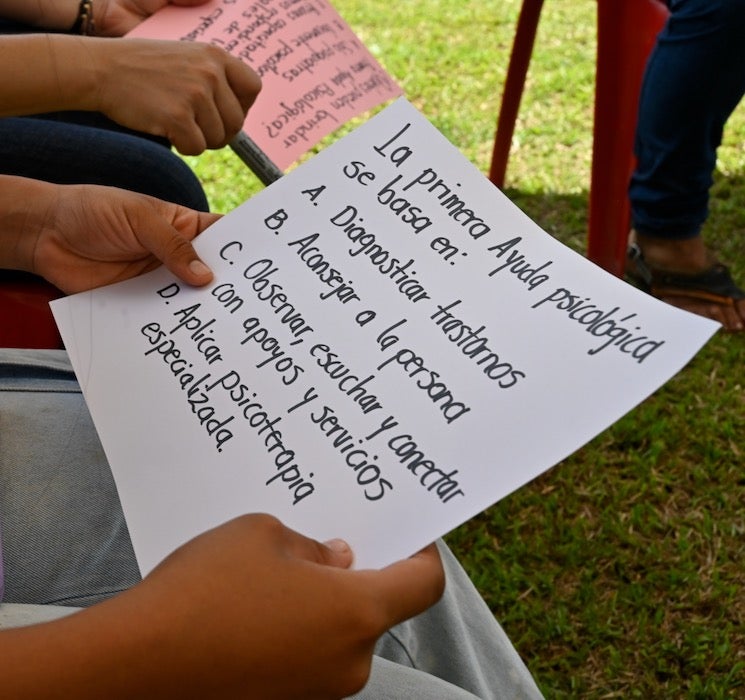
Additional training in Psychological First Aid was provided to young people, psychologists, and community leaders. Participants learned how to identify local referral pathways and provide appropriate support to individuals, families, and communities experiencing distress, emphasizing respectful listening, solidarity, and messages of hope.
The mental health activities implemented in Puerto Rondón are also being carried out across the 13 departments and 63 municipalities covered by the Life-Saving Health Response to Emerging and Re-emerging Disease Outbreaks, Violence and Weather-related Emergencies in Colombia project, funded by the Regional Humanitarian Fund for Latin America and the Caribbean (RHPF LAC).