George Town, 18 March 2026 (PAHO) - The recent detection of avian influenza A(H5N1) in poultry in the Cayman Islands put national preparedness to the test and offered important lessons for the Caribbean. Thanks to rapid detection and local genomic sequencing by the Cayman Islands Molecular Biology Laboratory (CIMBL), and a coordinated One Health response, Cayman authorities successfully contained the outbreak to a single farm, with no human cases and no further spread detected.
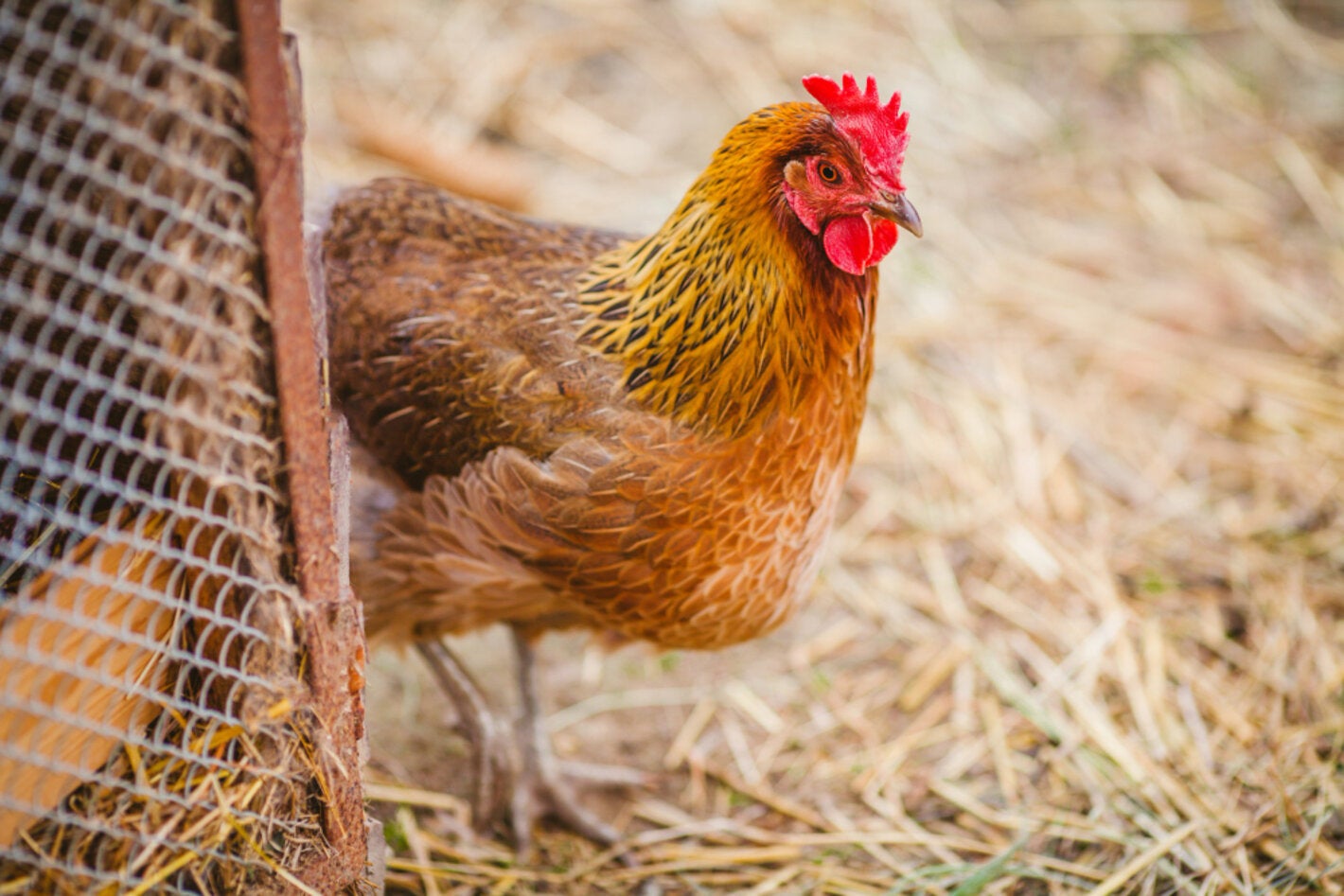
The event began on 27 November 2025, when the passive surveillance system received notification of sudden bird deaths and illness in a mixed-species farm. Veterinary authorities responded immediately, collecting samples and implementing precautionary measures on-site. In the evening of that same day, CIMBL confirmed the presence of influenza A(H5) by PCR.
Crucially, whole genome sequencing was performed by CIMBL that same weekend, identifying the virus as clade 2.3.4.4b, genotype D1.1 – the high pathogenicity strain currently circulating in North America. This rapid genomic characterization allowed authorities to conduct an informed risk assessment and tailor control measures without delay.
Swift containment and coordinated action
The affected farm was placed under quarantine even before laboratory confirmation. Within 48 hours of the positive PCR result, approximately 65 birds were depopulated. Carcasses were incinerated, and the premises were disinfected twice using approved protocols. Contaminated soil was removed and safely disposed of.
Control zones of 3 and 10 kilometers were established, with movement restrictions applied, including precautionary inter-island controls given resource limitations on the smaller islands. Surveillance activities were intensified in neighboring farms, all of which tested negative.
The response was led by the Department of Agriculture, with Hazard Management activating a national incident command structure to coordinate operations. The Ministry of Health, Department of Environment, Department of Environmental Health, the national laboratory CIMBL, public health teams, law enforcement, and communications units all played defined roles. This structure ensures clear decision-making channels, regular situation updates, and effective resource allocation.
Protecting human health
From the outset, public health authorities implemented active monitoring of individuals exposed to infected birds or contaminated environments. Exposed persons were followed daily for 10 days, and post-exposure prophylaxis was provided when indicated. Laboratory testing algorithms were adjusted to prioritize rapid influenza A subtyping for individuals with possible exposure.
No human cases of Influenza A(H5N1) were identified.
Clinicians across the islands were promptly briefed on case definitions, testing criteria, and infection prevention and control measures, ensuring readiness across the health system.
Surveillance and lessons learned
Enhanced surveillance within the 3 km zone included PCR testing of poultry farms and ongoing serological sampling of wild birds. To date, no additional positive detections have been reported beyond the initial farm.
Epidemiological assessment suggests likely introduction through migratory waterfowl transiting the Caribbean during migration season, reinforcing the importance of sustained vigilance in small island settings located along major bird flyways.
Several factors contributed to the successful containment: prior investment in laboratory capacity, cross-training of personnel, availability of personal protective equipment, and strong multisectoral collaboration under a One Health framework. At the same time, the response highlighted opportunities to further strengthen preparedness, including consolidating a comprehensive national response plan, refining communication templates, enhancing surge laboratory capacity, and reviewing legal frameworks to facilitate rapid implementation of movement controls when needed.
The Cayman Islands’ experience demonstrates how early detection and genomic surveillance, combined with coordinated, cross-sectoral action, can effectively contain emerging respiratory threats. For the Americas Region, this event underscores the continued importance of investing in surveillance systems, laboratory networks, and preparedness capacities to respond swiftly to zoonotic influenza risks across the Americas.