Regional workshop in Panama enhances surveillance, diagnosis, and response capacities in 12 countries
Panama, June 12, 2026 (PAHO) — The Pan American Health Organization (PAHO), together with regional and national institutions, concluded a workshop in Panama to strengthen surveillance, diagnosis, and response capacities for hantavirus and other viral hemorrhagic fevers in the Americas, at a time when these diseases have received increased attention in the Region.
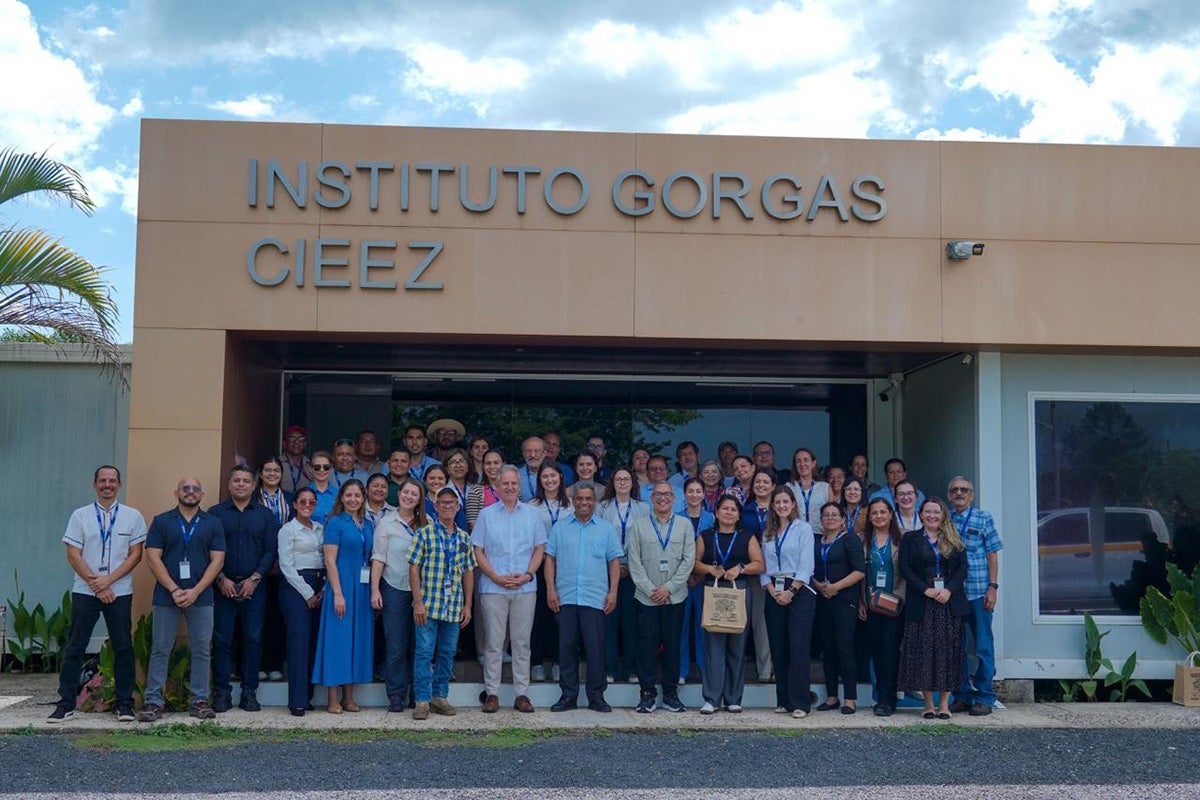
The initiative brought together 55 specialists from 12 countries from June 1 to 4 in Santiago del Este, with the aim of strengthening countries’ ability to timely detect, investigate, and respond to these viruses, which continue to pose a public health challenge.
Hantavirus refers to a group of zoonotic viruses primarily transmitted by rodents that have circulated in the Americas for more than three decades, particularly in the Southern Cone. In the Region, they can cause hantavirus pulmonary syndrome, a rare but potentially severe disease, most commonly acquired through inhalation of airborne particles contaminated with excreta from infected rodents.
The meeting was organized jointly with the Gorgas Memorial Institute for Health Studies (ICGES) of Panama, the National Institute of Infectious Diseases (INEI-ANLIS Malbrán) and the National Institute of Human Viral Diseases (INEVH-ANLIS Malbrán) of Argentina, and the Division of High-Consequence Pathogens and Pathology of the U.S. Centers for Disease Control and Prevention (CDC), with the support of the Ministries of Health and Agriculture of Panama.
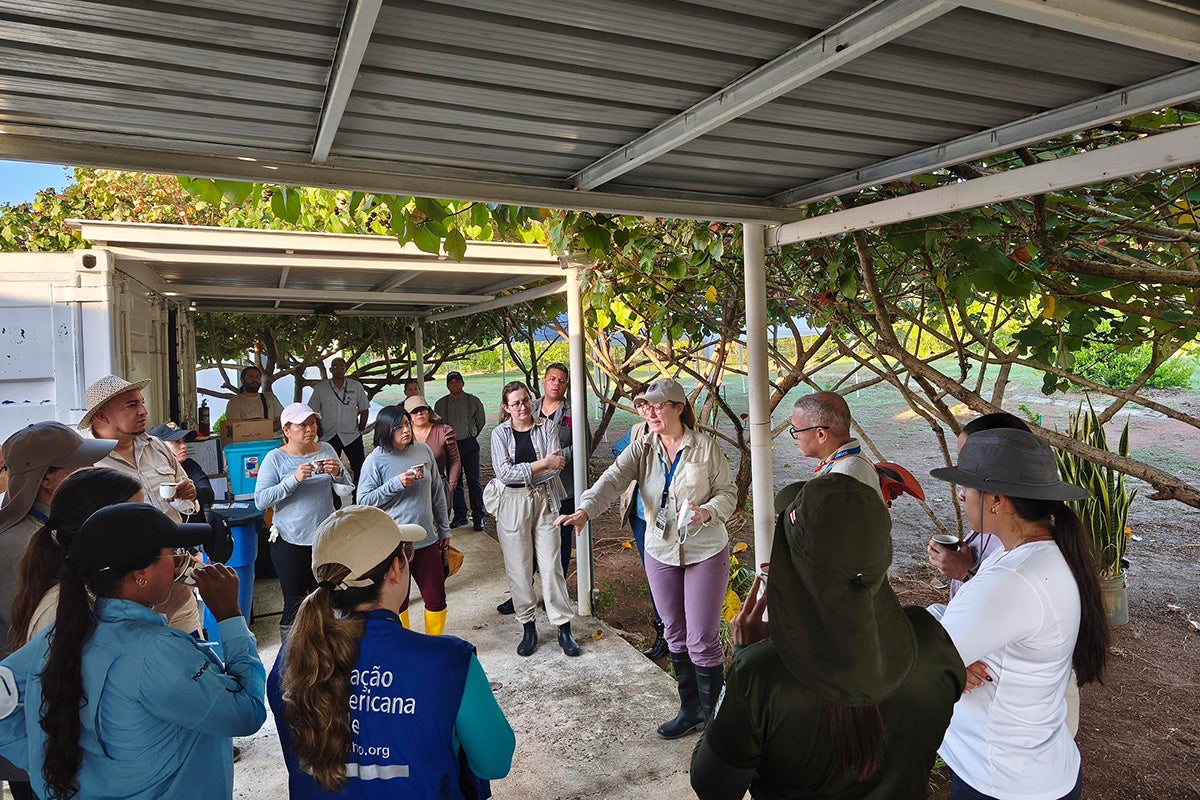
Strengthening surveillance and response
Over four days, experts in epidemiology, laboratory science, and zoonotic diseases updated technical knowledge, exchanged experiences, and reviewed progress and gaps in regional surveillance. They also examined the status of hantavirus and other hemorrhagic fevers at the regional and global levels, with emphasis on the need for integrated and coordinated surveillance systems across countries.
In December 2025, PAHO issued an epidemiological alert following an increase in cases in endemic countries, calling for strengthened surveillance, timely diagnosis, and intersectoral response.
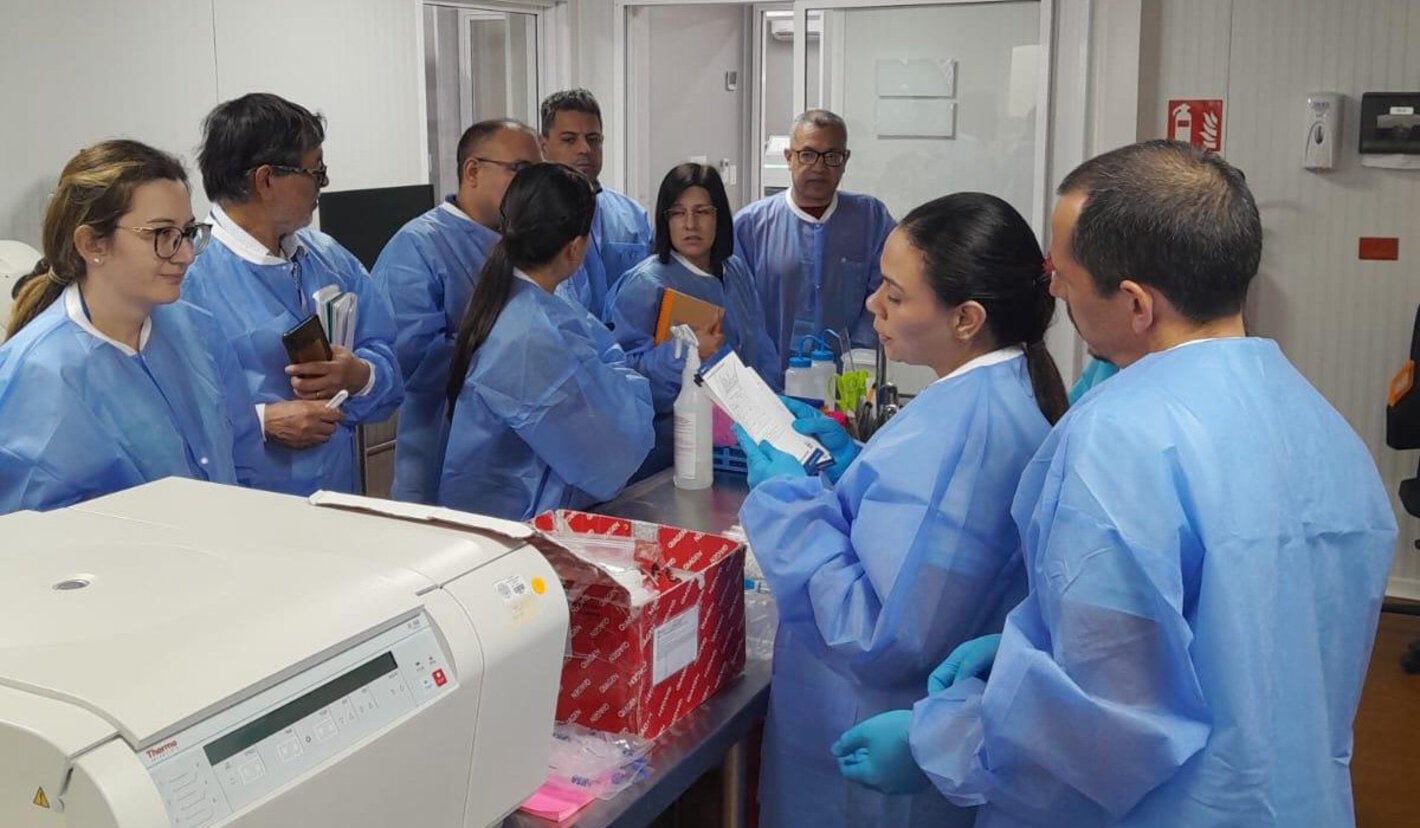
A key focus of the workshop was strengthening laboratory capacity, including updates on molecular and serological testing and the use of genomic sequencing to improve surveillance and outbreak analysis. Participants also carried out hands-on exercises guided by experts from collaborating centers.
The program also included a tabletop exercise simulating an outbreak investigation of rodent-borne hemorrhagic fever. The exercise integrated case finding, risk factor identification, contact tracing, and the analysis of human and animal samples, bringing together epidemiological, laboratory, and ecological surveillance within an integrated approach.
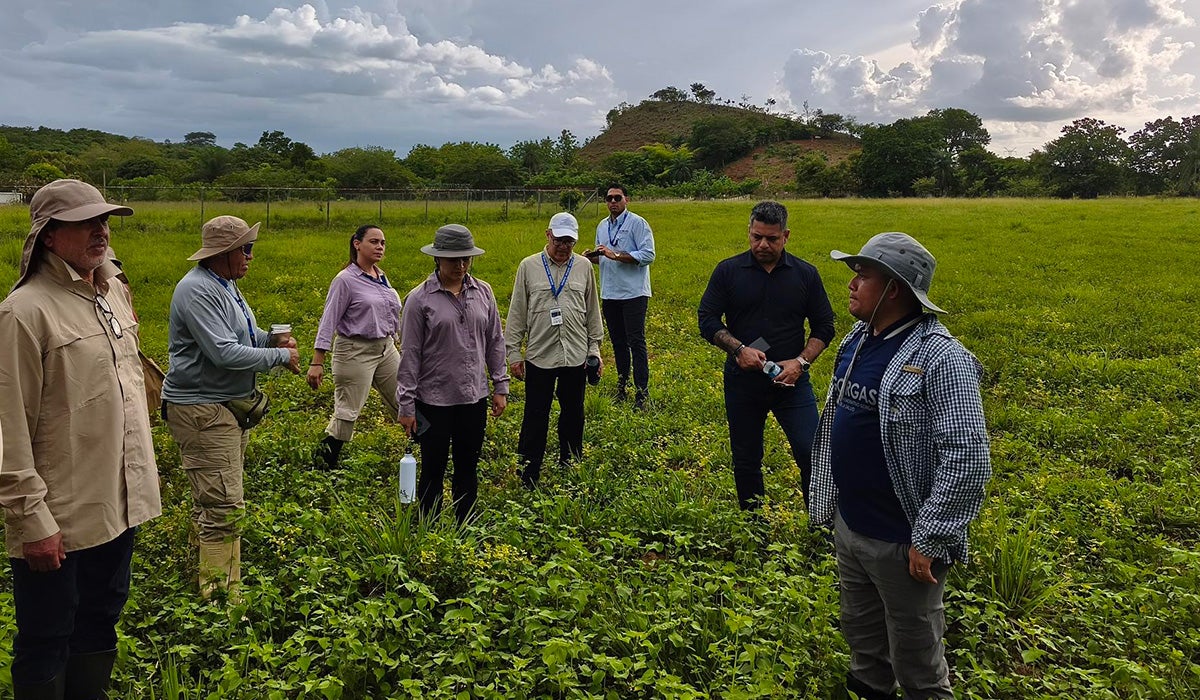
Intersectoral approach and regional preparedness
The workshop brought together national teams from epidemiological surveillance, laboratory services, and zoonotic disease programs, including specialists in habitat characterization, animal trapping, and rodent control. This diversity of technical expertise reinforced the importance of intersectoral collaboration under the One Health approach.
The activity was part of PAHO’s efforts to strengthen regional preparedness for hantavirus, particularly following the increase in cases reported in 2025 and an international transmission event associated with a cruise ship that departed from Argentina in April 2026.
In 2025, eight countries in the Region reported 229 confirmed cases and 59 deaths from hantavirus pulmonary syndrome, primarily in the Southern Cone. In 2026, through mid-April, six countries have reported 94 cases and 13 deaths, underscoring the continued circulation of the disease in the Region.
These figures highlight the importance of maintaining strong, coordinated surveillance systems capable of rapidly detecting and responding to potential exposures in different contexts, including those related to travel and tourism.
“Recent events, such as the cruise ship–associated outbreak, underscore the need to keep technical capacities up to date and strengthen intersectoral collaboration,” said Andrea Vicari, Head of the Unit for Infectious Hazard Management at PAHO. “PAHO continues to work with countries to strengthen surveillance, timely diagnosis, and integrated response to hantavirus and other zoonotic diseases,” he added.
There is no vaccine or specific antiviral treatment for hantavirus. Prevention—based on rodent control, proper sanitation, and reducing human exposure—remains the most effective protective measure.