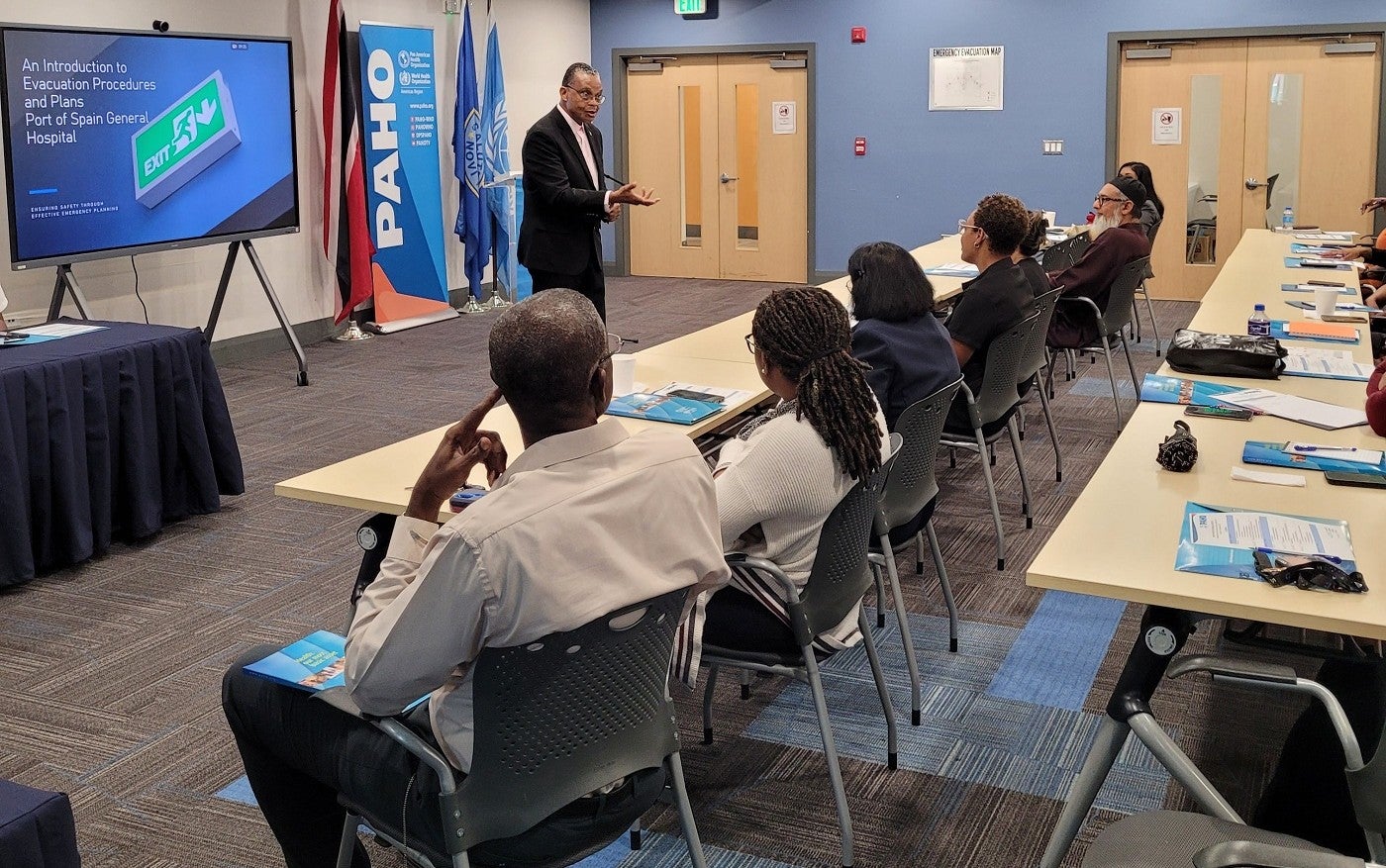
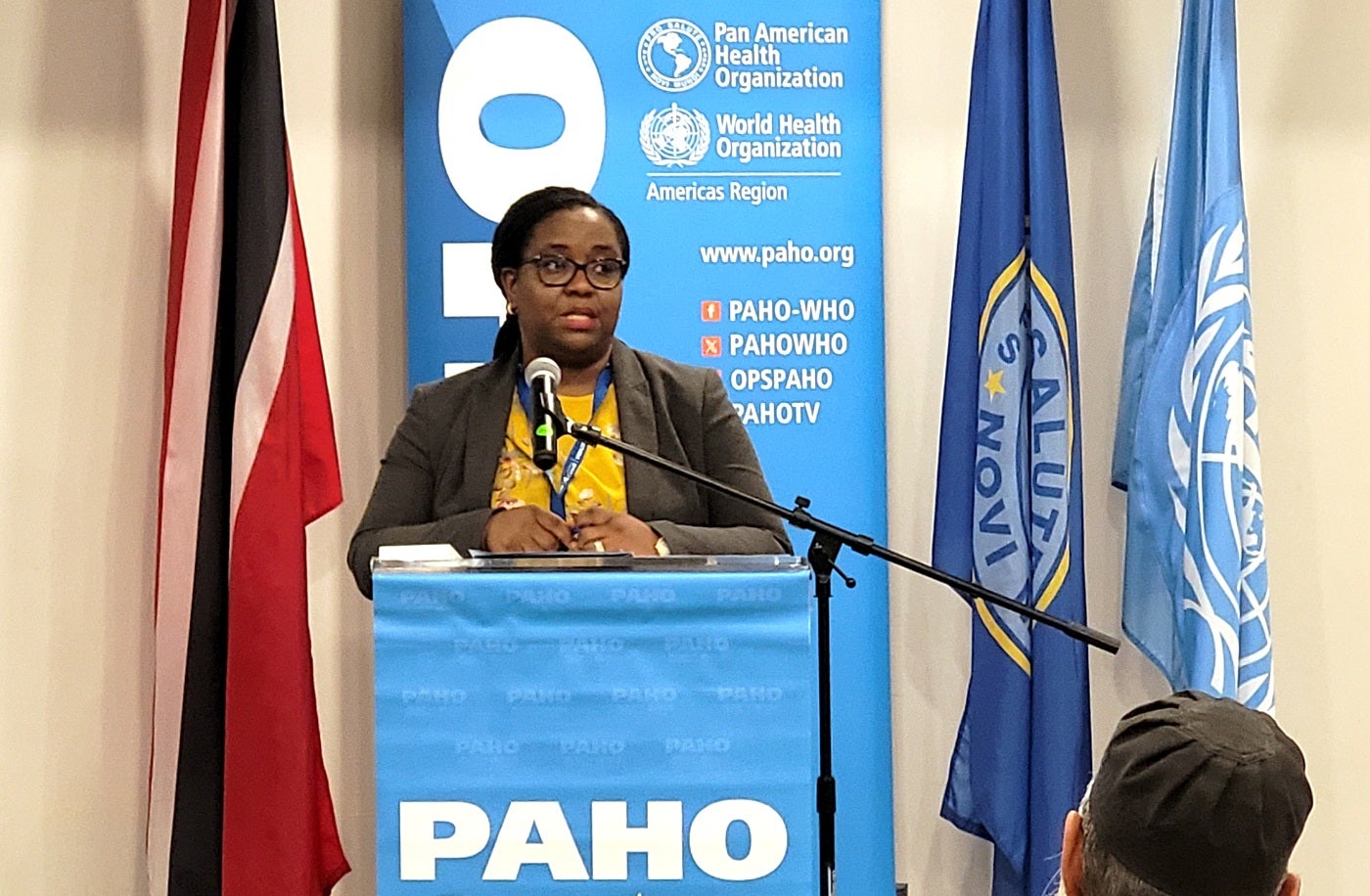
Port-of-Spain, 16 September 2025 (PAHO): The PAHO/WHO Trinidad and Tobago Country Office recently hosted a dynamic and hands-on two-day workshop titled “An Introduction to Evacuation Procedures and Plans”, aimed at enhancing emergency preparedness and response capabilities within the health sector. Workshop participants included personnel from two hospitals under the North West Regional Health Authority (NWRHA), the Port-of-Spain General Hospital and the St. James Medical Complex, offering participants a realistic and engaging experience in hospital evacuation planning.
The training addressed scenarios such as chemical spills, security threats, and medical emergencies. Participants also explored shelter-in-place strategies and evacuation procedures tailored to each facility’s layout and patient demographics.
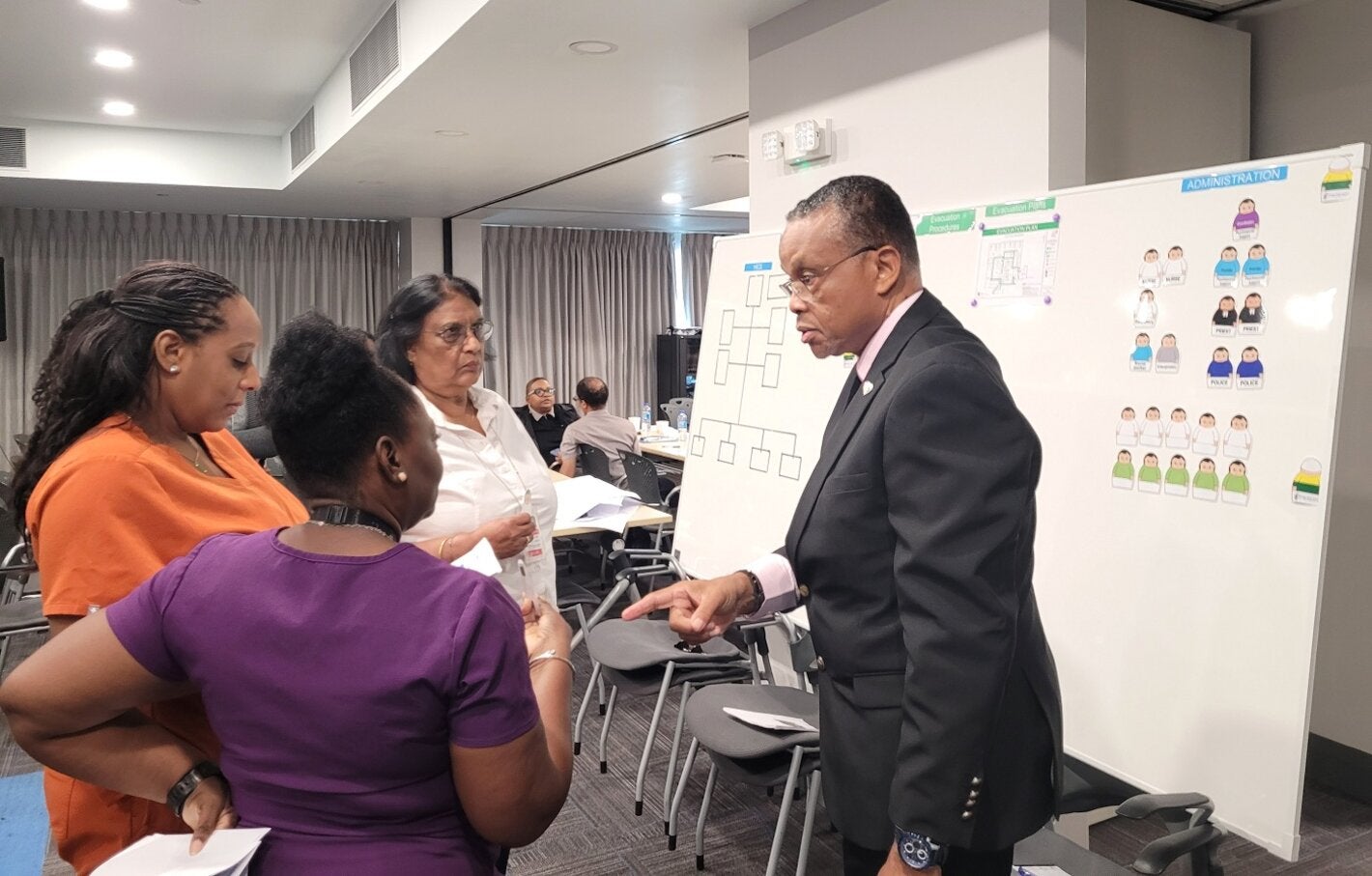
Unlike traditional classroom style training sessions, this workshop was a combination of a theoretical training and a tabletop exercise, using the Emergo Train System (ETS). Participants were required to leave their seats, use provided materials, including mobile phones, and actively engage in simulated emergency scenarios. At one point, the lights were deliberately turned off to simulate a loss of electrical power, adding a layer of realism and urgency to the exercise.
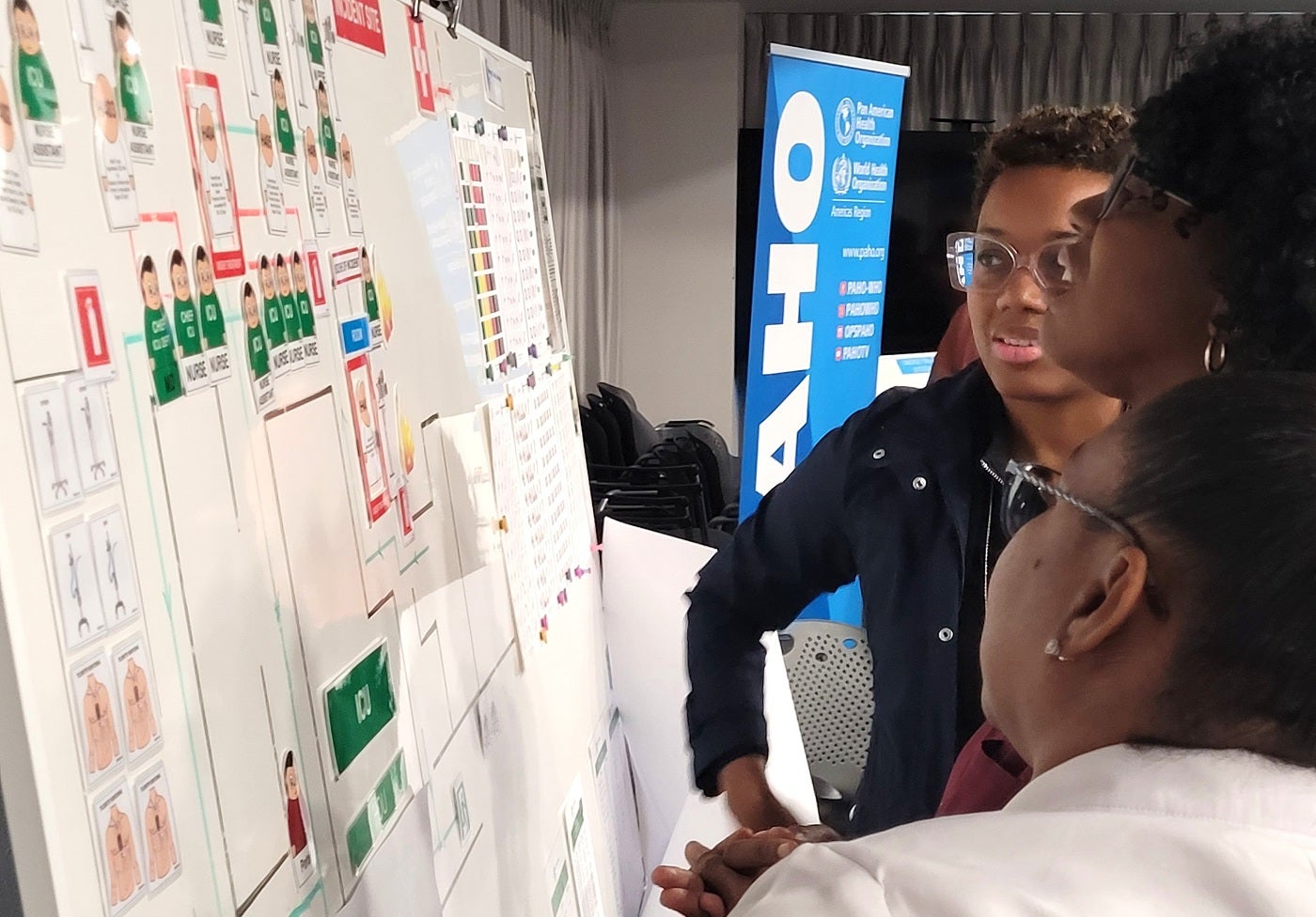
This immersive approach allowed participants to test their decision-making, communication protocols, and coordination under pressure, mirroring the unpredictability of real-life emergencies.
Participants also reviewed the structure and responsibilities of the Hospital Incident Management Team (HIMT), ensuring that roles are clearly defined and understood during emergencies. The training emphasized the importance of regular drills, clear procedures, and continuous evaluation to ensure hospitals are prepared to respond swiftly and safely during emergencies.
The session underscored the need for inclusive evacuation planning, particularly for individuals with ambulatory, cognitive, hearing, or visual impairments. PAHO’s INGRID-H framework was introduced to guide hospitals in accommodating diverse needs during emergencies.
This workshop represents a significant step in PAHO/WHO’s ongoing efforts to strengthen health emergency preparedness in Trinidad and Tobago. By combining theory with practical simulation, PAHO/WHO has empowered hospital teams to develop evacuation strategies that are not only compliant with safety standards but also responsive to the realities of healthcare delivery.
As emergencies can strike without warning, preparedness saves lives, and this workshop has equipped participants with the tools, confidence, and clarity to act decisively when it matters most.