Washington, D.C., 2 November 2026 (PAHO) – The Pan American Health Organization (PAHO) highlighted the importance of strengthening nursing leadership and promoting the use of scientific evidence in health policy decision-making during the XIX Pan American Nursing Research Colloquium, held from 26 to 30 October in Ribeirão Preto, Brazil. PAHO's participation also provided an opportunity to advance dialogue with collaborating centers and strategic partners on nursing technical cooperation priorities for the coming years.
During the opening session of the conference on nursing leadership and research, Benjamín Puertas, Chief of PAHO's Health Workforce Unit, emphasized the importance of involving nursing professionals in decisions on health system policies, budgets, and reforms, as well as strengthening education, improving working conditions, and expanding the scope of professional practice.
In his presentation, Puertas underscored the role of research and data in informing public policies and prioritizing investments in nursing. He also presented tools and methodologies developed by PAHO to support countries in planning and strengthening the health workforce.
The colloquium, organized by the University of São Paulo at Ribeirão Preto College of Nursing (EERP/USP), a PAHO/WHO Collaborating Centre for Nursing Research Development, brought together more than 1,000 participants from 15 countries. Under the theme "Nursing Research and Implementation Science: Sustainable Solutions to Strengthen the Workforce and Health Systems," the event addressed topics such as advanced practice nursing, artificial intelligence, workforce migration, and the application of research findings in health services.
Technical cooperation with collaborating centers and strategic partners
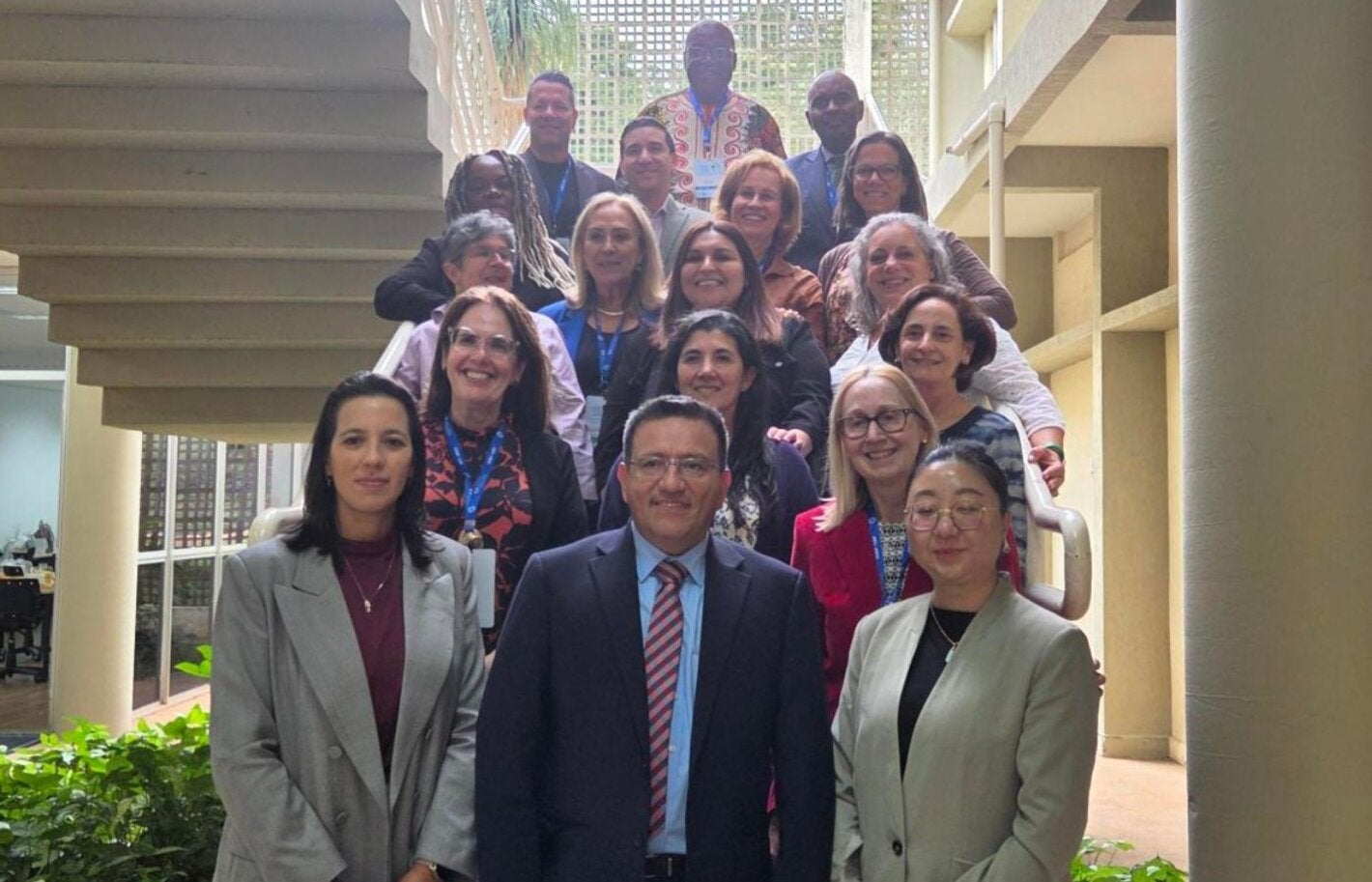
As part of the Colloquium, PAHO participated in the annual meeting of the Pan American Network of PAHO/WHO Collaborating Centres for Nursing and Midwifery (PANMCC), where it presented the main achievements in technical cooperation in 2026 and work priorities for 2027.
"PAHO/WHO collaborating centers, particularly those focused on nursing, play a very important role in supporting technical cooperation in countries across the Region. These centers, located throughout the Americas, operate under specific terms of reference aligned with PAHO's priorities and support the implementation of strategic and priority actions to strengthen the health workforce, particularly nursing," said Benjamín Puertas.
Among the initiatives shared were technical cooperation with Guyana to transform nursing education and the development of training courses available on PAHO's Virtual Campus for Public Health, which have recorded more than 47,000 participants across three courses related to nursing and midwifery.
Experiences from policy dialogues supported by PAHO in the Caribbean, Mexico, Guatemala, and Honduras were also shared. These dialogues have contributed to defining national priorities and actions to strengthen nursing.
During the meeting, collaborating centers presented their activities, and opportunities were identified to strengthen joint efforts, particularly in in-service training, interprofessional education, and coordination of technical cooperation initiatives.
The agenda also included bilateral meetings with the International Council of Nurses (ICN), Brazil's Federal Nursing Council (COFEN), and the Latin American and Caribbean Center on Health Sciences Information (BIREME). These exchanges helped identify potential areas for collaboration related to professional leadership, regulation, and advanced practice nursing, as well as strengthening information systems and access to scientific evidence on the health workforce.
These activities are part of PAHO's technical cooperation with countries, academic institutions, and collaborating centers to strengthen nursing education, leadership, and professional development, in line with the regional priorities of the Policy on the Health Workforce 2030.