Washington, D.C., 20 October 2026 (PAHO). The experiences of twelve jurisdictions in Argentina provided valuable insights into the challenges and opportunities involved in developing more integrated, people-centered health services. These experiences highlighted the role of primary health care (PHC) as a fundamental strategy for strengthening coordination across different levels of care and ensuring continuity of care.
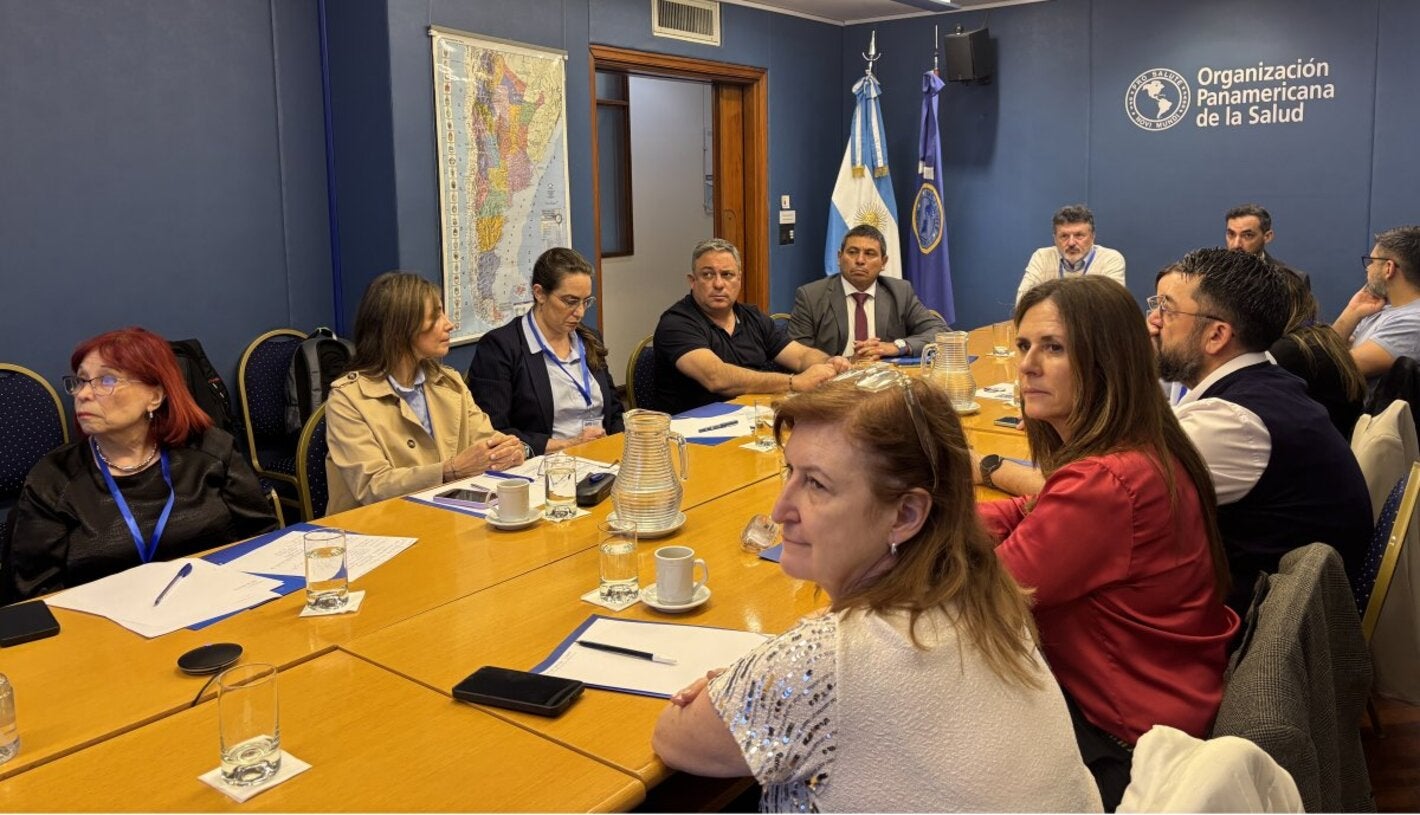
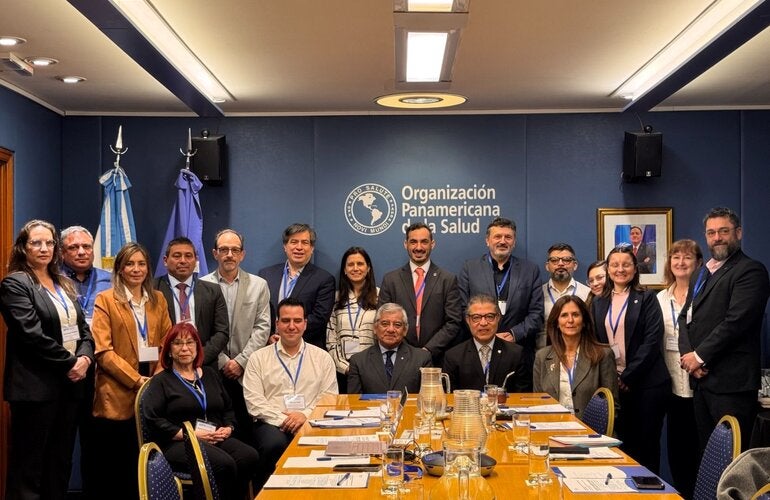
The lessons were shared during the Integrated health services networks in Argentina: a federal experience laboratory workshop, held on 13-14 October in Buenos Aires. The event brought together health authorities from the provinces of Buenos Aires, Chaco, Corrientes, Entre Ríos, Jujuy, Mendoza, Neuquén, Salta, San Juan, Santa Fe, and Tucumán, as well as from the City of Buenos Aires. The workshop was organized by the Pan American Health Organization (PAHO) within the Alliance for Primary Health Care in the Americas, a platform jointly promoted with the Inter-American Development Bank (IDB) and the World Bank.
“For PAHO and for the regional primary health care agenda, this is a necessary activity to learn from concrete experiences”, said Ernesto Báscolo, Chief of PAHO’s Primary Health Care and Integrated Service Delivery Unit. “The common thread across these experiences is a primary health care approach with integrated service delivery, where PHC serves as the coordinating strategy for the different components of the health system.”
Although the experiences presented addressed different challenges, they all emphasized the need to strengthen continuity of care and promote more coordinated care pathways across levels of care.
Organizing care pathways
Throughout the two-day workshop, participants highlighted different strategies to help people’s journeys through the health system.
María Cristina Majul, Undersecretary of Health of Tucumán, presented the development of the province’s maternal-fetal medicine network, structured through territorial nodes that connect local follow-up services with specialized care. Majul emphasized that “we began by integrating our lines of care. A health system that is not integrated is a fragmented system, and what we want is a health system that is more organized, more equitable, and people centered.”
Raúl Salvatore, Director of Health Planning and Coordination of Mendoza Province, presented the Patient Management Unit and the regulatory frameworks implemented to standardize procedures between primary health centers and hospitals. On the development of integrated networks, Salvatore explained that “we placed strong emphasis on patient management and on the patient journey. We need to connect the various actors in the system so that they put the patient at the center of their efforts. This is a major governance challenge.”
Similarly, Nelson Giménez, Director of Networks of the Ministry of Health of Buenos Aires Province, presented the province’s integration strategy based on municipal, regional, and provincial nodes that regulate service provision through the integrated health record system. Giménez noted that sharing different experiences "helps us recognize that we face common issues linked to the unique characteristics of Argentina’s health system, and that these issues need to be addressed jointly through a longitudinal and integrated approach".
Digital transformation to accelerate service integration
Several jurisdictions also underscored the value of digital health strategies and emphasized the need for processes and tools that accelerate and enable integration. Participants agreed that technology should support care pathways that have already been designed and consolidated.
“Digital tools can be catalysts for health service integration processes. To achieve this, it is important to examine the underlying processes and plan them appropriately so that these tools truly serve their intended purpose and help facilitate those processes”, stressed Cristóbal Cuadrado, PAHO Advisor on Health Systems and Services in Argentina.
Entre Ríos presented its provincial telemedicine strategy as a tool for integrating the public healthcare network. The initiative is based on the registration of more than one million people and the adoption of a population-based approach through defined health responsibility areas to expand access to services.
The Autonomous City of Buenos Aires presented its ambulatory gynecology network and stroke care network, both of which combined process redesign with digital support tools to improve care coordination and optimize service delivery across different levels of complexity.
Meanwhile, Corrientes focused on its process of categorizing more than 370 primary health care centers alongside the digitalization of clinical follow-up. Cristian Sarquis, Provincial Undersecretary of Primary Health Care, noted that “digitalization helps enormously, both for the internal work of healthcare teams and for patients themselves. It helps us communicate across levels of care and achieve traceability in every aspect.”
Territorial strategies and community-based adaptation
The presentations also showcased different approaches to bringing health services closer to communities and ensuring timely access during critical situations. Neuquén presented its provincial myocardial infarction network to reduce territorial gaps in access to specialized care; Salta shared a community-based model for addressing child malnutrition; Chaco presented its regionalization strategy for maternal and neonatal care; and Jujuy described an early childhood development initiative based on home visits and intersectoral coordination.
Referring to the experience in Salta, Gabriela Dorigato, Provincial Undersecretary of Social Medicine, noted that the initiative was “highly territorial and intersectoral, rooted in the community, as was the community-based model for acute malnutrition,” and highlighted the need to continue advancing “in overcoming fragmentation within health services.”
Participants agreed that network-based organization requires adapting solutions to the characteristics of each territory, strengthening local capacities, and improving coordination across different sectors and levels. Ana Cabral, Undersecretary for Health Promotion and Disease Prevention in Chaco, noted that “one of the lessons that emerged from this meeting, and I believe we all take away with us, is the importance of working on prevention and not only on care delivery.”
Strengthening the health workforce as a condition for integration
Another cross-cutting lesson was that service integration depends not only on how networks are organized, but also on the capacity of health teams to sustain them over time. Provincial authorities highlighted challenges related to workforce availability, the distribution of specialists, training for network-based work, and the need to strengthen new forms of coordination across levels of care.
In this regard, Andrea Uboldi, Secretary of Health of Santa Fe Province, stated that “society has changed and expects something different from the health system, and we need to update primary health care. We need to discuss what the core teams in these health centers should be and how referral networks should be formalized, because we cannot have everything everywhere or every type of team in every location.”
At the conclusion of the workshop, participants agreed that addressing the common challenges associated with integrating health services requires a combination of organizational innovation, stronger health teams, management capacity, digital transformation, and adequate financing. In that context, the meeting created new opportunities for technical exchange and for advancing a cooperation agenda aimed at strengthening health systems through the primary health care approach.