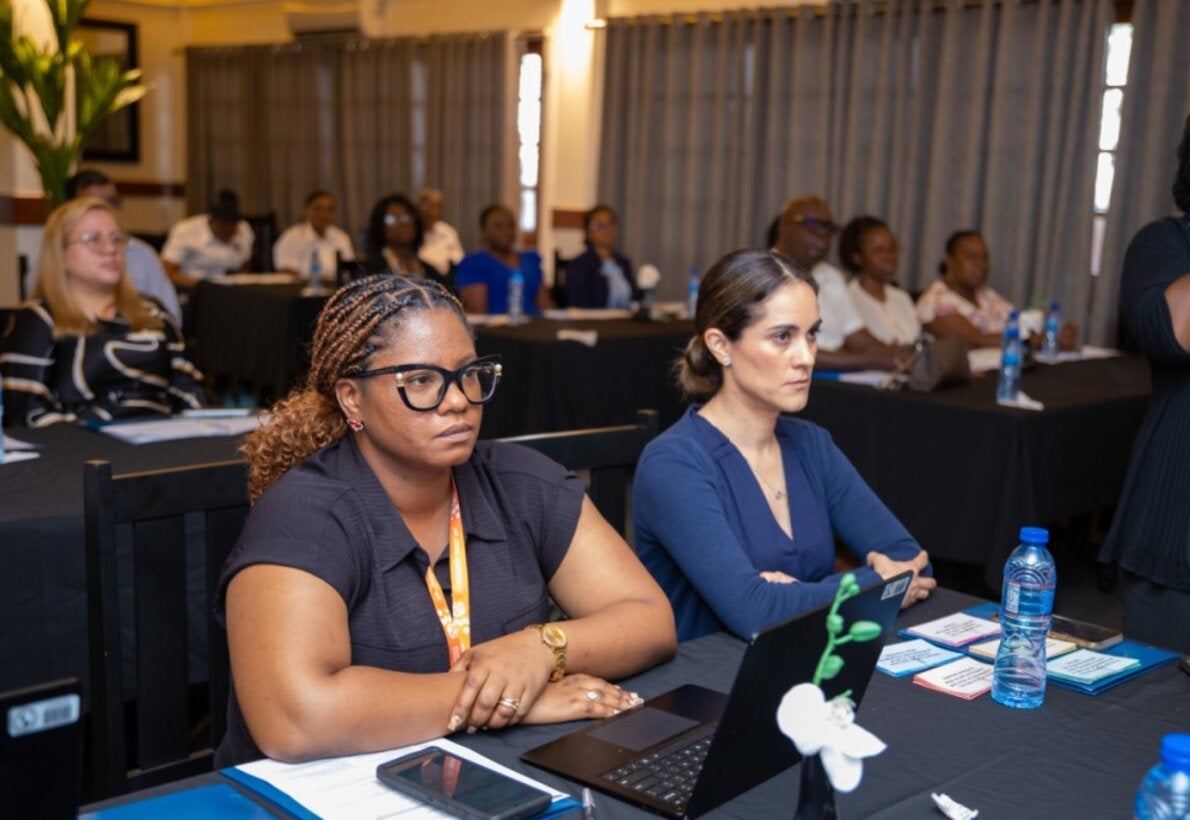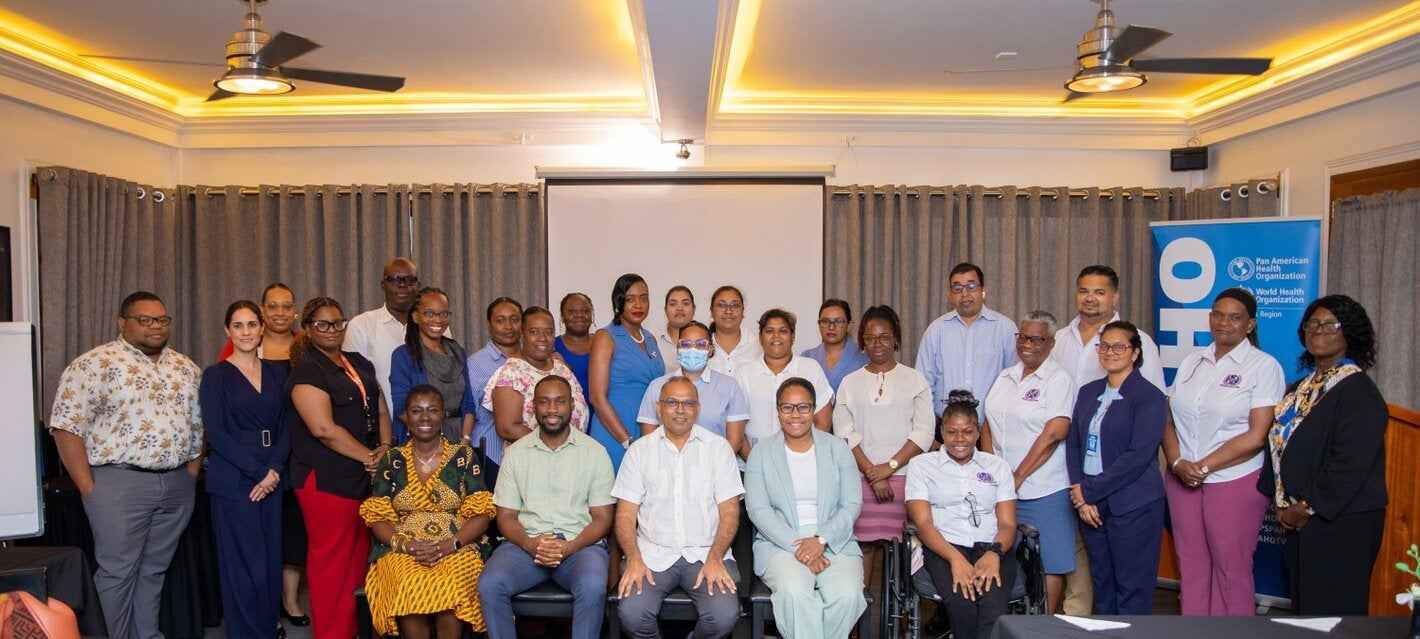
Georgetown, Guyana – 20 July 2026 - Recognizing that access to assistive technology is fundamental to health, inclusion, and human dignity, the Pan American Health Organization (PAHO), in collaboration with the Ministry of Health’s Rehabilitation and Disability Services and the Ministry of Labour and Manpower Planning, brought together key stakeholders to advance discussions on Guyana’s assistive technology priorities. The consultation was facilitated by Ms. Yasmin Garcia Mendez, International PAHO Consultant who advises on Access to Medicines and Health Technologies and it highlighted the growing need to identify and expand access to essential assistive products. These products enable persons with disabilities including the elderly and those with non-communicable diseases, and individuals requiring rehabilitation services to live independently and participate fully in society. By fostering dialogue and collaboration across sectors, the initiative reaffirmed a shared commitment to strengthening equitable access to assistive technology and building a more inclusive future where all Guyanese can realize their full potential.
Assistive technology has become one of the most important tools for advancing health, inclusion, and human rights in the 21st century. From wheelchairs, prosthetic limbs, hearing aids, and spectacles to communication devices and digital technologies, assistive products enable individuals to participate fully in education, employment, family life, and community activities. Far beyond being a disability support intervention, access to assistive technology is now recognized globally as a critical component of universal health coverage and sustainable development.
“Through continued collaboration and shared commitment, we can build a future where no one is left behind, where all people who need assistive technology can access it without barriers, and where every individual is empowered to achieve their full potential.”
— Dr. Kim Eva Dickson, PAHO/WHO Representative, Guyana
Today, more than 2.5 billion people worldwide require at least one assistive product, a figure projected to rise to more than 3.5 billion by 2050 due to population ageing, longer life expectancy, and the increasing prevalence of noncommunicable diseases. Yet millions of people continue to face significant barriers to accessing the products they need, limiting their independence and opportunities. Ensuring equitable access to assistive technology is therefore essential to building societies where everyone can thrive with dignity and autonomy.
Guyana has made significant strides in strengthening rehabilitation and disability services, demonstrating a clear commitment to ensuring that no one is left behind. Over the past several years, the country has expanded rehabilitation services across multiple regions, invested in developing a skilled rehabilitation workforce, established local training programmes for physiotherapists, occupational therapists, and speech and language therapists, and implemented the National Rehabilitation Services Strategy 2021–2030. These achievements have helped lay the groundwork for a more responsive and inclusive health system capable of meeting the diverse needs of the population.
A major milestone in this journey was the completion of Guyana’s Assistive Technology Capacity Assessment, which provides valuable evidence to guide future policies, investments, and service delivery improvements. Alongside the development of a National Priority Assistive Product List, the assessment offers a critical roadmap for strengthening access to essential assistive products and creating a more equitable, sustainable assistive technology system that serves all Guyanese.
Addressing stakeholders during the consultation on assistive products, Minister of Health Hon. Dr. Frank Anthony reaffirmed the Government of Guyana’s commitment to expanding access to essential assistive devices and rehabilitation services across the country.
“We have made a lot of progress. What we now need to do is pick out the things that are really important and make sure that this essential list is what we will target and make available to all of our patients.”
— Hon. Dr. Frank Anthony, Minister of Health
The Minister highlighted several transformative initiatives undertaken by the Ministry of Health, including the removal of fees for prosthetic devices, expanded wheelchair distribution programmes, the provision of free hearing aids and spectacles, and the modernization of prosthetic services through the introduction of 3D printing technology. These interventions have significantly improved the quality of life for many individuals, particularly those living in vulnerable and underserved communities. Dr. Anthony also emphasized the importance of prioritizing practical and sustainable solutions that maximize impact while ensuring long-term accessibility. He further called for stronger collaboration in addressing preventable disabilities, particularly those associated with diabetes-related amputations, as Guyana continues to strengthen its health and rehabilitation systems.
The conversation around assistive technology extends beyond health services alone. It is also fundamentally linked to education, employment, economic participation, and social inclusion. Speaking on the importance of creating opportunities for persons with disabilities, Hon. Keoma Griffith, Minister of Labour and Manpower Planning, underscored the critical role that employment plays in empowering individuals and fostering inclusive national development.
“Employment is about far more than earning a wage. It’s about dignity, independence, and purpose. For persons with disabilities, access to meaningful employment is not merely an economic issue—it is a matter of equality, inclusion, human rights, and the development of our nation.”
— Hon. Keoma Griffith, Minister of Labour and manpower Planning.
Minister Griffith noted that meaningful employment gives individuals the opportunity to contribute their talents, achieve financial independence, and actively participate in society. He stressed that persons with disabilities can succeed and excel in the workplace when appropriate supports and reasonable accommodations are available. Access to assistive technologies, he explained, is often the bridge that enables individuals to pursue education, enter the workforce, and live independently. Calling for a whole-of-government and whole-of-society approach, he emphasized that inclusive employment practices benefit not only individuals but also businesses, communities, and the nation as a whole.
As Guyana advances its efforts to improve access to assistive technology, collaboration across sectors will remain essential. Government agencies, healthcare providers, educators, employers, civil society organizations, and development partners all have a role to play in ensuring that assistive products are affordable, accessible, and available to those who need them most. By prioritizing inclusion and investing in people’s abilities, Guyana is taking meaningful steps toward a future where every individual can participate fully in society and realize their potential.
PAHO’s Commitment
PAHO remains steadfast in its commitment to supporting Guyana’s efforts to strengthen rehabilitation services and expand equitable access to assistive technology. Working closely with the Ministry of Health, the Ministry of Labour and Manpower Planning, organizations of persons with disabilities, and other key partners, PAHO will continue to provide technical cooperation to strengthen policies, enhance service delivery, build national capacity, and support evidence-based decision-making.
Through sustained partnership and collective action, PAHO will continue to support the implementation of recommendations emerging from the Assistive Technology Capacity Assessment and the development of a National Priority Assistive Product List, helping to ensure that assistive products are available, accessible, affordable, and responsive to the needs of the population.
By advancing access to assistive technology, Guyana is investing in a future where all people can learn, work, communicate, and participate fully in society. Together with national stakeholders, PAHO remains committed to building a country where assistive technology serves as a pathway to greater independence, opportunity, dignity, and inclusion for all.