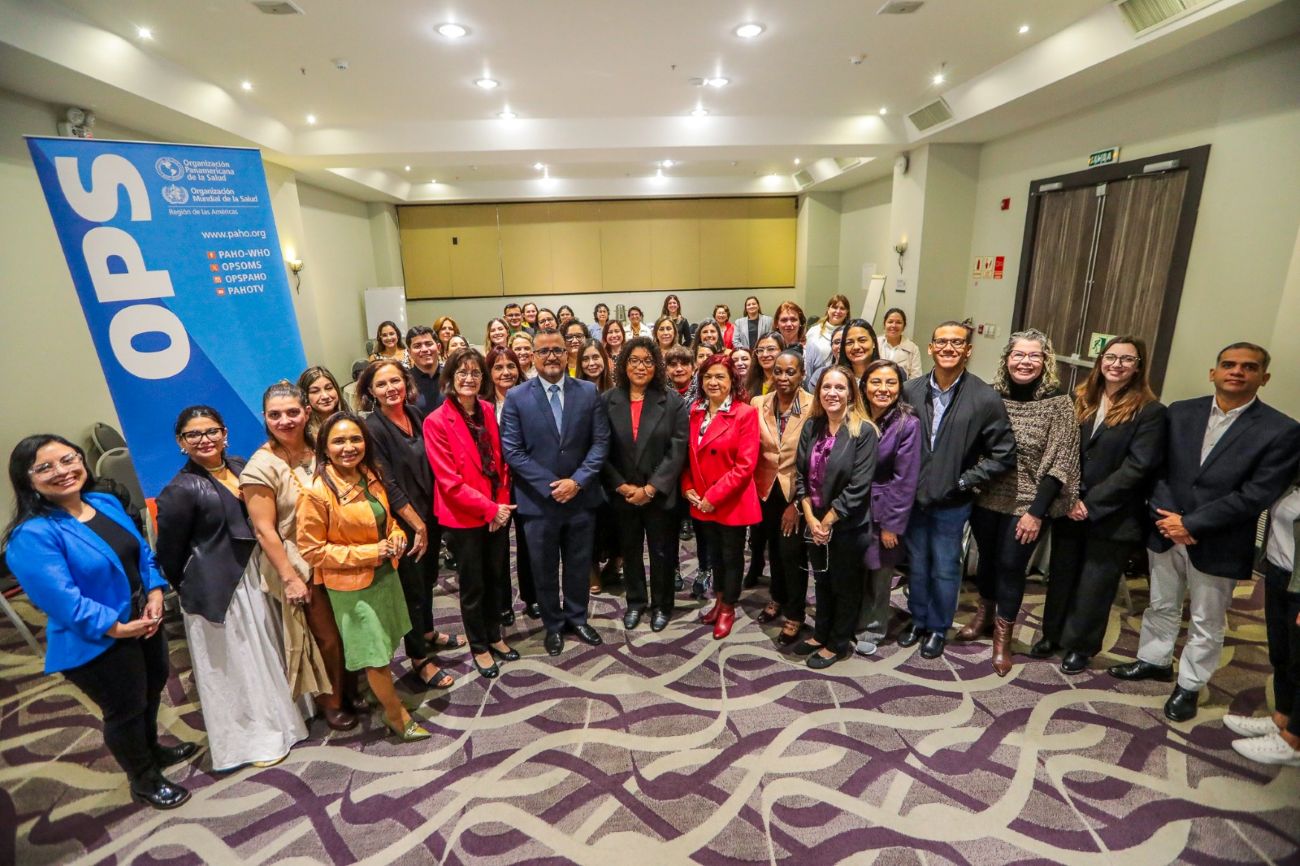
Lima, August 20, 2025 – The Pan American Health Organization (PAHO/WHO) convened around 50 representatives from the health sector from 19 countries in the region to strengthen prevention and health care capacities for children and adolescents who have survived violence. The meeting took place in Lima Perú, on August 20 and 21 with the financial support from the Government of Canada and in collaboration with the regional offices of UNICEF and UNFPA.
"Violence against children and adolescents is a serious public health problem of epidemic proportions. Although the rates of physical, sexual, or emotional abuse exceed 50% in the region, the budget for prevention and care strategies is often insufficient,“ said Maureen Birmingham, PAHO/WHO representative in Peru. ”This training package is a strategic response to transform promises into concrete actions that strengthen our capacities in the Americas.
The workshop responds to a commitment made at the pre-conference with PAHO Member States, prior to the World Ministerial Conference to End Violence against Children (Bogotá, 2024). At that meeting, the Ministries of Health of the Americas requested PAHO/WHO support to strengthen the health system's response to violence, including: training health personnel, developing clinical protocols, and improving administrative data on violence in the health system.
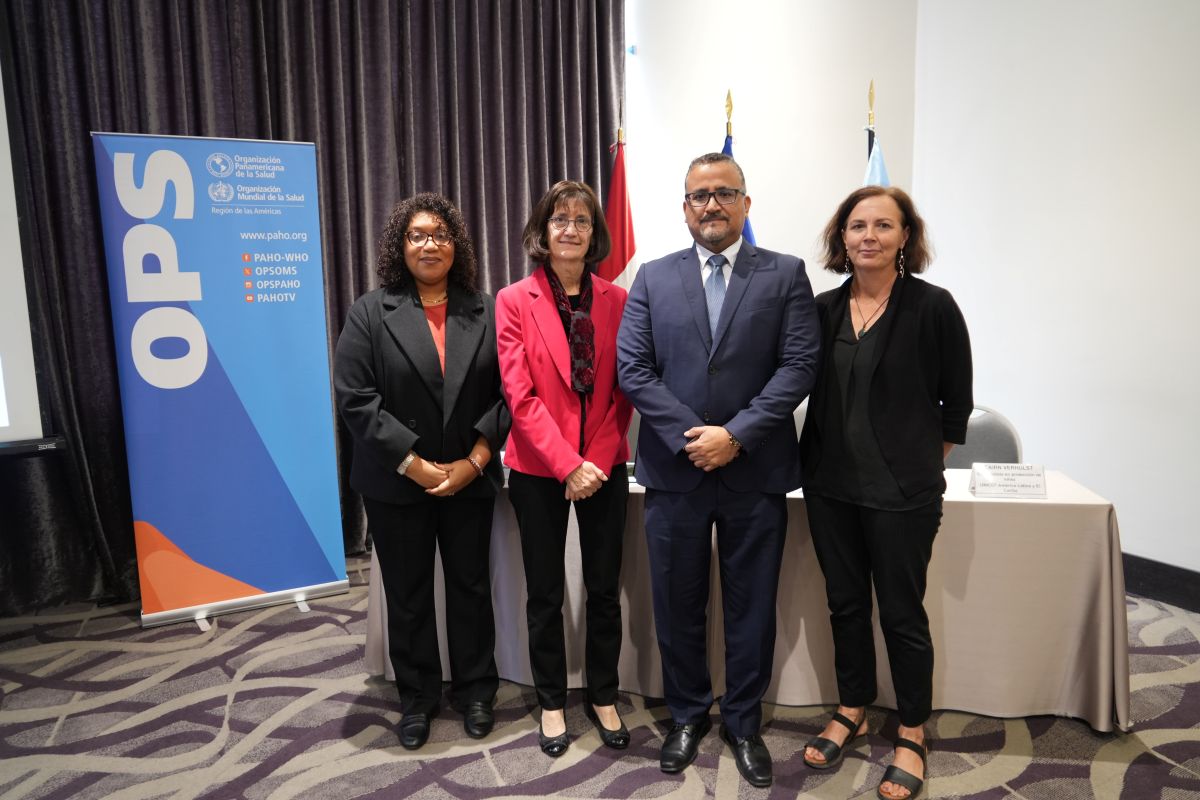
The Lima workshop was the in-person session of a hybrid training series that began in July. Britta Monika Baer, the series facilitator and regional advisor for PAHO/WHO's Department of Noncommunicable Diseases and Mental Health, emphasized: "This initiative responds to an urgent need in the region: although health personnel are often the first line of response, they do not always receive the training they need. PAHO/WHO workshops and related tools seek to empower participants to learn and support each other, and feel better prepared to perform their important role."
During the sessions, participants actively collaborated in practical sessions, case studies, and discussions on regulatory frameworks and clinical protocols according to each country's context. In addition, the workshop promoted the exchange of experiences among Latin American countries, building a support network and articulating a unified and effective approach to addressing violence. The series will continue with a virtual workshop in October, where participants will follow up on the commitments made in Lima and at the ministerial conference.
Peru's Deputy Minister of Public Health, Eric Peña, highlighted the importance of Lima hosting the meeting, underscoring the relevance of regional collaboration. “I am confident that important and historic goals will be achieved through the coordinated work of our countries, which will translate into benefits for our youth and children,” he said.