The Organization highlights recent increases in dengue cases in several countries and the resurgence of chikungunya transmission in areas where the virus had not circulated for several years, as South America approaches its peak transmission season.
Washington, D.C., October 21, 2026 (PAHO) – The Pan American Health Organization (PAHO) called on countries in the Americas to strengthen surveillance and prepare health services in response to recent increases in dengue observed in several countries and increased and renewed chikungunya transmission in countries and territories where viral circulation had not been documented for several years.
The call comes amid the anticipated intensification of the El Niño phenomenon and as South America approaches the peak transmission season for these diseases.
In an epidemiological update published on October 20, PAHO reported that as of mid-September, 1.69 million suspected dengue cases had been reported in the Region, including 3,413 severe cases and 571 deaths.
Although the cumulative number of reported cases represents a 58% decrease compared with the same period in 2025, this decline has not been uniform across the Region: increases have been observed in recent weeks in countries in the Andean, Central American, and Caribbean subregions. Circulation of all four dengue virus serotypes has also been identified in the Americas in 2026.
PAHO also highlighted the chikungunya situation, with transmission increasing between late 2025 and 2026 and reemerging in countries and territories that had not documented viral circulation for several years. As of mid-September, 213,919 suspected cases had been reported, of which 78,481 were confirmed, along with 88 deaths in 20 countries in the Region.
The update also points to transmission in new areas, outbreaks outside historical transmission seasons, longer transmission periods, and increased reporting of more severe clinical manifestations.
Strengthening prevention and preparing health services
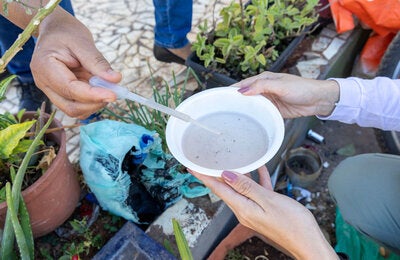
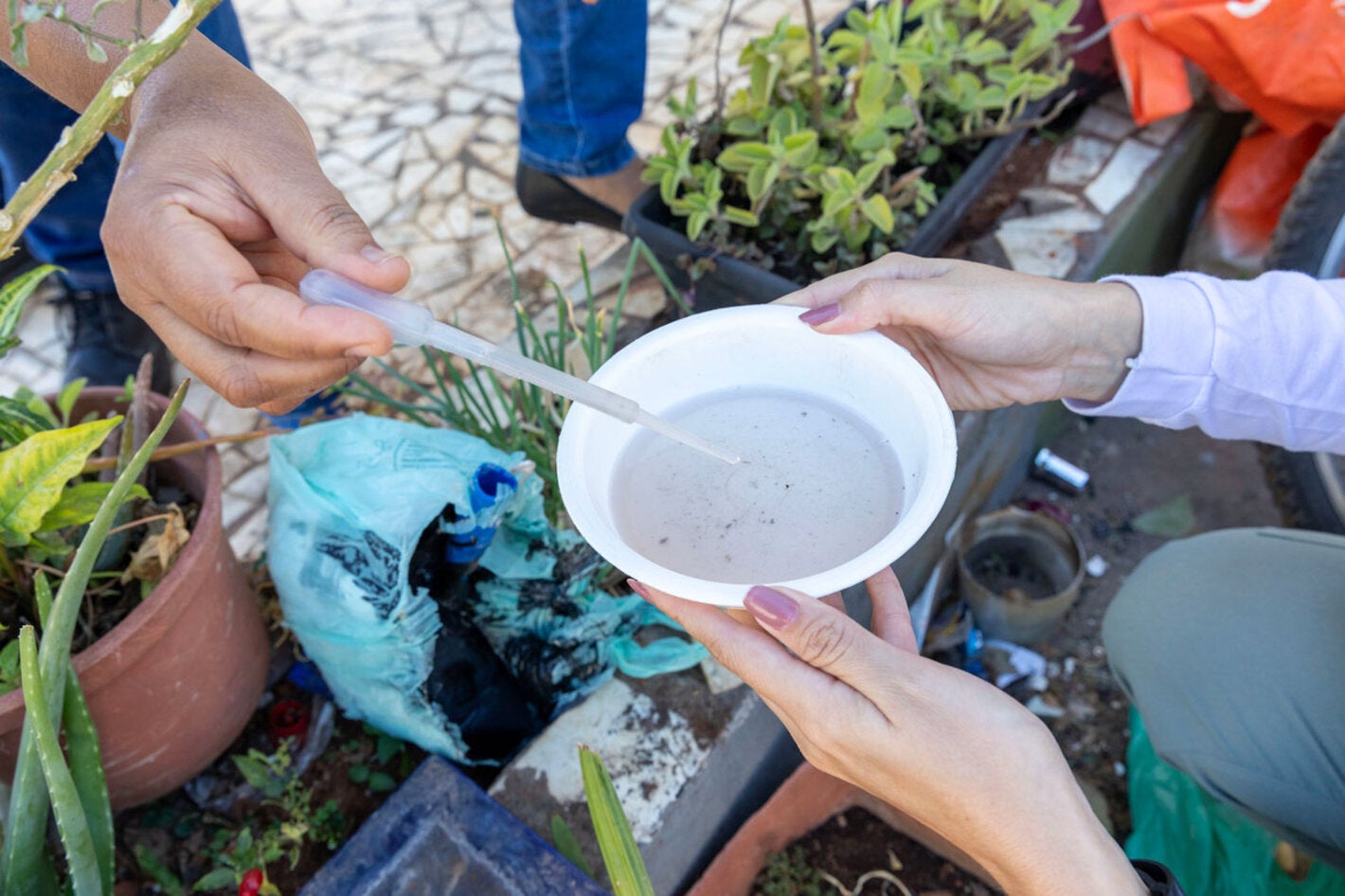
In response, PAHO urged countries to strengthen epidemiological, virological, and entomological surveillance, increase diagnostic capacity, and ensure early detection and timely clinical management of cases. The Organization also recommended stepping up integrated measures to control Aedes mosquitoes, the main vectors of these diseases.
PAHO recommends that health services prepare to respond to potential increases in cases at all levels of care, with particular emphasis on strengthening primary health care capacity to recognize dengue warning signs early and prevent progression to severe disease. Hospitals should also be prepared to manage cases with dengue warning signs and severe cases of these diseases.
Eliminating mosquito breeding sites remains a key measure to reduce mosquito populations. PAHO recommends strengthening environmental management, eliminating containers that collect water, and promoting the active participation of communities, families, local authorities, and other sectors in prevention and control efforts.