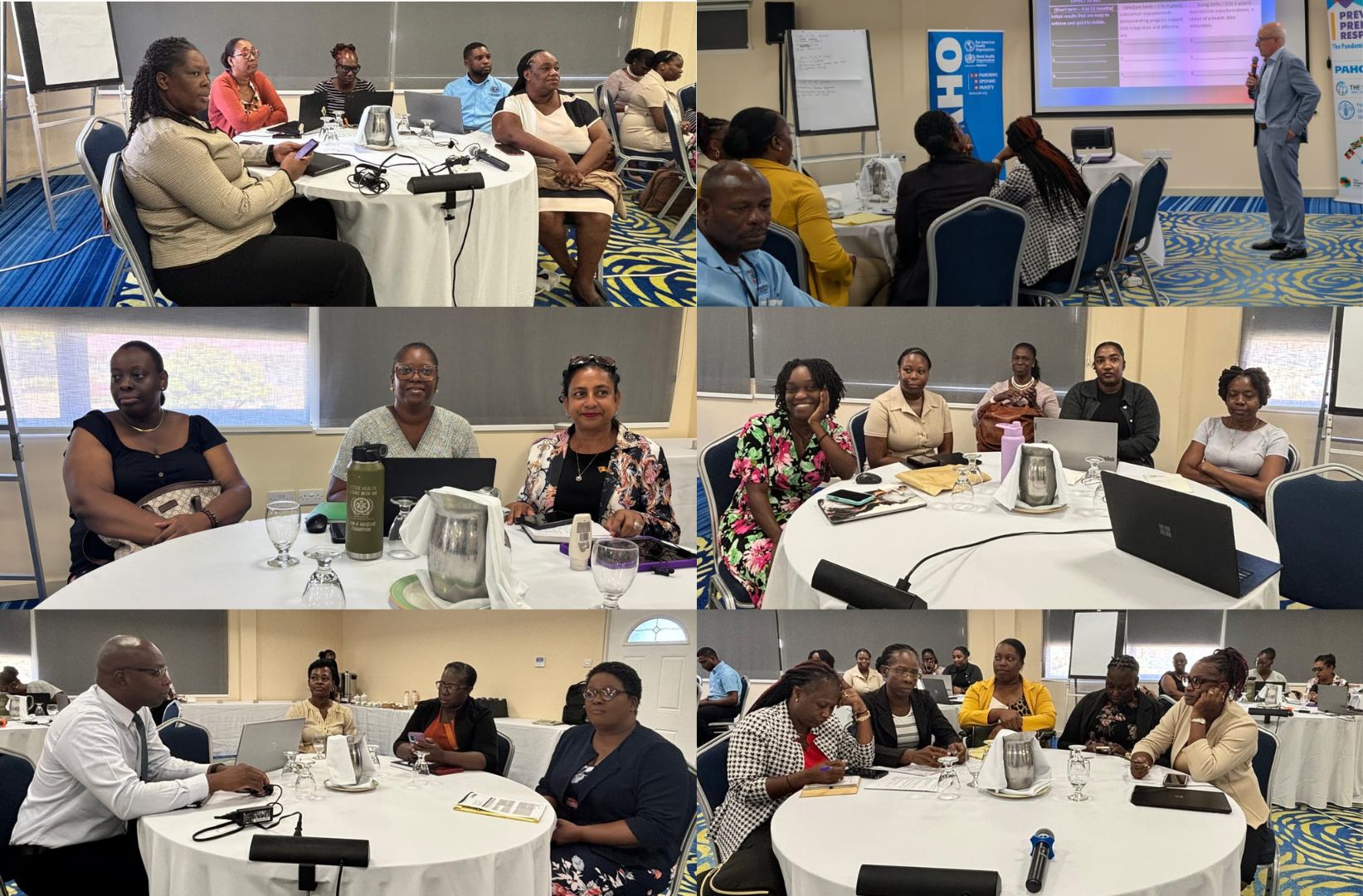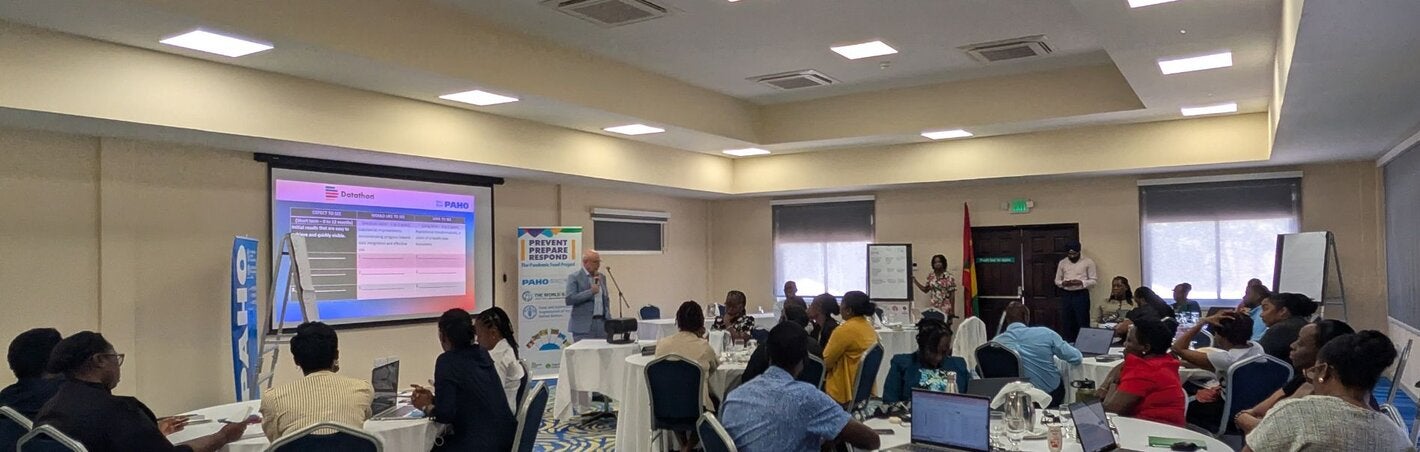
St. George’s, Grenada, May 2026 (PAHO) – With the goal of optimizing health decision-making, more than 30 professionals from different disciplines and local authorities participated in the first public health Datathon held in Grenada. During two days of collaborative work, teams analyzed the generation, circulation, and use of information across the healthcare network to identify gaps and design solutions aimed at improving planning and population care.
This Datathon was jointly organized by the Ministry of Health of Grenada and the Pan American Health Organization (PAHO), through its Office for Barbados and the Eastern Caribbean Countries (ECC) and the Information Systems and Digital Health Unit.
The initiative was based on interdisciplinary group work focused on real-world cases. Activities centered on mapping data flows, identifying key stakeholders, reviewing current processes, and prioritizing major challenges related to interoperability, data quality, and governance.
This practical approach not only highlighted opportunities for improvement toward a more integrated and efficient management model, but also fostered dialogue between technical and strategic profiles. As a result, a shared vision emerged: having reliable and accessible information is essential for building resilient, people-centered health systems.
Access to timely data helps strengthen epidemiological surveillance, guide public policies, and optimize interventions across all levels of care. In the current context of digital transformation in the Americas, this first public health Datathon in Grenada reaffirmed the importance of building local capacities so that information can be translated into concrete actions that improve people’s lives.
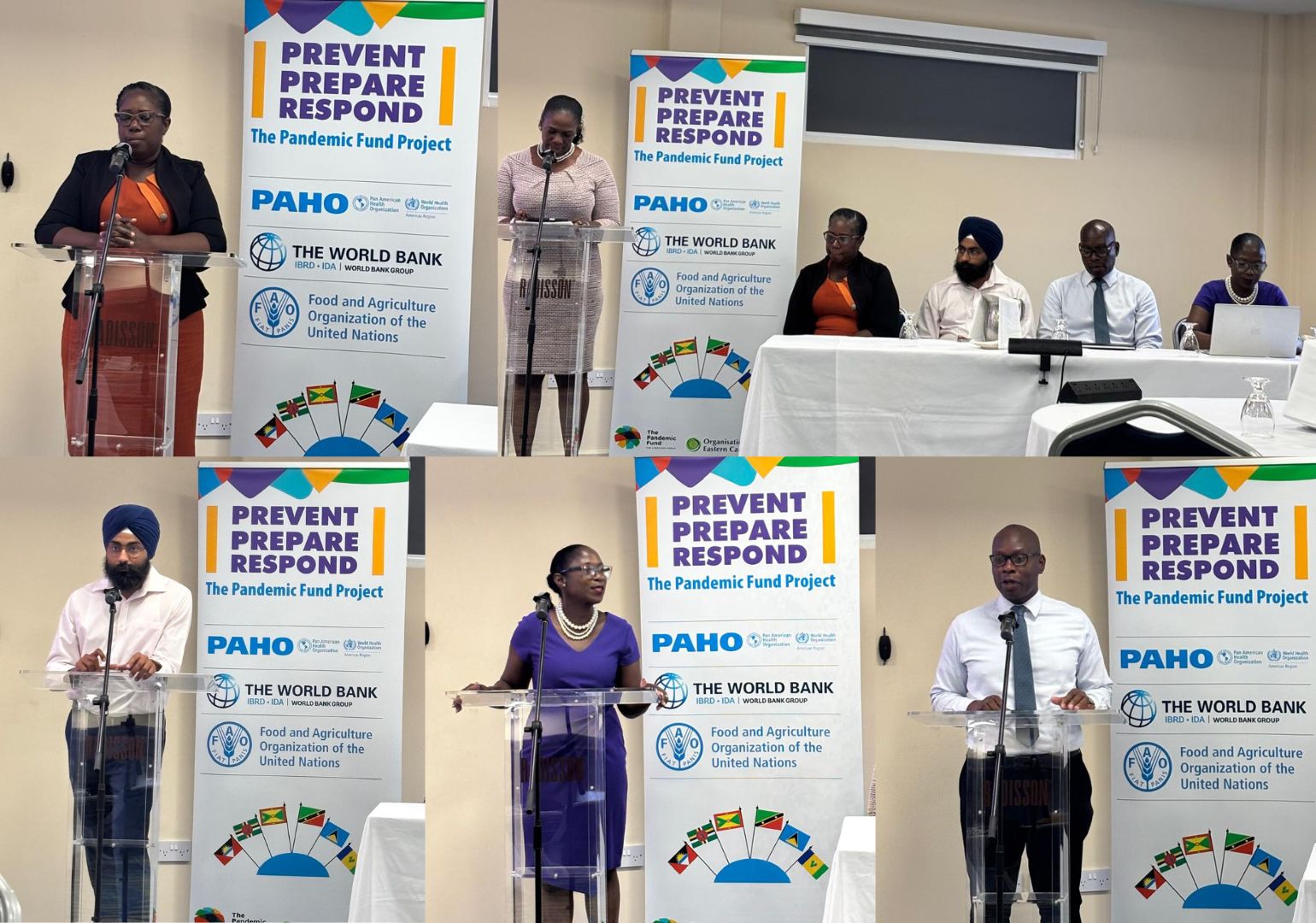
The practical nature of the meeting made it possible to identify opportunities to strengthen health information systems and advance toward a more integrated and efficient management of data. It also promoted exchange between technical and strategic profiles, fostering a shared understanding of the importance of reliable, integrated, and accessible information to support public health management.
The experience highlighted the role of data in building more resilient and people-centered health systems. Access to timely and high-quality information helps strengthen epidemiological surveillance, identify health needs, guide public policies, and improve decision-making at all levels of the health system.
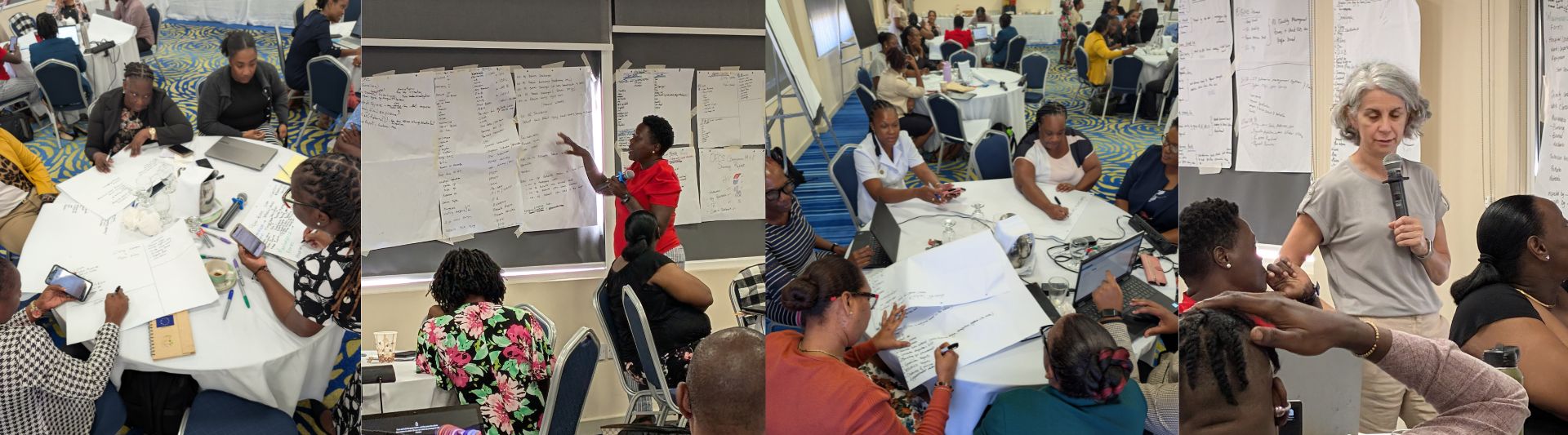
In the context of digital transformation in health across the Americas, initiatives such as this one reflected the importance of strengthening national capacities so that data can be translated into concrete actions that contribute to improving people’s health and lives.