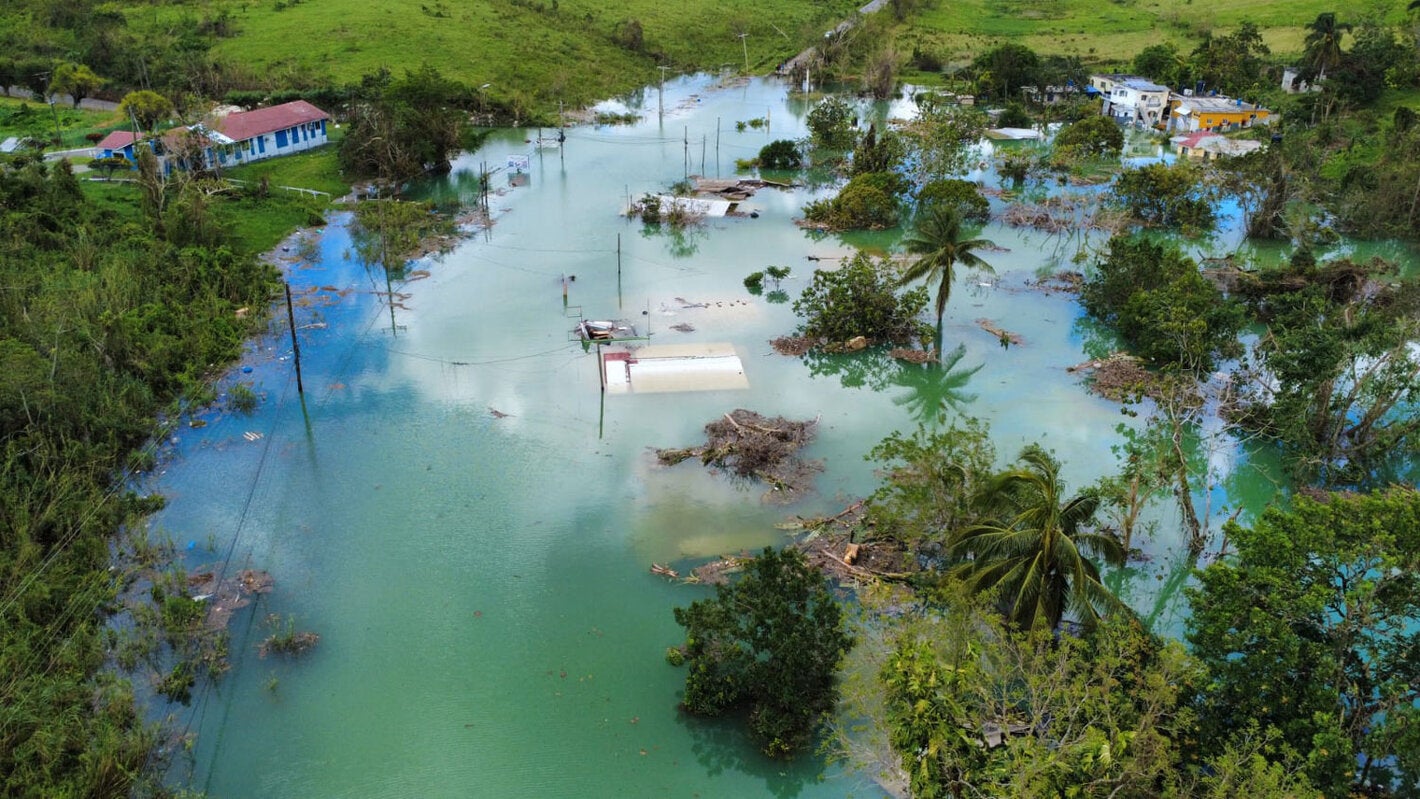
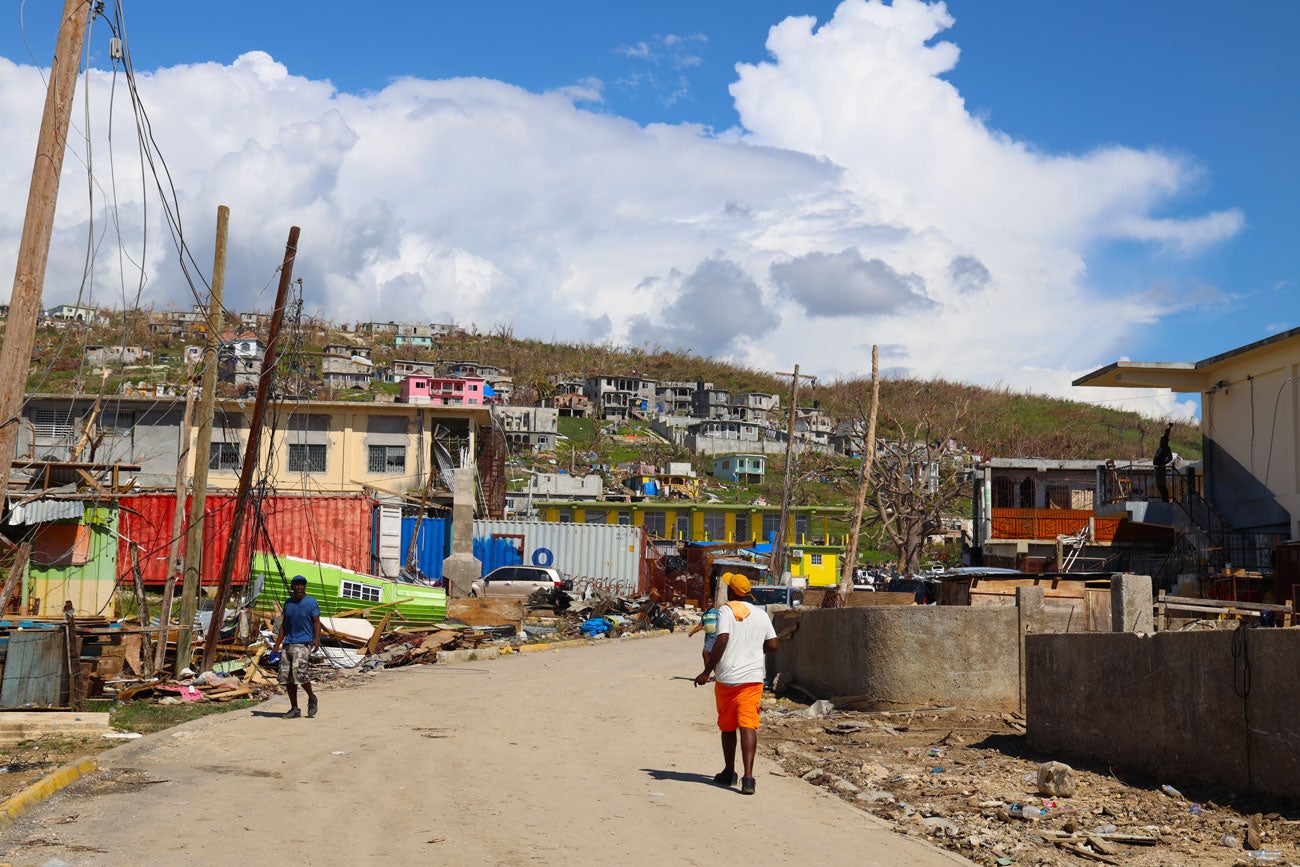
Kingston, Jamaica, 22 November 2025 (PAHO) - Nearly a month after Hurricane Melissa ploughed through parts of Jamaica, many communities are still grappling with its aftermath. Fallen trees, damaged roofs, and broken structures litter streets and yards, while pools of stagnant, contaminated water linger in low-lying areas. Thousands of residents continue to struggle with limited access to clean water and proper sanitation, leaving them vulnerable to disease.
In these conditions, the threat of disease grows sharply. Leptospirosis, a bacterial infection that spreads easily through floodwater and areas with poor sanitation, has become a major concern. With standing water lingering near homes and safe drinking water becoming harder to access, the risk of waterborne illnesses increases with each passing day.
Preparing Before the Storm
Even as the hurricane raged, the Pan American Health Organization (PAHO) was already planning ahead. Just three days after the storm struck, on October 31, PAHO facilitated an intensive virtual training for the National Public Health Lab (NPHL) team on detecting and responding to leptospirosis. This early and strategic preparation ensured the lab was ready to act quickly if cases appeared in the storm’s aftermath.
Small Kits, Big Impact
Following the training, NPHL received diagnostic kits and reagents capable of testing up to 4,000 samples for leptospirosis. While small in size, each kit carries enormous potential, with every test representing an opportunity to detect the disease early, protect lives, and prevent an outbreak. The reagents are synthetic and safe to handle, allowing the laboratory team to work efficiently and confidently.
Turning Preparation into Action
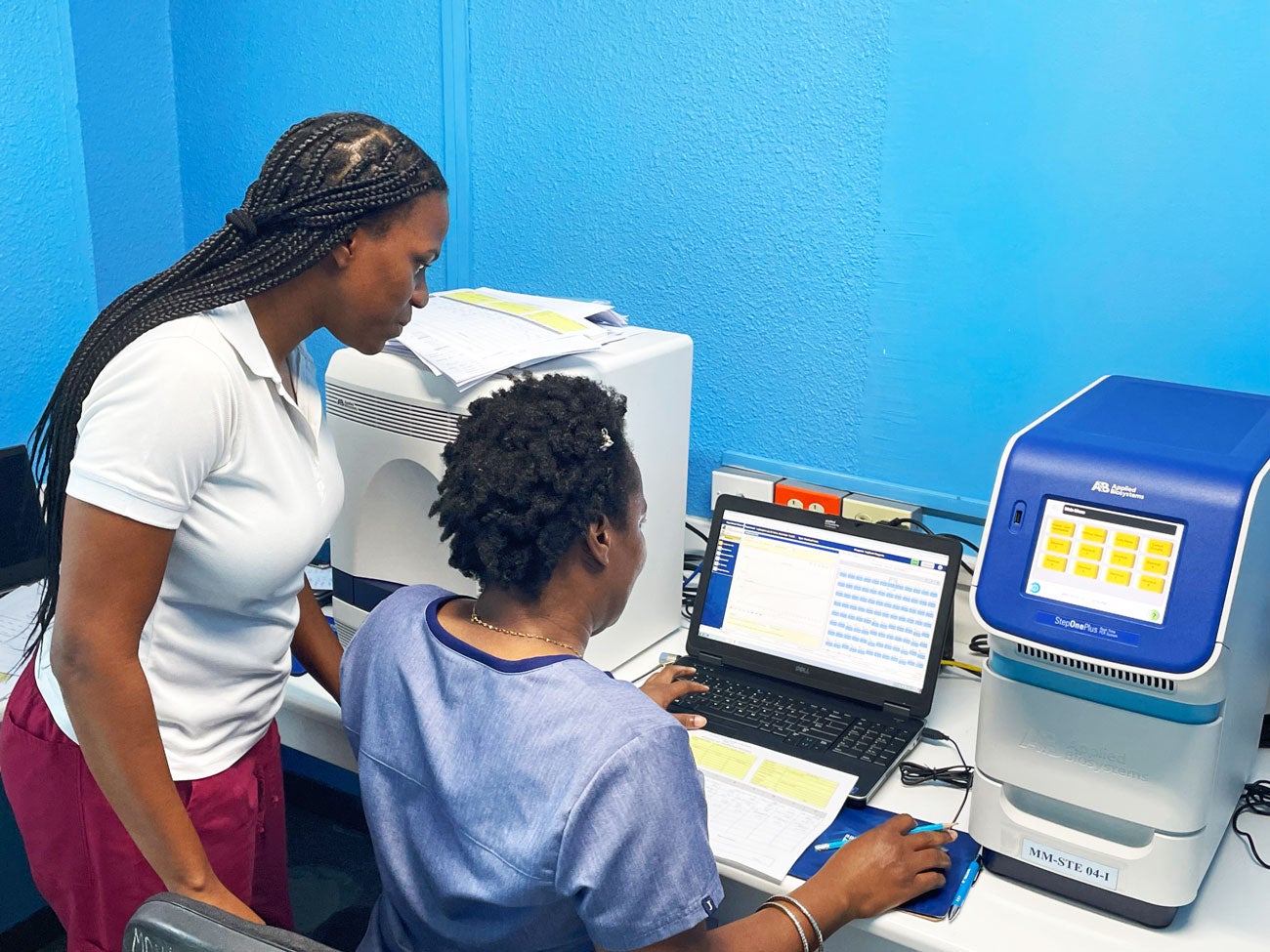
As suspected cases rise, the training has become invaluable to the NPHL staff responsible for testing samples from affected communities. Using the kits provided by PAHO, they can now quickly identify leptospirosis cases, enabling health authorities to respond immediately, reduce risk to people, and keep communities safe. Skilled laboratory teams, timely training, and the right tools have strengthened the NPHL’s ability to confront the hidden dangers left behind by the hurricane.
A Lesson in Preparedness
The rapid response to strengthen the NPHL’s capacity demonstrates the power of planning and foresight. By anticipating disease risks and taking early action through training, providing diagnostic kits, and enhancing laboratory capacity, PAHO helped ensure Jamaica was not caught off-guard. This proactive approach protects the wellbeing of all Jamaicans, mitigates a potential public health crisis, and shows how careful preparation can save lives during natural disasters.