Washington, D.C., February 12, 2026 (PAHO) – More than 160 health professionals from the Andean subregion are collaborating on a project to strengthen capacity for pediatric cancer care, with a special focus on pediatric hematopoietic transplantation (HT) in their region. This initiative is part of a cooperation agreement signed between the Pan American Health Organization (PAHO) and SJD Barcelona Children’s Hospital, a global reference center in pediatric oncology.
Cancer is one of the leading causes of death in childhood and adolescence. In Latin America and the Caribbean, an estimated 30,000 new cases are diagnosed each year and nearly 10,000 children die from the disease. The likelihood of survival largely depends on the country where a child lives: in high-income countries, more than 80% of children with cancer are cured, while in many low- and middle-income countries survival is below 30%, due in part to late diagnoses and limited access to timely, comprehensive, high-quality treatment.
The Andean subregion has a pediatric cancer mortality rate above the regional average (5.3 deaths per 100,000 children and adolescents, compared with 4 per 100,000 in Latin America and the Caribbean). Nevertheless, Ministries of Health have demonstrated a strong commitment to strengthening childhood cancer services and advancing more equitable and timely care.
The project has supported the formation of a multidisciplinary team from Bolivia, Colombia, Chile, Ecuador, Peru, and Venezuela, comprising hematologists, oncologists, pediatricians, nurses, pharmacists, health managers, as well as national and regional experts in transplantation and pediatric cancer. Through joint sessions, participants have analyzed real clinical cases, harmonized technical criteria, and strengthened patient safety protocols.
“Initiatives like this help optimize diagnosis and treatment timelines, reduce long-term complications associated with delayed interventions, and move toward more equitable care,” said Dr. Liliana Vásquez Ponce, PAHO technical officer for childhood cancer. “At the same time, they represent a concrete commitment to children’s rights to receive timely, quality care, regardless of where they live,” she added.
Along the same lines, Dr. Júlia Marsal, Head of the Hematopoietic Progenitor Transplant Unit at SJD Barcelona Children’s Hospital, noted that “supporting teams in the Andean subregion to improve access to HT is both a challenge and an opportunity. From SJD, we will contribute our experience to facilitate exchange, share needs and challenges, and collectively build expertise in this field. We will also seek to involve specialists in key areas to create a broader knowledge network.”
These activities fall under PAHO’s policy on Cooperation among Countries for Health Development (CCHD) and have been coordinated since 2024 with the Andean Health Organization–Hipólito Unanue Agreement (ORAS–CONHU), with support from St. Jude Children’s Research Hospital.
The main objective is to build a subregional Andean patient referral network, develop updated technical guidelines, create informational materials for families, and conduct a situational analysis of hematopoietic transplantation in the six countries.
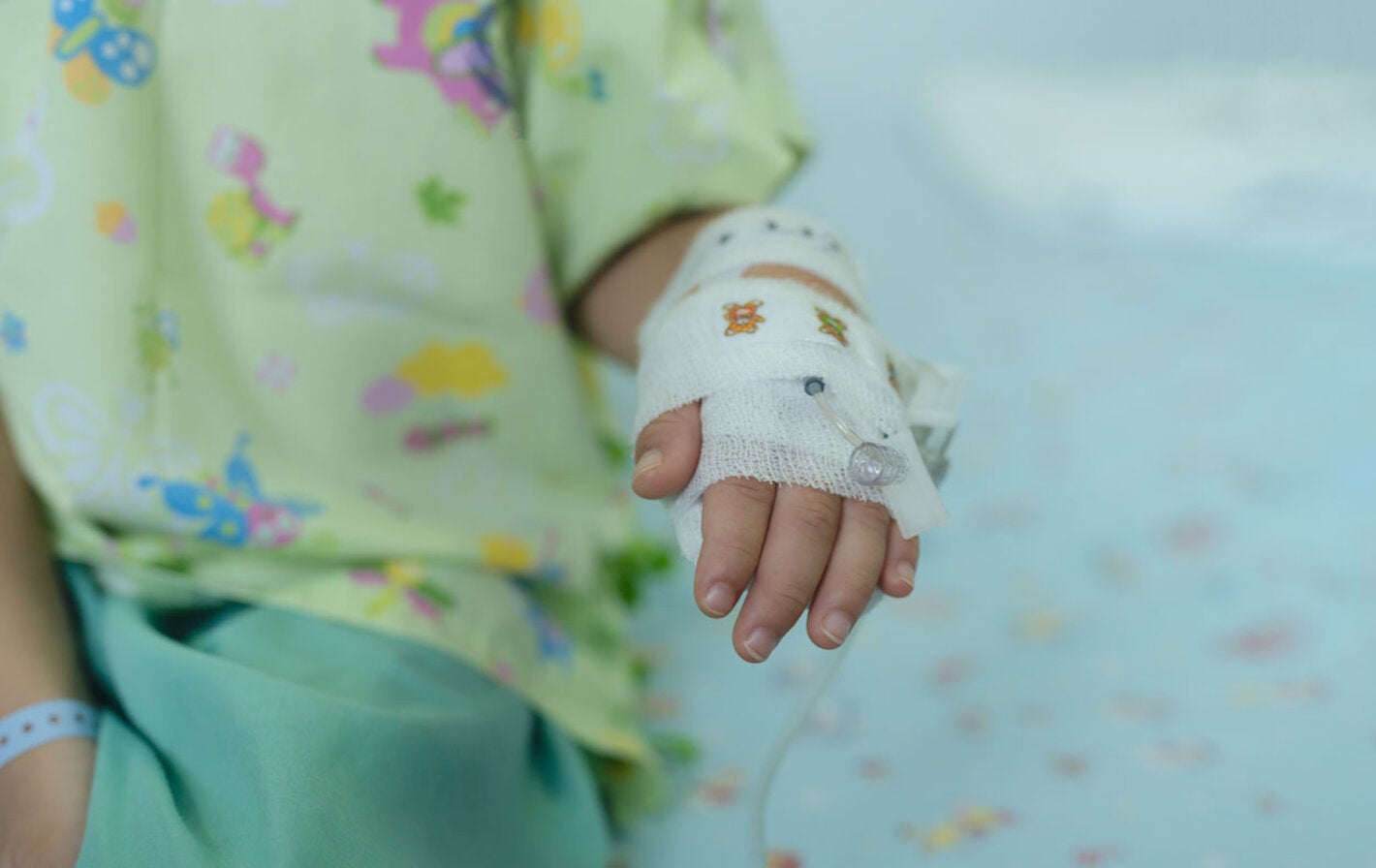
Hematopoietic transplantation (also known as bone marrow or stem cell transplantation) replaces damaged bone marrow with healthy stem cells infused intravenously. These cells regenerate a healthy blood and immune system and constitute a potentially curative treatment for leukemias, lymphomas, and other high-risk childhood cancers, although the procedure requires specialized teams to manage associated risks.
Strengthening equitable access to cancer treatment
Beyond its focus on hematopoietic transplantation, the framework agreement between PAHO and SJD Barcelona Children’s Hospital establishes a long-term collaboration platform to strengthen equitable access to pediatric cancer treatment and promote continuing education throughout Latin America and the Caribbean. This work spans the training of health professionals in pediatric oncology, the exchange of best practices among centers of excellence, technical support to regional care networks, the generation and dissemination of scientific knowledge, and the strengthening of South–South cooperation in pediatric oncology.
This partnership aims to coordinate efforts, share technical expertise, and strengthen health system capacities across the region, in line with the World Health Organization’s Global Initiative for Childhood Cancer—led in the Americas by PAHO under the name CureAll Americas—which seeks to increase survival rates to at least 60% by 2030 in resource-limited settings. SJD Barcelona Children’s Hospital contributes its experience in research, training, and specialized care.
In a context where access to advanced treatments such as hematopoietic transplantation remains unequal, this cooperation represents a concrete step toward reducing gaps and protecting the rights of children and adolescents with cancer. On the occasion of International Childhood Cancer Day, observed each year on February 15, PAHO reaffirms its commitment to accelerating collective action so that no child or adolescent is left behind in the fight against this disease.