PAHO has launched initiatives in Colombia, El Salvador, Guatemala, Haiti and Honduras with support from the Regional Humanitarian Fund for Latin America and the Caribbean.
Washington, D.C., June 25, 2026 (PAHO)—The Pan American Health Organization (PAHO) has launched projects to expand access to essential health services for populations affected by humanitarian crises in Latin America and the Caribbean, with funding from the Regional Humanitarian Fund for Latin America and the Caribbean (RHPF LAC).
With a total investment of nearly $25 million, the initiative will directly benefit more than 1.1 million people in five countries—Colombia, El Salvador, Guatemala, Haiti and Honduras—and indirectly reach close to 900,000 more.
“These projects will enable a timely and coordinated response to the most urgent health needs in complex humanitarian settings,” said Ciro Ugarte, PAHO Director of Health Emergencies. “By strengthening essential services and local response capacity, we aim to reduce the impact of prolonged crises on the most vulnerable populations,” he added.
The initiative seeks to expand access to health care and strengthen the capacity of local health systems to better protect populations from outbreaks, emergencies and extreme weather events, with particular focus on those in situations of greatest vulnerability.
The projects combine efforts to ensure primary health care, strengthen epidemiological surveillance, and expand maternal, child and mental health services, as well as psychosocial support. They also include interventions in water, sanitation and hygiene (WASH), vector control, and disease response in emergency settings.
Interventions in five countries
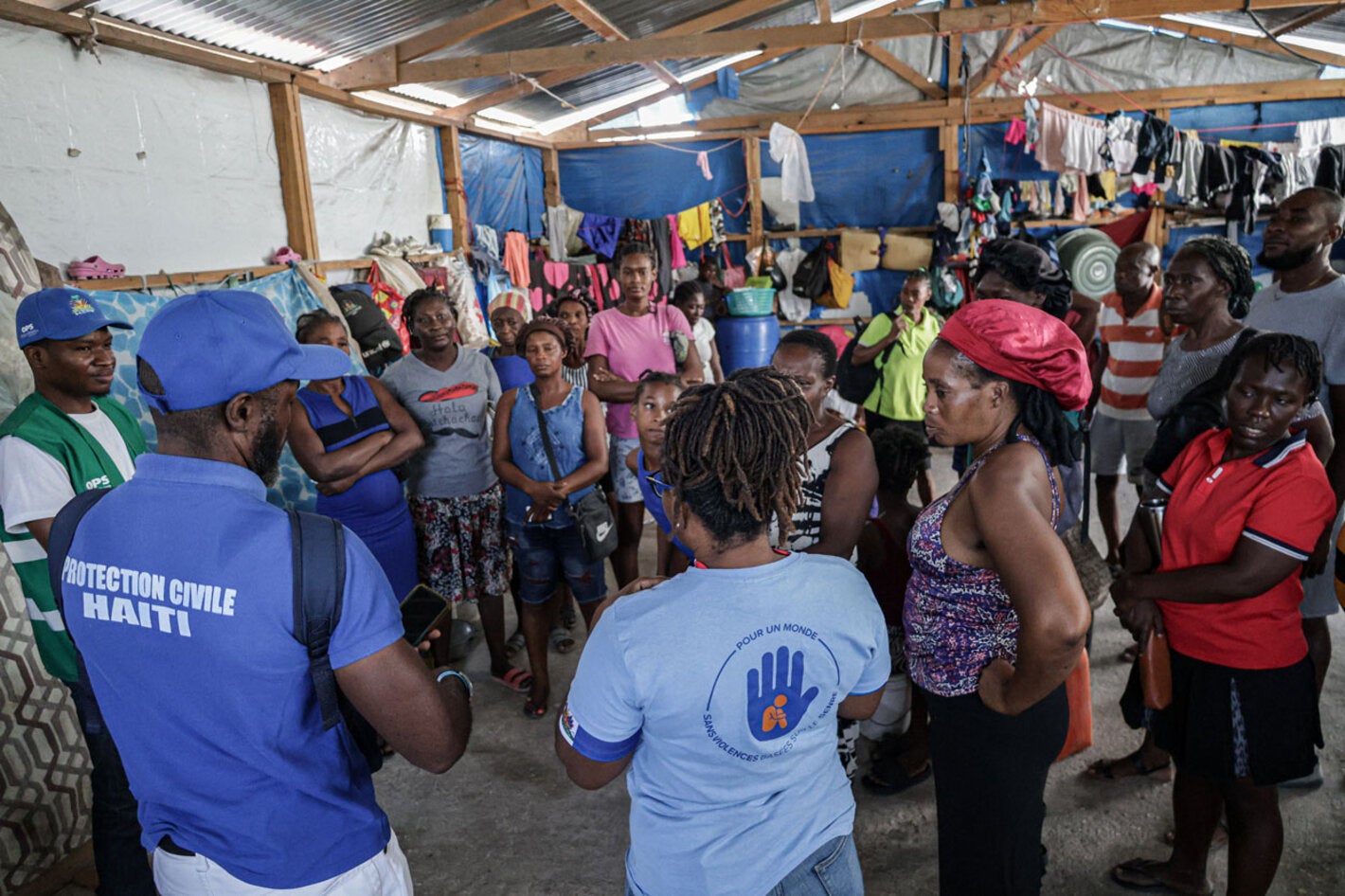
Haiti accounts for the largest share of the funding due to the persistence of a complex humanitarian crisis, marked by high levels of vulnerability, population displacement and health challenges such as cholera.
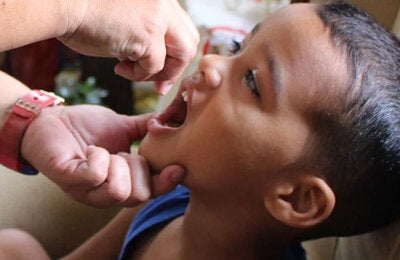
There, the Regional Humanitarian Fund’s contribution will help maintain service availability and ensure access to emergency and essential health care for more than 524,000 people in highly vulnerable situations. Interventions include support for cholera response, maternal and neonatal care, mental health services, and vaccination campaigns against measles and diphtheria.
In Colombia, the initiative will focus on expanding access to health services in communities affected by conflict, violence, disease outbreaks and adverse climate events. Actions include primary care, epidemiological surveillance, nutrition, mental health, and access to safe water, particularly in hard-to-reach areas.
In Honduras, Guatemala and El Salvador, where projects began implementation in early June 2026, interventions aim to restore and maintain essential health services affected by climate events, food insecurity, violence and disease outbreaks.
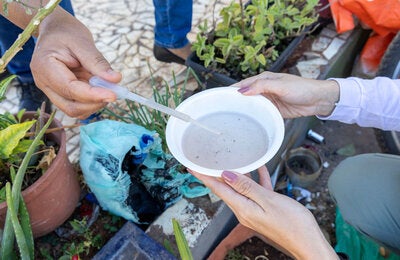
Response actions include mobile health brigades, vaccination campaigns, rehabilitation of health facilities, strengthening of water and sanitation systems, and disease prevention and control interventions for illnesses such as dengue.
In Guatemala, priority will be given to communities affected by drought, crop losses and epidemic risks, while in El Salvador efforts will focus on vector-borne diseases and climate-related emergencies.
Through these projects, PAHO supports countries in maintaining continuity of essential health services and ensuring operational capacity of health facilities, through the provision of essential supplies, strengthening of health infrastructure, and deployment of mobile and community-based teams.
The interventions also aim to strengthen health systems’ capacity to anticipate and respond to current and future emergencies, contributing to greater resilience to recurring crises in the region.
PAHO-implemented health projects are part of broader funding allocations from the Regional Humanitarian Fund for Latin America and the Caribbean, under multisectoral strategies for needs prioritization and coordinated, complementary response among multiple United Nations actors and other humanitarian partners active in these countries.
This funding enables a timely, comprehensive and needs-based response to some of the most urgent humanitarian crises in the region.