OPS/OMS
A PAHO-led technical mission, with participation from ASHA, assessed national capacities and gaps to inform a sustainable, people-centered intervention integrated into health services.
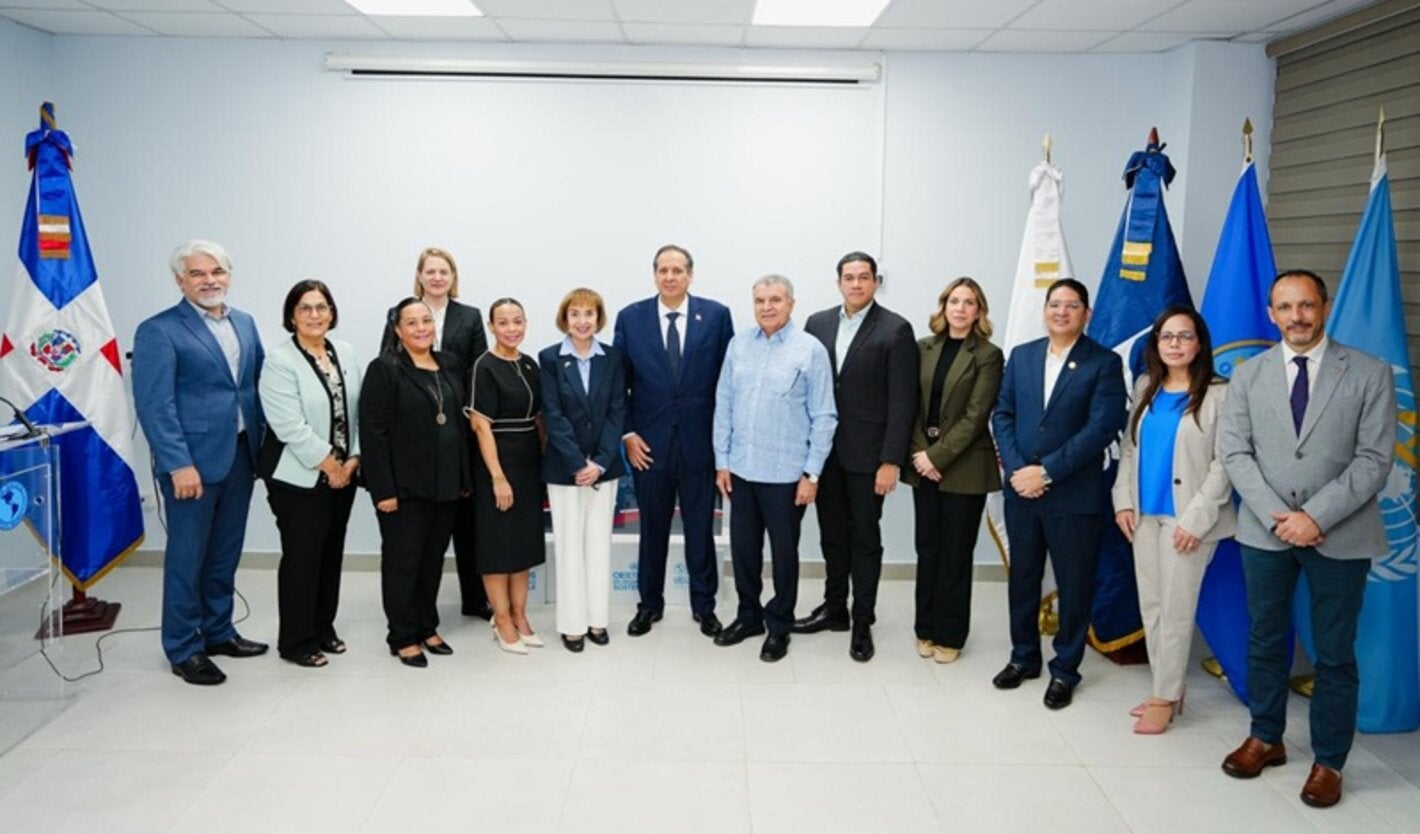
Santo Domingo, Dominican Republic, 27 July 2026 (PAHO) – The Pan American Health Organization (PAHO), the Ministry of Public Health (MISPAS), the National Health Service (SNS), the National Disability Council (CONADIS), and the American Speech-Language-Hearing Association (ASHA) conducted a technical assessment mission to strengthen the national response in speech-language and hearing services. The initiative marks the first step in a cooperation process aimed at improving early detection, comprehensive care, and rehabilitation for people with communication disorders.
The mission responded to a request for technical cooperation from MISPAS, following the identification of gaps in the availability, organization, and coverage of services, as well as in the training and distribution of specialized personnel. Over three days, national and international teams analyzed the country’s situation, visited service sites, and gathered input from public institutions, academia, professional associations, and civil society organizations.
“The outcome of this mission will be a consensus-based roadmap that will guide future technical cooperation to strengthen speech-language and hearing services for the benefit of the entire population,” said Dr. Bernardino Vitoy, PAHO/WHO Representative in the Dominican Republic.
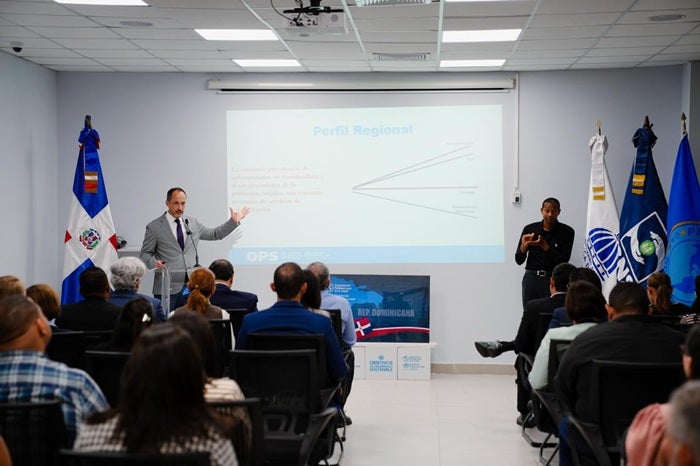
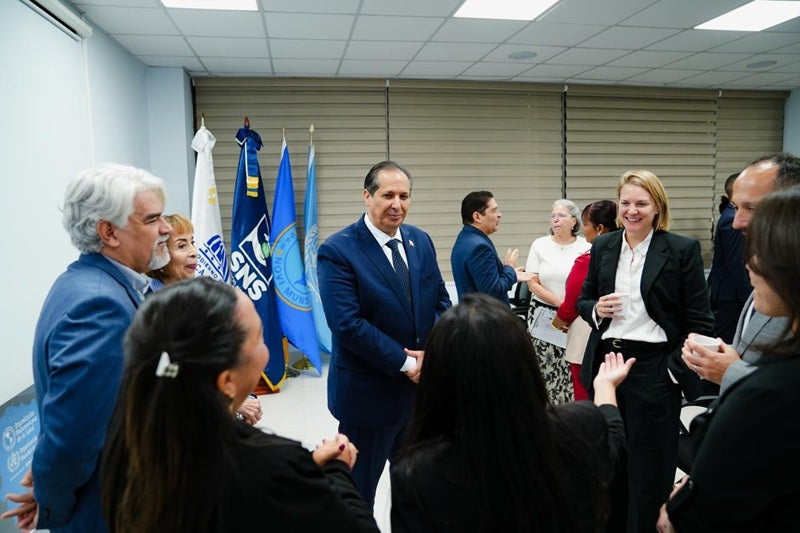
The mission began with a diagnostic assessment workshop at the PAHO/WHO office, attended by the Minister of Public Health, Dr. Víctor Elías Atallah Lajam; the Vice Minister of Collective Health, Dr. Eladio Pérez; the SNS Director for Maternal and Child Health, Dr. Martín Ortiz; government authorities, technical teams, and representatives of academic and health institutions. PAHO presented the regional rehabilitation situation and the Rehabilitation 2030 framework, while ASHA shared lessons learned from regional cooperation efforts in speech-language pathology, audiology, and communication disorders.
Technical sessions reviewed available human resources, service delivery models, early hearing loss detection programs, hearing, speech, and language therapies, and coordination across the health, education, and social protection sectors. The analysis incorporated experiences from MISPAS, SNS, the National Institute for Student Welfare (INABIE), the Comprehensive Care Center for Disability (CAID), service providers, and organizations working with persons with disabilities and communication disorders.
Dialogue with Academia, Service Providers, and Professional Associations
A central component of the mission was engagement with universities, professional associations, and civil society organizations to understand better existing academic programs, training needs, and opportunities to strengthen standards, competencies, and continuing education. This dialogue helped connect service needs with the country’s capacity to train and support professionals providing language, speech, voice, and hearing services.
The mission also conducted site visits to Dr. Hugo Mendoza Pediatric Hospital, Dr. Robert Reid Cabral Children’s Hospital, and the CAID facility in Santo Domingo Oeste. These visits provided an opportunity to observe service organization, referral pathways, coordination among multidisciplinary teams, and key operational challenges from the perspective of service providers.
PAHO-ASHA Cooperation in Support of National Priorities
The intervention is part of the collaboration established in 2013 between PAHO and ASHA, a non-State actor in official relations with the Organization. This partnership has supported countries across Latin America and the Caribbean through needs assessments, academic program development, training-of-trainers, and the strengthening of services for people with speech, language, swallowing, and hearing disorders.
The mission was technically led by PAHO, through Dr. Gustavo Pérez Reina, Regional Advisor for Disability and Rehabilitation, and Luzmila Argueta, Advisor on Noncommunicable Diseases and Mental Health at the PAHO/WHO Country Office in the Dominican Republic. ASHA was represented by Lily Waterston, International Relations Representative, and Miguelina Zapata, speech-language pathologist and professor at Howard University.
Toward Comprehensive, Timely, and Sustainable Services
Across the Region of the Americas, more than 220 million people could benefit from rehabilitation services. In response to population aging, the growing burden of noncommunicable diseases, and developmental needs in childhood, PAHO promotes recognition of rehabilitation as an essential health service and a core component of universal health coverage.
Within this framework, the roadmap will seek to strengthen governance and planning; expand and improve the distribution of human resources; consolidate early detection and referral pathways; integrate rehabilitation across all levels of care, particularly primary health care; improve information systems for decision-making; and sustain coordination among the health, education, academic, social protection, and civil society sectors.
The mission concluded with a joint analysis of strengths, opportunities, weaknesses, and threats, the identification of potential strategies, and the initial design of a roadmap for the Dominican Republic. The information gathered will guide the next steps and the development of an intervention plan aligned with national priorities.
“It is essential for rehabilitation to be available at all levels of care, especially at the primary care level. Integrating rehabilitation into primary health care improves access, optimizes specialized services, and ensures that people can fully participate in their communities,” Dr. Vitoy emphasized.
PAHO/WHO reaffirmed its commitment to supporting the country so that this process results in strengthened national capacities, more accessible services, and continuous, quality, people-centered care for individuals and their families.