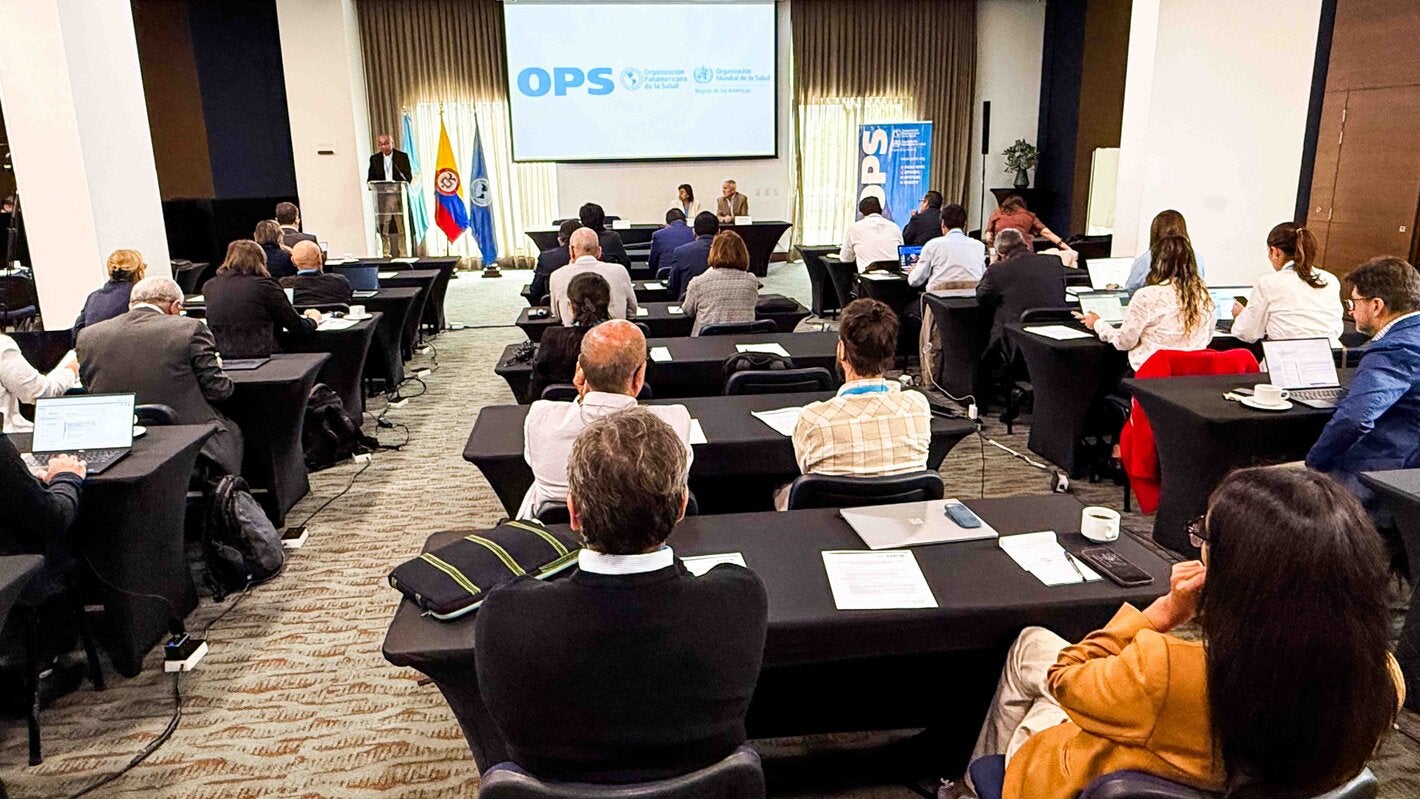
PAHO convened a four-day regional meeting to update technical guidance on yellow fever epidemiological surveillance in the Americas, with the participation of specialists from more than 10 countries.
Bogotá, May 25, 2026. The Pan American Health Organization (PAHO) convened yellow fever experts from the Americas region in Bogotá, Colombia, with the goal of reaching consensus and updating operational definitions for yellow fever surveillance to be included in the regional guidance on epidemiological surveillance of the disease.
According to Pedro Fernando da Costa Vasconcelos, emeritus researcher at the Evandro Chagas Institute, Brazil, "yellow fever remains a serious public health problem. It should not be. We have a highly effective and accessible vaccine, while the care of severe cases places a heavy burden on health systems."
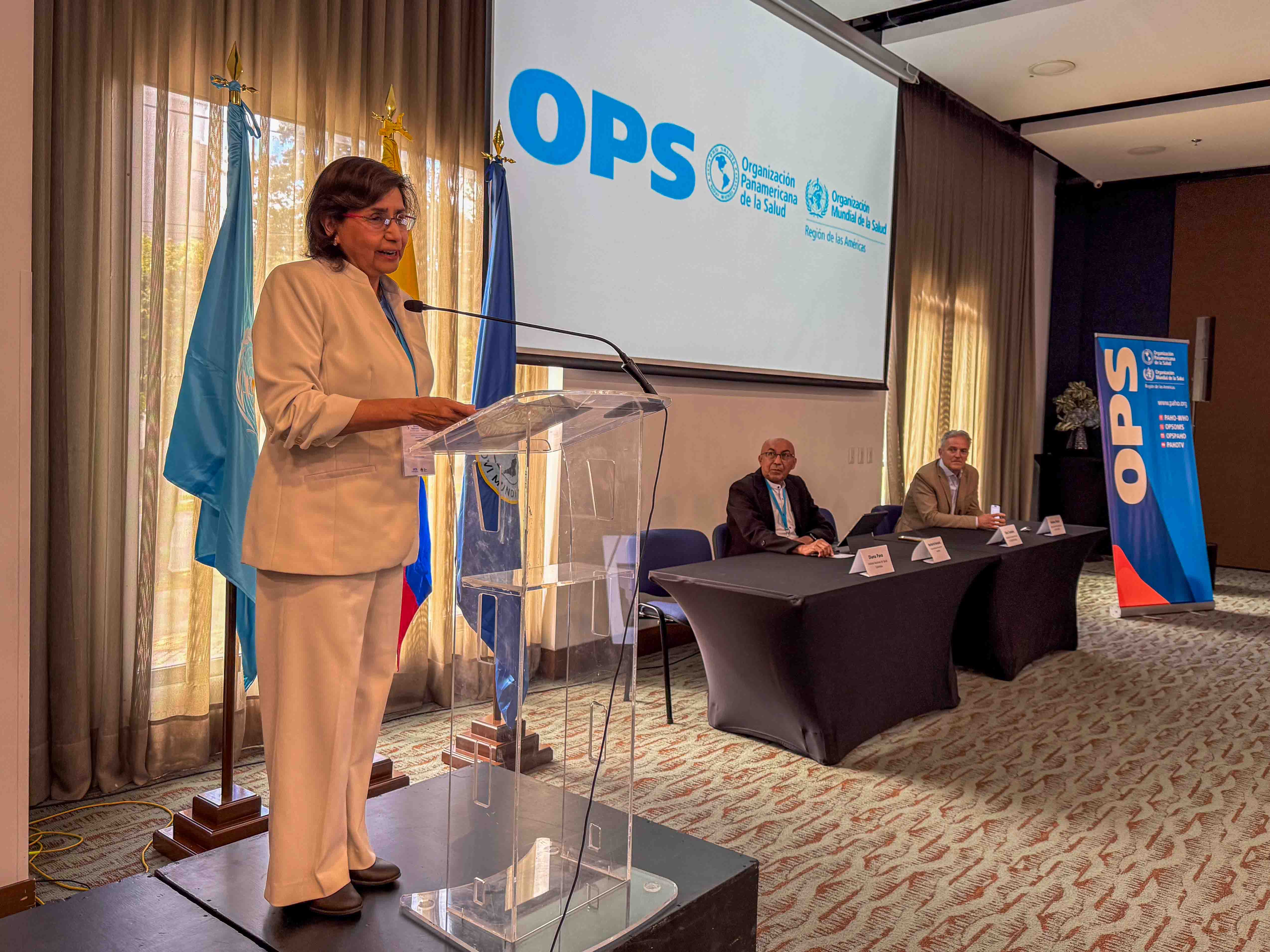
This paradox underscores the urgency of the meeting. In this context, specialists in epidemiology, entomology, clinical management, immunization, epizootic surveillance, and risk communication advanced the consensus on definitions of suspected and probable cases and outbreak definition, as the final stage of a regional Delphi process that began in March 2026.
An operational tool for regional action
The second achievement was the validation of the matrix of recommended actions for yellow fever, developed by PAHO as a practical reference tool for national and subnational health teams. The matrix organizes public health interventions according to the transmission cycle (sylvatic or urban) and the risk management phase (preparedness or response), structured around seven pillars: coordination, epidemiological and laboratory surveillance, epizootic surveillance, vector control, clinical management, immunization, and risk communication and community engagement.
A central element of the work was the differentiation of actions according to the epidemiological situation of each country. In some Central American nations, for example, no human yellow fever cases have been recorded for decades; however, the presence of competent vectors and favorable environmental conditions implies a potential risk of virus reintroduction.
"The goal is to provide countries with a practical instrument, adaptable to their specific reality. It is not only about consolidating the most up-to-date technical knowledge, but about facilitating its operational application to strengthen preparedness and response to possible events," explained Dr. Andrea Vicari, Head of PAHO's Threat Management Unit.
The value of regional exchange
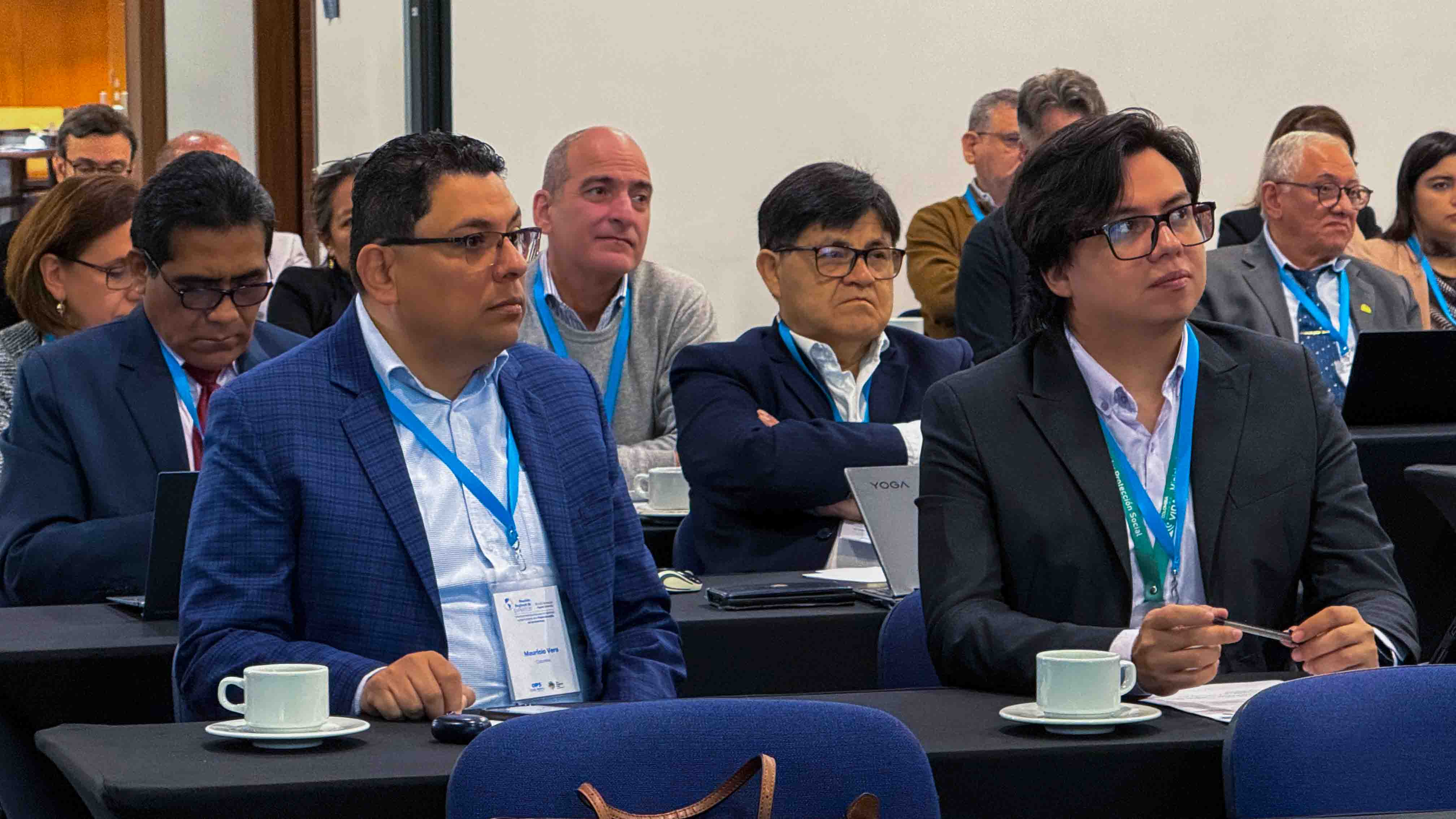
The meeting combined plenary sessions, technical debates, and working group discussions. Prior to the in-person meeting, a Delphi process conducted through two virtual rounds identified technical areas of consensus and disagreement, which were then addressed during the face-to-face gathering.
Additionally, different methodologies and regional experiences in developing risk assessment models were presented, incorporating epidemiological, entomological, and mobility parameters to support timely decision-making.
"Yellow fever requires a comprehensive approach under the One Health principle, considering the interaction between the environment, animals, and people. The exchange of experiences among countries strengthens our regional capacity to anticipate and respond to outbreaks," highlighted Dr. Mauricio Javier Vera Soto, Coordinator of the Integrated Management Group for Endemic-Epidemic Diseases at Colombia's Ministry of Health and Social Protection.
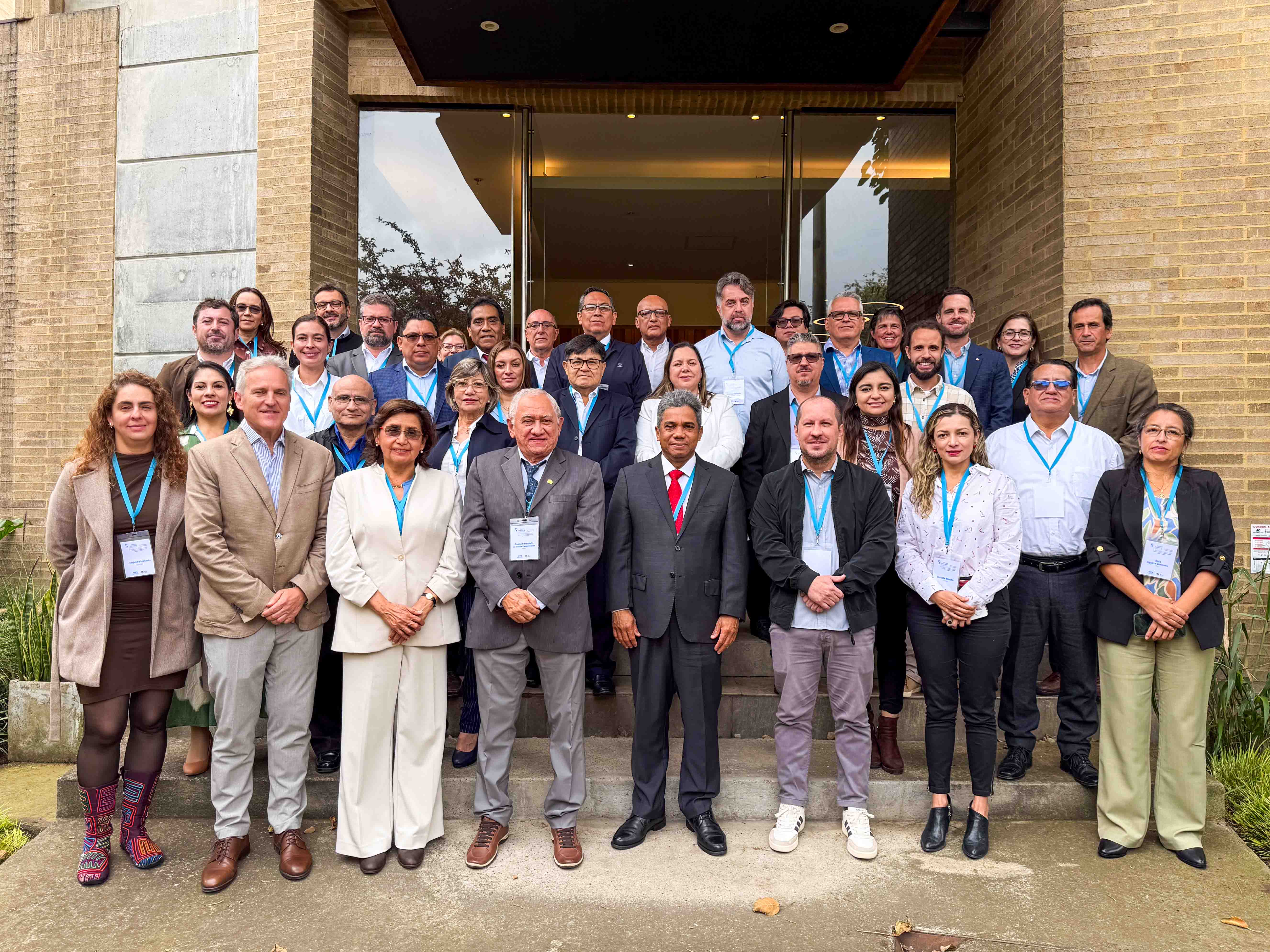
Participants highlighted the high technical level of the meeting and the collective critical review of documents, enriched by disciplinary diversity and direct experience in outbreak management.
"It was a particularly valuable experience due to the openness to technical debate and the real-time review of documents. Yellow fever is a complex issue involving vectors, animal reservoirs, human populations, and hard-to-reach ecosystems, and this space allowed us to address that complexity rigorously," noted Dr. Cristian Bizcayart, infectious disease physician at the Ministry of Health of the City of Buenos Aires, Argentina.
Next steps
Building on the consensus reached, PAHO will move forward with the publication of updated technical guidance for yellow fever epidemiological surveillance in the Americas, incorporating the validated operational matrix as a reference tool for health teams.
"The meeting makes clear that we still have a great deal of work ahead. There are knowledge gaps and pending efforts to reduce the morbidity and mortality that yellow fever continues to cause each year in the region. With stronger public health efforts, we can improve outcomes. In that sense, having regional guidelines is key: for countries that already have them, it is an opportunity to review whether anything is missing that could be added; for those that do not, it offers a roadmap they can adapt and turn into their own tools according to their context," said Dr. Erin Staples, medical epidemiologist at the U.S. Centers for Disease Control and Prevention (CDC).
The meeting reaffirmed PAHO's commitment to eliminating the urban transmission cycle of yellow fever in the region and to the sustained strengthening of preparedness and response capacities across the Americas.