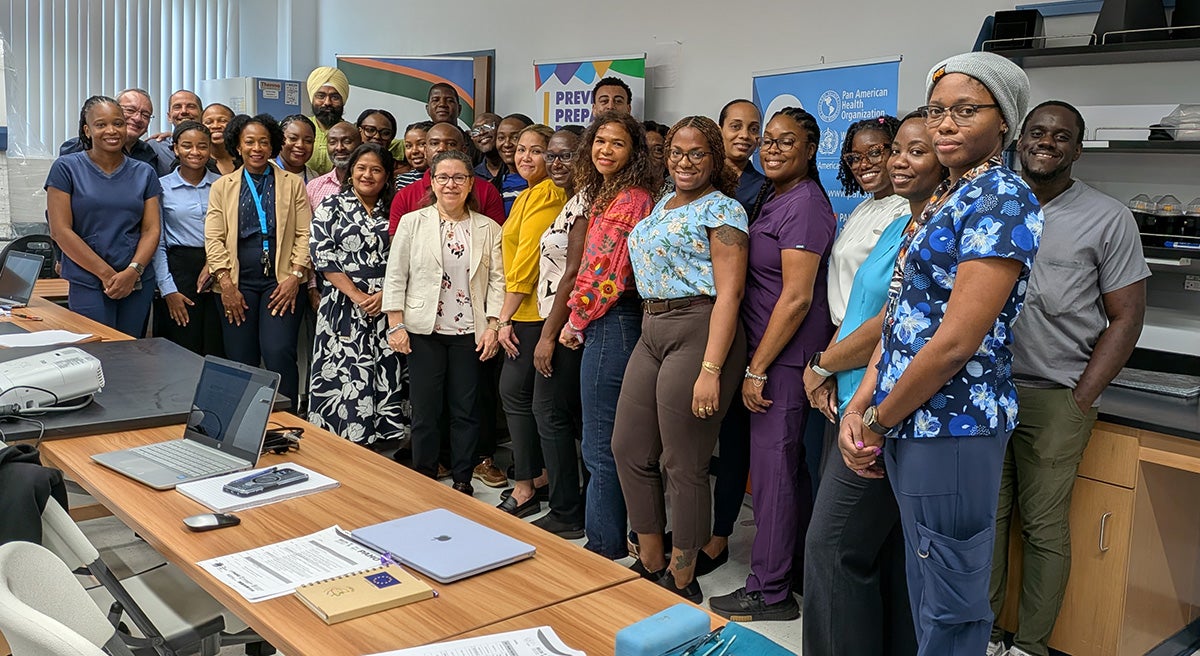
Bridgetown, Barbados, 31 July 2026 (PAHO/WHO) – Laboratory professionals from across the Eastern Caribbean have enhanced their capacity to rapidly detect and respond to infectious diseases with epidemic and pandemic potential following a regional workshop on molecular diagnostics hosted by the Pan American Health Organization/World Health Organization (PAHO/WHO), in collaboration with the Caribbean Public Health Agency (CARPHA) and the Best-dos Santos Public Health Laboratory, a PAHO/WHO Collaborating Centre on Antimicrobial Resistance Surveillance.
The four-day workshop, held from 7–10 July 2026, in Barbados, brought together laboratory specialists from Antigua and Barbuda, Dominica, Grenada, Martinique, Saint Kitts and Nevis, Saint Lucia, Saint Vincent and the Grenadines, and veterinary specialists from Barbados and Saint Vincent and the Grenadines.
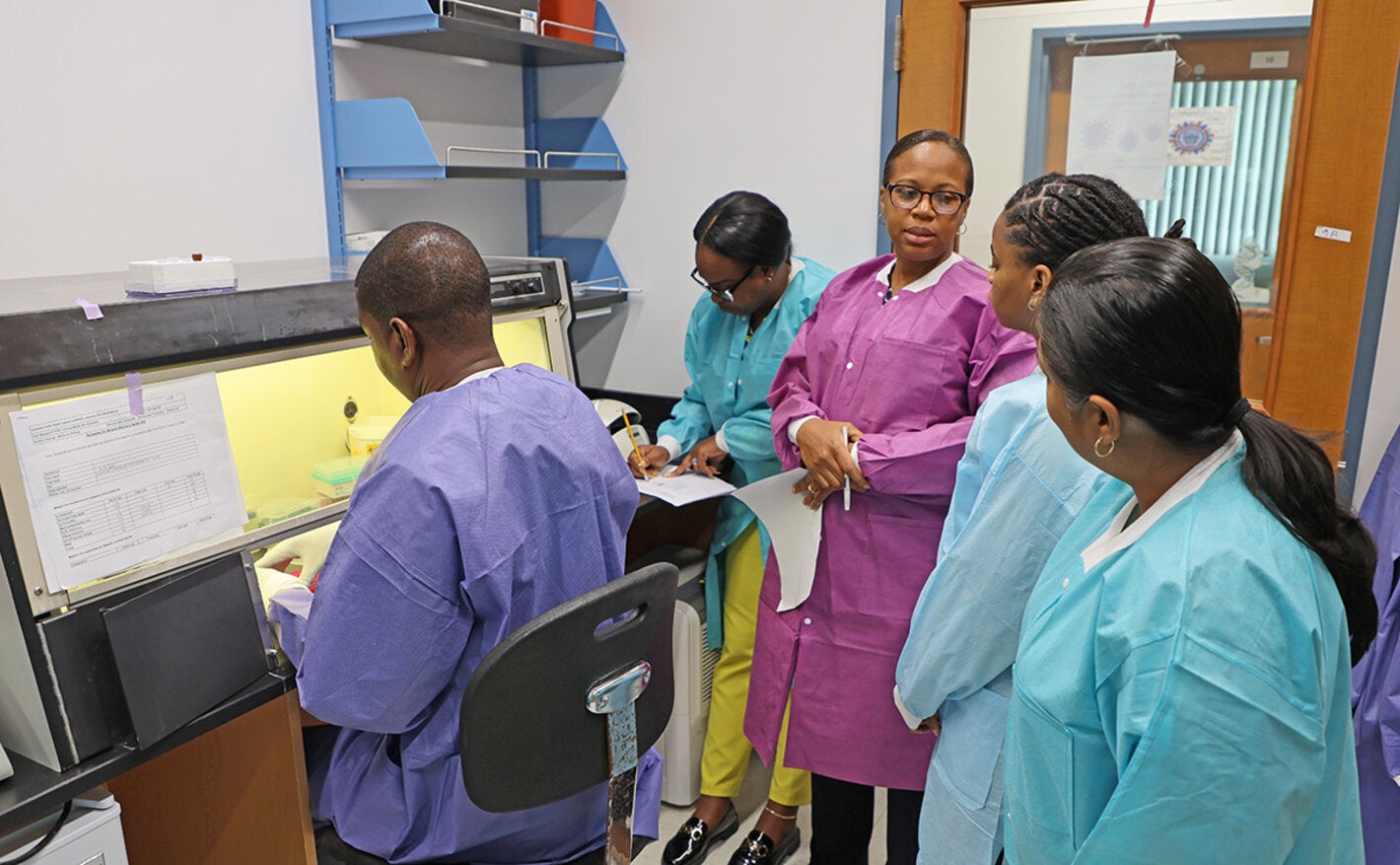
The workshop forms part of ongoing regional efforts to strengthen laboratory systems and pandemic preparedness in the Caribbean. Participants received intensive hands-on training in molecular diagnostics for measles virus, leptospirosis and hantavirus using standardized protocols, while also strengthening competencies in quality assurance, and laboratory troubleshooting. The training adopted a One Health approach, promoting collaboration between human and animal health sectors to improve the detection and surveillance of diseases that threaten the Region.
The Caribbean remains vulnerable to emerging and re-emerging infectious diseases due to increasing international travel, climate variability and changing ecological conditions. Expanding national molecular diagnostic capacity is critical for the rapid confirmation of priority pathogens, enabling countries to respond quickly to outbreaks, strengthen surveillance systems and maintain regional health security. In particular, enhanced molecular capacity for measles virus supports the timely confirmation of imported cases, rapid public health action and continued protection of the Region's measles elimination status.
"The COVID-19 Pandemic has shown us the importance of labs for health" said Dr. Prabhjot Singh, Interim PAHO/WHO Representative for Barbados and the Eastern Caribbean Countries. "By investing in advanced testing capacity and working together as a region, we will detect disease threats sooner, respond faster and ultimately save lives."
Throughout the workshop, participants conducted practical laboratory exercises while the interactive discussions allowed for the exchange of experiences, identify implementation challenges and develop country-specific strategies for sustaining molecular diagnostic services. Following the training, each participating country received starter packages of reagents, together with ongoing technical support from PAHO/WHO and CARPHA to facilitate implementation at the national level.
The workshop continued to strengthen regional laboratory networks and reinforced collaboration among PAHO/WHO, CARPHA, the Best-dos Santos Public Health Laboratory and participating countries.
The training was supported through the Pandemic Fund Project for Eastern Caribbean Countries, which is helping countries strengthen laboratory systems, disease surveillance and workforce capacity as part of broader efforts to improve pandemic prevention, preparedness and response. The initiative also contributes to implementation of the PAHO Strategic Plan 2026–2031 and the International Health Regulations (2005) by building sustainable laboratory capacity and enhancing regional cooperation.