San Salvador, El Salvador, October 30, 2025 (PAHO) – With technical support from the Pan American Health Organization (PAHO), 14 countries in the Region officially launched the Americas’ Mortality Monitoring Network (AMoMo), a new cooperation initiative that seeks to strengthen regional capacity to detect, analyze, and respond to excess mortality in the face of respiratory virus epidemics.
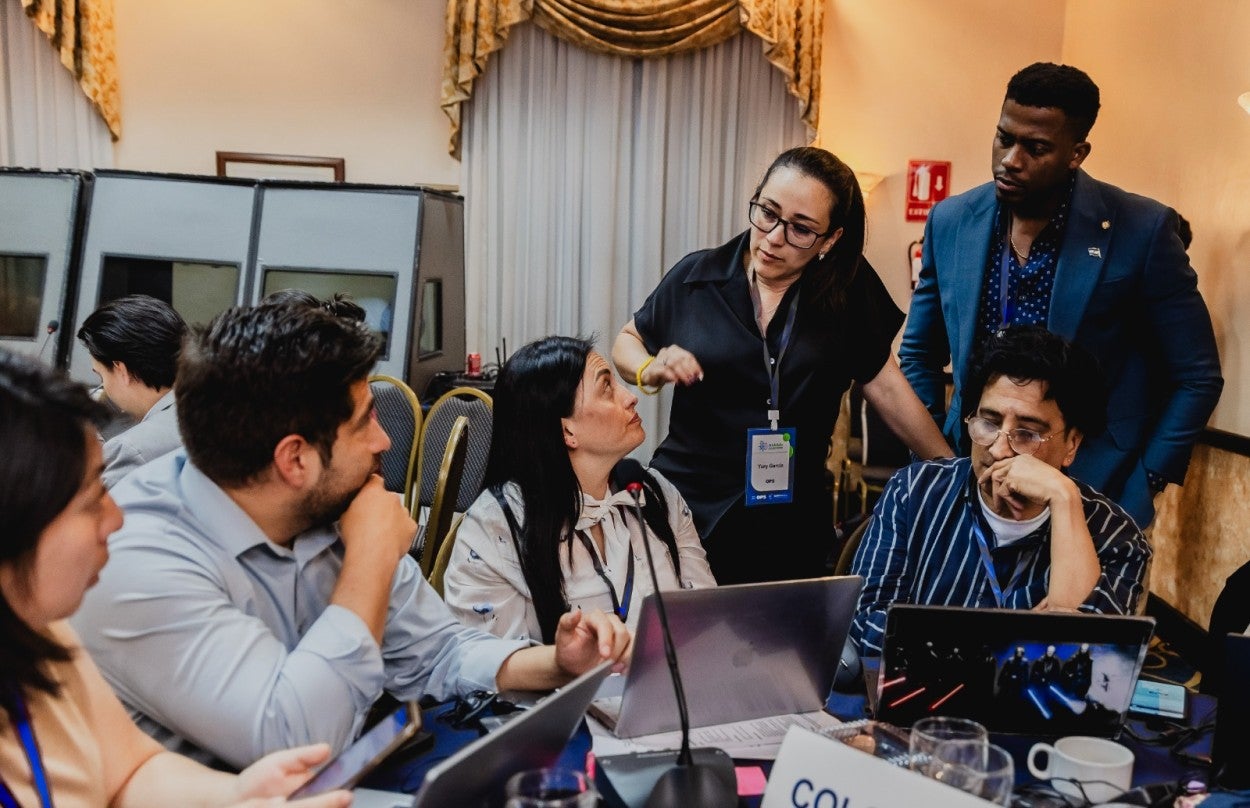
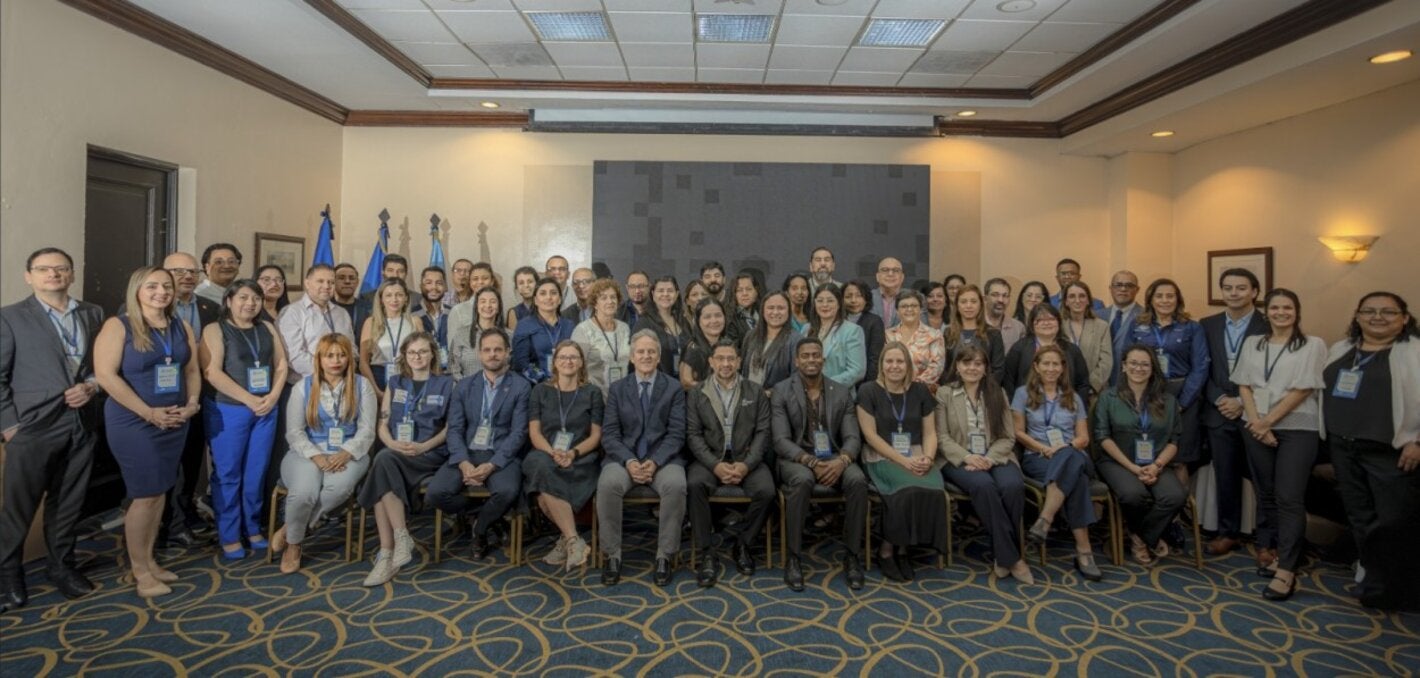
The launch took place during a regional workshop held October 28-30 in San Salvador. The meeting brought together representatives from ministries of health and equivalent institutions responsible for epidemiological surveillance of influenza, COVID-19, and other respiratory viruses; professionals specializing in mortality statistics from vital statistics or public health departments; communication specialists; and PAHO focal points from Guatemala, El Salvador, Costa Rica, Panama, Cuba, the Dominican Republic, Colombia, Peru, Ecuador, Chile, Brazil, Argentina, Paraguay, and Uruguay, along with international experts from the EuroMOMO project, the World Health Organization (WHO), and PAHO.
"This workshop provides a space for technical exchange, joint learning, and national capacity building that will ultimately contribute to saving lives," said Dr. Gladzdin Jean Denis, PAHO/WHO Emergency Advisor in El Salvador. "Monitoring all-cause mortality has become an essential tool for complementing existing systems, such as SARInet plus, and more accurately estimating the effects of health crises."
During the meeting, national teams were trained in the use of the AMoMo statistical model, developed by PAHO based on the European experience of EuroMOMO, which allows for the calculation of excess mortality by adjusting for seasonality, trends, and delays in registration. The methodology seeks to generate comparable and timely indicators to guide public health actions and evidence-based decision-making.
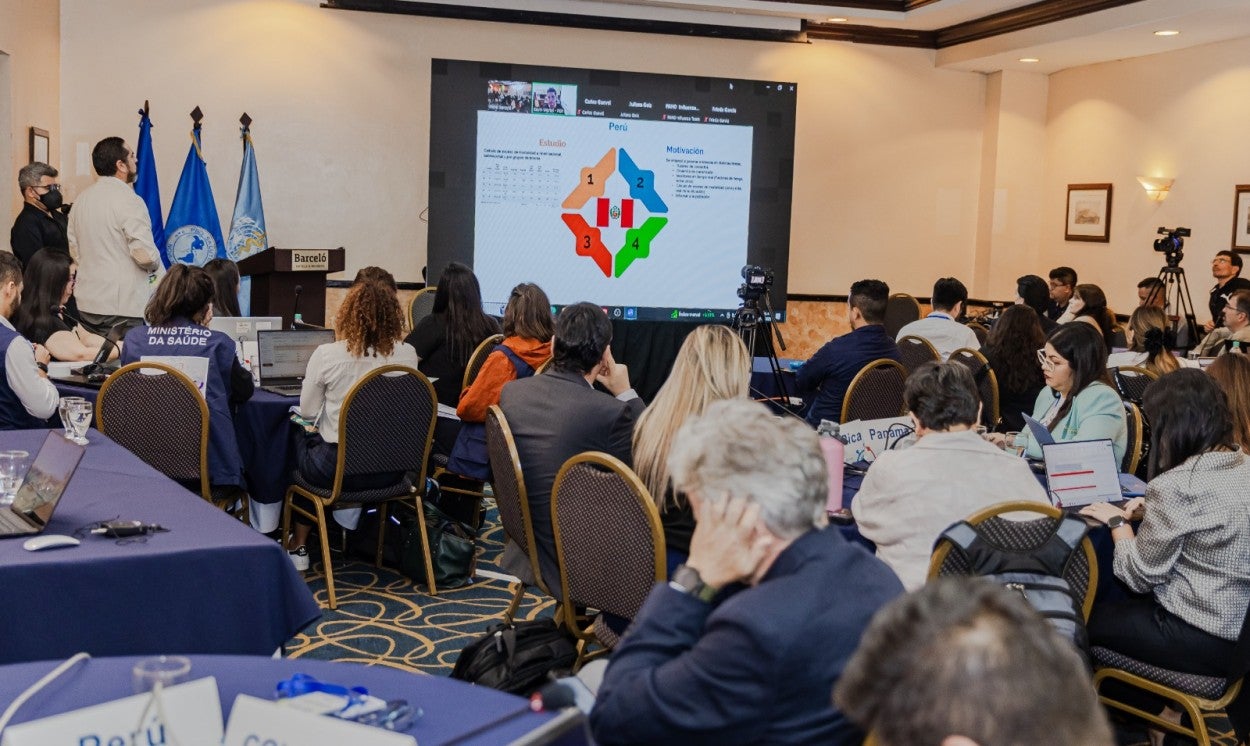
In his remarks, Dr. Andrea Vicari, head of the Infectious Hazards Management Unit of PAHO's Department of Health Emergencies, noted that the establishment of the AMoMo network "marks a new milestone in strengthening surveillance systems in the Region. This tool will make it possible to harmonize methodologies, generate comparable and timely information, and move toward a more robust and resilient regional system."
Participants conducted practical exercises with data from their countries, designed national mortality surveillance reports, and exchanged experiences on risk communication, aimed at improving the translation of technical findings into clear messages for authorities and the population.
The Ministry of Health of El Salvador hosted the event. Its director of epidemiology, Dr. Eddy Chacón, emphasized that "timely and reliable mortality registration is an essential pillar of public health. This workshop reinforces technical cooperation among our countries under the principle of solidarity that characterizes the Americas."
The launch of AMoMo, within the framework of respiratory virus surveillance and the SARInet plus network, consolidates a new space for regional technical collaboration. The network now aims to expand its reach, strengthen data exchange, and continue building national capacities so that mortality information can effectively contribute to protecting health and saving lives in the Americas.
This initiative is supported by the Pandemic Influenza Preparedness (PIP) Framework, a global initiative coordinated by the World Health Organization (WHO), which contributes to strengthening national and regional capacities for surveillance and response to influenza and other respiratory virus hazards, promoting sustainable preparedness for future health emergencies.