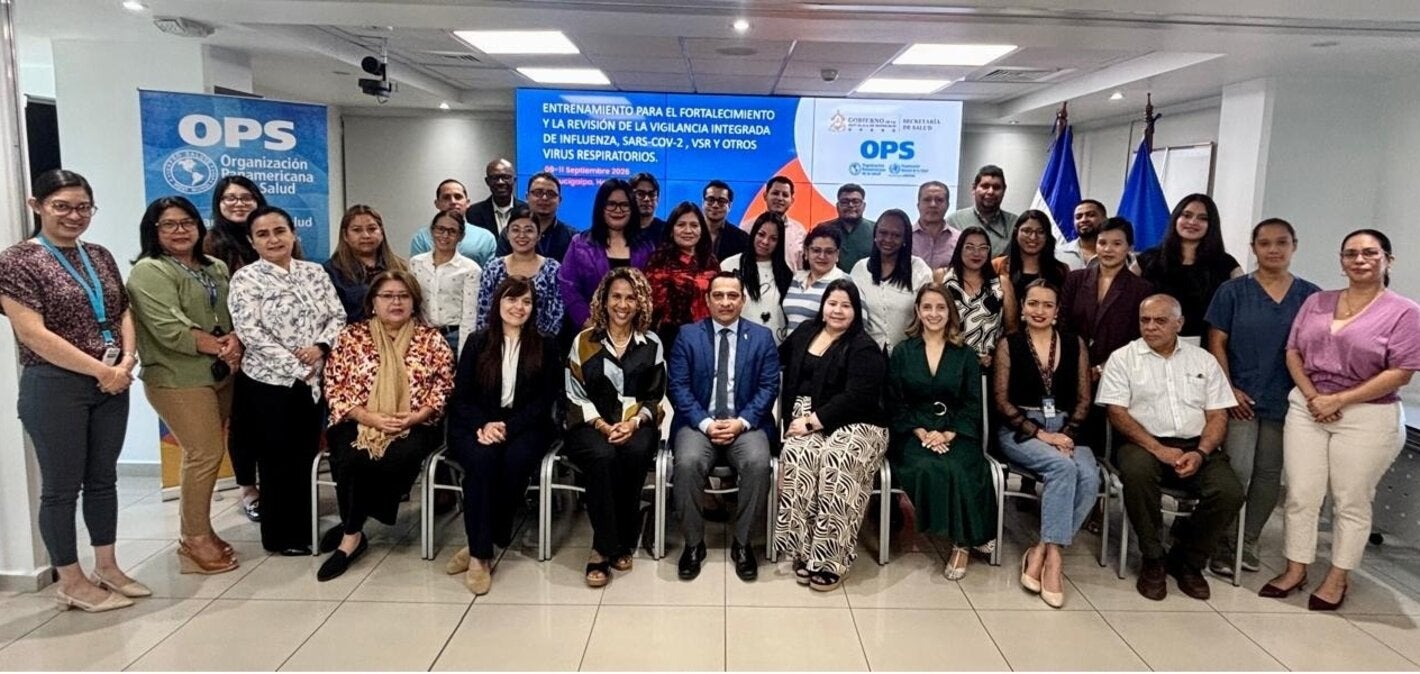
Tegucigalpa, Honduras, September 9, 2026 (PAHO/WHO). The Honduran Ministry of Health, with technical support from the Pan American Health Organization/World Health Organization (PAHO/WHO), launched a training session on Wednesday to strengthen and review integrated surveillance of influenza, SARS-CoV-2, respiratory syncytial virus (RSV), and other respiratory viruses. The session is taking place from September 9 to 11 in Tegucigalpa.
The event brings together the national team responsible for epidemiological surveillance, laboratories, information systems, and health services, with the aim of comprehensively reviewing the functioning of respiratory virus surveillance in the country, identifying strengths and gaps, and agreeing on priority actions to continue strengthening its capacity for detection, analysis, and response.
The training is taking place against the backdrop of a transition toward increasingly integrated and sustainable respiratory surveillance systems. Current PAHO/WHO guidelines promote the joint use of surveillance platforms for influenza, SARS-CoV-2, RSV, and other respiratory viruses, strengthening coordination among epidemiology, laboratory, genomic surveillance, and information systems.
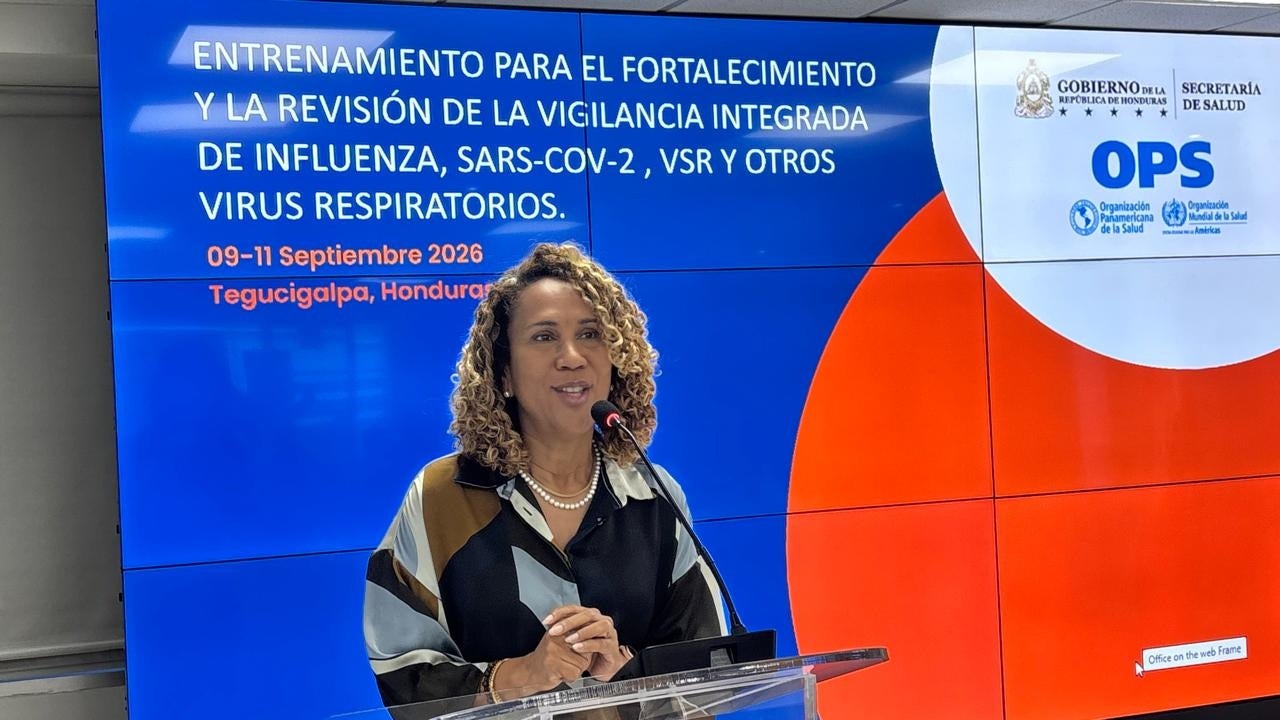
On the first day, participants will review the regional framework for integrated surveillance, the global, regional, and national epidemiological situation regarding respiratory viruses, the organization of sentinel surveillance for influenza-like illness (ILI) and severe acute respiratory infection (SARI), as well as non-sentinel surveillance and surveillance of unusual respiratory events.
The session will also analyze the flow of information from sentinel sites to national and regional platforms, including data quality and timeliness, as well as weekly reporting through tools such as PAHOFlu, FluNet, and FluID. The session will also feature an exchange of experiences among sentinel sites to identify progress, challenges, and priorities for strengthening these efforts.
Laboratory, epidemiology, and genomic surveillance
The second day will be dedicated to delving deeper into the laboratory and epidemiology components through parallel sessions.
The laboratory team will review diagnostic algorithms for influenza, SARS-CoV-2, and other respiratory viruses; sample handling and workflow; acceptance and rejection criteria; the cold chain; and the results of external quality assessment programs.
It will also address genomic surveillance of influenza, SARS-CoV-2, and RSV, including criteria for sample selection, sequencing, bioinformatics analysis, and the deposit of information in public databases. Another component will be the shipment of influenza viruses to WHO Collaborating Centers of the Global Influenza Surveillance and Response System (GISRS) and their contribution to monitoring viral evolution and selecting candidate viruses for influenza vaccines.
At the same time, teams specializing in epidemiology, information systems, and health services will review the case definitions for ARI and severe acute respiratory infections (SARI), the performance indicators for sentinel surveillance, the quality and reconciliation of epidemiological and laboratory databases, and the tools for interpreting the severity, seasonality, and disease burden of respiratory viruses.
Zoonotic Influenza and the One Health Approach
The workshop places special emphasis on the zoonotic influenza component, given the detection of avian influenza A(H5N1) in Honduras in 2026 and the ongoing national public health emergency.
In accordance with the technical agenda, the workshop will review capabilities for detecting, investigating, and responding to potential zoonotic transmission events, including epidemiological surveillance in humans, laboratory diagnosis, the identification and follow-up of individuals exposed to infected animals, and coordination mechanisms among the human health, animal health, and environmental sectors.
The sessions will also provide an opportunity to analyze the national response to avian influenza events recorded in wildlife in Lempira and in commercial poultry farms in Santa Bárbara, as well as the enhanced surveillance measures implemented for exposed individuals.
This component aligns with the One Health approach, which recognizes the close relationship between human, animal, and environmental health and the need to strengthen early warning mechanisms and coordinated responses to emerging threats.
From technical review to a national roadmap
In addition to the technical sessions, the training includes collaborative exercises to identify the strengths, opportunities, weaknesses, and threats related to the surveillance of respiratory viruses at sentinel sites.
At the conclusion of the three-day session, the national team, the Ministry of Health, and PAHO/WHO will prioritize capacity-building actions by component and define responsible parties, timelines, and monitoring indicators.
The main expected outcome will be a validated national roadmap to guide future actions aimed at strengthening integrated surveillance of respiratory viruses in Honduras, improving coordination between epidemiology and laboratory services, and maintaining preparedness and response capabilities against seasonal influenza, emerging respiratory viruses, and zoonotic influenza.
PAHO/WHO continues to provide technical cooperation to the country to strengthen integrated, sustainable, and high-quality surveillance of respiratory viruses, promoting coordination among epidemiology, laboratory, and genomic surveillance, as well as intersectoral coordination under the One Health approach. This joint effort will strengthen early detection, timely risk assessment, and evidence-based decision-making to protect the health of the population.