Pre-approved protocols

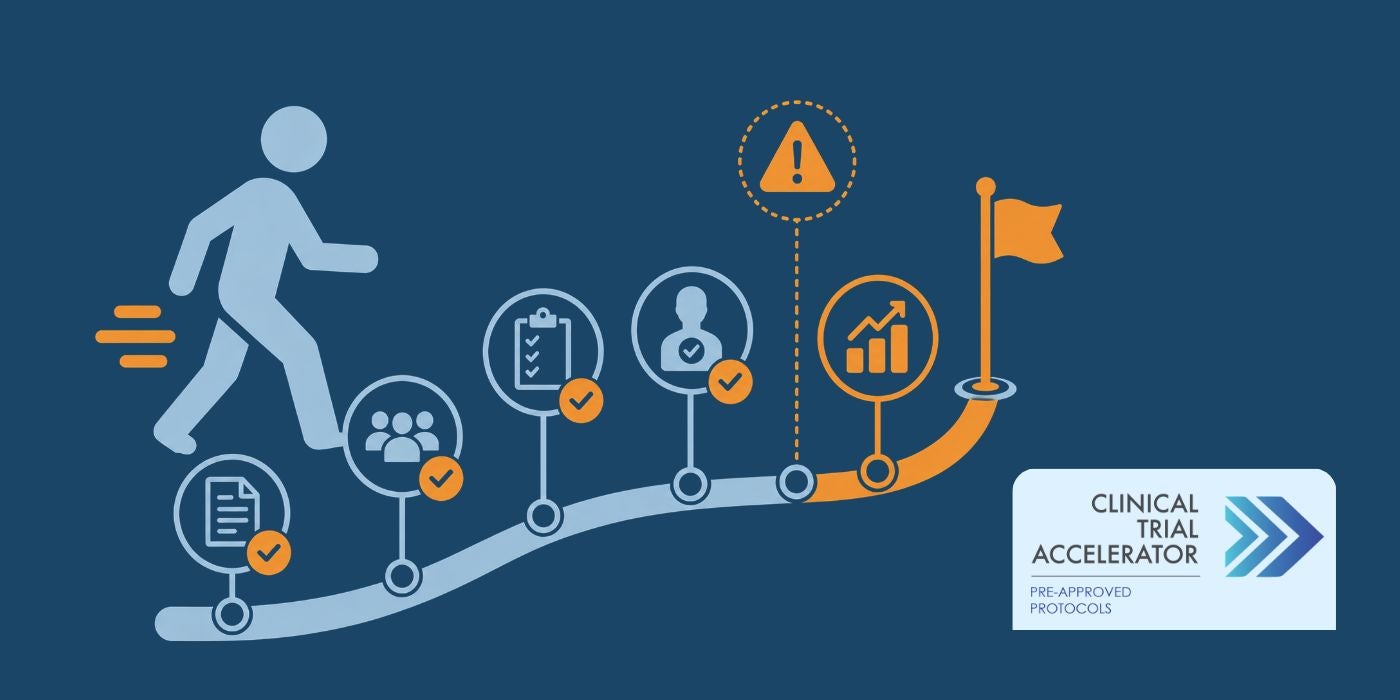
This project aims to streamline research review processes in order to accelerate the initiation of studies during health emergencies. All research involving human participants requires prior ethics review, and clinical trials of new products also require regulatory authorization. If these processes are expedited, research can begin earlier, and safe and effective vaccines, treatments, and interventions can become available sooner in emergencies.

In general terms, these are research protocols that still lack certain content and that obtain preliminarily ethics approval and, when applicable, regulatory authorization. However, these preliminary approvals—which we call “pre-approvals”—are not sufficient to initiate the studies. Despite the progress made in the development of these research protocols and their approval process, the missing details in the protocol must still be completed and definitive ethical and regulatory approvals must be obtained.

In the event of an emergency or outbreak, the missing information could be completed rapidly, allowing for reviews to be requested and final approval to be obtained in less time than if the processes had to start from scratch. 

While we talk about "protocols," we are not referring only to the protocol but also to other documents that are subject to ethical and regulatory approval, such as the informed consent documents. 

These protocols must be reviewed following ethical and regulatory international standards (International ethical guidelines for health-related research involving humans of the Council for International Organizations of Medical Sciences (CIOMS) and Guideline for Good Clinical Practice E6(R3) of the International Council for Harmonization (ICH)). However, the review process will be divided into two stages: an initial stage of ethics pre-approval of the protocol (and, where applicable, regulatory pre-authorization), which can be carried out before an emergency; and a final stage, which corresponds to the definitive ethical (and regulatory, where applicable) approval of the complete protocol, which is indispensable to start research in emergencies.

The aim of this project is precisely to define—based on the experience of the Region of the Americas and lessons learned during emergencies (Zika Ethics Consultation: Ethics Guidance on Key Issues Raised by the Outbreak and Catalyzing Ethical Research in Emergencies: Ethics Guidance, Lessons Learned from the COVID-19 Pandemic, and Pending Agenda)—how these ethics and regulatory pre-approval procedures, as well as the final protocol approval procedures, should be.

Before the COVID-19 pandemic, there was consensus on the need to review protocols rapidly during emergencies, but we did not know how to do it. During the pandemic, these processes were successfully established (Catalyzing Ethical Research in Emergencies: Ethics Guidance, Lessons Learned from the COVID-19 Pandemic, and Pending Agenda). Similarly, there is now consensus on the need to move forward, before emergencies occur, with the development of protocols and approval processes, but appropriate procedures still need to be defined. To achieve this, the Region of the Americas can build on the lessons learned during the pandemic.

During emergencies, the rapid yet rigorous review of protocols places a significant burden on research ethics committees (RECs) and national regulatory authorities (NRAs). Reviewing and pre-approving protocols in advance would reduce the workload during emergencies and help ensure the rigor of reviews by allowing part of the work to be completed during periods of normalcy, thereby enabling focus on the remaining aspects during emergencies. As a result, review processes during emergencies would become more agile and less demanding for RECs and NRAs. Having pre-approved protocols will strengthen emergency preparedness, optimize the use of resources, and avoid losing valuable opportunities to generate knowledge that contributes to protecting the health and well-being of the population.

Different types of research with human participants can be pre-approved, including studies that require only ethics approval, as well as clinical trials involving products that require authorization from the National Regulatory Authority (NRA) in addition to ethics approval. For example, it is essential to develop and pre-approve case-control studies and cohort studies, which are often important during emergencies. It is also valuable to pre-approve protocols for studying public health interventions by randomizing different population groups (cluster randomized trials). Likewise, it is highly useful to pre-approve clinical trials of medical products to prevent or treat infections caused by viruses. Given the impossibility of predicting outbreaks of certain viruses and their short duration (for example, Chikungunya), many studies of great social value can only be carried out if we have a pre-approved protocol.

PAHO is working on this project as part of the Clinical Trial Accelerator initiative and in collaboration with the Coalition for Epidemic Preparedness Innovations (CEPI). PAHO has actively involved the Regional Forum of Clinical Trial Regulators and FRENSCEI (Regional Forum of National Entities Supervising Research Ethics Committees) in this project. The work includes the critical analysis of previous experiences with research review processes during emergencies, the development of generic or standardized protocols, and the pre-approval of protocols. To support the project, PAHO has also established an expert working group.

A first challenge is determining the level of detail that a protocol should contain for review and pre-approval. By “protocol,” we mean the complete package of documents subject to ethics and regulatory approval (when applicable). A second challenge for the ethics review component is establishing how processes would work when the research ethics committee (REC) conducting the pre-approval is not the same committee responsible for the final approval. Finally, in order to ensure the implementation of pre-approval processes, another challenge relates to the need to complement existing legal frameworks with the necessary documents to formally establish these processes in the countries of the Region.

Resources