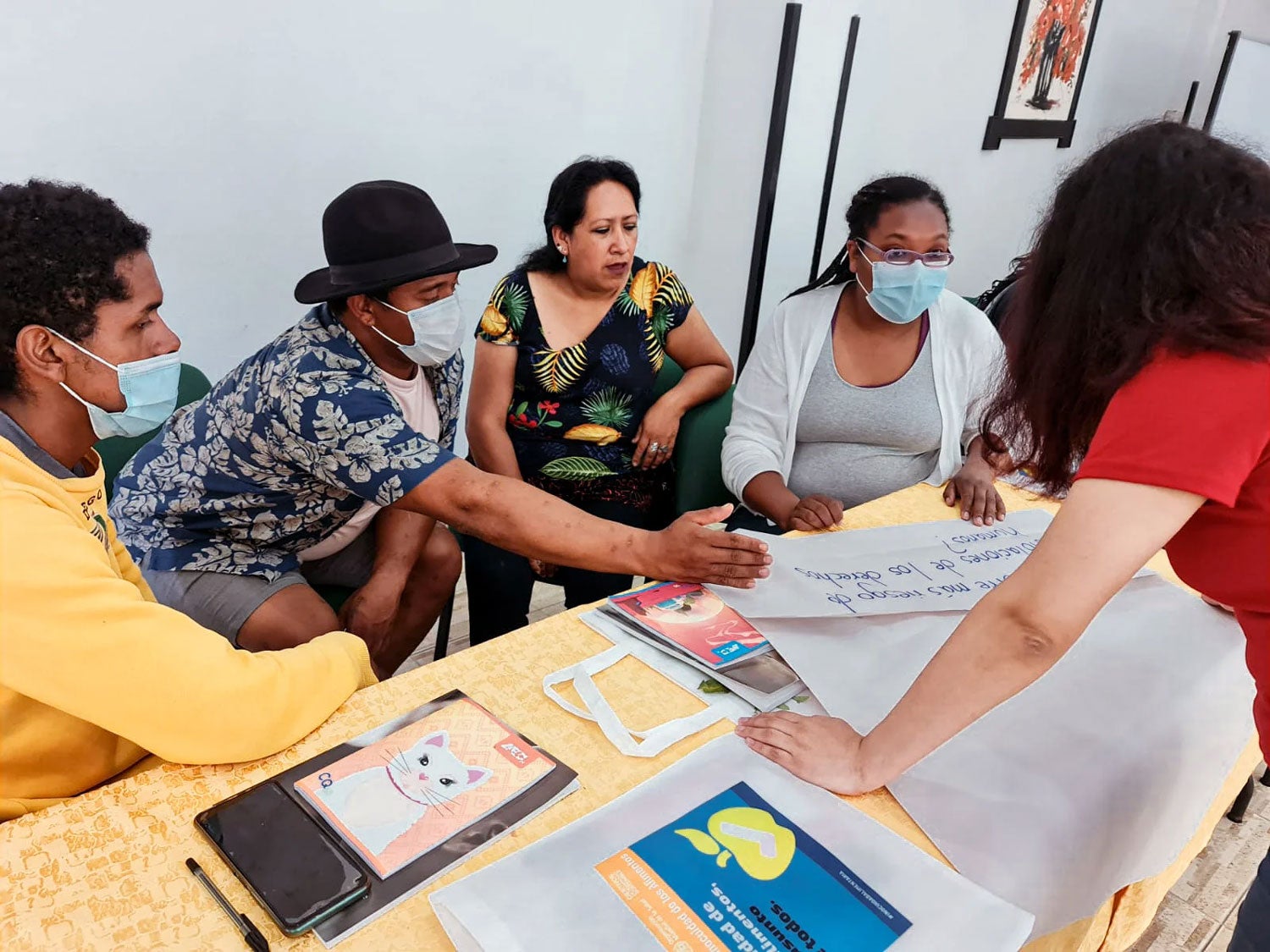
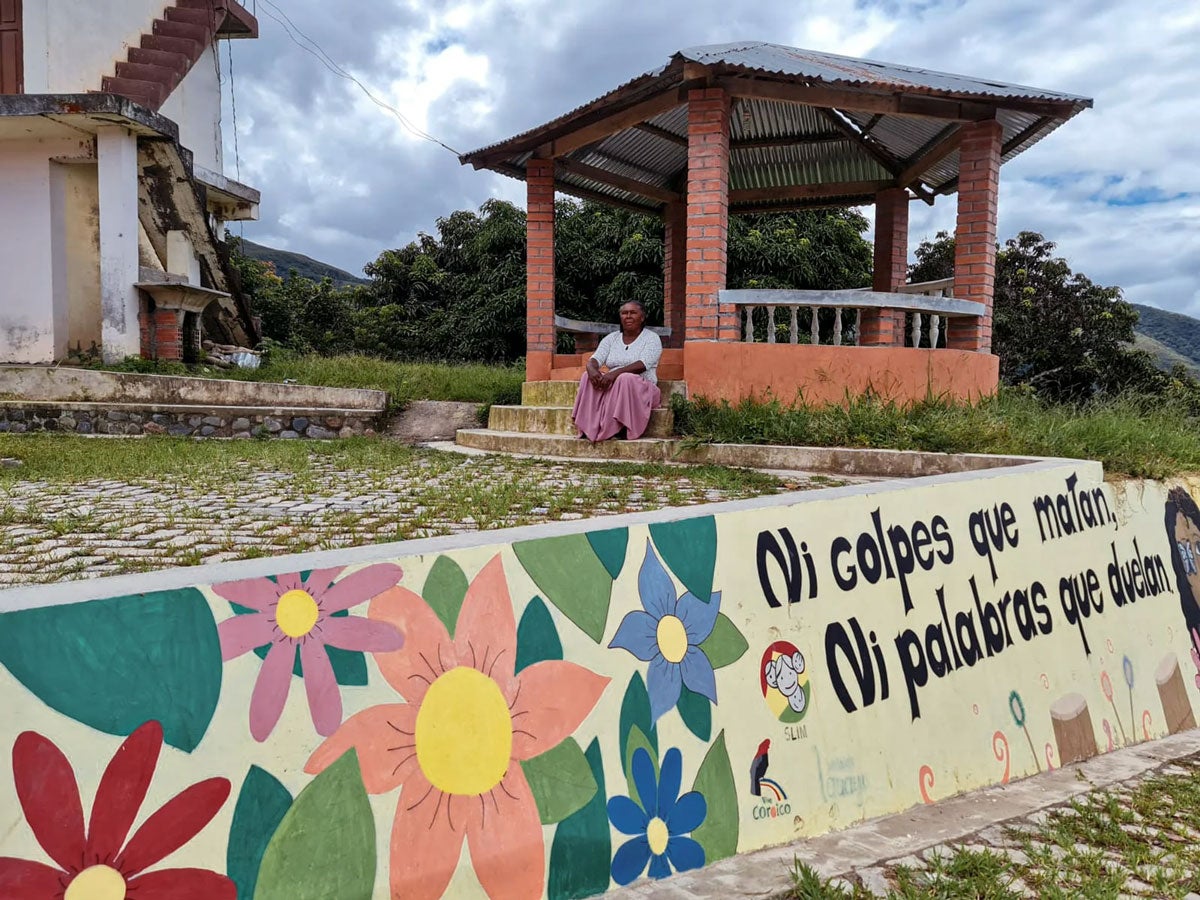
The project in Bolivia had three central objectives: to strengthen national capacities to coordinate, plan and provide MHPSS services to indigenous and afro-descendant communities affected by the COVID-19 pandemic; to improve the capacity of healthcare sectors to provide quality MHPSS services to these communities affected by the pandemic; and to empower communities to use MHPSS services and local services, adapted to provide MHPSS in accordance with the culture and traditions of the community.
Look, listen and link
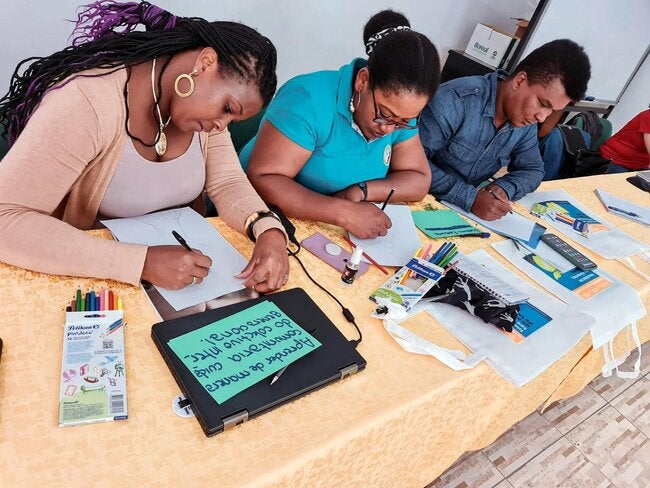
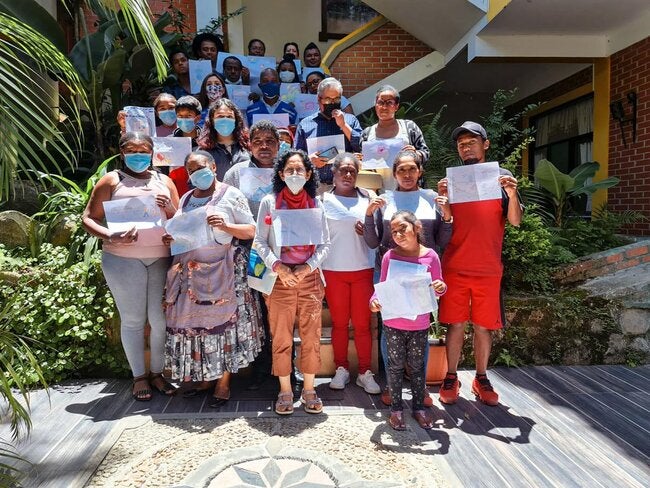
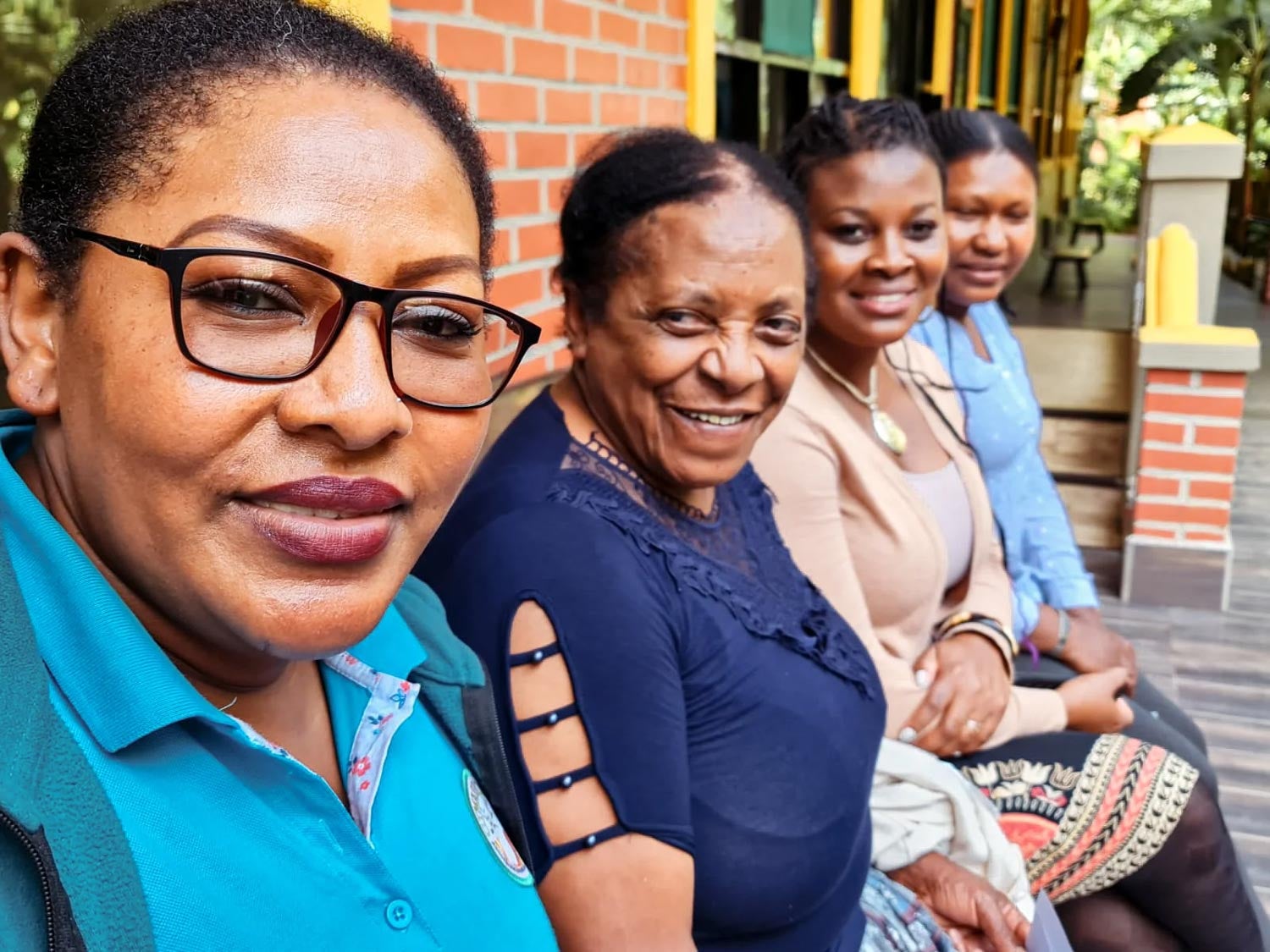
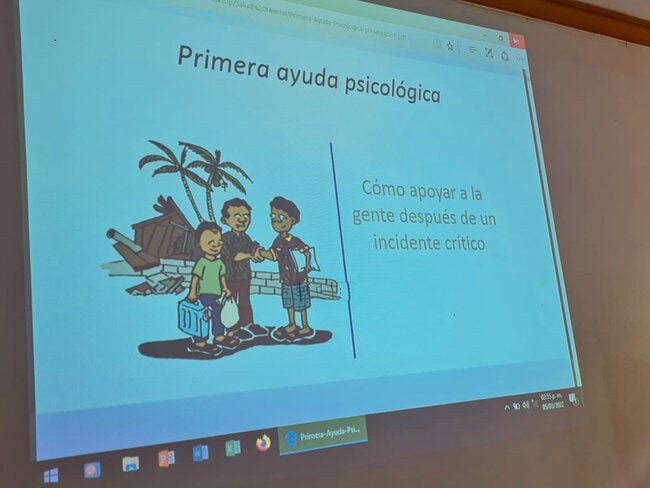
Work was also carried out with leaders -men and women- of afro-descendant communities. With presentations, examples, analysis and reflection, about 22 leaders embraced PFA's three basic principles of action: look, listen and link to provide help in crisis situations.
“We managed to understand the importance of first taking care of ourselves in order to offer help. We also understood that, as leaders, we are fundamental in an emergency to be able to get close to the people affected, listen to their needs in a difficult time, and help them receive support”, explains Nilo Vásquez, CONAFRO´s leader.
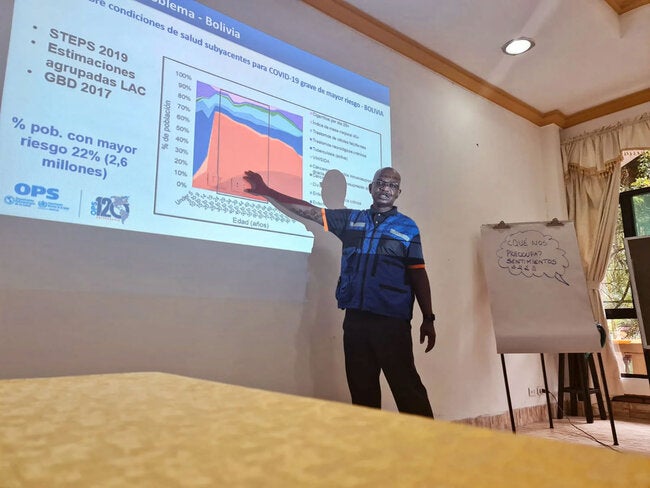
Dr. Lenildo De Moura, PAHO/WHO International Advisor on Non-Communicable Diseases and Mental Health, and facilitators Pamela Castro, Ketty Estrada, Iracema Justiniano, Samadhi Salguedo and Sandra Mallo participated in the project development process.
La PAHO, established in 1902, is the world's oldest international public health organization. It works with its member countries to improve the health and quality of life of the people of the Americas. It also serves as the Regional Office for the Americas of the World Health Organization (WHO).