With support from PAHO, Peru is implementing an intercultural health model for Indigenous Peoples based on knowledge dialogues and intercultural health brigades.
— March 2026 —

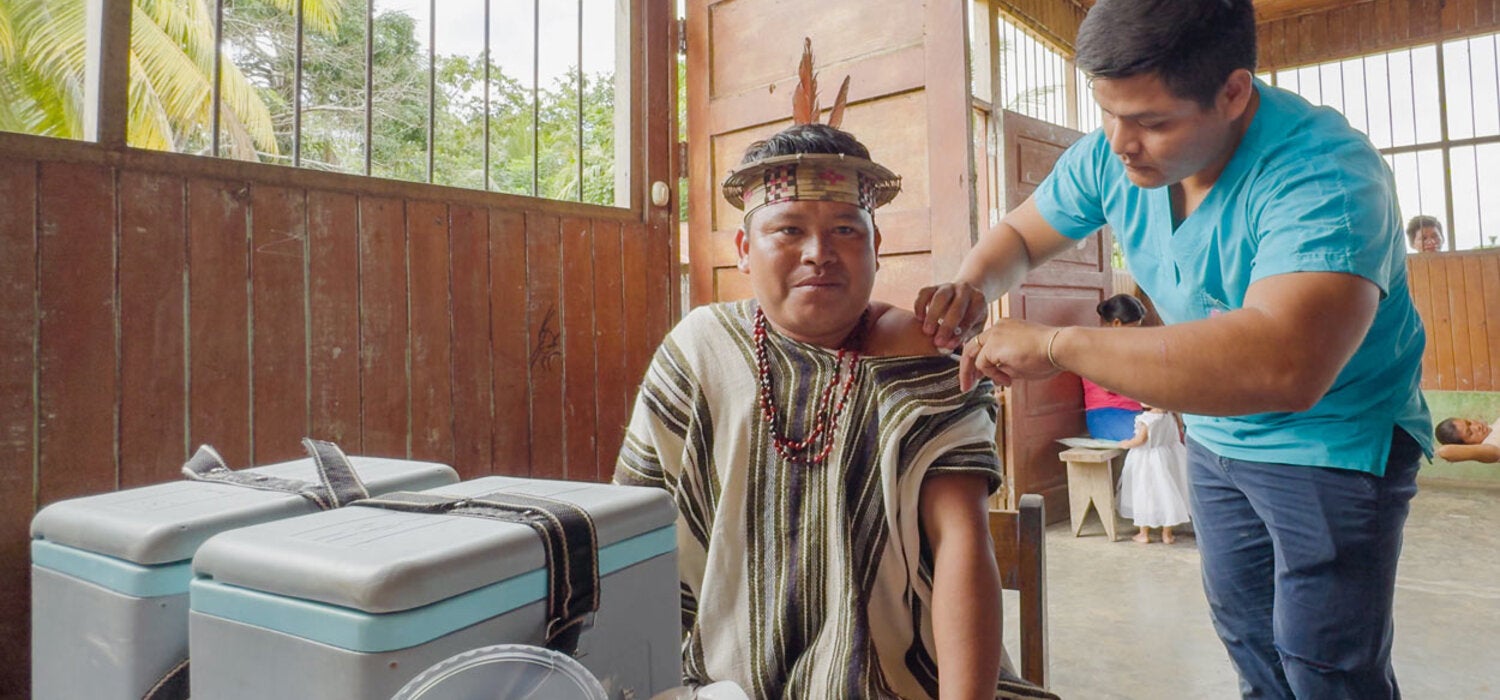
Elías Sánchez and Carlos Antonio Miranda live in the Peruvian Amazon and represent two forms of knowledge that are now working together to improve community health. Miranda is a physician and head of a health center in Atalaya. Elías, who is ethnic Kakataibo and was born and raised in a community in Ucayali, acts as an intercultural liaison.
Each month, they travel together along rivers and roads to bring medical care to hard-to-reach communities. This so-called health brigade may also include a midwife, a nurse, and, depending on needs, specialists in nutrition, psychology, dentistry, pharmacy, among others.
“When the water level drops, we can’t get through. Sometimes we must walk and cross rivers carrying medicines and vaccines,” explains Dr. Miranda.
When they finally arrive in a community, Elías is the first to speak. “I am a son of the people, a son of the community, and they trust me,” he says. “I can explain in my own language what people want to express and convey it to the professionals.”
One brings clinical training; the other brings language, trust, and connections with community leaders. The collaboration between the health center team and the community liaisons strengthens comprehensive care. Together, they help bridge the gaps separating the public health system and Indigenous knowledge. In territories where geographic distance and mistrust have long been barriers, each member’s role complements the other to ensure care is delivered effectively, respectfully, and centered on people’s health.
Brigades like this are part of Peru’s national intercultural health strategy, which aims to strengthen access to culturally appropriate health services for the country’s Indigenous Peoples.
Since 2019, the strategy has been transforming the relationship between the health system and the more than 55 Indigenous groups in Peru. The strategy has helped increase the use of health services, improve treatment adherence, expand vaccination coverage, and strengthen the prevention of chronic diseases.
With technical support from the Pan American Health Organization (PAHO) and funding from the Government of Canada, the model combines knowledge dialogues, culturally adapted health facilities, and the health brigades to improve access, quality of care, and health outcomes.
Peru now has more than 500 culturally-adapted health facilities, a network that has significantly increased the services delivered to Indigenous groups: in just two years, the number of people reached rose from fewer than 500,000 in 2022 to more than one million in 2024.
The services delivered through the intercultural health brigades and culturally adapted facilities include vaccination, prenatal care, anemia prevention, and screening for various diseases. Beyond addressing common conditions—such as respiratory and gastrointestinal illnesses—this network enables key interventions in hard-to-reach areas, including the prevention and control of HIV, dengue, malaria, and whooping cough.
Since the 1990s, PAHO has supported intercultural health processes in the Region, including the development of policy frameworks and the training of health personnel.
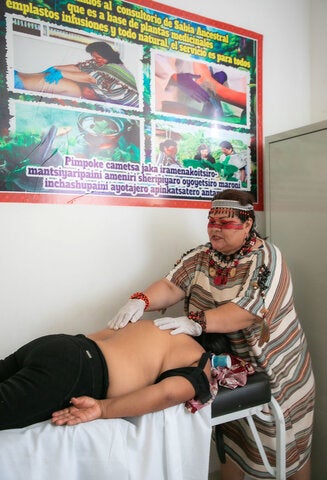
The Atalaya hospital, located in the Amazon region of Ucayali, is one of Peru’s most emblematic examples. The hospital, which serves a population of 60,000 people from five Indigenous groups, was inaugurated in June 2023. Since then, no maternal deaths have been recorded at the facility.
Since the hospital began offering culturally adapted services and the integration of traditional medicine practices, the number of births attended each month has increased from around 30 to nearly 70.
“Before, for many Indigenous people, going to a health center generated mistrust and resistance, because they did not feel they would be heard or cared for according to their customs and worldview,” says Edén Galán Rodas, Executive Director of the Directorate of Indigenous or Native Peoples at Peru’s Ministry of Health from 2023 to 2025.
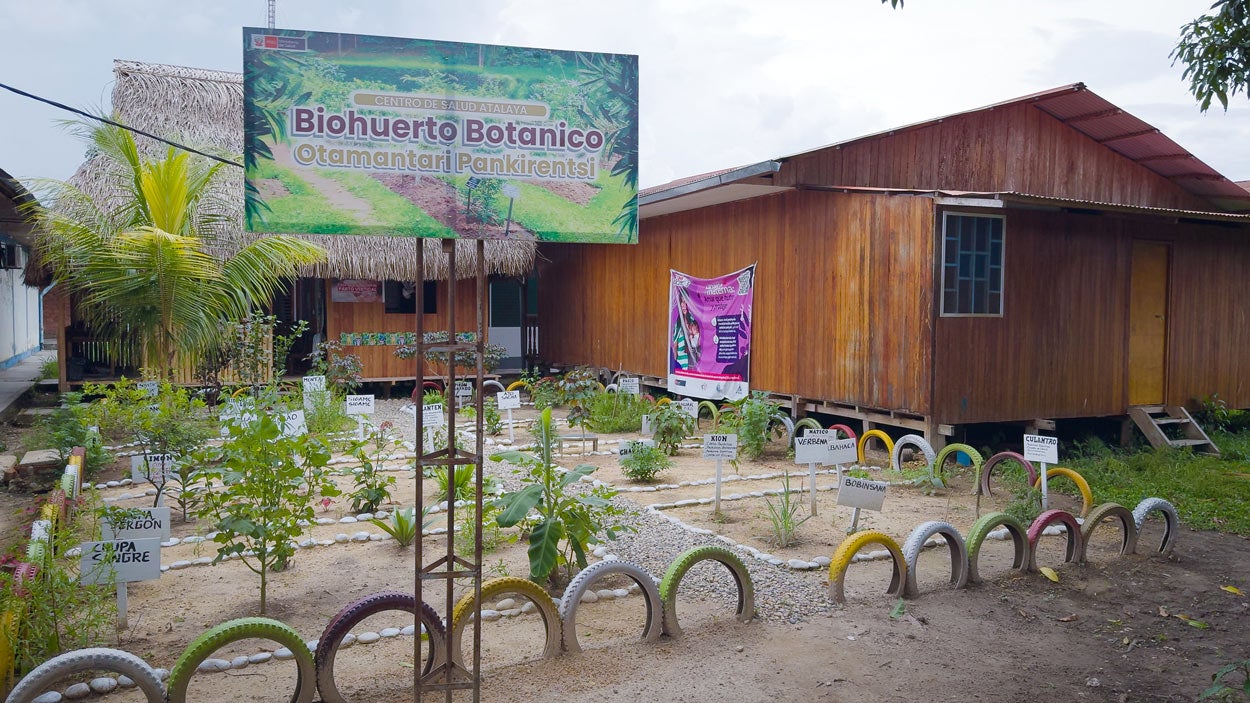
“Now, these centers have signage in their own language, medicinal plants and community gardens. They promote vertical birth, traditional healers accompany patients, and community participation is encouraged,” he explains.
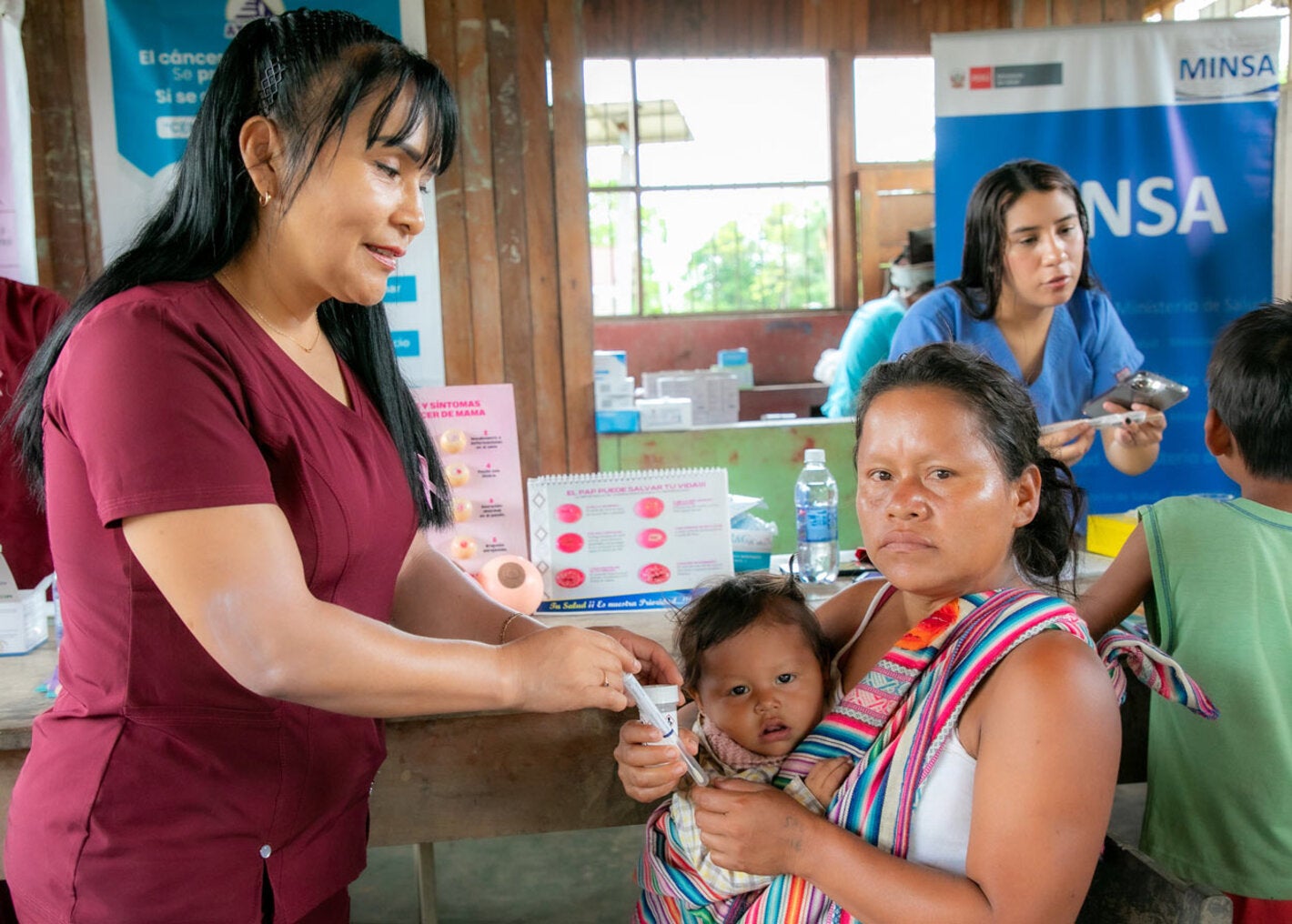
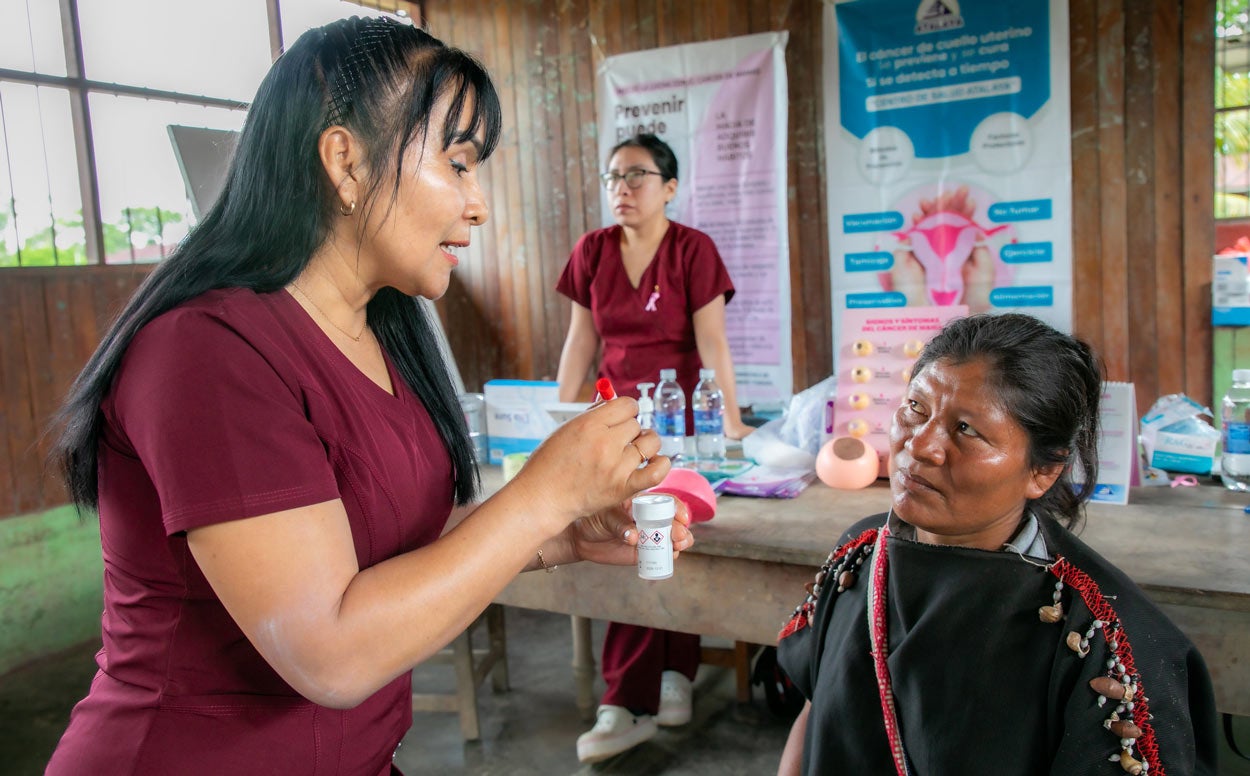
In 2025, health brigades introduced self-sampling tests to screen for the human papillomavirus (HPV) for the first time in Indigenous communities. These advances reflect a structural shift: greater trust in the health system and more active community participation in health care.
Behind these changes are two key pillars: the intercultural liaisons, such as Elías Sánchez, and what is known as knowledge dialogues—both promoted by PAHO.
The knowledge dialogues, also known as intercultural dialogs, are a tool that fosters mutual understanding and joint planning between the health system and Indigenous communities. The dialogues operate on two levels: first, as a space for mutual learning where traditional and biomedical knowledge are recognized and understood; and second, as a participatory planning process, with an active role for communities, that allows health services to be adapted.
The use and incorporation of knowledge dialogues represents one of the requirements for health facilities in Peru to be certified as culturally appropriate and, together with culturally safe childbirth, represent key actions supported through PAHO’s technical cooperation.
“The dialogues allow us to address health issues in a horizontal way, incorporating people’s worldviews and building solutions together,” explains Galán Rodas, who worked in the Directorate of Indigenous or Native Peoples during the intervention.
Like Elías, there are 45 intercultural liaisons in Peru who volunteer with the health brigades to connect communities and health services. Because they speak local languages, understand customs, and work closely with community leaders, they bridge Indigenous knowledge systems and the health system.
“I am a son of the people, and they trust me more. I can explain in my own language what they want to express and convey it to health professionals. That’s what we do. That’s why they trust me,” says Elías.
More than simply translating words, intercultural liaisons help build trust. They speak with families, explain the importance of completing treatments and taking children to check-ups, and address topics ranging from oral health to immunization.
Since the 1990s, PAHO has supported intercultural health processes in the Region, including the development of policy frameworks, training of health personnel, and the introduction of tools to improve access and quality of care for Indigenous groups.
The knowledge dialogue model was developed through an extensive consultation process with community leaders, traditional midwives, and spiritual leaders.
In a regional context where Indigenous groups continue to face significant gaps in access and health outcomes, Peru’s experience offers valuable lessons for other countries in the Americas.
“Intercultural health means working in a space where two knowledge systems converge and can complement each other,” says PAHO’s advisor on cultural diversity, Sandra del Pino. “It is not about integrating, but about articulating. In this way, we can reach agreements to address health in a way that is centered on people, responds to their needs, and above all, respects their culture and traditions.”