• vacuna

Building trust in the HPV vaccine in Colombia

Experiences in Putumayo and Arauca show how communication strategies promote free and informed decisions about vaccination

— September 2026 —

More than a thousand kilometers apart, in different cultural contexts, two communities in Colombia share a common challenge: how to make informed decisions in the face of doubts, misinformation, and vaccine hesitancy, particularly regarding the human papillomavirus (HPV) vaccine.

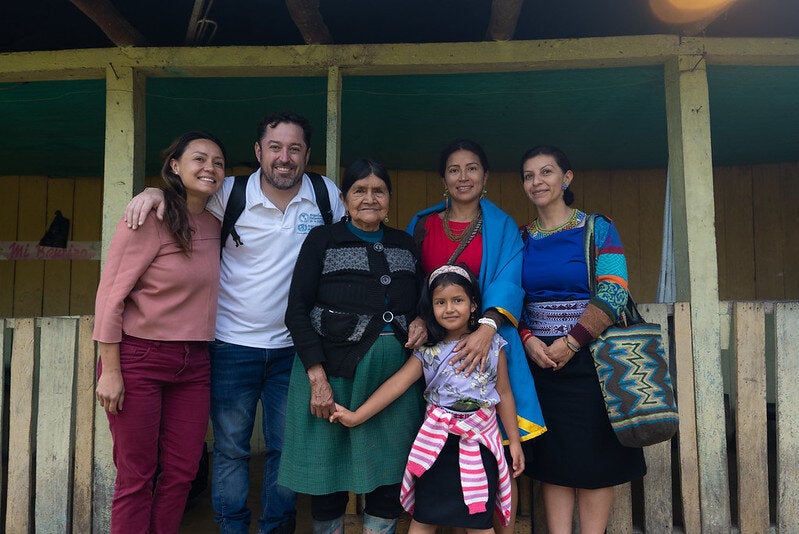
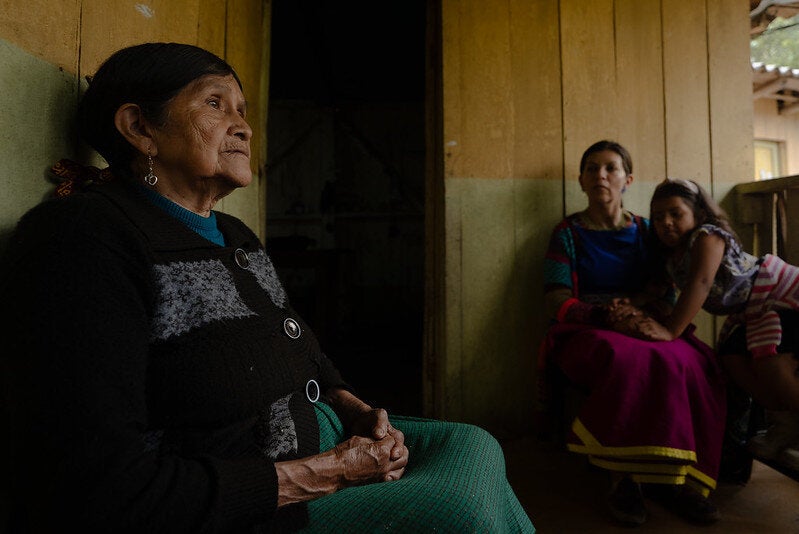
The first group belongs to the Inga Indigenous group, who live in Putumayo, in southwestern Colombia, near the border with Ecuador, amid tropical rainforests. A group of women of different ages sits around Mercedes Cuatindioy, who speaks to them in the Inga language about the HPV vaccine as a tool to prevent cervical cancer.

Mercedes is a Mayora in the area, a respected figure and keeper of her community’s ancestral knowledge. Her voice helps open conversations about women’s health and cervical cancer prevention grounded in the Inga’s ancestral knowledge and values.

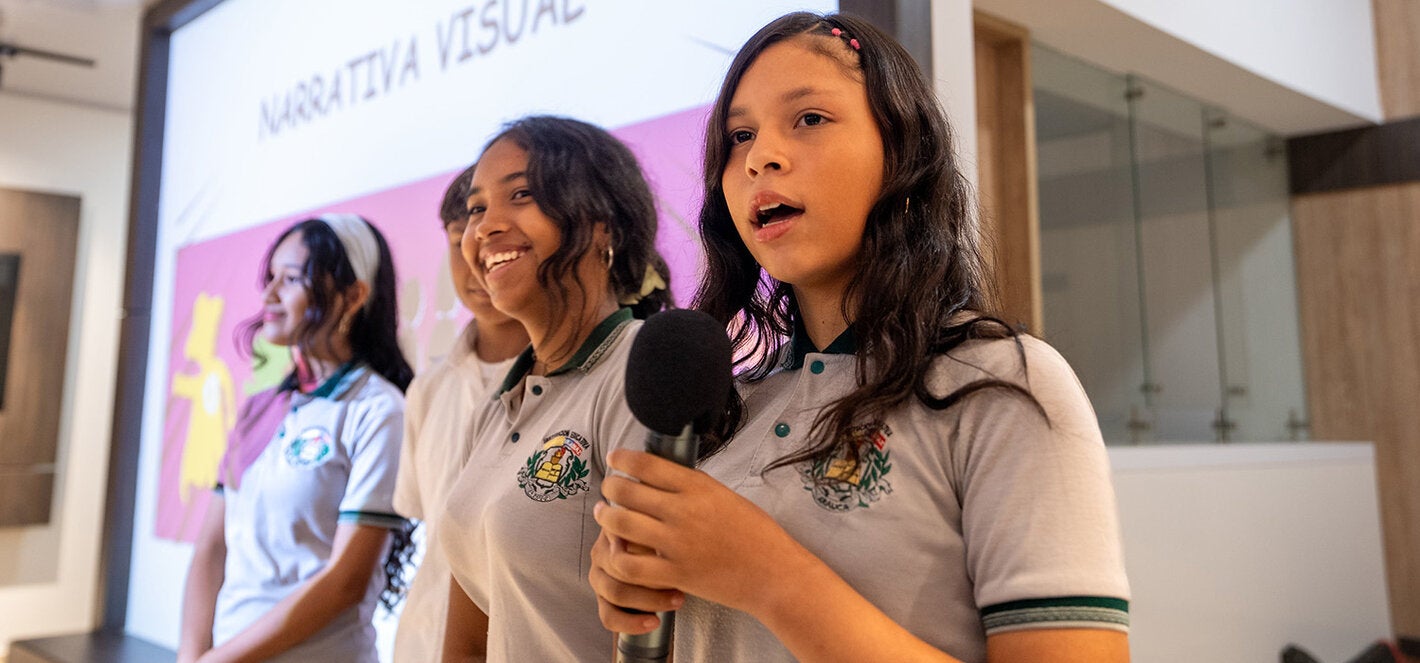
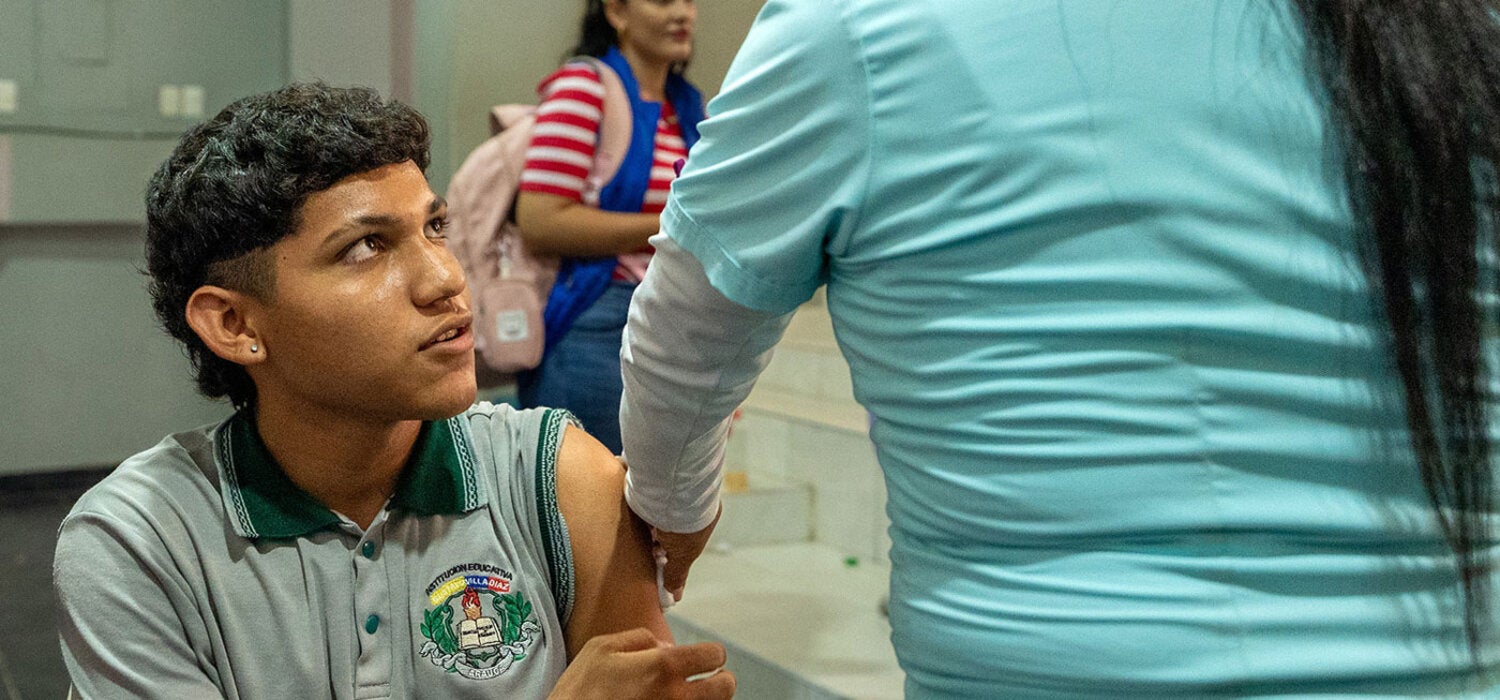
On the other side of Colombia, in Arauca, near the border with Venezuela, a group of adolescents is also discussing the HPV vaccine, this time in a classroom. They share doubts, challenge rumors circulating on social media, and reconstruct, among peers, what they know—and what they still do not understand—about vaccination and caring for their health.
More than a thousand kilometers apart, Indigenous communities in Putumayo and adolescents in Arauca are participating in spaces for dialogue and communication to strengthen confidence in HPV vaccination and promote informed decisions about their health.

In both territories, the challenge is rooted in persistent doubts, misinformation, and myths. In Colombia, the HPV vaccine was introduced into the national immunization schedule in 2012. In the beginning, first-dose coverage exceeded 80%, but dropped sharply after 2014, highlighting the impact of misinformation on public trust.

As in several countries in the Region, achieving high vaccination coverage remains a challenge. In Colombia, coverage currently stands at around 50% nationally, below the regional average and the global target of reaching at least 90% coverage by age 15.

The incidence of cervical cancer in Colombia—whose main cause is HPV—is 13.7 cases per 100,000 women, above the regional average of 11.5 in the Americas.

The Global Strategy to Accelerate the Elimination of Cervical Cancer, launched in 2020, sets out three key targets: HPV vaccination, early detection, and timely treatment. As part of this approach, vaccination prevents infection with the types of HPV that cause most cases of cervical cancer and is primarily targeted at girls and adolescents between 9 and 14 years of age.

dialogos
dialogos

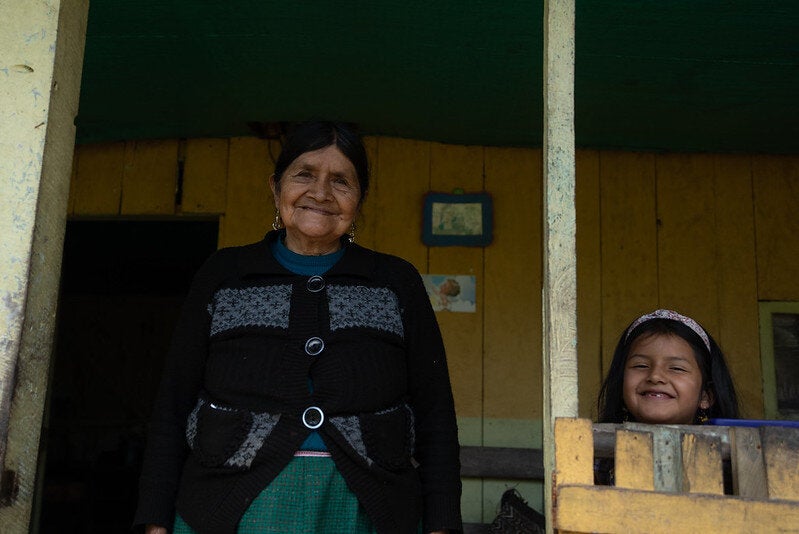
Mercedes Cuatindioy, a Mayora of the Inga people, speaks with women from her community about the HPV vaccine in Alto Putumayo. As a keeper of ancestral knowledge, she participates in dialogue spaces aimed at strengthening informed decisions about health and the prevention of cervical cancer.

Ancestral knowledge and intercultural dialogue

To better understand how the Inga People perceive HPV vaccination and to design a relevant communication strategy, the Pan American Health Organization (PAHO) and the Kindillagta Foundation, with funding from the Government of Canada, implemented a project in 2025 that explored cultural knowledge, practices, and perceptions related to sexual and reproductive health and cervical cancer prevention, with the participation of the four Indigenous councils of the Sibundoy Valley.

“Through this research, we wanted to understand how the Inga People care for women’s health,” explains Dr. Alexandra Bastidas Jacanamijoy, a pediatrician from the Inga People and member of the Kindillagta Foundation.

The results showed that perceptions of vaccines are generally positive, but also revealed a gap: access to clear, timely, and culturally appropriate information remains limited. The Mayoras recognize the vaccine as a protective tool, while emphasizing the need to better understand its purpose and benefits.

“The greatest challenge is spreading information so communities can learn more about vaccines. With that knowledge, the community can make its own decisions,” says Gloria Guerrero, vaccination coordinator for Alto Putumayo.

Based on these findings, intercultural dialogues were promoted with support from PAHO. These spaces encourage horizontal exchange between traditional medicine, ancestral knowledge, and biomedical knowledge.

“This space helped open a conversation without one form of knowledge overriding another,” explains Lizbeth Bastidas Jacanamijoy, an Indigenous Inga anthropologist.

The process helped build a shared understanding of health and strengthened collaboration between different knowledge systems, facilitating culturally appropriate actions aligned with community needs.

“Intercultural dialogue is based on recognizing different forms of knowledge. A central tenet is horizontality, so that we can learn from one another,” says Sandra del Pino, PAHO Regional Advisor on Cultural Diversity.

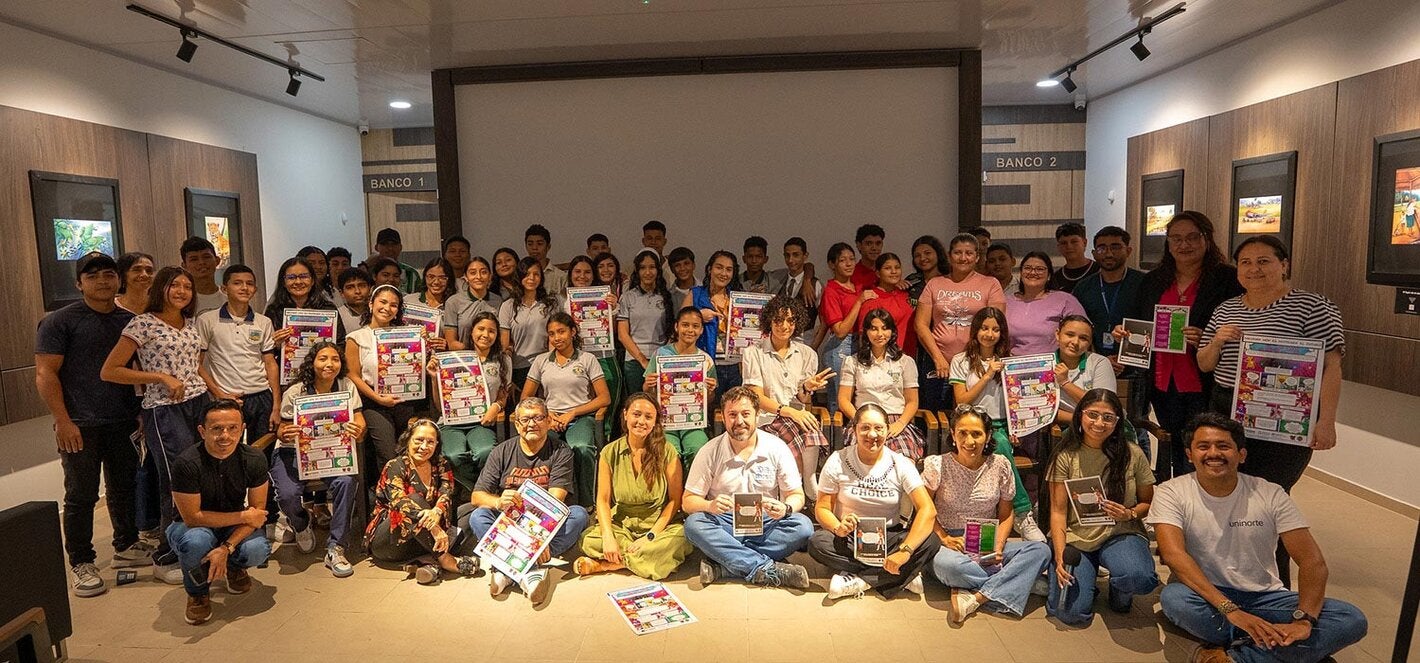
Students in Arauca develop messages and audiovisual materials about HPV vaccination, becoming communicators and agents of change within their schools and communities.

Adolescents lead the conversation in Arauca

In Arauca, the challenge took a different form. In five urban and rural schools, adolescents described living with misinformation, fears, and contradictory messages about the HPV vaccine. Many of these messages were linked to rumors circulating on social media or misconceptions about the vaccine and adolescent sexual health.

With PAHO’s technical support and in partnership with Universidad del Norte (Uninorte), a clear strategy emerged: placing adolescents at the center of the conversation. This led to the creation of The League Against HPV: Immune to Misinformation!—an initiative co-created by young people who took on active roles as communicators and agents of change.

Through workshops, the students developed messages, audiovisual materials, and other content adapted to their context, language, and interests. In total, 360 students and 94 adults, including teachers, mothers, and fathers, participated.

These materials did not remain in the classroom. Young people shared them at Universidad del Norte, on social media, and in youth spaces, expanding the reach of the messages and encouraging peer-to-peer conversations about HPV vaccination.

“We were looking for communication created by the community,” explains Gabriela Monsalvo, a social communicator and member of the Uninorte team. “It is a collective process of building messages that strengthens ownership of information and empowers those who participate.”

dialogar
dialogar

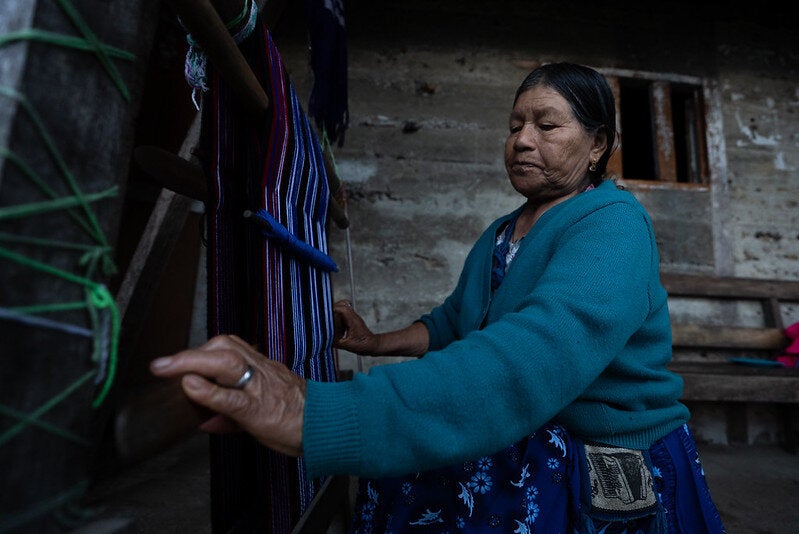
PAHO supported intercultural dialogues on the HPV vaccine in Alto Putumayo, where ancestral knowledge and biomedical expertise come together to strengthen the prevention of cervical cancer.

Dialogue as a path to change

The experiences in Putumayo and Arauca show that strengthening confidence in vaccination requires adapting information to different cultural contexts and creating spaces where communities can actively participate in the conversation.

Although the experiences took place in different territories and involved different populations, both began with the same idea: trust is built through information and listening.

In Putumayo, dialogue brought together ancestral and biomedical knowledge. In Arauca, adolescents became the center of the conversation. In both cases, the goal was to create spaces where people could address their questions, share experiences, and make informed decisions about their health.

“Social participation through dialogue is fundamental to building confidence in vaccination and co-designing solutions,” says Dr. Fernando González, PAHO/WHO International Immunization Advisor for Colombia.

In a multicultural country like Colombia, there is no single solution. Each community needs its own space for dialogue. Listening, exchanging knowledge, and adapting messages to each context allows people to make informed decisions about their health.