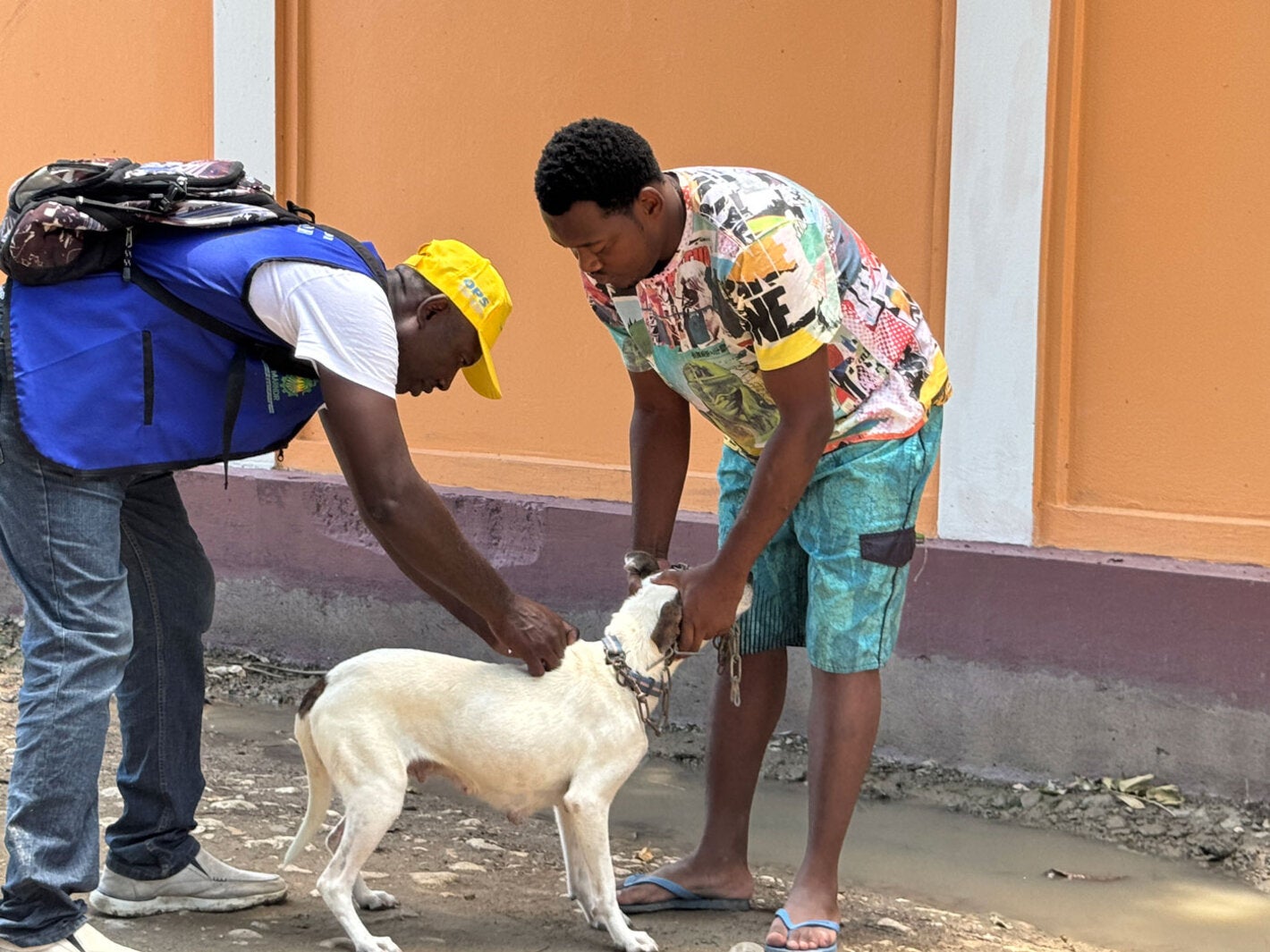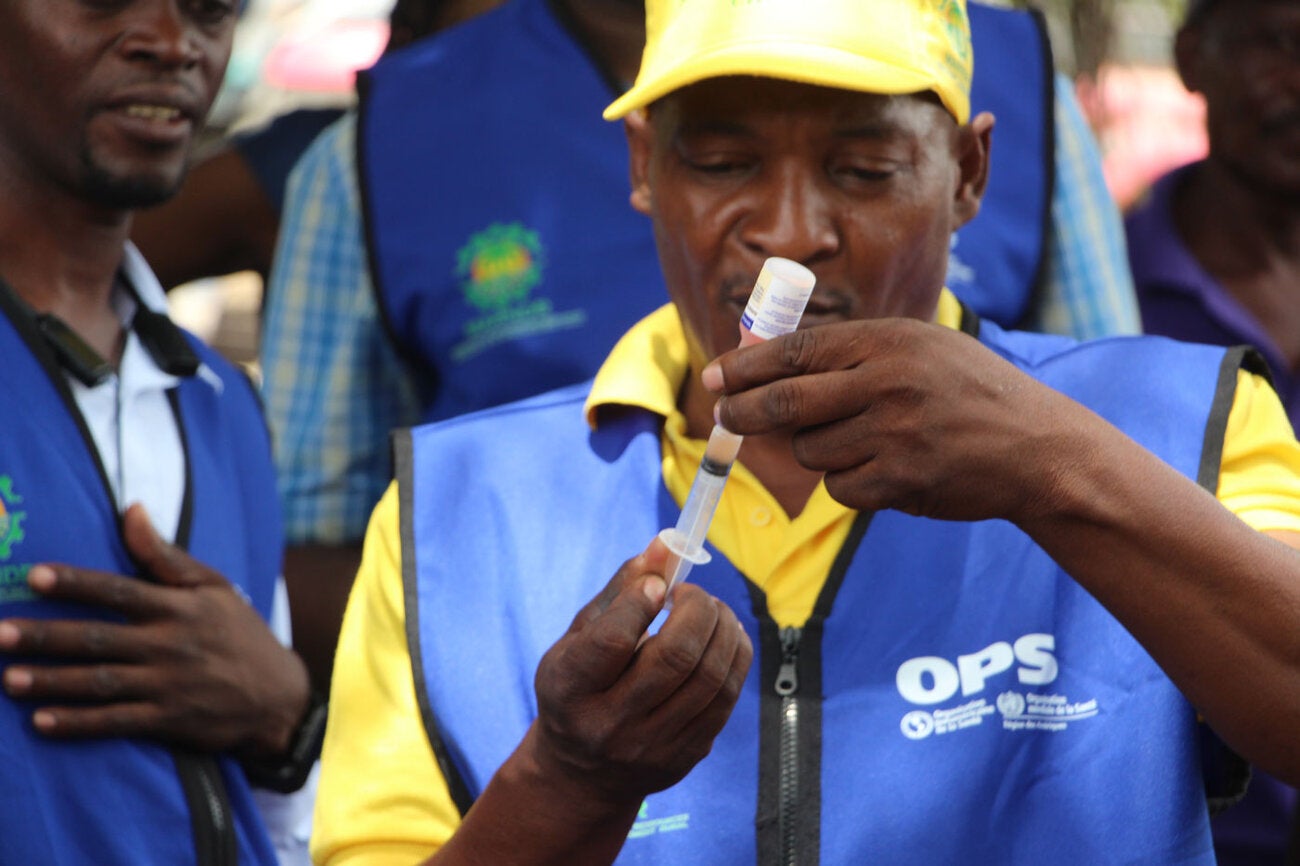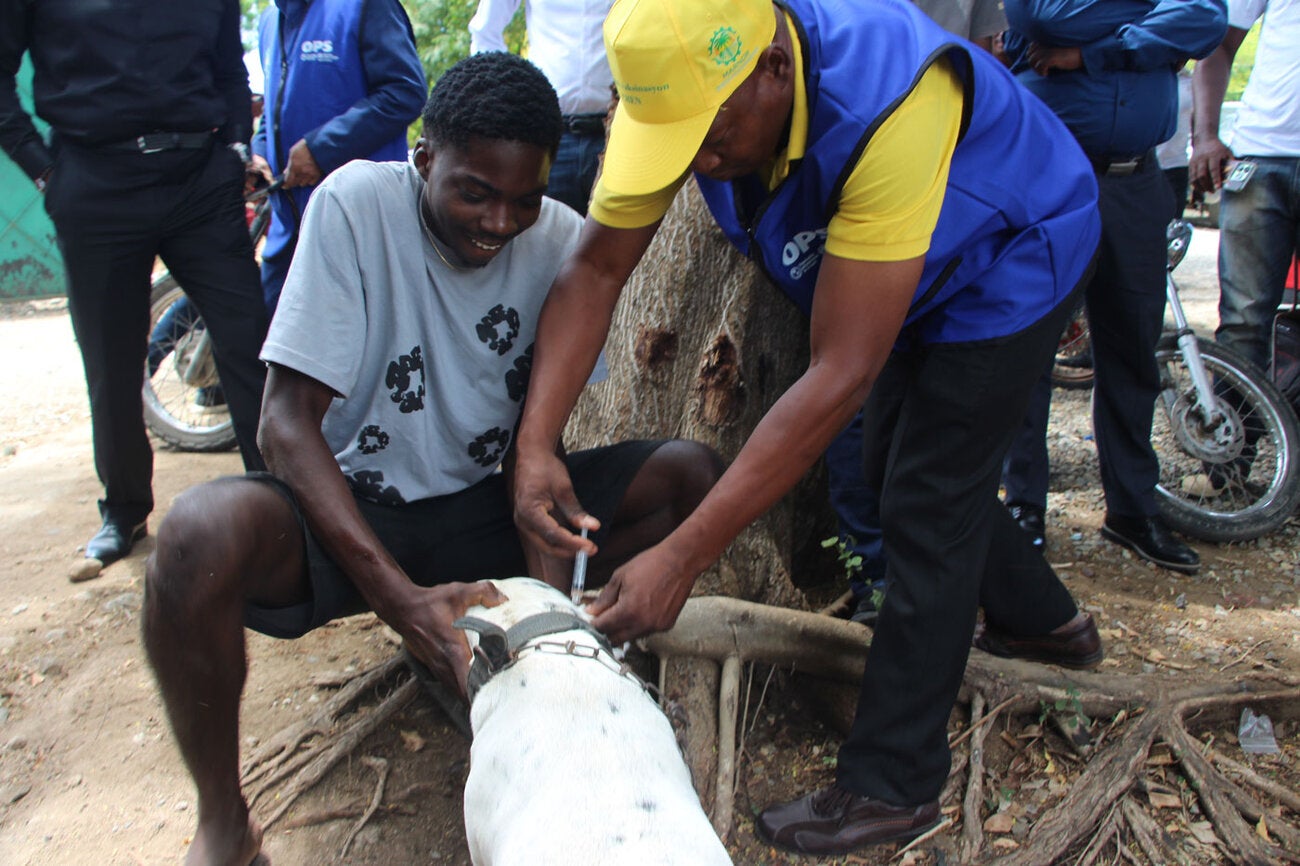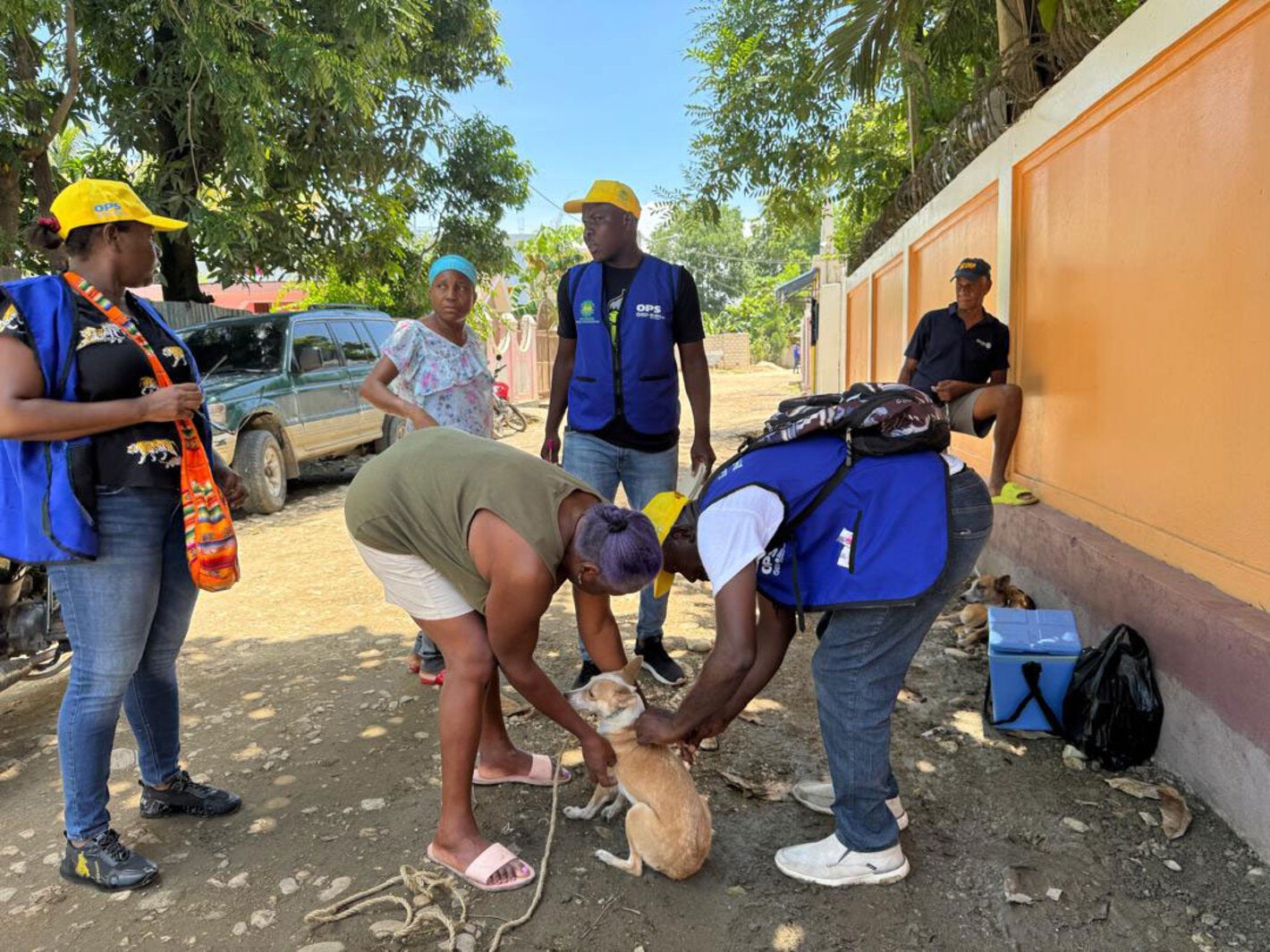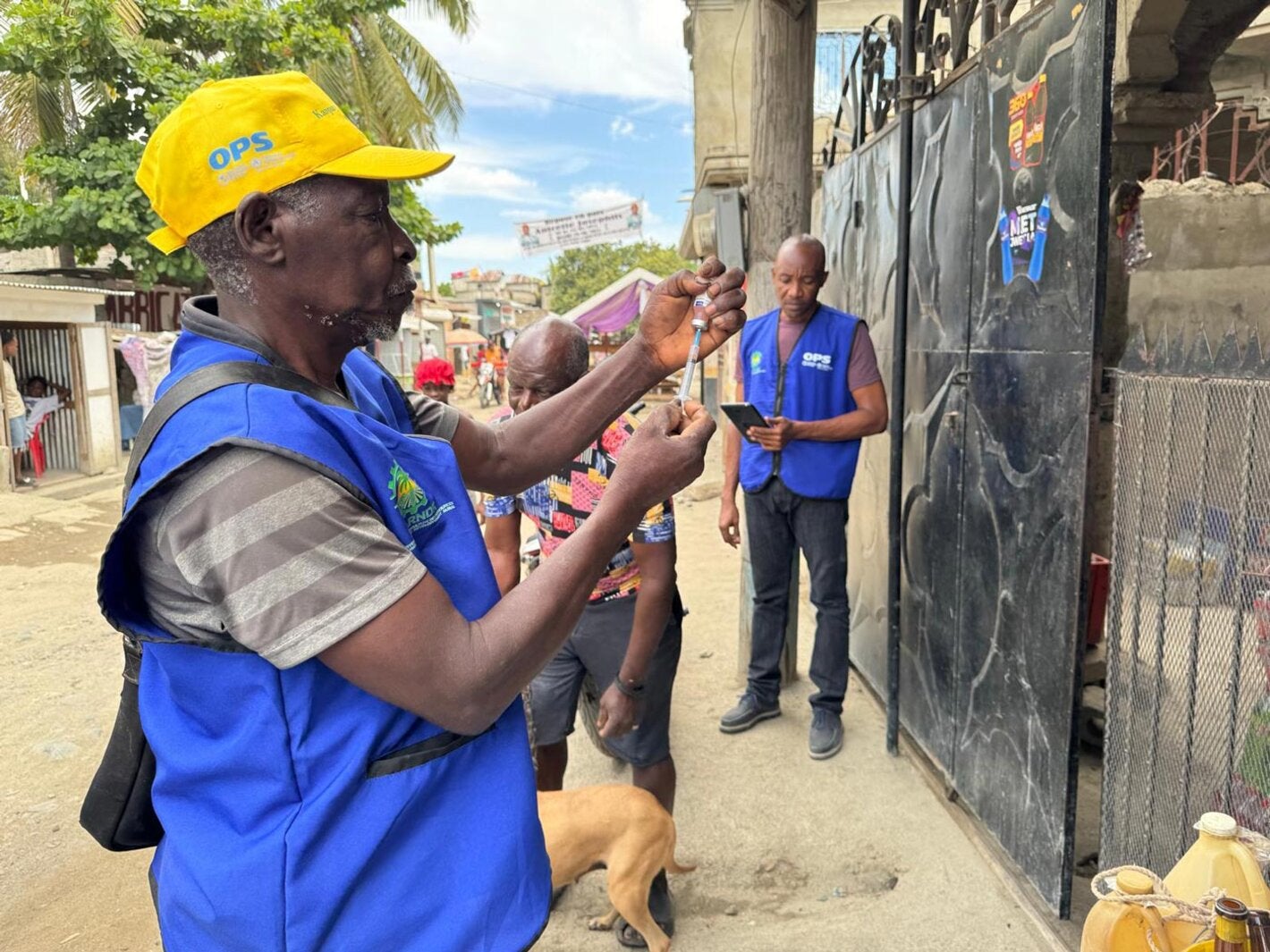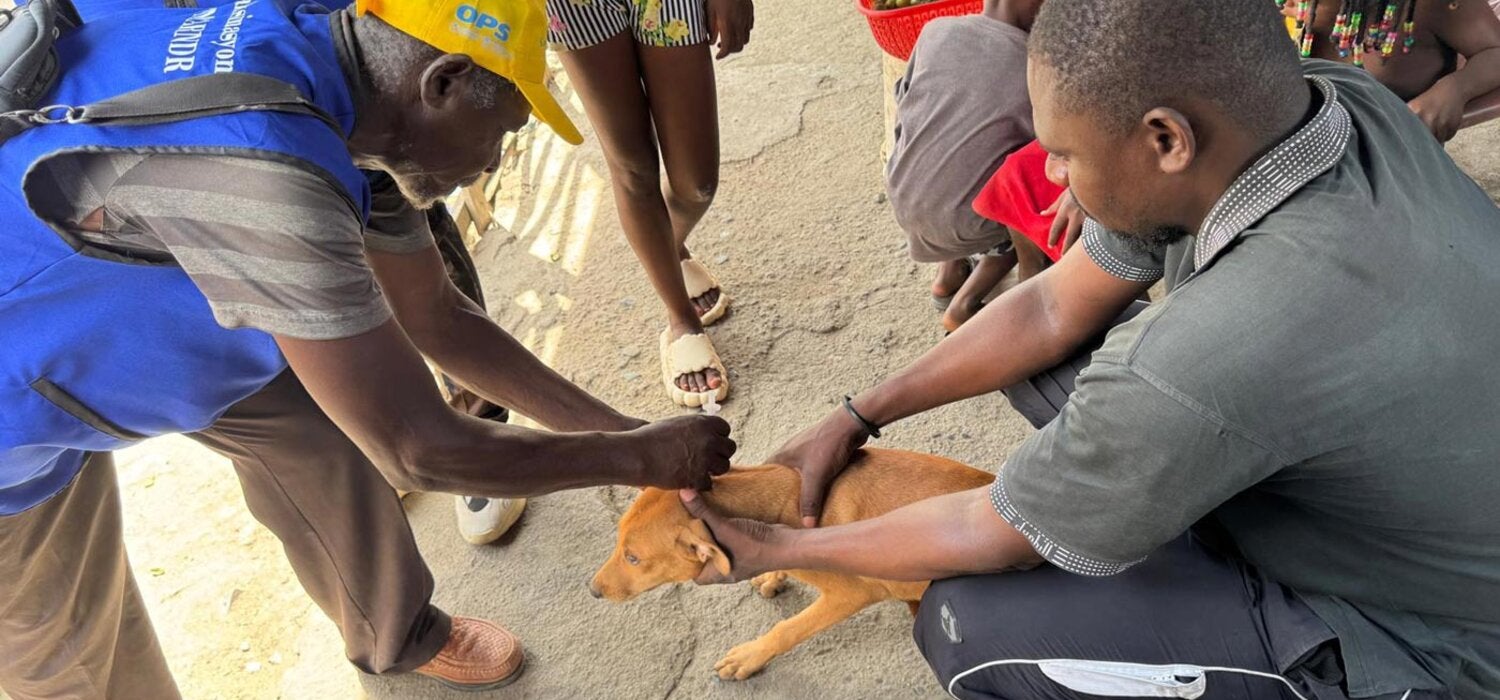
PAHO steps up efforts to support the country’s authorities in breaking rabies transmission through epidemiological surveillance, large-scale dog vaccination campaigns, and community education.
— Port-au-Prince, Sept 2025 —
Last July, in the remote locality of Butête, in southern Haiti, nine-year-old Jonas (whose name has been changed to protect his identity) lost his life to rabies
When a stray dog bit the boy on the leg, the wound seemed minor. Like many families living far from health facilities, his mother was unaware that immediate care was critical. Within a week, the child began to feel weak and refused to eat. By the time he reached the nearest hospital, he had started showing unmistakable symptoms of the rabies virus, including excruciating muscle spasms and hydrophobia. Not long after, Jonas passed away surrounded by his family.
The boy is the most recent victim of this deadly — but preventable — disease that has already claimed four lives this year. Surveillance data collected between 2022 and 2024 in Haiti shows the rabies virus continues to pose a serious threat to public health: health authorities investigated more than 8,000 suspected cases of rabies in dogs. Of these, over 1,100 cases were considered probable and 46 were confirmed in a laboratory. During the same period, there were 24 suspected human cases and eight confirmed deaths.