Throughout years of coordinated care, data-driven action, and community support, the Caribbean country transformed its HIV response to protect mothers and their babies.
— April 2026 —

The Caribbean is the only region outside of Sub-Saharan Africa where women and girls outnumber men and boys living with HIV. This places women of reproductive age at the center of the epidemic, and with them, the risk of mother-to-child transmission.
In the mid-1990s, under Dr. Perry Gomez, who led the country’s National HIV/AIDS Program for many years, The Bahamas began implementing prevention of mother-to-child transmission (PMTCT) interventions, integrating HIV testing and screening into routine antenatal care, while ensuring access to free antiretroviral therapy for pregnant women. By the early 2000s, HIV prevalence in The Bahamas hovered just below 2%—one of the highest rates in the region.
These early interventions helped reduce mother-to-child transmission rates in The Bahamas to below 5% by the early 2000s, down from global baseline levels of up to 30% without treatment.
“The Bahamas was one of the first English-speaking country in the Caribbean to have a PMTCT program and then shared its experience with other Caribbean countries,” explains Dr. Nikkiah Forbes, who chairs the National Validation Committee for the Elimination to mother-to-child transmission (EMTCT).
Building on the launch of the Pan American Health Organization’s (PAHO) initiative for EMTCT of HIV and syphilis in 2010, countries intensified efforts to integrate HIV and maternal health services while bolstering surveillance. Over the following decade, The Bahamas transitioned from expanding access to achieving a comprehensive, system-wide proof of elimination.
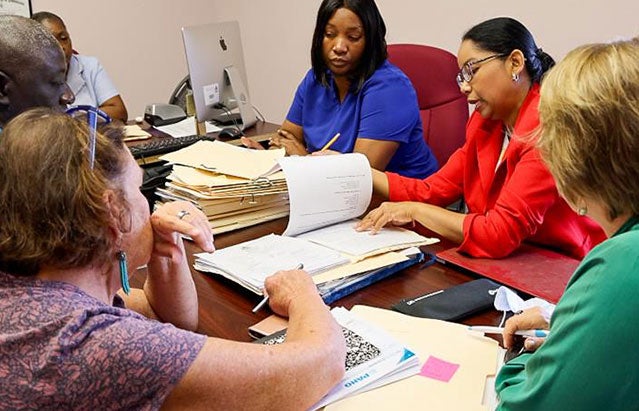
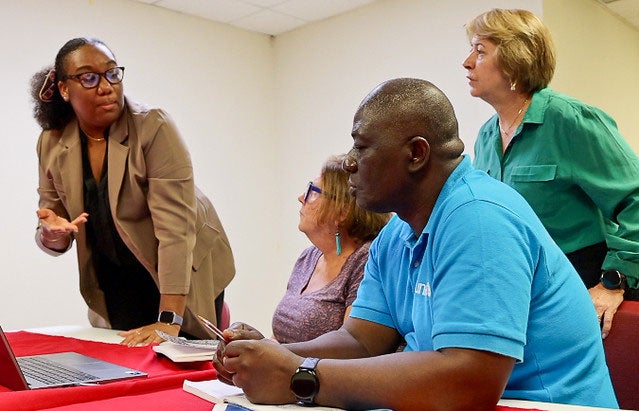
“Our elimination of mother-to-child transmission journey started in 2017 and required a multi-sectoral team,” Forbes explains. “It wasn’t just the health sector—it was a national effort, with government, civil society, legal institutions, faith-based groups, and community organizations all working together to secure our path.”
The journey was completed this year when the World Health Organization (WHO) recently validated The Bahamas for the elimination of mother-to-child transmission of HIV. To meet elimination criteria, countries must show that very few babies are born with HIV and that almost all pregnant women receive proper care. This translates to less than 2% of babies born to mothers living with HIV acquire the virus, fewer than 5 children per 1,000 live births are newly infected, and at least 95% of pregnant women receive antenatal care, HIV testing, and treatment if needed.
Improving surveillance and access to data has been critical to The Bahamas’ EMTCT success, enabling health workers to better track and support pregnant women living with HIV across the continuum of care, and providing decision-makers with the information needed to identify gaps, guide interventions, and ensure the timely procurement of diagnostics and treatment.
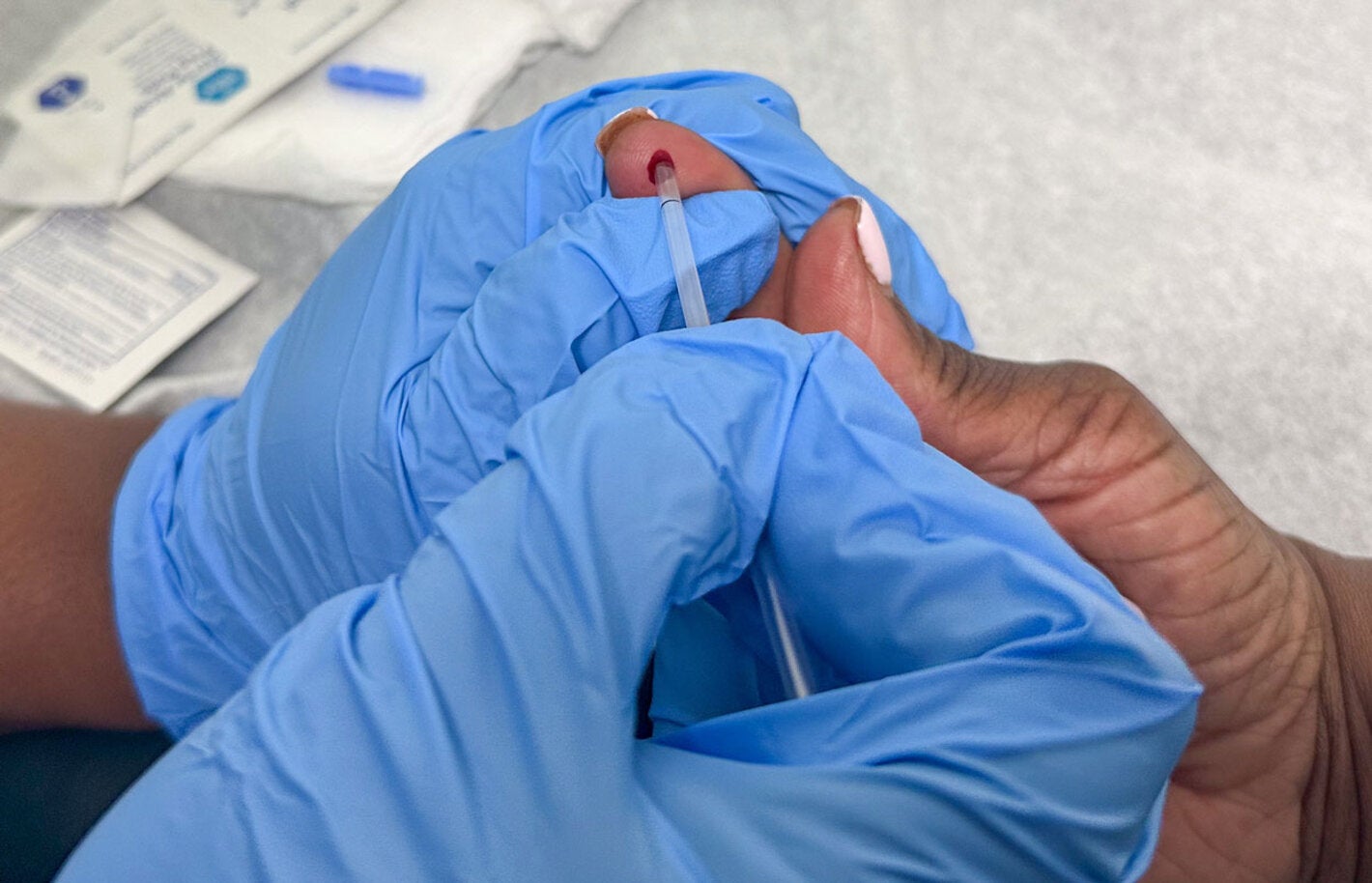
“HIV is a reportable condition in the Bahamas,” explains Glenise Johnson, epidemiologist with The Bahamas’ Ministry of Health and Wellness (MoHW). “And identifying women who tested positive, is one of our first lines of defense for preventing mother-to-child transmission.”
For Brenée Wallace, a data analyst in the MoHW surveillance unit, one of the biggest challenges was data fragmentation. “Data was not readily available in one centralized space. Clinical data was in this book and that book, and then we would have to retroactively look for years,” she explains.
In response, teams across the public and private sectors worked together to consolidate information, validate records, and create a centralized platform that could track cases from diagnosis through pregnancy, delivery, and beyond.
This shift changed how institutions worked together. “Previously everyone was kind of operating in a silo,” Wallace notes. “But this project has forced us to realize that we have to talk to each other and share that information.”
New protocols, standardized reporting, and joint data systems have now connected clinics, laboratories, and national programs, ensuring that test results, treatment, and pregnancies are accounted for. This, combined with coordinated partnership and universal access to free antenatal care and treatment, removed critical barriers.
“Providing care and medication for the treatment of HIV at no cost to patients, especially pregnant women, has been invaluable to The Bahamas and removes the need for women to choose between other expenses and seeking care,” explains Phillip Swann, health information systems lead at the MoHW.
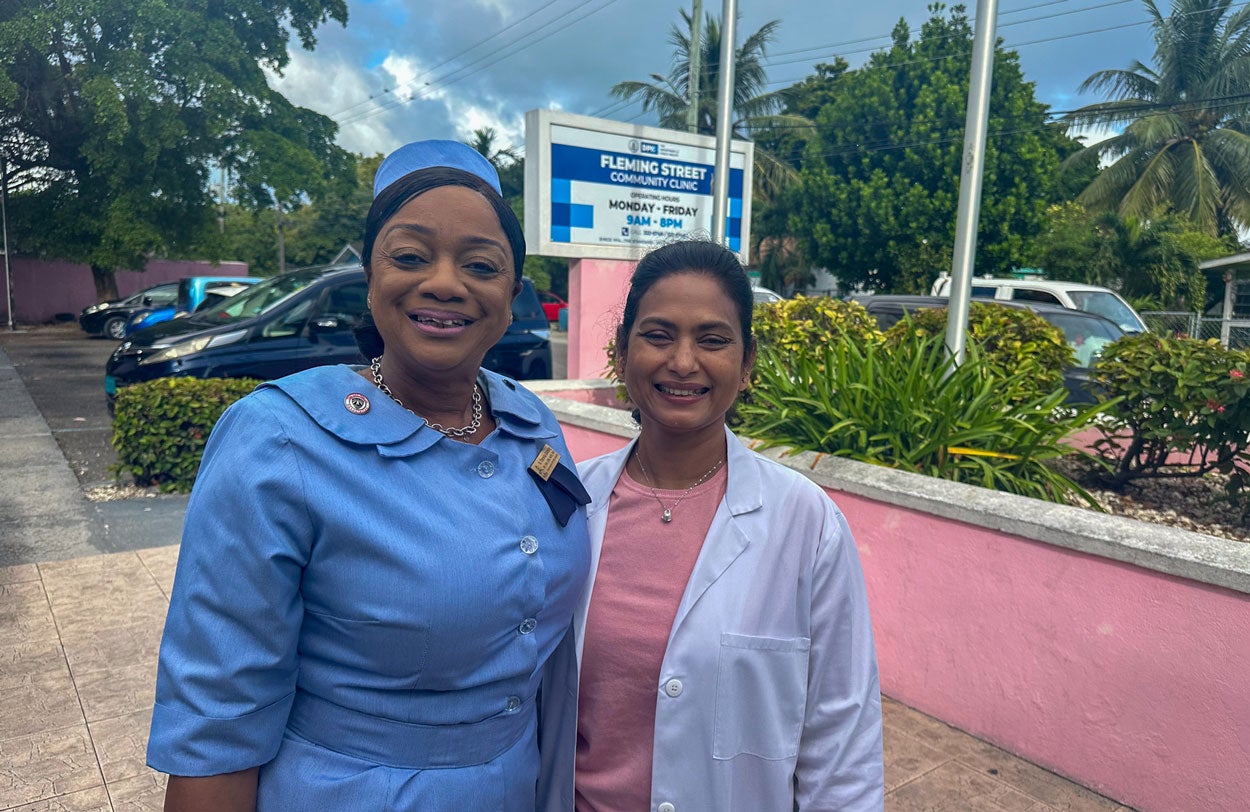
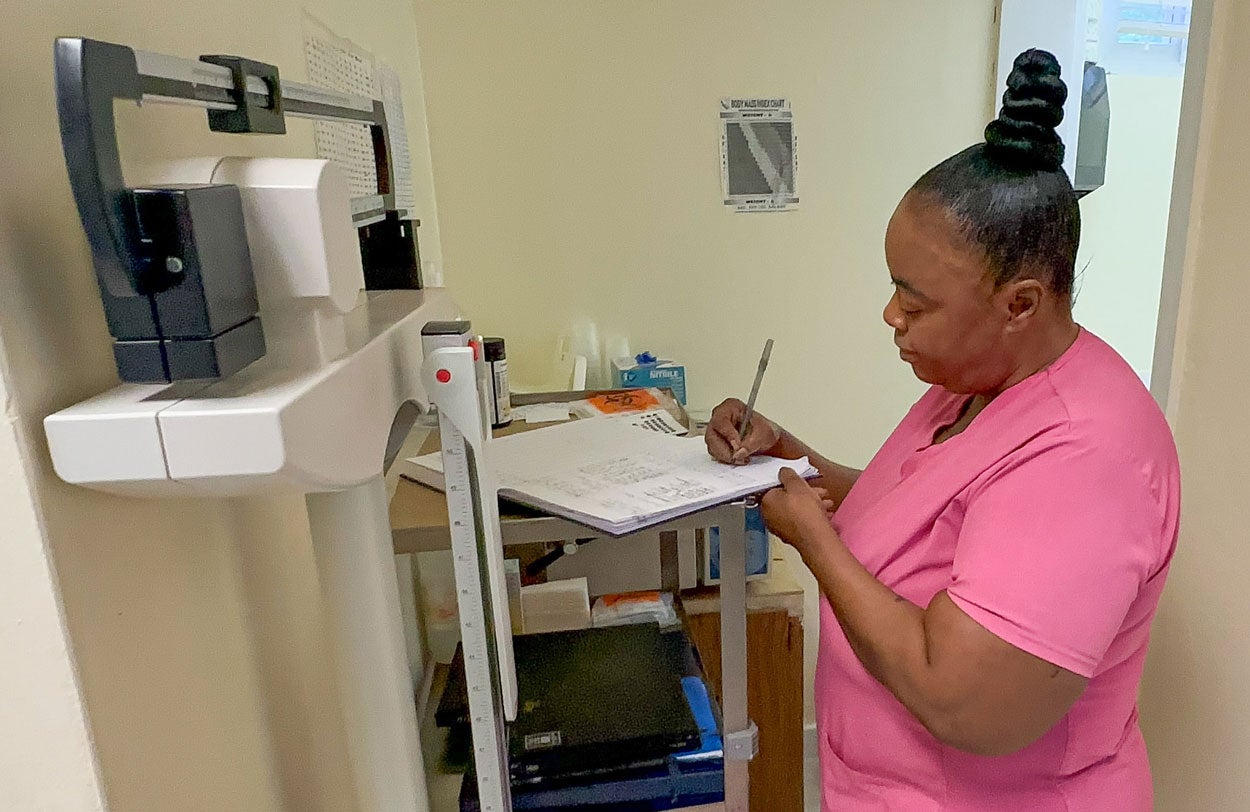
By adopting a multi-stakeholder approach that brought together providers and institutions, The Bahamas was able to reduce stigma and discrimination and establish the conditions for sustained elimination.
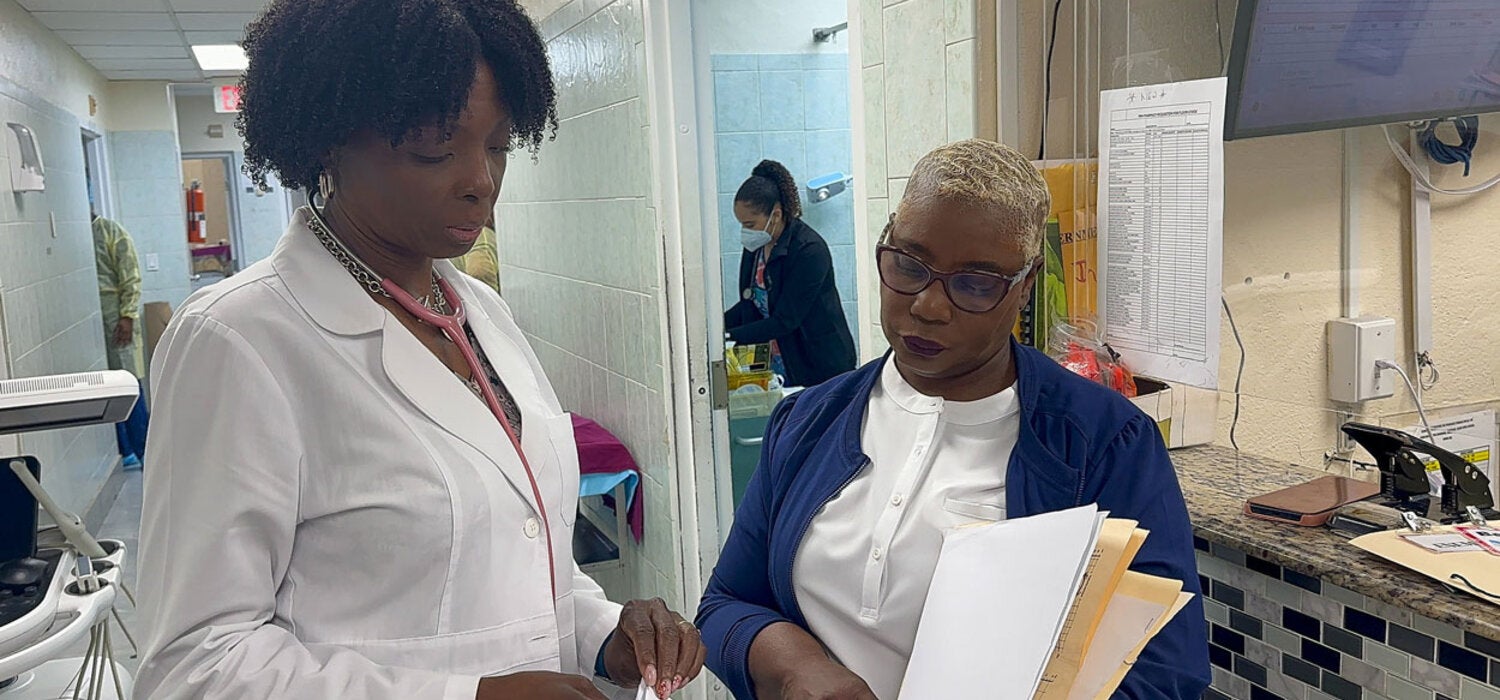
Health workers also operated beyond the clinics—actively tracing patients, following up with women who had dropped out of care, and in some cases traveling across the island to bring them back into the system.
“You know, sometimes women need that extra touch, extra counseling, not so much from a psychologist, but just to know that somebody has their back,” Glenise Johnson says.
In the Americas, a total of 13 countries and territories have been validated for the elimination of mother-to-child transmission of HIV. Among them, Brazil—validated in 2025—stands out as the largest country in the world to achieve this milestone.
To advance toward broader HIV elimination, PAHO and partners established the Alliance for the Elimination of HIV in the Americas, a regional platform to strengthen coordination, scale up diagnosis and prevention—including PrEP (pre-exposure prophylaxis)—and optimize treatment, while addressing structural barriers such as stigma and discrimination.
In 2024, an estimated 170,000 new infections and 38,000 AIDS-related deaths were recorded in the Region, according to UNAIDS. While the Caribbean reduced new infections by 21% from 2010 to 2024. Despite advances, Latin America saw a 13% increase during the same period.
These figures serve as a reminder that progress is not uniform and that significant challenges remain across the Region. But they also show that progress is possible. The experience of The Bahamas demonstrates that, with political commitment, strong health systems, and trust within communities, it is possible to change the course of the epidemic and move closer to a generation in which no child is born with HIV.