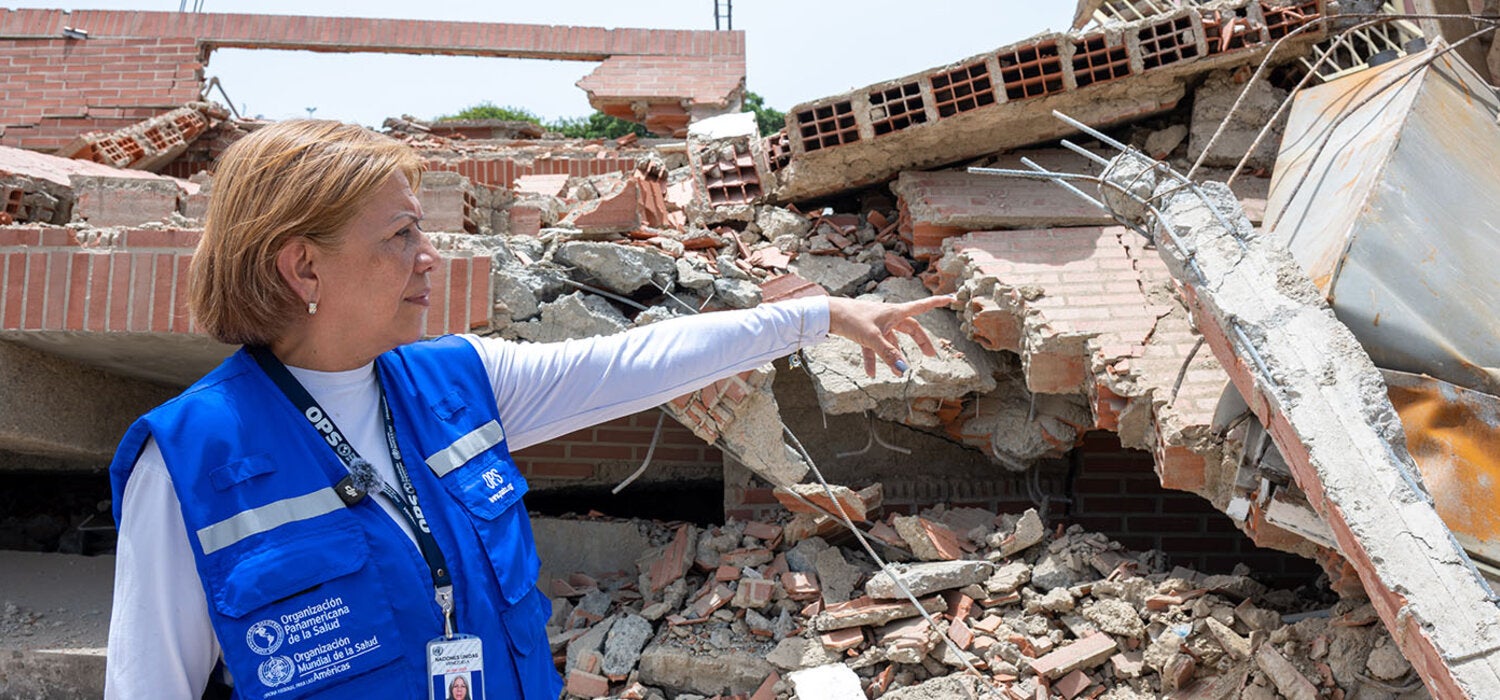
• earthquake damage

Thirty Seconds to Decide: How Preparedness Made the Difference During the Venezuela Earthquake

The earthquake that struck Venezuela put Yulyma and Richard—two members of local emergency response teams—to the test, following years of disaster-response training. Among the initiatives that helped strengthen their knowledge and experience were activities supported by the Pan American Health Organization/World Health Organization (PAHO/WHO), aimed at improving emergency coordination, communications, and response capacity.

— July 2026 —

It was 6:04 p.m. on June 24, 2026, when the ground began to shake. Thirty-nine seconds later, a second earthquake struck central-northern Venezuela. In Carayaca, a parish in La Guaira state on the country’s central Caribbean coast, every minute became a race against time.

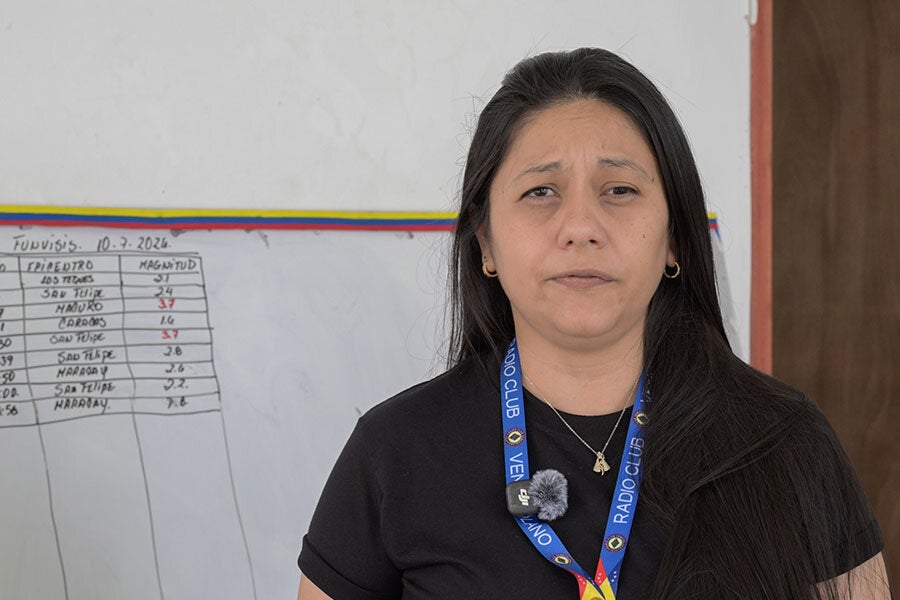
As families rushed to safety and tried to understand what had happened, some people immediately activated the skills and systems they had spent years developing to respond to emergencies. Among them were Yulyma Zulbarán, a member of the Venezuelan Radio Club’s National Emergency Network, and Richard Delgado, coordinator of the Diamante Rescue and Prehospital Medical Care Group, which operates under Civil Protection.

Preparedness had long been a constant in their lives: training courses, simulation exercises, and community outreach had ensured they would be ready when disaster struck. But this time, the challenge was different. This was not a training exercise—it was unfolding in their own community, before the eyes of their families and neighbors.

As they had been taught throughout their emergency preparedness training, their first priority was to ensure the safety of their loved ones. Only then could they carry out the roles they had trained for: restoring communications, coordinating assistance, and joining the emergency response already underway.
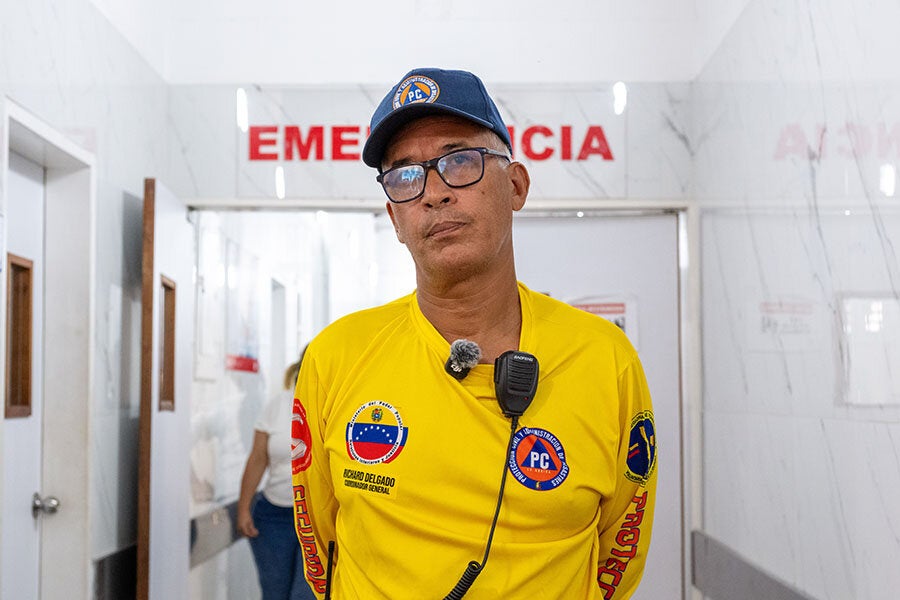
responder
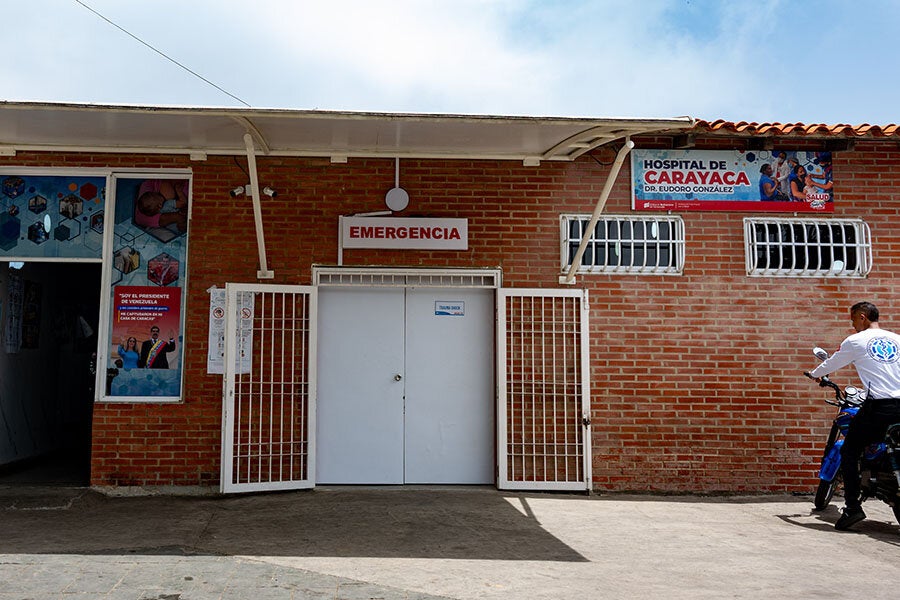
hospital
Thirty Seconds to Act

The earthquake caught Yulyma at her childhood home, where she had arrived the day before to visit her mother. Her brother, nephew, and niece were there as well. When an alert appeared on her phone, she had only seconds to react.

“I used those 30 seconds to get my mother out and into a safe place,” she recalls.

With her brother’s help, they evacuated the house and waited for the aftershocks in a safe area with the rest of the family. Their neighbors also poured into the streets, “terrified,” Yulyma says.

Once she knew her loved ones were safe, she collected her radio communication equipment and headed to Dr. Eudoro González Hospital to support the emergency response.

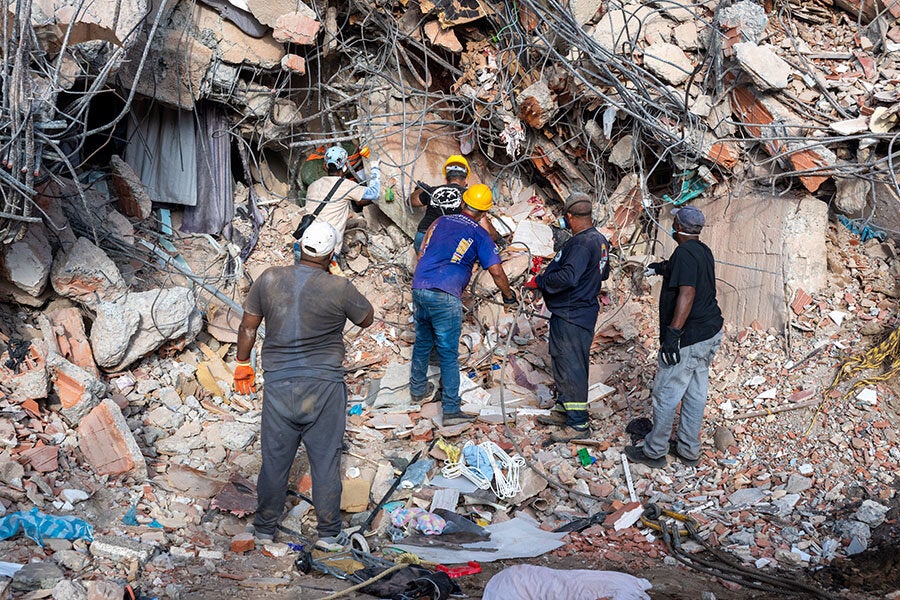
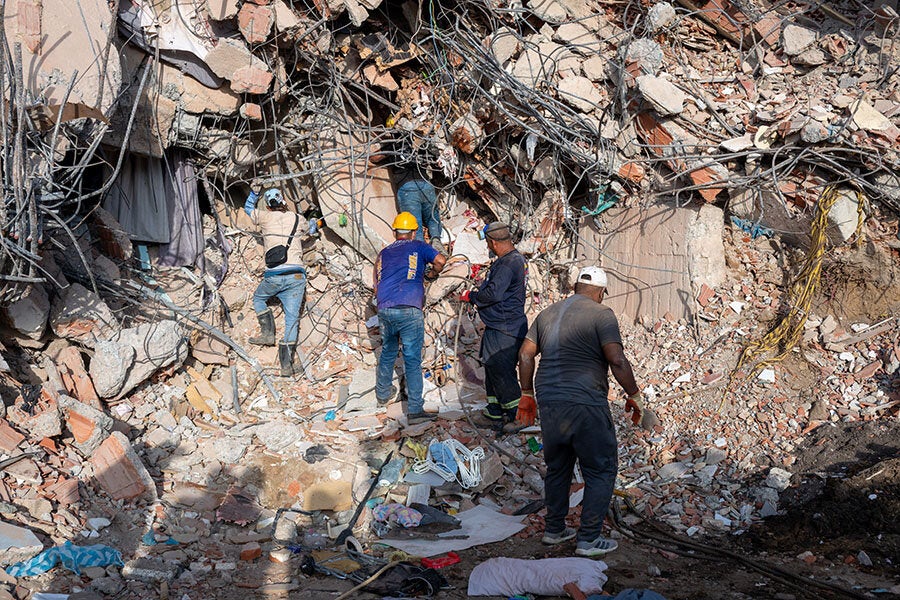
A few kilometers away, Richard was on duty monitoring a tropical wave. After confirming that his family was safe and checking his home for damage, he made his way to one of the parish’s hardest-hit areas: Cruz Verde, where a residential and commercial building known as El Rey had collapsed.

rescuers
rescuers

The Response Gets Underway

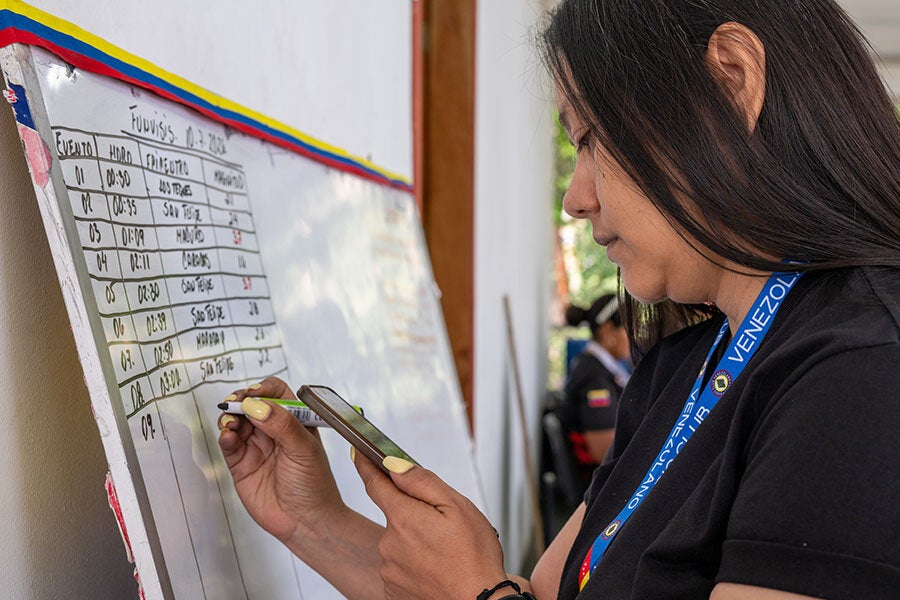
At Dr. Eudoro González Hospital, Yulyma reported to hospital authorities and offered her communications equipment to establish a vital communications link between the hospital, the collapse site, and the institutions coordinating the emergency response. With conventional communications disrupted by the earthquake, radio communications became an essential lifeline for maintaining the flow of information and supporting response coordination.

While Yulyma helped connect those requesting assistance with those able to provide it, Richard joined a team made up of firefighters, Civil Protection personnel, police officers, National Guard members, and residents from the parish itself. Working with limited resources, under difficult conditions, and often with very little lighting, they searched through the rubble. Despite these challenges, they rescued 15 people alive from the collapsed structure. Nine people lost their lives at the site, including an entire family.

In the midst of these efforts, Richard received devastating news that made the emergency deeply personal: his sister, who lived in Playa Grande, was among the victims.

“I had to take part in the rescue operation, recover her body, and tell the rest of my family,” he says.

It was one of the most difficult moments of his life.

“I couldn’t find a way to explain what had happened,” he remembers.

Despite his grief, Richard continued supporting the emergency response. He had witnessed the tragedy and the loss of life firsthand, but he had also seen a community come together. Nurses who were off duty reported to the hospital to help care for patients. Volunteers who had long since stepped away returned to serve. Retired firefighters rejoined the response. Local residents and businesses donated helmets and gloves for rescue operations.

“The community’s response is what made the difference,” Richard says.

Over the five days following the earthquake, Dr. Eudoro González Hospital treated 730 people, ranging from those with minor injuries to critically injured patients who required transfer to other health facilities, including hospitals in Caracas.

responder
responder

Preparedness Put to the Test

The decisions Yulyma and Richard made during those first critical hours were not the result of improvisation. They were the product of years of preparation.

Yulyma participated in PAHO/WHO-supported capacity-building initiatives designed to strengthen emergency preparedness, coordination, and response.

“It helped me understand how all the response teams fit together during events like this, how the deployment works, and the different phases we need to go through,” she explains.

Richard took part in emergency simulations, including one held in Mérida on April 30 to commemorate the 1890 earthquake that struck the city, as well as the annual Caribe Wave tsunami exercise. He has also dedicated part of his community work to visiting local schools to teach children about disaster risk management and how to respond during an earthquake.

Days after the earthquake, while assessing a home in a high-risk area, a young boy recognized him and said:

“You’re the one who came to teach us.”

The words caught him by surprise.

In the midst of one of the hardest experiences of his life, Richard realized that preparedness does not end when an emergency begins. What people learn beforehand can stay with them when they need it most.

“A child received the message we shared, and that knowledge stayed with him,” he reflects.

When every second counts, preparedness becomes more than training—it becomes a tool that enables people to act, protect themselves, and help their communities respond.